Understanding Mohs Surgery
Mohs surgery is a specialized surgical technique used to treat certain types of skin cancer, offering a high success rate by removing cancerous tissues while preserving as much healthy tissue as possible. During the procedure, thin layers of cancer-containing skin are progressively removed and examined until only cancer-free tissue remains. This method ensures precise cancer removal and is highly effective in treating basal and squamous cell carcinomas.
The technique was developed by Dr. Frederic Mohs in the 1930s and has been refined over the years to become one of the most trusted methods for eliminating skin cancer, especially in cosmetically sensitive areas like the face. For those interested in understanding the full Mohs surgery process, it’s essential to consult experienced Mohs surgeons.
Importance of Early Detection
Early detection of skin cancer is crucial for effective treatment outcomes. By catching cancers in their nascent stages, treatment can be less invasive, yielding higher success rates with procedures such as Mohs surgery procedure. Regular skin checks and prompt consultation with a dermatologist are key strategies in maintaining skin health.
Early intervention can prevent the spread of cancer and minimize the need for extensive surgery. Dermatologists recommend regular screenings, especially for individuals with a history of skin cancer or who have significant sun exposure.
Benefits of Mohs Surgery
Mohs surgery is known for its precision. The benefits of this technique include its high cure rate, often exceeding 98% for certain cancer types, and its ability to minimize scarring by conserving surrounding healthy tissue. This makes it a preferred choice for cancers located in visible areas where appearance post-surgery is important.
Another significant advantage is that the surgery outcomes are immediate, allowing for faster patient recovery times. This efficiency makes Mohs surgery a preferred approach in many clinical dermatology settings.
Patient Considerations
When considering Mohs surgery, patients should discuss their complete medical history with their dermatologist to understand the suitability of this surgery. While generally well-tolerated, the decision depends on the cancer type, location, and patient health.
The success of the surgery also depends on selecting a qualified Mohs surgeon. Experienced surgeons provide comprehensive care, ensuring the best outcomes in skin cancer treatment.

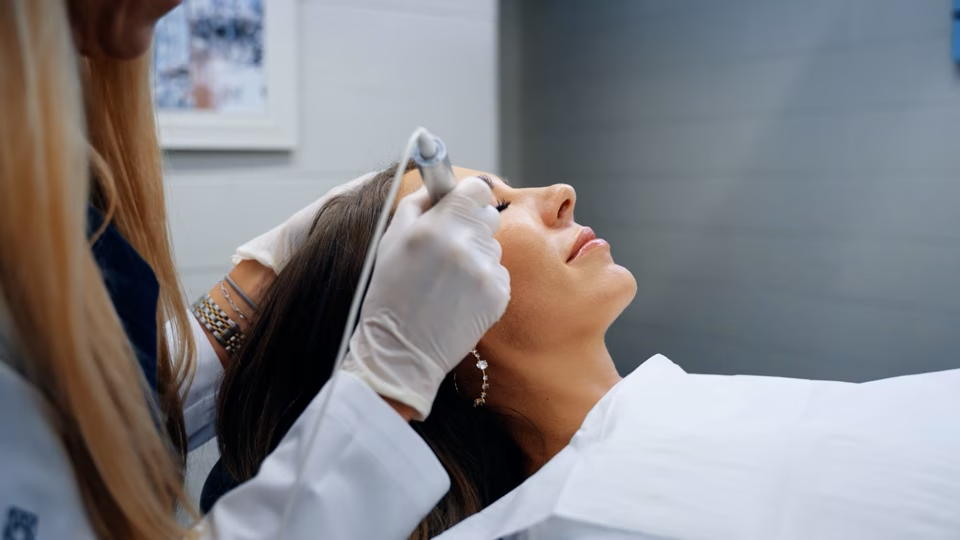
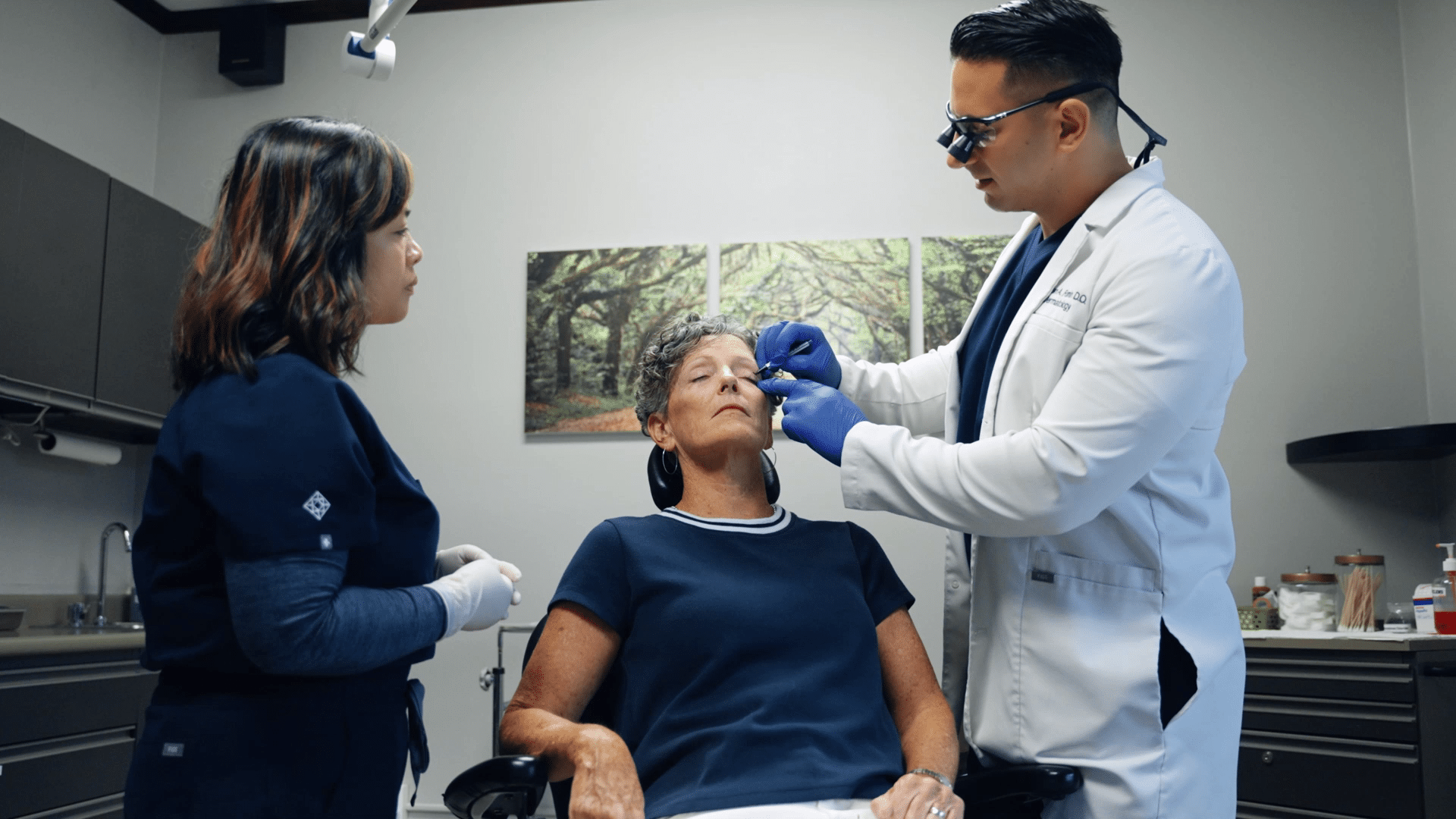
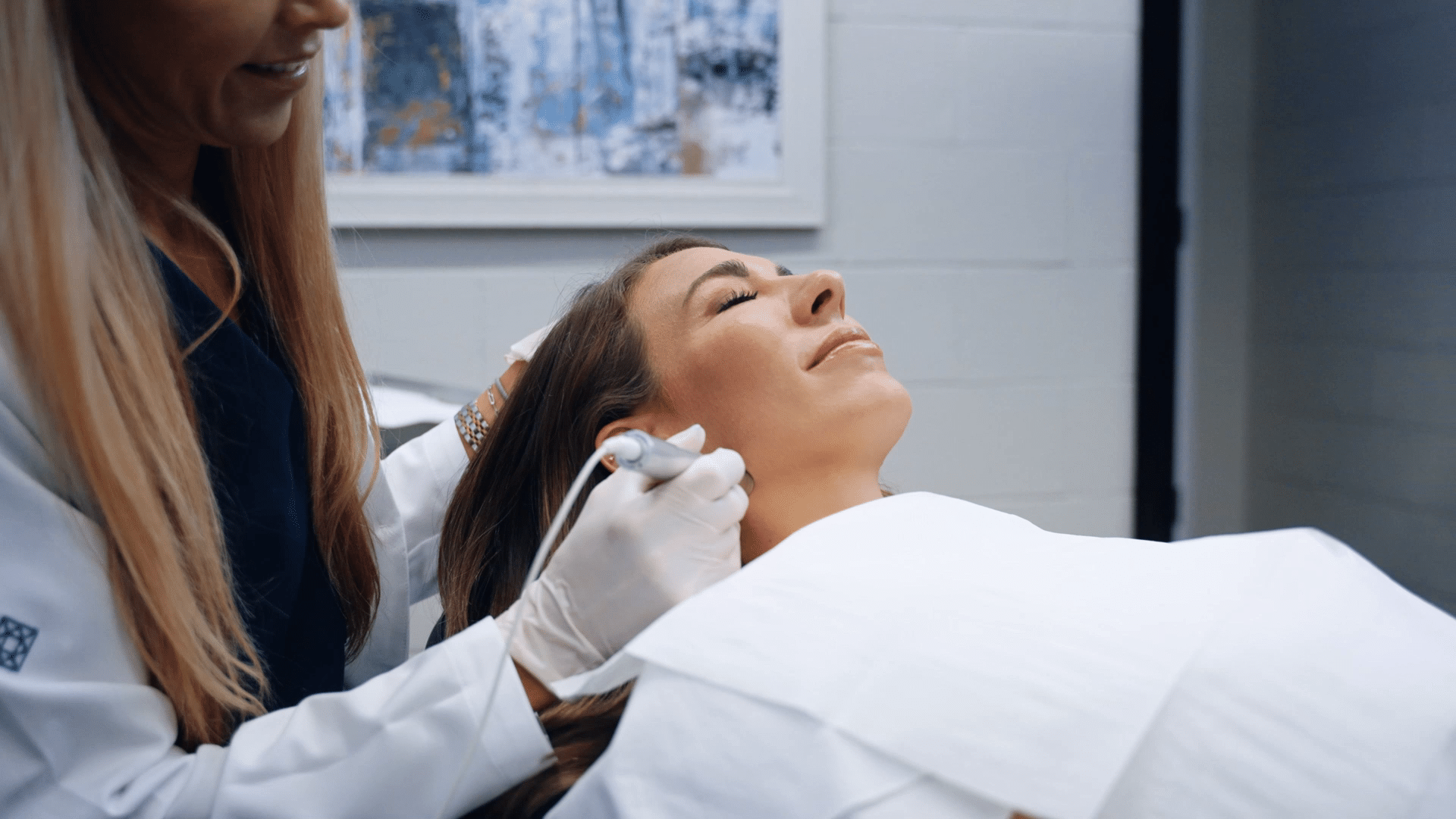
A dermatologist performs Mohs surgery on a patient, focusing on precise skin cancer removal and patient care in a medical clinic setting.
Types of Skin Cancer Treated
Mohs surgery is particularly effective for common skin cancers such as basal cell carcinoma and squamous cell carcinoma. These types often appear on sun-exposed areas of the body, making the precise and conservative nature of Mohs surgery advantageous. Other skin conditions with a high risk of recurrence or that occur in sensitive areas like the nose and ears are also ideal candidates for Mohs surgery.
This surgical approach may not be recommended for all types of skin cancer. It is essential to undergo an evaluation by a dermatology specialist to determine if Mohs surgery is the most appropriate treatment option for your specific condition.
Factors Influencing Surgery Decisions
Several factors determine when Mohs surgery is necessary, including the size, location, and type of cancer, as well as patient medical history. Skin cancers located in areas where aesthetic outcomes are a concern, such as the face or hands, are often treated with Mohs surgery for its precise results. Tumor borders that are not clearly defined or cancers that have recurred after previous treatment may also warrant this technique.
Patients should discuss these aspects with their dermatologists to make an informed decision, understanding both the benefits and limitations of the procedure compared to alternatives such as SRT vs surgery.
Common Signs Indicating Surgery
Recognizing the signs that might necessitate Mohs surgery is vital for timely intervention:
- Persistent skin lesions: Lesions that do not resolve within a few months warrant further investigation by a dermatologist.
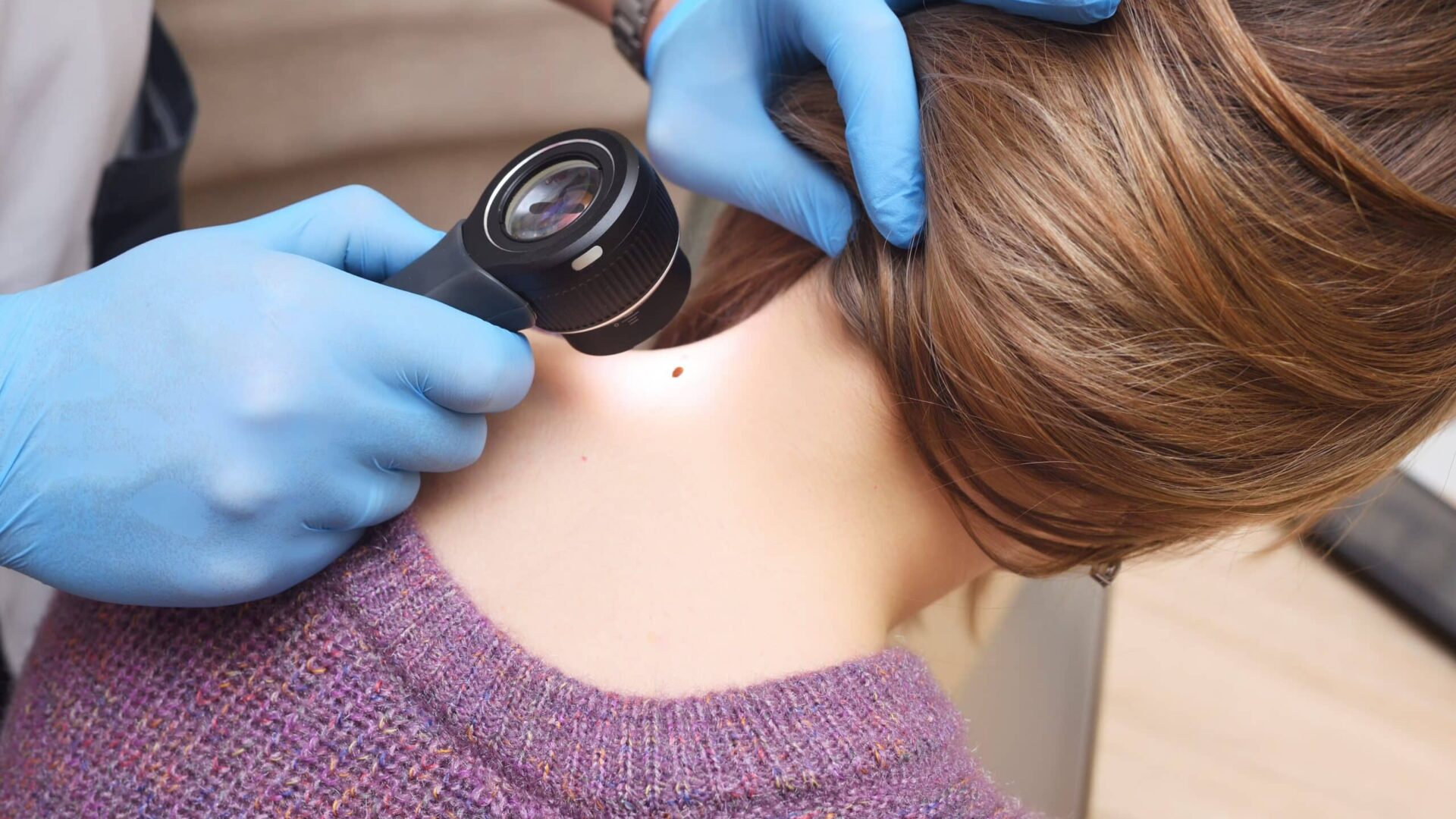
- Change in mole appearance: Changes in color, shape, or size of moles can indicate malignancy.
- Bleeding or oozing spots: Spots on the skin that bleed or ooze without healing necessitate professional assessment.
- Lesions that do not heal: Chronic non-healing lesions may be a sign of cancerous activity.
- Rapid growth in skin growth: Quickly enlarging lesions should be promptly evaluated to rule out malignancy.
Initial Consultation Process
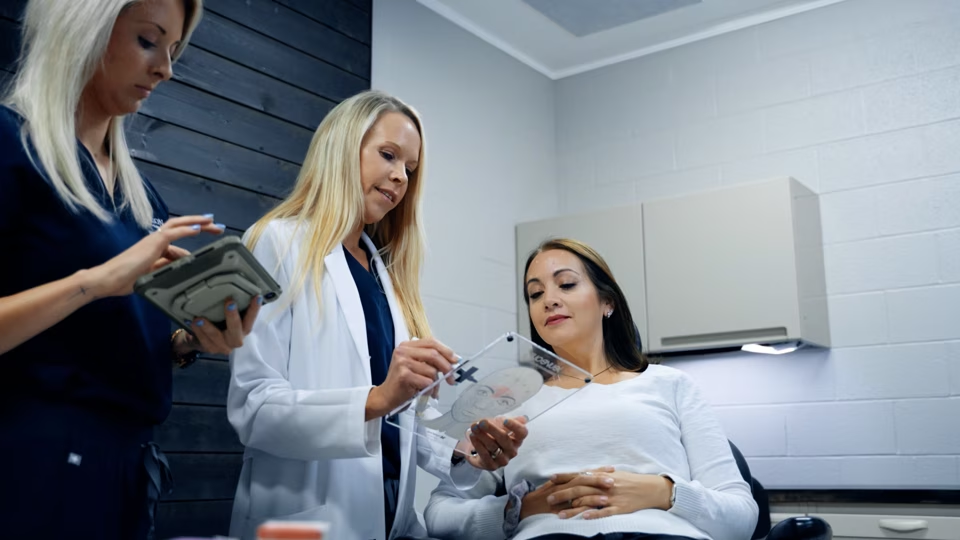
The initial consultation with a dermatologist includes a thorough review of the patient’s medical history, a physical examination, and a discussion about the procedure’s risks and benefits. This comprehensive assessment helps to determine the appropriateness of Mohs surgery. Surgeons will provide insights into the recovery process and address any concerns the patient may have regarding the surgery.
Generally, a pathology report is reviewed during this phase to ensure that Mohs surgery is the correct approach for the type and stage of the cancer. This step is crucial in planning an effective treatment to achieve optimal results.
The Mohs Surgical Technique
The Mohs surgical technique involves systematically removing skin cancer layer by layer, examining each under a microscope until no cancerous cells remain. This method allows the surgeon to ensure all cancerous tissues are removed while conserving as much healthy tissue as possible. It provides the highest cure rate for skin cancers with the least disruption to surrounding areas.
The intense scrutiny of each layer under the microscope ensures that the surgery effectively targets only the cancerous cells. For patients at the Mohs surgery recovery stage, this precision means less tissue disturbance, reduced healing time, and a lower risk of recurrence.
Expected Results
Patients can anticipate several positive outcomes from Mohs surgery:
- High cure rates: Mohs surgery boasts exceptional success rates, making it a reliable treatment for skin cancer.
- Minimal scarring: The surgery minimizes surface tissue disruption, reducing scarring.
- Preservation of healthy tissue: Only cancerous cells are removed, preserving healthy tissue and improving cosmetic results.
- On-site pathology examination: Immediate examination of tissue samples ensures thorough excision of the cancerous area.
Post-Procedure Recommendations
After the surgery, patients should follow specific care instructions to optimize healing and prevent infection. This includes keeping the surgical site clean and protected, taking prescribed medications, and attending follow-up appointments for monitoring. These steps help ensure the best outcomes and minimize potential complications.
For those considering alternatives or additional care modalities, exploring options like the SRT treatment process could be beneficial.
Recovery Timeline
The recovery timeline following Mohs surgery typically spans a few weeks, during which the skin heals and gradually returns to a normal appearance. Initially, patients may experience redness, swelling, and minor discomfort which should subside within couple of weeks. It’s vital to follow all post-operative instructions to promote healing.
One week post-surgery, most patients can return to normal activities, albeit with lingering signs of the procedure fading as time progresses. Following this, complete recovery and tissue repair can take several months depending on individual healing rates.
Managing Discomfort
Discomfort after the procedure can generally be managed with over-the-counter medications and cold compresses. It’s advisable to avoid strenuous activities that could aggravate the treated area during the healing process.
Some patients might need prescription medications for pain management, especially in the initial post-operative days. Maintaining communication with your surgeon can ensure that adequate pain management strategies are employed.
Follow-Up Care
Routine follow-up appointments are crucial to monitor healing and detect any recurrence early. During these visits, your provider can assess the surgical site, address any concerns, and provide guidance on skincare routines to protect your skin.
Adhering to the prescribed skincare regimen not only aids in healing but also improves long-term outcomes in terms of aesthetic appearance and skin health. Patients frequently ask if SRT is right for them as a part of ongoing skin management and should discuss such options with their dermatologists.
For those seeking advice on choosing the right specialist, visiting a skin care specialist is recommended to ensure high-quality care in preventing and addressing potential complications.
What to Look for in a Mohs Surgeon
Finding the right Mohs surgeon is crucial to ensure successful outcomes and optimal care. Consider the following qualities when selecting a specialist:
- Board certification: Credentials ensure that the surgeon has met rigorous standards of training and competence.
- Experience with skin cancer: An extensive track record with Mohs surgery patients is important for expertise.
- Patient reviews: Feedback from previous patients offers insights into the surgeon’s care and results.
- Available resources: Comprehensive care facilities can enhance treatment experiences.
- Surgical facilities: Modern, well-equipped facilities contribute to better procedural outcomes.
Preparing for Your Appointment
Preparation for a Mohs surgery appointment involves gathering your medical records, noting any changes in your skin condition, and compiling a list of medications. This allows the dermatologist to have an in-depth understanding of your health profile.
Additionally, it’s helpful to list any questions or concerns you have ahead of time to ensure they are addressed during your consultation. This proactive approach facilitates clear communication and thorough planning with your board-certified dermatologist.
Questions to Ask Your Surgeon
When meeting with a potential Mohs surgeon, consider asking about their specific experiences with cases similar to yours, their approach to post-procedure care, and how they handle potential complications. Gaining insight into their methodology and patient care philosophy can help in making an informed choice.
It’s also important to discuss any preventative measures post-surgery, which helps in maintaining skin health and preventing future issues, crucial when you want to know more about skin cancer prevention.
Skin Cancer Prevention Tips
Preventing skin cancer involves a proactive approach to skincare and UV protection. Here are key strategies:
- Regular self-examinations: Frequent checks for new or changing lesions can lead to early detection.
- Use sunscreen: Apply broad-spectrum sunscreen with at least SPF 30 daily to protect against UV rays.
- Seek shade: Avoid direct sun exposure during peak hours to minimize skin damage.
- Wear protective clothing: Opt for hats, sunglasses, and UV-blocking fabrics.
Alternatives to Mohs Surgery
While Mohs surgery is highly effective, there are alternatives suitable for certain cases. For superficial types of skin cancer or where surgical interventions may not be preferred, treatments such as cryotherapy, topical medications, and chronic wound care may be explored.
Consultation with a dermatology specialist is crucial in evaluating these non-invasive options, especially for those dealing with additional complexities like diabetic foot ulcers.
When to Seek Further Assistance?
If new symptoms occur or if current treatment is ineffective, seeking further assistance from a qualified healthcare provider is essential. These experts can offer advanced interventions and tailor treatments to individual patient needs, ensuring optimal care and results. Continued communication with your healthcare team is vital for ongoing skin health management.
Success Stories
Hearing from those who’ve undergone Mohs surgery provides reassurance and insight into the procedure’s effectiveness:
- Case Study 1: Patient A’s Journey: Patient A underwent Mohs surgery for basal cell carcinoma on the nose, experiencing excellent outcomes with minimal scarring.
- Case Study 2: Patient B’s Experience: Patient B, treated for squamous cell carcinoma, appreciated the professional and caring nature of the treatment team.
- Case Study 3: Lessons Learned: Lessons from these cases highlight the importance of promptly addressing skin changes.
- Key Takeaways from Patient Care: Effective communication and timely treatment are critical for successful outcomes.
- Further Resources for Survivors: Resources like support groups offer continued assistance and guidance.
FAQs
For frequently asked questions about Mohs surgery, patients can explore resources that detail the procedure, helping ease concerns and clarify expectations. This often includes information on recovery, techniques used, and the roles of specialized care facilities.
Future Considerations
Advancements in dermatological research continuously improve treatment options, offering new technologies and methodologies for managing skin cancer effectively. Patients are encouraged to stay informed about upcoming procedures that may offer benefits like quicker recovery times or minimally invasive techniques.
Participation in clinical trials or engaging with innovations in the field of venous leg ulcer treatment may also provide additional options for those with complex medical histories.
Frequently Asked Questions
Mohs surgery is a precise surgical technique used primarily to treat skin cancers. It involves the removal of cancerous tissue in layers and is examined microscopically layer by layer until no further cancer cells are detected. This approach is beneficial for conserving healthy tissue and achieving high cure rates.
The procedure is performed by removing visible tumors with a small margin of surrounding tissue. Each layer is examined microscopically for cancer cells. If cancer is present at the edges, the process is repeated on the area where cancer remains. This careful excision continues until cancer-free margins are achieved. This meticulous process allows a high degree of accuracy in not only removing cancerous cells but also preserving as much healthy tissue as possible.
Risks are minimal but can include bleeding, infection, or scarring. Patients should closely follow post-operative care instructions to mitigate these risks. Discussing the specific risks with a Mohs surgeon will provide a clearer understanding of any concern relevant to individual health conditions.
Recovery from Mohs surgery typically takes about 2-4 weeks for the initial healing phase, but complete healing may take several months, especially for more prominent areas or deeper surgeries. During this time, proper wound care is essential to promote healing and minimize scarring. Detailed instructions from the healthcare team should be followed to ensure optimal recovery.
During your initial consultation, the dermatologist will review your medical history and conduct a thorough skin examination. They will discuss the Mohs procedure, assess your suitability for it, and outline potential outcomes and recovery processes. This consultation is also an opportunity to address any questions or concerns to ensure you are comfortable and well-informed about the upcoming surgery.