Introduction to SRT vs Surgery for Skin Cancer Treatment
When it comes to choosing a skin cancer treatment, patients often find themselves deciding between superficial radiation therapy (SRT) and surgery. Both options have distinct benefits and considerations that can significantly impact the treatment outcome. Understanding the differences and similarities between these methods is crucial in making an informed decision about your healthcare.
Understanding Skin Cancer
Skin cancer is one of the most common types of cancer, affecting millions worldwide. It typically arises from excessive exposure to ultraviolet (UV) rays, often from the sun, leading to abnormal skin cell growth. Recognizing early signs and practicing skin cancer prevention measures can reduce risks significantly.
Three main types of skin cancer are basal cell carcinoma, squamous cell carcinoma, and melanoma. Each type requires a different treatment approach, with SRT and surgery being prime options.
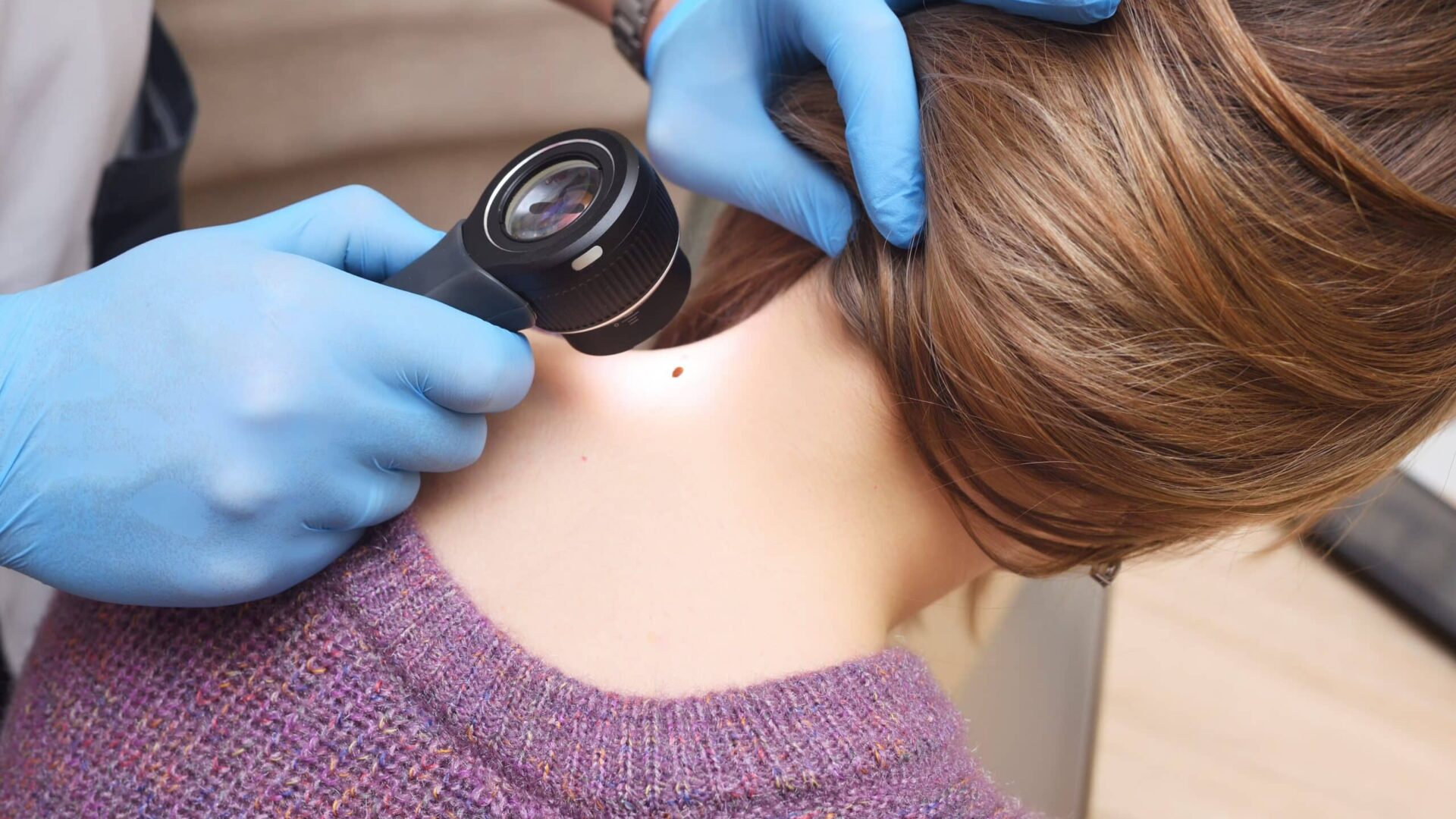
Diagnosis and early detection are key components in successfully managing skin cancer. Regular checks and professional consultations can lead to an early diagnosis and better outcomes.
Overview of Treatment Options
Superficial Radiation Therapy and surgery both serve as effective treatment options for non-melanoma skin cancers. While surgery involves physically removing the cancerous tissue, SRT uses targeted X-rays to destroy cancer cells without invasive procedures.
The choice between these treatments often hinges on several factors, including the size, location, and type of the cancer, as well as patient preferences and overall health. Each method has its unique approach to tackling skin cancer.
Analyzing the pros and cons of these treatments helps tailor care plans to individual needs, ensuring the highest chance of success.
Key Considerations
When considering SRT or surgery, factors like healing time, side effects, and cosmetic outcomes come into play. The decision is also influenced by the patient’s medical history and any coexisting conditions.
While surgery may offer a higher immediate success rate for certain types of cancers, SRT provides an alternative for those seeking less invasive treatments with minimal recovery time.
It’s essential to weigh these considerations carefully under the guidance of a clinical dermatology expert to ensure the best possible results.
In-depth Look at Superficial Radiation Therapy (SRT)
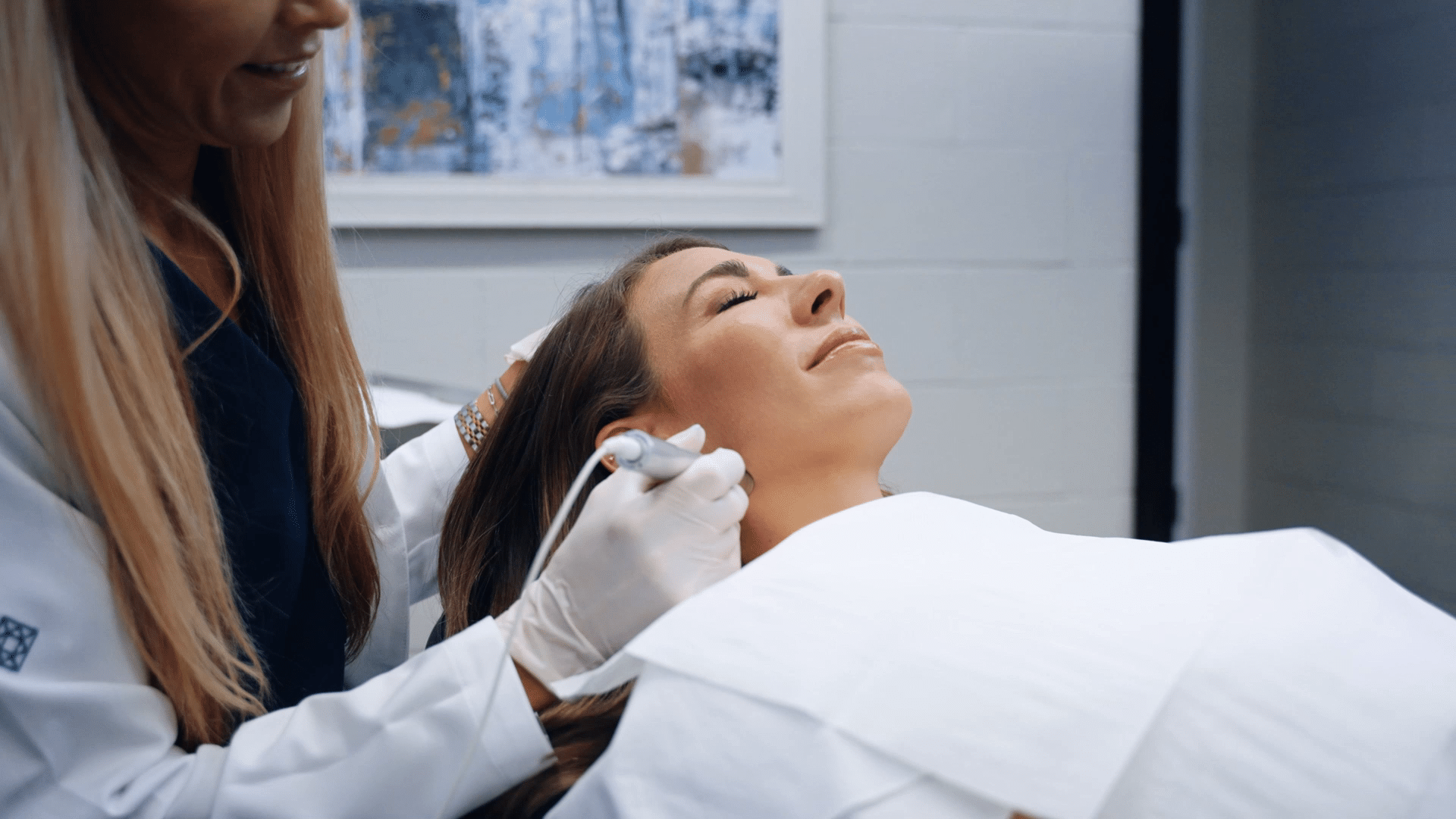
Superficial Radiation Therapy is a highly targeted treatment option that uses low-energy X-rays to address skin cancers. It presents a non-surgical alternative, ideal for patients who might not be suited for invasive procedures.
What is SRT?
SRT is a non-invasive treatment for non-melanoma skin cancers like basal cell carcinoma and squamous cell carcinoma. It focuses on delivering precise radiation doses to cancerous cells, sparing the surrounding healthy tissue.
This method is particularly beneficial for treating cancers in delicate or cosmetically sensitive areas where surgical scars may be a concern.
With options for SRT treatment process refinement, this approach continues to advance, offering patients new levels of comfort and effectiveness.
How SRT Works
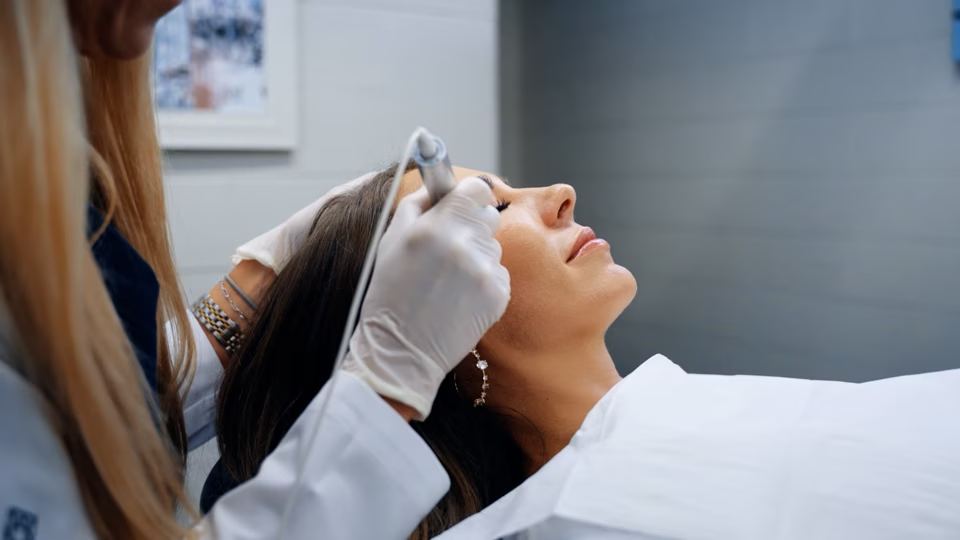
The procedure involves a series of sessions where controlled radiation is directed at the skin cancer. Each session is quick and painless, typically conducted on an outpatient basis.
The SRT procedure is carefully monitored to ensure maximum efficiency with minimal impact on surrounding tissues. This precision makes it an appealing alternative for those seeking less invasive treatments.
Questions about whether SRT is suited for individual cases can be addressed by consulting a specialist at a skin and cancer clinic.
Advantages of SRT
Superficial radiation therapy offers several compelling advantages over traditional surgical approaches:
- Non-invasive procedure: Involves no incisions or anesthesia, minimizing risks associated with surgery.
- Minimal recovery time: Patients often resume normal activities immediately after treatment.
- Targeted treatment: Precision limits exposure to surrounding healthy tissues.
- Fewer side effects: Compared to chemotherapy or more invasive surgical treatments.
- Affordable options: Cost-effective compared to some surgical interventions.
- Less painful: Most patients experience minimal discomfort during and after treatment.
- Outpatient treatment: Typically administered in clinic settings without requiring hospitalization.
Understanding these benefits helps patients make informed choices aligned with their healthcare goals.
Surgical Options for Skin Cancer Treatment
Surgical treatment remains a cornerstone in the management of skin cancer, especially for more extensive tumors. Several surgical techniques are available, each tailored to specific types of skin cancer and patient needs.
Types of Surgical Procedures
Mohs Micrographic Surgery is among the most effective surgical procedures for skin cancer, offering precise removal with minimal damage to surrounding tissue. This method is ideal for more aggressive or recurrent cancers.
Other standard procedures include excisional surgery, where the tumor and some surrounding tissue are removed, and curettage and electrodesiccation, a process used for superficial cancers.
Resources on the Mohs surgery procedure are invaluable for understanding the complex nature of these surgeries.
Preparation for Surgery
Preparing for skin cancer surgery involves several steps to ensure optimal outcomes. Patients typically undergo pre-surgical consultations to discuss personal health history, evaluate the cancer’s location and size, and establish a tailored treatment plan.
Patients are advised on pre-operative preparations, including medication adjustments and dietary restrictions if necessary. Understanding these requirements can help minimize surgical risks.
Gathering information on when Mohs surgery is needed enhances patient readiness and strengthens decision-making.
Risk Factors and Considerations
While surgery is highly effective, various risk factors and considerations must be acknowledged:
- Anesthesia risks: Includes potential reactions and complications from anesthesia.
- Potential for scarring: Surgical procedures can leave noticeable scars, which may concern patients.
- Recovery time varies: Healing varies depending on the extent of surgery and individual health.
- Risk of infection: As with any surgery, there’s a risk of infection post-operation.
- Cost considerations: Surgical procedures can be expensive and may not be fully covered by insurance.
- Follow-up care needed: Continuous monitoring post-surgery to ensure no recurrence or complications.
- Possibility of recurrence: Some cancers may return, necessitating further treatment.
Understanding these factors is vital for anyone considering surgical treatment as a viable option.
Comparative Analysis of SRT vs Surgical Methods
In choosing between SRT and surgery for skin cancer treatment, both cost and effectiveness play crucial roles. Patients must consider these aspects in light of their circumstances and preferences.
Cost Comparison
The financial aspect is often a deciding factor when choosing a treatment. SRT tends to be a more cost-effective solution due to its non-invasive nature and outpatient setting.
Surgical treatments, particularly complex ones like Mohs surgery, involve higher costs due to hospital expenses and anesthesia fees. Additionally, surgery might entail more post-operative care, affecting overall costs.
Understanding these differences can guide financial planning and treatment choices.
Effectiveness of Each Treatment
Both SRT and surgery are known for their effectiveness in treating non-melanoma skin cancers. Surgery offers immediate results by physically removing cancer, while SRT gradually eliminates cancer cells through targeted radiation.
Success rates are typically high with both methods when performed correctly. Deciding on the right treatment depends on cancer type, size, location, and patient health.
Analyses such as Mohs surgery recovery provide insights into the intricacies and outcomes of each procedure.
Patient Experience
Patients’ experiences vary significantly between these two treatment approaches:
- Consultation process: Initial consultation is crucial for determining the best treatment approach.
- Treatment duration: SRT involves several sessions, whereas surgery is often completed in one session.
- Post-treatment care: Surgical patients may require more intensive follow-up care compared to SRT patients.
- Patient comfort: SRT offers a more comfortable overall experience, being non-invasive with minimal pain.
- Success rates: Both treatments have high success rates, though specific outcomes depend on individual circumstances.
- Patient satisfaction: Satisfied patients typically report preference aligning with minimal discomfort and effective results.
- Long-term outcomes: Long-term outcomes can be excellent with both methods if follow-up and monitoring are sustained.
These factors significantly influence the overall treatment decision and eventual satisfaction.
Guidance on Choosing Between SRT and Surgery
Deciding between superficial radiation therapy and surgery requires careful consideration of personal needs, health status, and treatment goals. Consulting with experts can provide clarity and direction in this choice.
Factors to Consider
Several factors can influence your decision, including medical history, cancer type and location, and your comfort with potential risks and outcomes.
Assessing these factors alongside treatment costs and recovery expectations helps establish a realistic understanding of what each treatment entails.
Exploring psoriasis care and other skin conditions may provide additional context regarding skin health management.
Consulting with Specialists
Engaging with healthcare professionals is crucial in making an informed decision. They offer personalized advice based on a thorough evaluation of your health condition and cancer characteristics.
Consultations can clarify whether SRT or surgical intervention suits your specific situation, with specialists available to address any queries or misgivings.
Specialists can also discuss comprehensive acne treatment options as part of overall skin health discussions, adding depth to patient consultations.
Making Your Decision
Ultimately, the decision between SRT and surgery should empower you to feel confident and informed about your chosen path to recovery. Your choice should align with your lifestyle preferences and healthcare goals.
Engaging in a detailed dialogue with healthcare providers ensures you’re well-informed about all potential benefits and challenges.
Committing to ongoing care and follow-up enhances the long-term success of your chosen treatment path.

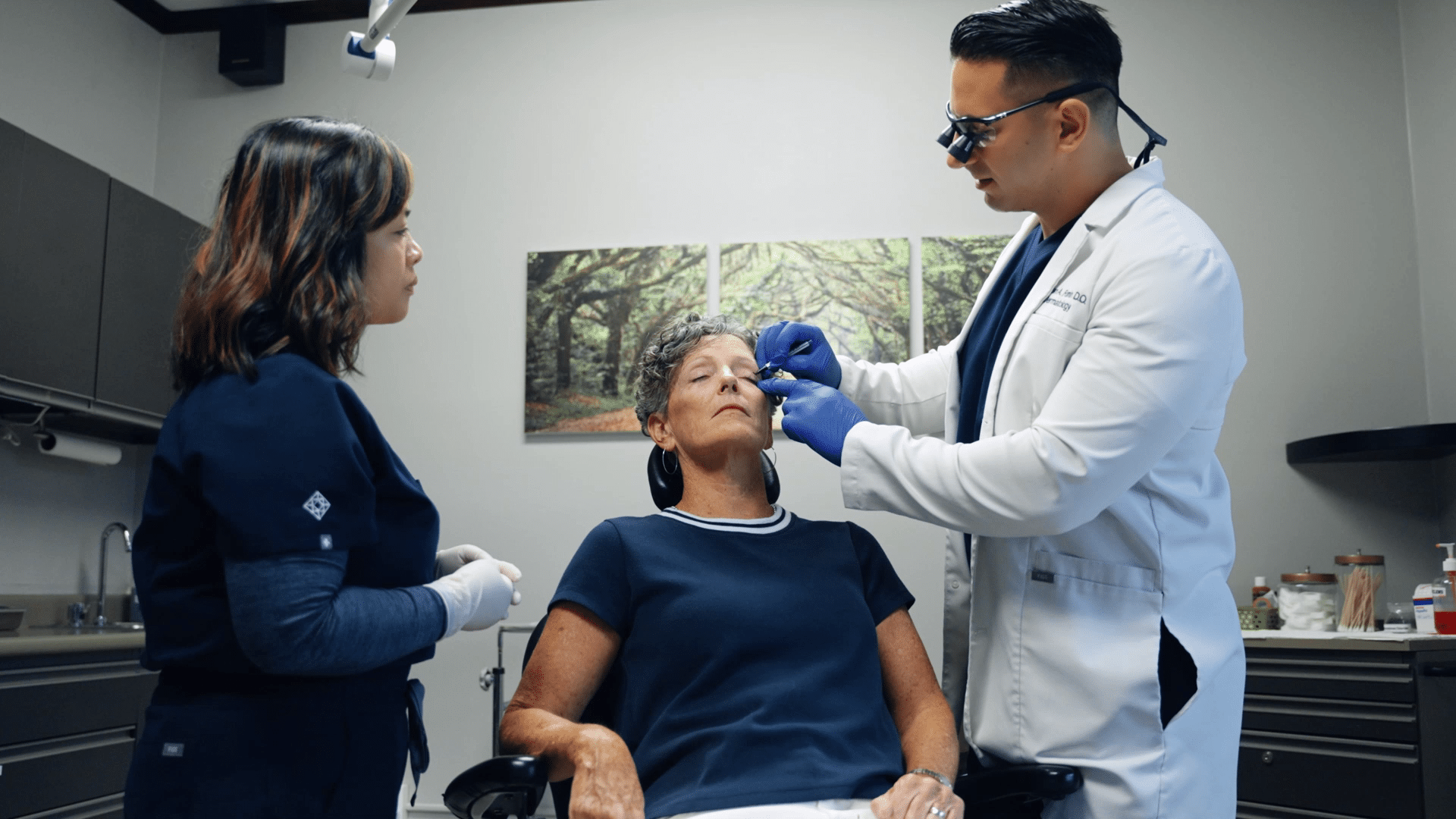
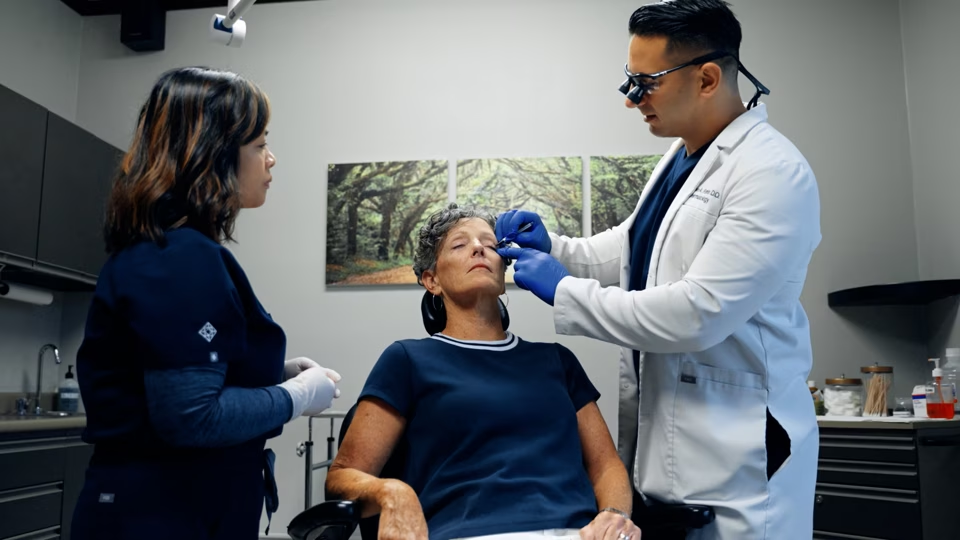
A dermatologist engages in a consultation with a patient in a well-lit medical office with nature-themed artwork on the wall.
Conclusions on Skin Cancer Treatment Options
Choosing the right skin cancer treatment involves understanding various options like SRT and surgery. Both offer distinct advantages and are suited for different scenarios, depending on individual health needs.
Summary of Key Points
Superficial Radiation Therapy offers a non-invasive option with minimal recovery time and high effectiveness. In contrast, surgery provides a more immediate solution but comes with higher costs and longer recovery.
Patients should weigh factors such as the potential for recurrence, cost implications, and personal lifestyle when making a treatment decision.
Understanding these elements provides a clear framework for informed decision-making.
Final Recommendations
To ensure the best treatment outcomes, consider these recommendations:
- Evaluate all treatment options: Ensure all avenues are researched thoroughly before making a choice.
- Consult with a healthcare professional: Their guidance is vital in navigating this decision.
- Consider personal health history: Previous medical issues may affect treatment suitability.
- Think about costs and insurance coverage: Financial implications should be a key factor in decision-making.
- Be informed about recovery processes: Awareness of the recovery timeline aids in planning.
- Make a choice that feels right for you: Ultimately, personal comfort and preference should guide your decision.
Following these steps will support a decision that balances medical efficacy with personal circumstances, ensuring the best care available.
Frequently Asked Questions
The primary difference lies in the approach. SRT is non-invasive, using superficial radiation to target and eliminate cancer cells without the need for cutting or anesthesia. In contrast, surgery involves physically removing the tumor and some surrounding tissue, which can be more invasive.
Side effects of SRT are generally minimal and localized to the treatment area. They can include redness, irritation, and temporary pigmentation changes, but these effects are usually mild and resolve over time.
Each SRT session typically lasts about 15 minutes and treatments are usually scheduled over several weeks, depending on the individual’s treatment plan. This allows for thorough treatment with minimal impact on daily activities.
Surgery is often the preferred option for larger or more aggressive skin cancers, offering immediate removal. However, SRT is highly effective for certain types of non-melanoma skin cancers and is a recommended option for specific cases with consideration of the patient’s overall health and cancer location.
Recovery time varies but generally, surgical patients can expect several weeks to months for complete healing, depending on the severity and extent of the surgery. Healing involves post-operative care to manage pain and ensure the wound heals properly.
Yes, your choice should be based on a thorough consultation with your healthcare provider, who can help determine the best option considering your specific case, medical history, and personal preferences.
Discuss your complete medical history, lifestyle preferences, treatment goals, and concerns about potential risks and side effects. A clear dialogue with your healthcare provider will guide you in selecting the most suitable treatment option.