Understanding Pressure Wounds
Pressure wounds, also known as pressure ulcers or bed sores, are injuries to the skin and underlying tissue caused by prolonged pressure on the skin. These wounds often occur in patients who are bedridden or have limited mobility. Becoming aware of the potential risk factors and implementing prevention strategies are crucial aspects of managing patient care effectively. Diabetic foot ulcers and chronic wound care also share similarities in management tactics and require multidisciplinary approaches.
Pressure wounds are not only a significant health concern but they also impact the patient’s quality of life profoundly. The wounds can lead to severe infection, prolonged hospital stays, and even increased mortality rates if not managed promptly. Understanding the underlying causes and developing a thorough care plan is essential for reducing their impact.
The Impact of Bed Sores
Bed sores affect millions of people worldwide and are particularly common among the elderly and those with chronic illnesses. They cause significant pain, discomfort, and in severe cases, require surgical intervention. Bed sores can form rapidly but take a considerable time to heal, making prevention a key element in their management.
The treatment and prevention of bed sores necessitate a comprehensive approach involving both medical and non-medical strategies. Solutions must focus on pressure relief and enhancing the patient’s overall health to prevent recurrences.
The Importance of Care
Providing expert care for pressure wounds is vital, as early intervention can prevent complications. A thorough understanding of the risk factors allows caregivers and medical professionals to implement effective prevention measures. Moreover, timely professional treatment mitigates the risk of severe complications and enhances the patient’s recovery process.
Partnering with a skin care specialist ensures individualized care plans are developed. Early consultation with specialists at dermatology clinics can lead to better patient outcomes and improved quality of life, as seen with conditions requiring treatment like oily skin.
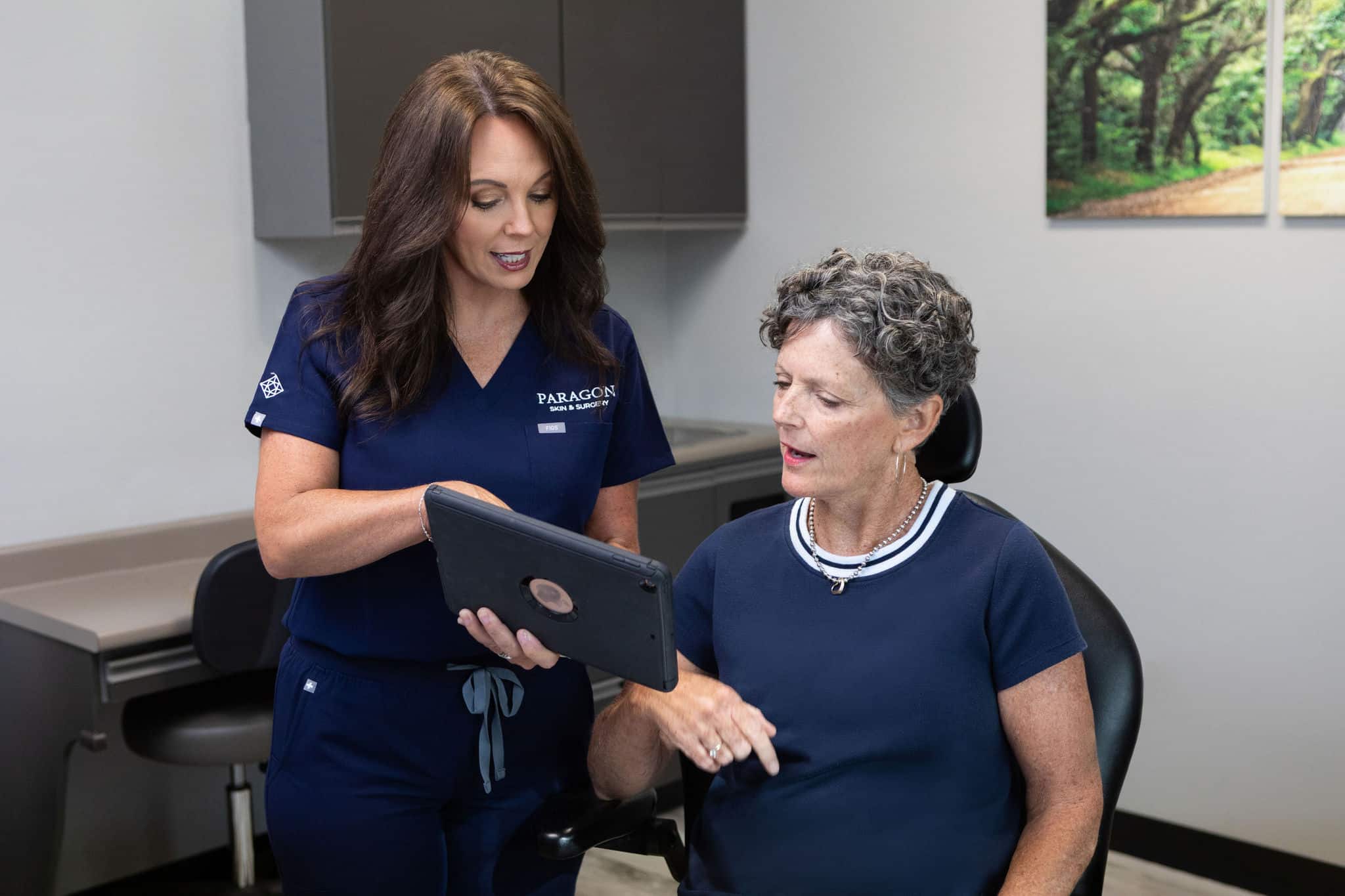
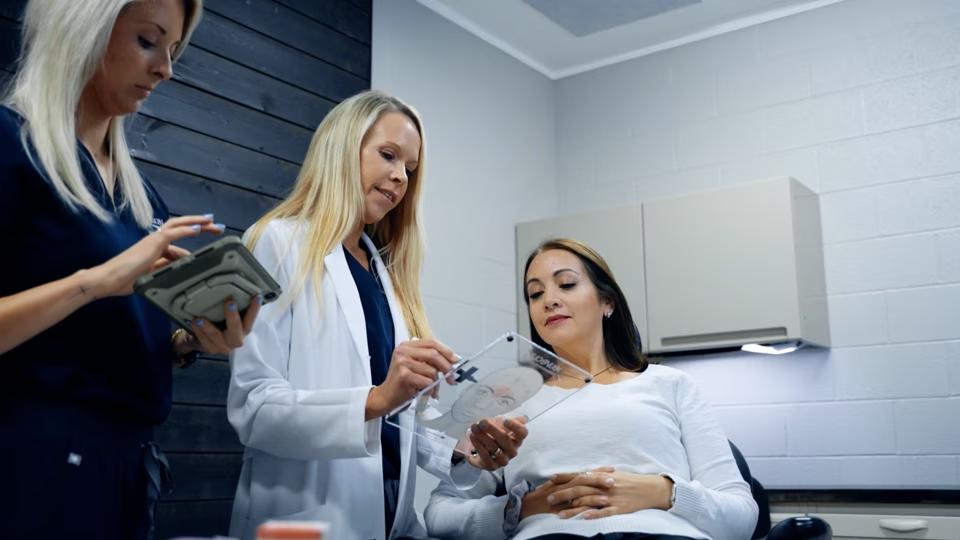
A dermatologist discusses treatment options with a patient while showing information on a tablet in a modern clinic.
Key Risk Factors for Pressure Wounds
Certain factors can significantly increase the risk of developing pressure wounds. These risk factors include immobility due to paralysis or recovery from surgery, advanced age, and certain chronic conditions that impede blood flow, such as diabetes or vascular diseases. Proper risk assessment allows for the implementation of preventative strategies in at-risk individuals.
Common Causes of Bed Sores
Understanding the common causes of bed sores can aid in their prevention. Primary contributors include:
- Limited mobility: Prolonged pressure on the skin without movement can cause tissue breakdown.
- Poor nutrition: Lack of essential nutrients can impair skin integrity and slow healing.
- Incontinence: Excess moisture from urine or feces can create an unfavorable environment for skin.
- Inadequate support surfaces: Improper mattresses or cushions that fail to redistribute pressure.
- Age-related skin changes: Older skin has reduced elasticity and resilience.
- Medical conditions affecting blood flow: Conditions like diabetes reduce skin’s ability to heal.
Recognizing these causes can lead to more targeted prevention efforts.
Identifying At-Risk Patients
Identifying at-risk patients involves a thorough assessment of their health status and living conditions. Patients with limited mobility, poor nutrition, and existing comorbidities require tailored care plans. Routine evaluation of patient’s skin health, especially in vulnerable areas, helps in early detection and intervention.
Effective strategies for identifying and managing at-risk patients incorporate both medical guidance and support from professional caregivers. Those considering aesthetic improvements or skin enhancements between dermatology and med spa services should also evaluate their skin’s health comprehensively.
Professional Treatment Options
Treating pressure wounds effectively requires a comprehensive approach. Professional treatment typically includes cleaning and dressing the wound, and in some cases, surgery may be necessary to remove damaged tissue. Advanced therapies may involve procedures like Mohs surgery for thorough tissue layer examination.
Collaborating with skin care professionals at reputable dermatology clinics ensures access to advanced care methods tailored specifically for pressure wounds. Experienced dermatologists are skilled in treating complex integumentary issues with the best outcomes in mind.
Home Care Strategies
Home care strategies play a pivotal role in managing pressure wounds when patients are outside the clinical setting. These strategies include ensuring regular repositioning to relieve pressure, maintaining optimal skin hygiene, and using specialized bedding to enhance comfort and prevent further injury.
It’s crucial for caregivers to be trained in recognizing early signs of pressure wounds and implementing timely interventions. Providing nutritional support and encouraging physical activity as permitted by the patient’s health status are essential components of home-based care strategies.
Innovative Treatments for Pressure Wounds
Recent advancements have introduced several innovative treatment options for pressure wounds. These include:
- Negative pressure wound therapy: Uses a vacuum dressing to promote healing.
- Dressings that promote healing: Advanced materials that maintain moisture and encourage recovery.
- Surgical options: Involves debriding and grafting techniques.
- Advanced skin substitutes: Utilize bioengineered skin replacements.
- Electrical stimulation therapy: Enhances circulation and accelerates repair.
- Hyperbaric oxygen therapy: Provides oxygen-rich environment to facilitate healing.
- Nutritional support: Focuses on vital nutrients for tissue repair.
- Regular monitoring and assessment: Ensures ongoing evaluation to adapt care plans as necessary.
Employing these innovative techniques alongside regular monitoring of related conditions can significantly enhance healing outcomes.
Effective Prevention Tactics
Preventing pressure wounds involves a proactive approach that combines skin inspection, optimizing nutrition, and regular repositioning of patients. Skin inspections should occur daily, with attention given to bony prominences and other high-risk areas. Providing dermatology services can also play a pivotal role in general skin health.
Role of Caregivers in Prevention
Caregivers have a critical role in the prevention of pressure wounds. They are instrumental in carrying out the recommended repositioning schedules and ensuring that patients remain active as much as possible. Caregivers also monitor the patient’s overall health status and are often the first to notice early signs of skin changes, facilitating early intervention.
Educating caregivers on the importance of proper nutrition, hydration, and skin hygiene helps empower them to implement effective prevention strategies.
Assessing Skin Condition Regularly
Regular assessment of skin condition is vital in preventing pressure wounds. Medical professionals should conduct these assessments routinely in both clinical and home care settings to ensure early detection of any potential issues.
Collaboration between healthcare providers and caregivers ensures a comprehensive care strategy, aligning with preventative methods outlined by experienced Mohs surgeons for overall skin health.
The Psychological Effects of Bed Sores
Pressure wounds not only affect the physical health of patients but also have significant psychological and emotional implications. They can lead to feelings of isolation, depression, and anxiety due to the extended healing period and the restrictions they impose on the patient’s daily activities.
Supporting Emotional Wellbeing
Supporting the emotional well-being of patients with pressure wounds involves offering both psychological support and practical assistance. Ensuring regular social interaction and providing access to mental health services can greatly contribute to the patient’s overall recovery.
Caregivers and healthcare providers should emphasize empathetic communication and encourage patients to express their concerns and feelings to promote a supportive environment.
Importance of Holistic Care
Adopting a holistic approach in treating pressure wounds addresses both the physical and emotional needs of the patient. This includes not only the medical treatment of wounds but also comprehensive support systems that promote emotional health and overall quality of life.
Collaborative efforts, including board certified dermatologists and mental health professionals, ensure a balanced and effective treatment plan for improving patient outcomes. Utilizing resources such as natural skin treatments can enhance body health alongside emotional support.

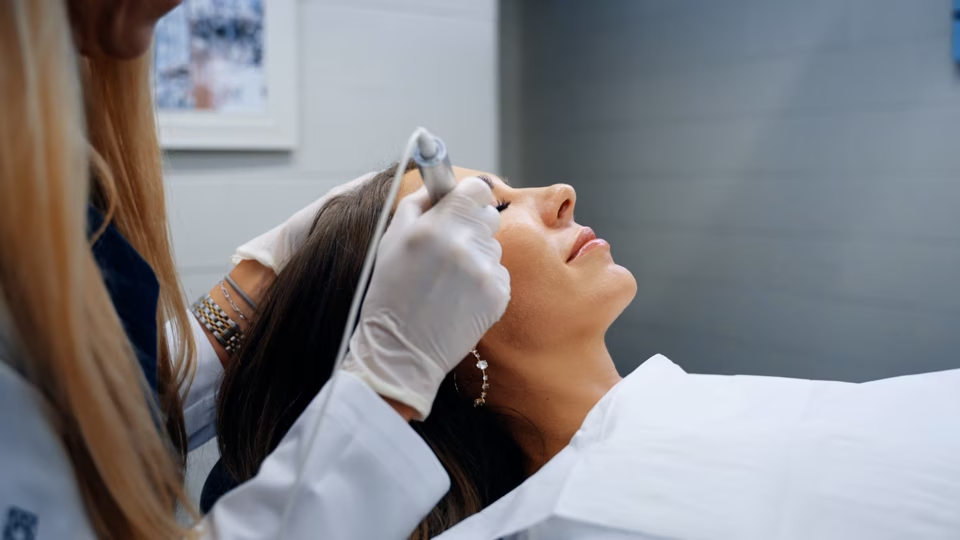
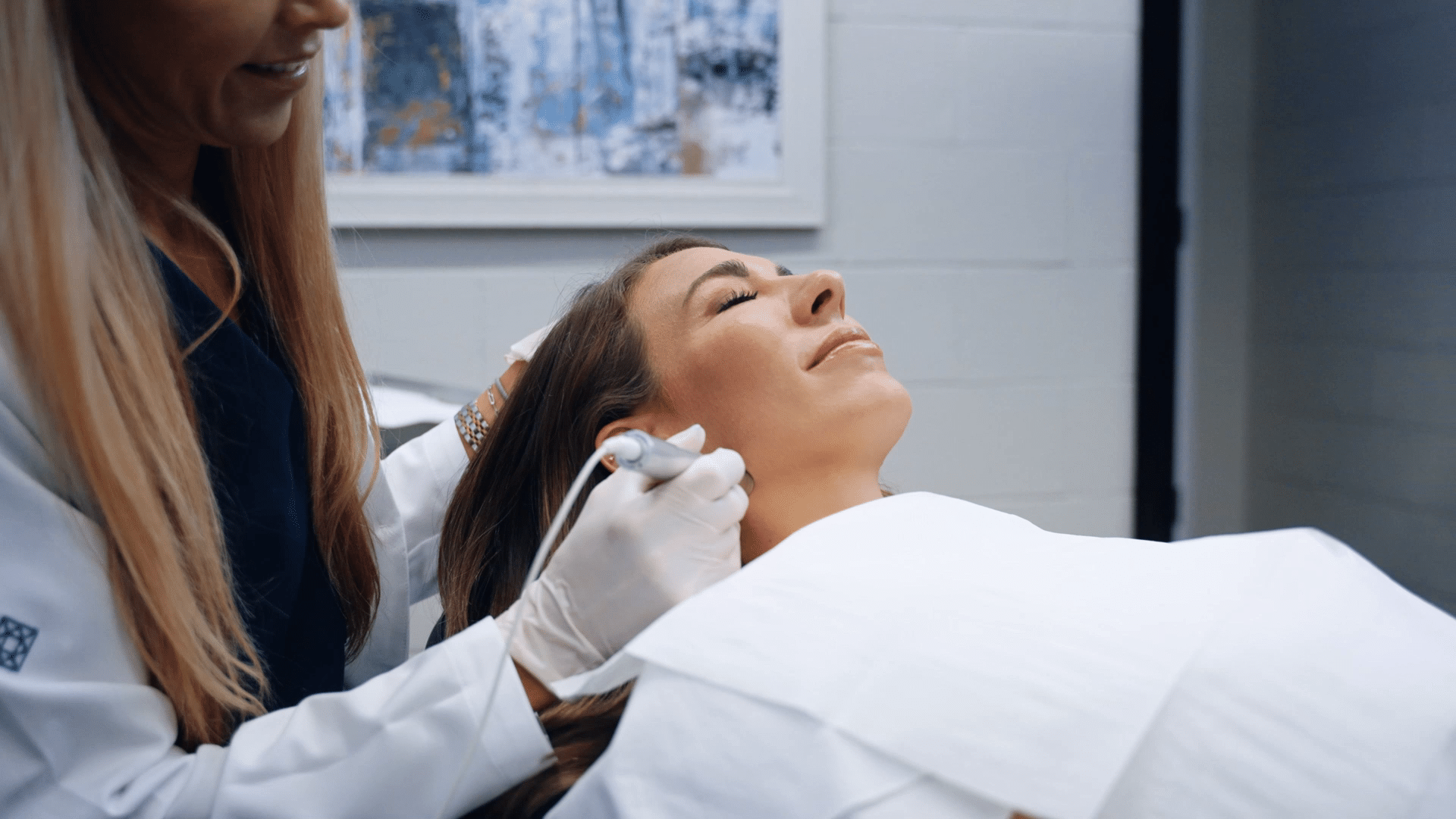
Dermal filler procedure at Paragon Skin & Surgery. Dermatologists help rejuvenate the patient's skin, enhancing appearance.
Summary of Key Points
Pressure wounds require timely intervention and a comprehensive care strategy to manage effectively. Understanding the risk factors and incorporating both prevention and treatment strategies are fundamental in addressing these wounds. Engaging professional healthcare services and utilizing innovative treatments help optimize care.
A focused effort from both caregivers and healthcare professionals in assessing and maintaining skin health forms the backbone of successful wound management strategies.
Encouraging Timely Care
Advocating for timely care can significantly reduce the severity of pressure wounds. Early detection and intervention prevent complications and enhance the healing process. Providing accurate education and resources to both patients and caregivers helps ensure that necessary steps are taken promptly.
Consider integrative approaches, such as SRT treatment processes in conjunction with conventional methods, for comprehensive care management.
Final Thoughts on Preventing Pressure Wounds
Preventive measures are essential in the management and reduction of pressure wounds’ occurrence. Key points include:
- Early intervention is crucial: Start treatment at the earliest signs of pressure injuries.
- Educating caregivers is essential: Provide training on skin care and monitoring techniques.
- Utilizing available resources effectively: Leverage medical and community support systems.
Maximizing prevention and treatment efforts ensures a higher quality of life for patients at risk, reducing the need for interventions such as Mohs surgery or similar complex procedures.
Frequently Asked Questions
Pressure wounds, also known as pressure ulcers or bed sores, develop due to prolonged pressure against the skin. This pressure compromises blood flow to the skin and underlying tissues, leading to the breakdown and formation of open sores, typically occurring in individuals with limited mobility or bedridden conditions.
Effective prevention of bed sores includes regular movement to relieve pressure on vulnerable areas, maintaining proper nutrition and hydration, keeping the skin clean and dry, using specialized bedding, and conducting routine skin assessments to identify early signs of pressure damage.
Assess if the patient has limited mobility, poor nutritional status, existing comorbidities that affect circulation, or is bedridden. Regularly monitoring their skin, consulting healthcare providers for comprehensive risk assessments, and implementing preventive measures are key practices.
Effective treatments include keeping the wound clean, using protective dressings, ensuring proper nutrition, implementing negative pressure wound therapy, and in severe cases, surgery. Collaborating with skin care specialists enhances treatment plans based on individualized needs.
Caregivers can provide crucial support by repositioning patients regularly, assisting with hygiene, providing nutritional meals, and encouraging activity. Educating and training caregivers in wound care techniques is vital for effective management and prevention.
A variety of resources, including online workshops, courses offered by healthcare institutions, and guidance from dermatologists, are available. Professional associations and forums provide additional educational materials and support networks for caregivers and patients.