Understanding Mohs Surgery
Mohs surgery is a precise technique used to treat skin cancer by removing cancerous cells layer by layer while preserving as much healthy tissue as possible. As a part of mohs surgery, it’s important to understand the recovery process to ensure optimal healing. The method allows for the immediate examination of cancerous layers in a clinical dermatology setting, ensuring complete cancer removal with minimal scarring.
After undergoing the mohs surgery procedure, patients can generally expect some redness, swelling, and minor discomfort around the treated area. These are common post-surgical reactions and typically subside within a few days.
Relying on a dermatologist for guidance can aid in facilitating a smooth recovery process.
Expected Recovery Time
Recovery times can vary depending on the individual and the size of the surgical site. Generally, full recovery can take several weeks, allowing the skin to heal and strengthen. Patients should expect the initial healing phase to last around two to three weeks. Throughout this time, close adherence to post-operative care instructions is vital.
Engaging with a dermatology specialist during follow-up appointments ensures that the recovery is progressing as expected. Regular consultations find any potential issues early on, which can lead to more effective management of complications, should they arise.
Complications to Watch For
While Mohs surgery is successful, it is essential to monitor the surgical site for signs of complications. Watch for abnormal swelling, persistent pain, or any discharge from the wound. These may indicate an infection or other concerns that require immediate attention from a skin care specialist.
Avoiding strenuous physical activities and keeping the area clean are fundamental to supporting the body’s natural healing process. Taking these precautions can help minimize the risk of complications, ensuring a smoother recovery overall.

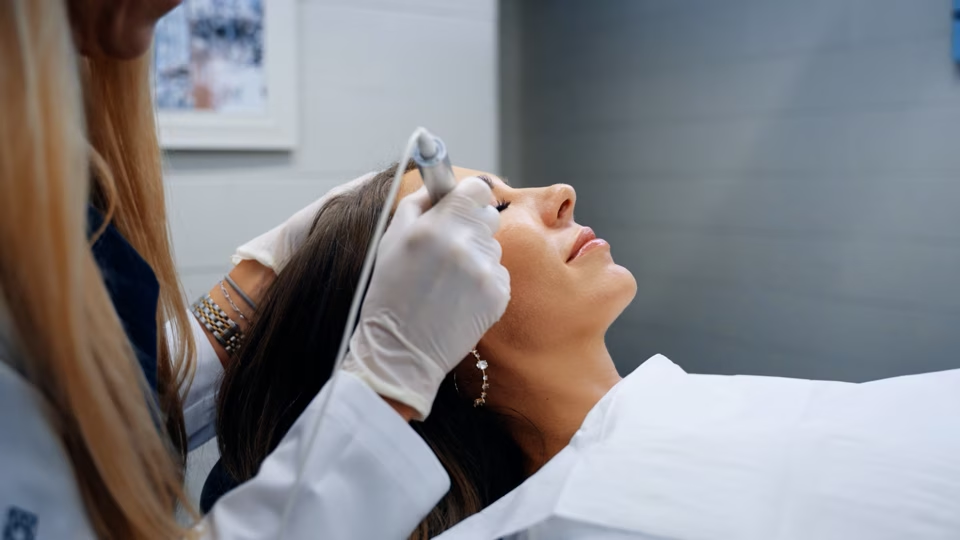
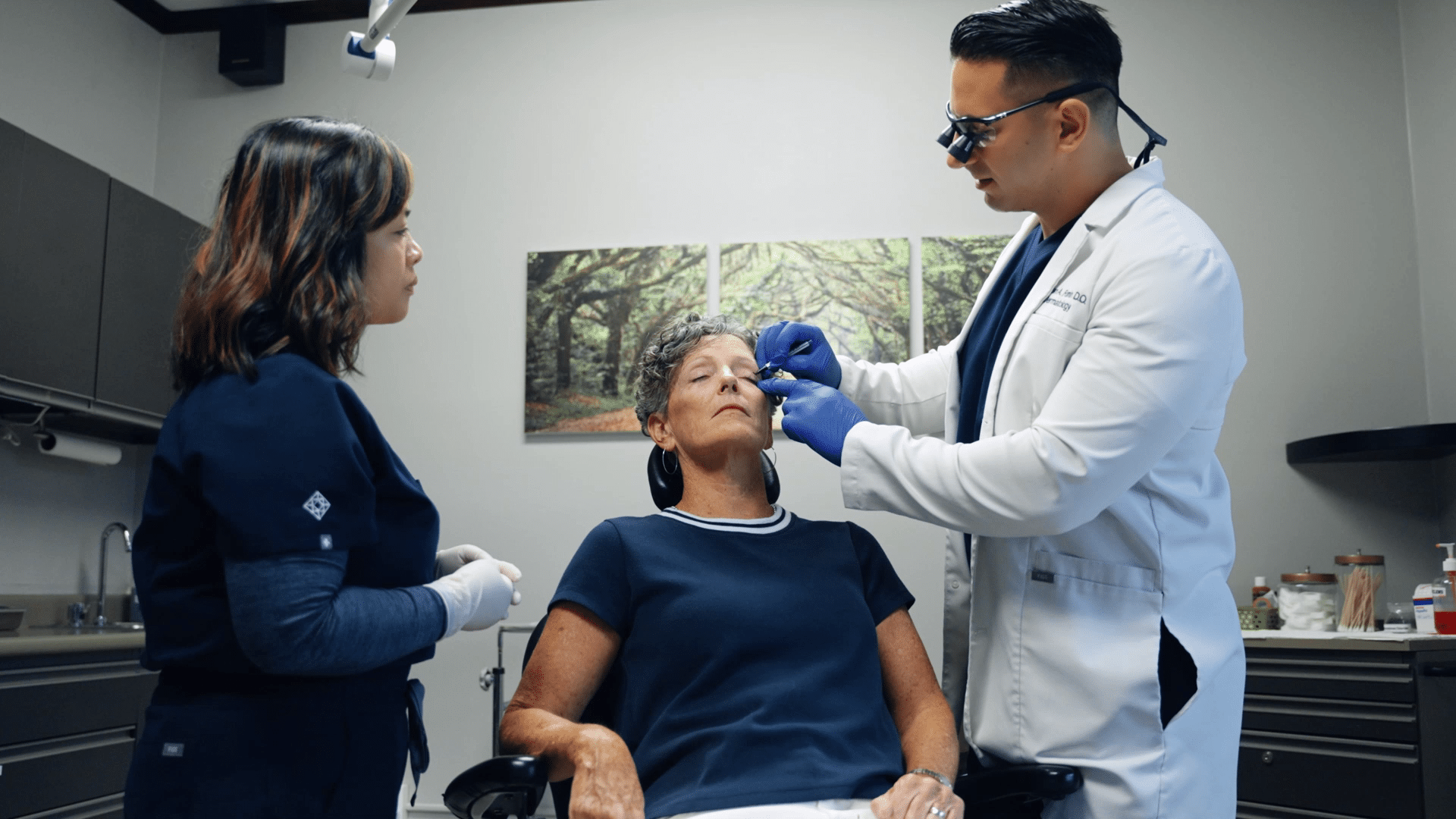
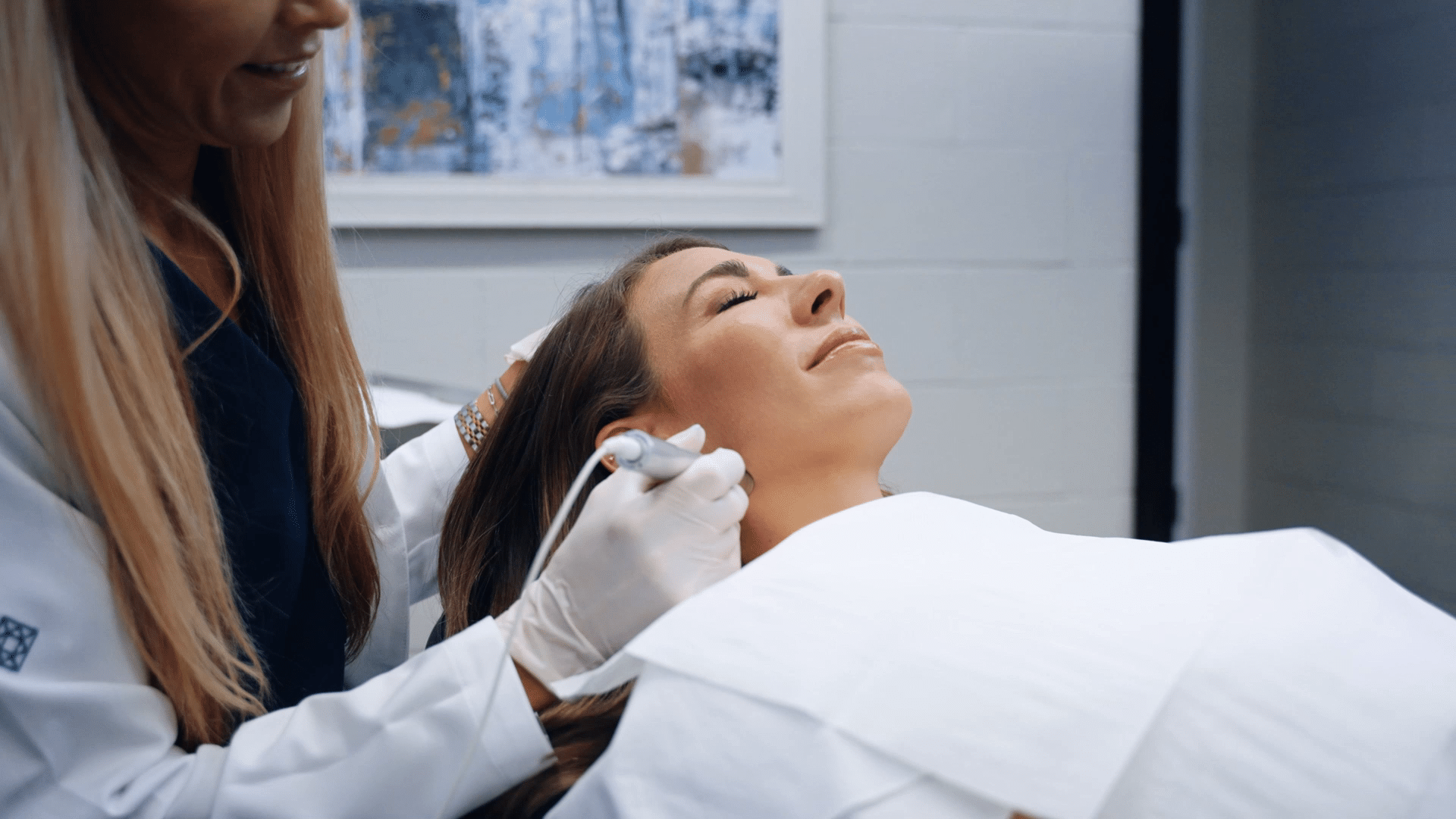
A dermatologist performs Mohs surgery on a patient, focusing on precise skin cancer removal and patient care in a medical clinic setting.
Essential Post-Operative Care
Post-operative care begins immediately after the surgery. Patients need to follow detailed instructions provided by their mohs surgeon. This care primarily focuses on maintaining cleanliness, preventing infection, and ensuring the wound stays moist to promote healing.
It’s important to regularly clean the surgical area with mild soap and water, apply any prescribed ointments, and cover the site with a fresh bandage. These steps are pivotal for an uneventful recovery. Frequent monitoring of the site helps detect any abnormalities early on.
Staying in close contact with your skin care specialist and adhering strictly to personalized recovery plans are keys to effective healing.
Helpful Recovery Tips
Utilizing the following tips can significantly enhance the recovery process:
- Keep the surgical area clean and dry: Cleaning the area gently and regularly is vital to avoiding infections.
- Follow your surgeon’s post-operative instructions: Each individual’s needs differ; adhere strictly to your specific care plan.
- Avoid strenuous activities: During recovery, patients should minimize physical stress to the operated area.
- Monitor for signs of infection: Redness, swelling, or discharge could indicate a developing infection that needs attention.
- Apply ointments as prescribed: Topical treatments promote healing by keeping the wound moist and protected.
- Stay hydrated: Water aids in faster recovery by ensuring the body functions optimally.
- Rest adequately: Proper rest supports overall healing processes and immune function.
- Attend follow-up appointments: Regular visits allow your surgeon to monitor healing and address any concerns.
By taking these recovery-enhancing steps, patients can expect a more comfortable and effective return to health.
Understanding Scarring
Post-surgical scars are a natural part of the healing process following Mohs surgery. Understanding how scars form and the factors that influence their appearance can help manage expectations. Scar tissue develops as part of the body’s effort to heal damaged skin. Factors such as the size of the incision, skin type, and healing rate can all influence scarring.
In many cases, scarring is minimal due to the precision of Mohs surgery, which is designed to preserve healthy tissue. Patients should engage in recommended scar management practices for optimal outcomes. A thorough understanding of scar development prepares individuals for an effective management plan.
Treatments for Scar Management
Various treatments can help minimize the appearance of scars. Options include topical creams, silicone gel sheets, and professional therapies like laser treatment. Consulting with a dermatologist is essential to tailor treatments to individual needs.
Using silicone gel sheets has been shown to effectively flatten and soften scars over time. Regular use, as recommended by your healthcare provider, enhances results. For more significant scar reduction, professional dermatology procedures might be required.
These treatments, combined with ongoing care, can significantly improve aesthetic outcomes and overall skin appearance.
When to Seek Professional Help
If a scar becomes raised, changes color, or causes persistent discomfort, professional intervention might be necessary. This could involve more advanced treatment options such as corticosteroid injections or laser therapy.
Consulting with a dermatology specialist early in the process ensures that any potential issues are addressed promptly. Staying informed about the available treatments empowers patients to make decisions that best suit their recovery needs.
Dietary Considerations
Nutrition plays a crucial role during the recovery from Mohs surgery. A balanced diet that supports healing should be rich in vitamins and antioxidants. Incorporating foods high in vitamins A and C, and zinc can enhance skin regeneration and immune function, aiding your recovery process.
Integrating a variety of fruits and vegetables ensures a robust intake of necessary nutrients. This can speed up healing and reduce post-operative inflammation. Avoiding processed and high-sugar foods can also prevent inflammation and support overall health.
By following these dietary guidelines, patients optimize their healing capabilities and support their bodies’ natural recovery processes.
Lifestyle Adjustments
- Increase your intake of fruits and vegetables: These are essential for providing vitamins and nutrients that support skin health.
- Limit processed foods: Reducing processed food intake minimizes harmful chemical exposure and supports healing.
- Stay away from alcohol and nicotine: Both can impair healing by affecting oxygen and nutrient supply to the skin.
- Practice stress management techniques: Stress can hinder healing, making management techniques critical to recovery.
- Engage in gentle physical activity: Light exercises enhance circulation and assist the healing process without over-stressing the body.
Following Up with Your Doctor
Routine check-ups are an integral aspect of recovery. Regular visits enable your doctor to evaluate your healing and make necessary adjustments to your care plan. For any concerns about progress, direct communication with your healthcare provider is encouraged.
By leveraging your doctor’s expertise, you ensure a comprehensive approach to healing that addresses both physical and emotional needs.
Follow these guidelines to maintain steady recovery and full return to daily activities with improved health and well-being.
Signs of Complications
Complications from Mohs surgery, while uncommon, can occur. It’s important to identify the signs of potential issues early. Symptoms such as excessive bleeding, increased redness, pus, or severe pain at the surgical site may signify complications that require immediate medical evaluation.
If you experience these symptoms, it’s crucial to seek advice from your healthcare professional promptly to avoid more serious outcomes. Awareness and vigilance are key to ensuring a smooth recovery.
Importance of Monitoring
Regular monitoring post-surgery allows for a proactive approach to care. Observing the healing process helps in identifying changes that may require professional attention. Check the site daily to ensure there are no unexpected developments.
When in doubt, consulting with a dermatology specialist can provide necessary guidance and reassurance. Ongoing observation allows for timely interventions that can prevent minor issues from becoming more severe.
When to Contact Your Doctor
Contact your doctor if there are unexpected changes in recovery, such as persistent neoplasms or any subpar progress. It’s essential to have open communication with your healthcare provider for addressing any concerns.
Leveraging professional advice minimizes undue stress and ensures a recovery process that adheres closely to medical recommendations. This guidance helps maintain patient confidence and peace of mind.
Emotional Health Considerations
Undergoing Mohs surgery can be a stressful experience, impacting not just physical health but mental and emotional well-being too. Patient recovery often requires emotional support to help manage feelings of anxiety or stress that may arise during the healing process.
Maintaining a positive mindset significantly contributes to overall recovery outcomes. Understanding that healing is a progressive journey can alleviate undue stress and encourage a measured approach to health improvement.
Supporting Mental Well-being
- Lean on your support network: Communicate with family and friends for emotional assistance and shared experiences.
- Consider counseling if needed: Professional guidance can provide coping strategies for managing stress and anxiety.
- Practice mindfulness and relaxation: Techniques such as meditation can reduce stress and promote mental balance.
- Engage in activities that boost your mood: Hobbies and interests can divert focus and enhance emotional well-being.
Online Support Groups
Support groups provide patients with valuable resources and shared experiences that can help ease the recovery journey. They offer the opportunity to connect with others who are undergoing similar experiences, fostering community and understanding.
Online forums and social media groups dedicated to Mohs surgery recovery may offer additional tools and tips shared by peers. These communities can be excellent resources for finding comfort and guidance through recovery.
Recommended Reading
Educating oneself about Mohs surgery and recovery techniques can empower patients to manage their healing process effectively. Recommended literature includes materials provided by board certified dermatologists and organizations focused on skin cancer treatment.
Webinars and articles on vascular laser therapy can also be beneficial, providing insights into the latest approaches and innovations in skin care.
Professional Resources
- Local dermatologists: Consult with skin care specialists for personalized recovery plans.
- Online forums for skin cancer patients: Engage with communities for personal stories and support.
- Patient advocacy organizations: These groups provide educational resources and support.
- Webinars related to skin care and healing: Attend lectures to stay informed on recovery strategies.
Accessing these resources can significantly contribute to informed decision-making during the recovery process.
Final Thoughts
Recovering from Mohs surgery requires patience and a proactive approach to healing. Embracing the provided tips and resources facilitates a smoother recovery process and minimizes stress. Remember that each recovery journey is unique, and focusing on consistent care practices makes a significant difference.
Engage actively with healthcare professionals and support groups to get the most out of your recovery path. Optimism and adherence to your surgeon’s advice lead to better outcomes and faster healing, enhancing overall quality of life and future health.
Staying Positive
- Celebrate small achievements: Recognizing progress, no matter how small, aides mental resilience.
- Keep a journal of your recovery: Documenting your journey can motivate and provide insights during follow-ups.
- Focus on the long-term benefits of your health: Remind yourself that these efforts contribute to your overall well-being.
Using these strategies encourages continual improvement in both physical and emotional health following Mohs surgery.
Frequently Asked Questions
During recovery from Mohs surgery, you can expect some redness, swelling, and minor discomfort around the surgical site. These symptoms are typical and should gradually improve within a few weeks. It’s important to follow your healthcare provider’s instructions for wound care to ensure proper healing. Resting and avoiding strenuous activities during the initial recovery phase can aid in a smoother healing process.
Post-operative pain can be managed with prescribed medications and over-the-counter pain relievers as recommended by your doctor. Keeping the surgical site clean and applying any prescribed topical treatments can also help in minimizing discomfort. Regular communication with your healthcare provider helps ensure pain management strategies are aligned with your recovery needs.
While complications are rare, they can include infection, excessive bleeding, or an allergic reaction to sutures or medications. Monitoring the surgical site for signs such as redness, swelling, and discharge is important. Any unusual symptoms should be reported to your doctor promptly to address potential issues early.
The initial healing period after Mohs surgery typically lasts about two to three weeks for most patients. Complete recovery, including skin restructuring and scar maturation, may take several months. Your recovery pace depends on various factors, including overall health, the complexity of the surgery, and adherence to your physician’s care instructions.
Yes, maintaining a balanced diet rich in vitamins and antioxidants can support the healing process. Foods high in vitamins A, C, and zinc are particularly beneficial for skin regeneration. Avoiding processed foods and hydrating sufficiently are also recommended to help facilitate a faster recovery.
Returning to normal activities should be gradual and based on your doctor’s advice. Typically, light activities can be resumed after a couple of weeks, but strenuous physical activity should be avoided until fully healed. Your healthcare provider will guide you on the safe timeline to resume specific activities.
Several treatments, such as topical ointments, silicone gel, and laser therapy, can be employed to manage and minimize scarring post-surgery. Consulting with a dermatologist is crucial to determine the best treatment strategy tailored to your particular needs and skin type.
Your surgeon’s contact information should be provided post-surgery for any concerns or questions during recovery. Most surgeons have a dedicated line or contact portal through which you can reach out for non-emergency queries. Ensure you know these details to address urgent issues promptly.