What is Mohs Surgery?
Mohs surgery is a highly specialized technique used to treat skin cancer with great precision. Named after Dr. Frederic E. Mohs, the procedure entails the removal of skin cancer layer by layer while preserving healthy tissue. This meticulous approach ensures that the cancerous cells are entirely eliminated, reducing the likelihood of recurrence and maintaining aesthetic outcomes.
This method is particularly revered for its high success rates in treating basal and squamous cell carcinomas. By focusing on microscopic control, Mohs surgery leads to better long-term results compared to traditional surgical methods. Patients often prefer this procedure because of its precision and the conservation of surrounding healthy tissue.
Importance of Mohs Surgery
The significance of Mohs surgery lies in its targeted approach to skin cancer treatment. It minimizes damage to the surrounding healthy tissues, which is crucial in highly visible areas such as the face, neck, and hands. Additionally, Mohs surgery has the lowest recurrence rates among skin cancer treatments, making it an essential component of a comprehensive skin cancer management plan.
Through early detection and treatment with Mohs surgery, patients can achieve better outcomes. For those looking to learn more about the Mohs surgery procedure, understanding its importance is crucial as it remains the gold standard for skin cancer treatment.
Recent Advances in Mohs Surgery
Recent years have seen remarkable advancements in Mohs surgery, enhancing both precision and patient comfort. Technological developments such as advanced imaging techniques allow surgeons to map cancerous areas more accurately. Furthermore, enhancements in anesthetics have increased procedural comfort, reducing recovery times and improving overall patient experiences.
These advancements have made Mohs surgery a preferred choice for those seeking treatment from a dermatology specialist. Improved outcomes have fueled its popularity, underscoring its critical role in clinical dermatology. As technology continues to advance, the procedure is expected to become even more effective in the fight against skin cancer.

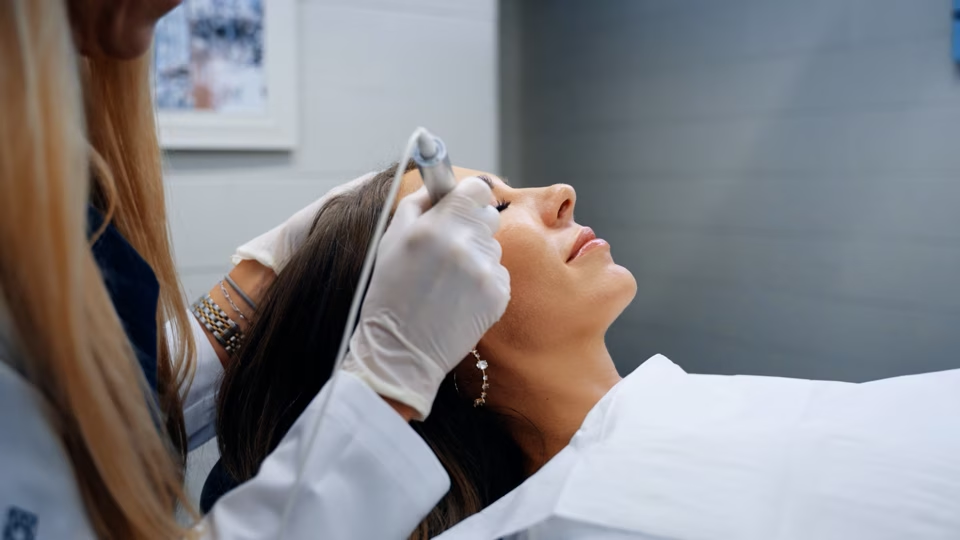
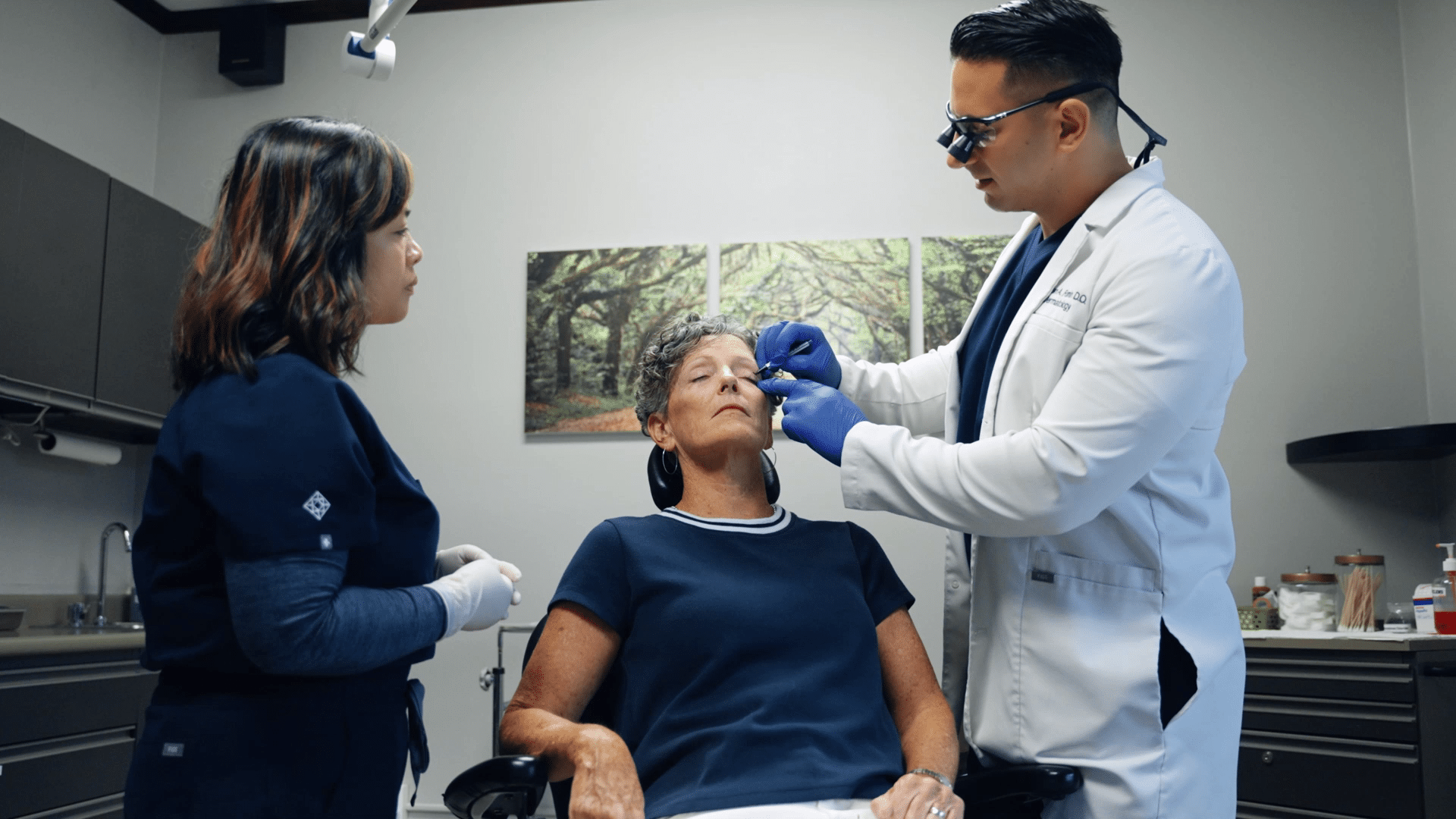
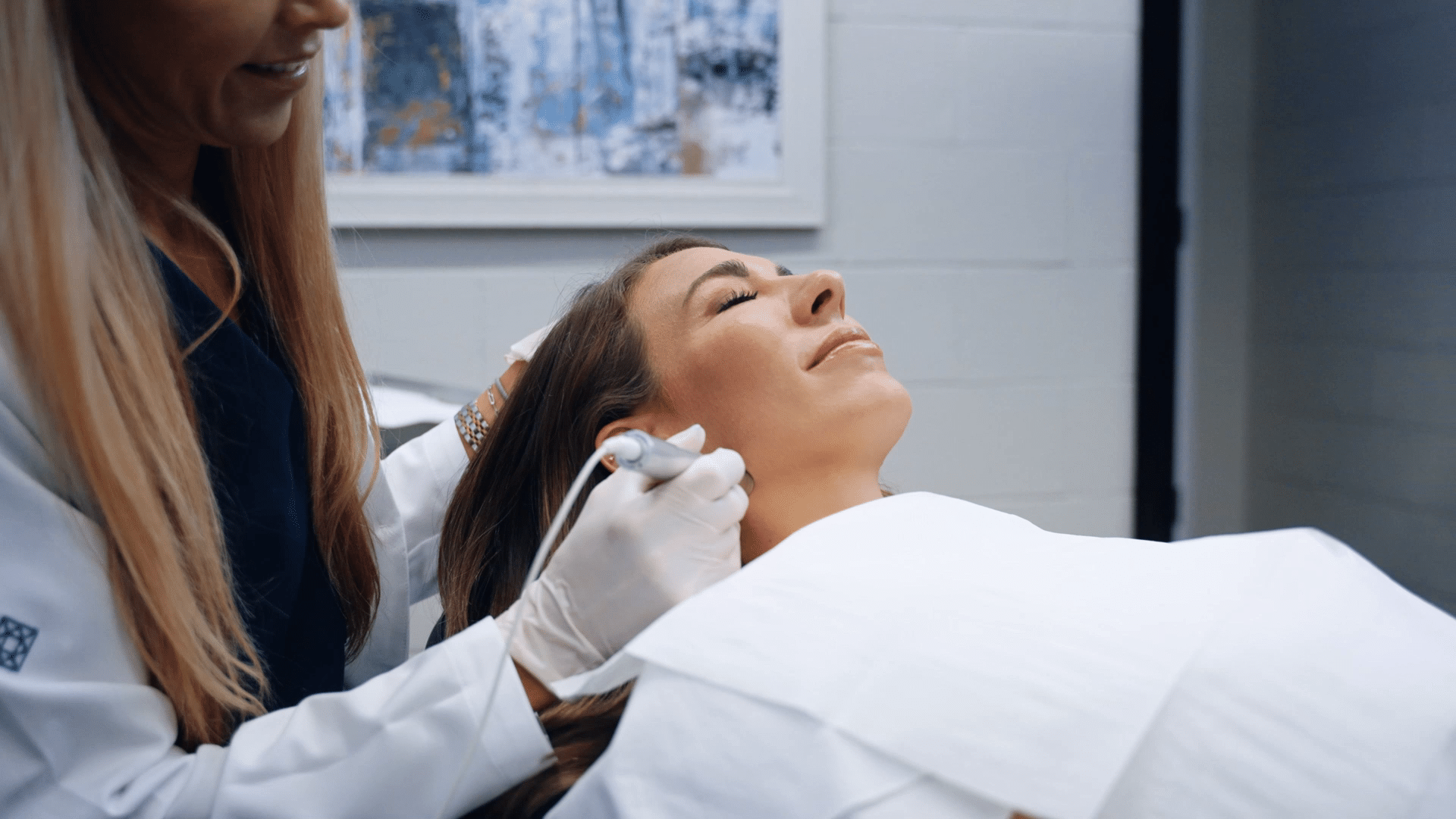
A dermatologist performs Mohs surgery on a patient, focusing on precise skin cancer removal and patient care in a medical clinic setting.
How Mohs Surgery Works
The procedure of Mohs surgery involves a series of precise steps performed by a highly trained Mohs surgeon. Initially, the visible tumor is removed, and the margins are thoroughly examined under a microscope. If cancer cells are detected, additional tissue is excised and examined until no more cancerous cells remain.
This iterative process ensures high degrees of accuracy in removing cancer while conserving as much healthy skin as possible. Such precision makes Mohs surgery an effective method for completely excising skin cancer.
Benefits of Mohs Surgery
Mohs surgery offers several compelling benefits:
- High Cure Rate: The procedure offers a cure rate of up to 99% for many skin cancers.
- Tissue Preservation: It only removes minimal healthy tissue, lending to better aesthetic outcomes.
- Immediate Results: Microscopic examination provides immediate confirmation, reducing anxiety for patients.
These benefits make Mohs surgery a preferred method for treating specific types of skin cancers, offering both functional and cosmetic advantages.
Who is a Candidate?
Mohs surgery is typically recommended for patients with skin cancer located in areas where tissue preservation is essential, such as the face. It is also suitable for cancers with a high risk of recurrence or those with distinct borders.
Individuals with previously treated skin cancer that has returned may also be ideal candidates for this procedure. Discussing with a dermatologist can help determine if Mohs surgery is the appropriate treatment path for a particular case. Conditions that require Mohs surgery often benefit from this advanced treatment approach.
Recovery Timeline
Recovery after Mohs surgery varies depending on the size and location of the excision, but typically, patients can resume normal activities within a week. The initial stages of healing involve swelling and minor discomfort, which usually subside within a few days. During this period, it’s important to follow post-operative care instructions to ensure optimal healing.
By adhering to the prescribed care regimen, patients can facilitate quicker recovery and minimize scar formation. In most cases, stitches are removed one to two weeks post-surgery, further progressing the healing process.
Post-Surgery Care
Proper care following Mohs surgery is crucial for effective healing.
- Follow-up appointments: Essential for monitoring healing and addressing any concerns.
- Wound care instructions: Adhering to care plans prevents infection and promotes effective healing.
- Signs of complications: Be aware of issues such as infection or unusual swelling.
- Pain management strategies: Over-the-counter medication can alleviate discomfort.
- Lifestyle adjustments: Limit strenuous activities until cleared by a doctor.
Comprehensive post-surgery care is a pivotal part of the recovery journey, ensuring reduced risk of complications and optimal results after Mohs surgery recovery.
Long-term Skin Care after Surgery
Long-term skin care following Mohs surgery is essential in maintaining skin health and appearance. Patients are encouraged to adopt a skin care routine that includes protection from the sun and regular skin examinations. Yearly check-ups with a dermatologist aid in the early detection of any new concerns.
Incorporating a balanced skin regimen helps prevent future skin issues, contributing to overall skin vitality. Enhanced care is vital for those with a history of skin cancer. Discussing acne treatment options with a dermatologist can also form part of a broader skin care strategy.
Alternative Treatments
While Mohs surgery is highly effective, some patients may explore alternative treatments based on personal preferences or specific medical recommendations. Options such as cryotherapy, excisional surgery, and laser treatments can be viable alternatives depending on the type and severity of the skin cancer.
Each alternative comes with its own discussion points regarding effectiveness, risks, and recovery time. Evaluating these options should involve a thorough consultation with a skilled dermatologist to understand the potential benefits.
Complementary Therapies
Incorporating complementary therapies can augment the effectiveness of traditional skin cancer treatments. Techniques include dietary supplements, stress management, and skin relaxation therapies. These approaches do not replace medical treatments but can enhance overall well-being and recovery.
Implemented alongside medical guidance, complementary therapies provide a holistic approach to cancer management, supporting the body’s healing processes.
Surgery vs Alternative Methods
When comparing Mohs surgery to alternative methods, several aspects should be considered:
- Superficial radiation therapy: Offers a non-invasive solution but may require multiple sessions.
- Topical treatments vs surgery: While non-invasive, these are typically only effective in the early stages of skin cancer.
- Benefits of combining approaches: Blending surgical and alternative methods can maximize treatment results.
- Patient preferences: Individual choices are influenced by lifestyle, tolerance for procedures, and physician guidance.
Patients might consider SRT vs surgery based on the specifics of individual cases. Collaboration with a dermatologist ensures that the chosen path aligns with both medical advice and patient comfort.
Technological Advances
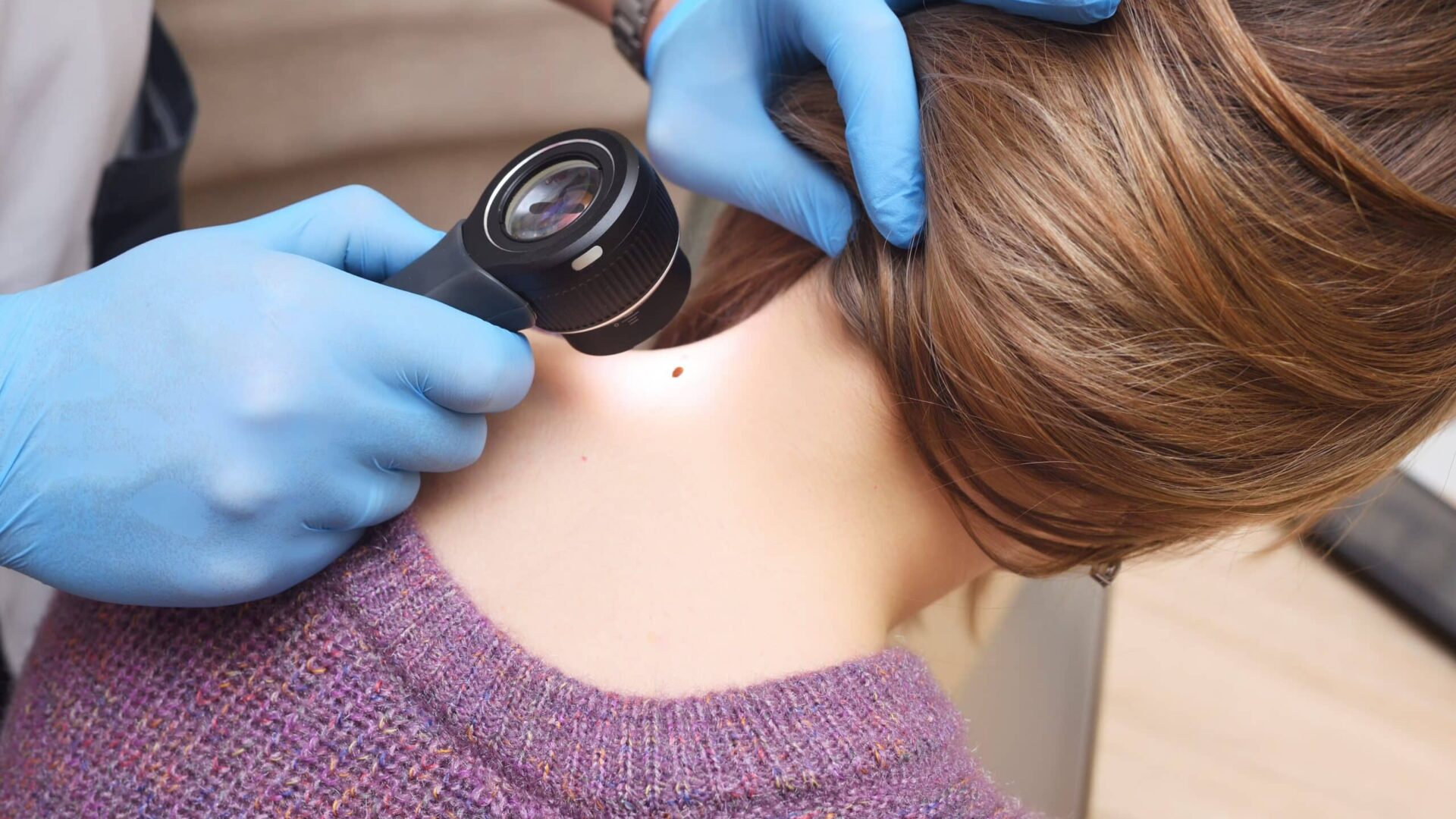
In recent years, technological advances have propelled Mohs surgery into a new era of precision. Tools like dermoscopy and confocal microscopy have improved visual accuracy, ensuring more targeted cancer cell removal while conserving healthy tissue. These innovations represent significant strides in dermatological technology.
Such advancements have not only enhanced the precision of Mohs surgery but have also increased its accessibility and reliability. The technological evolution in dermatology reflects a broader trend of adopting cutting-edge tools to improve patient outcomes.
Future Research Directions
Research in Mohs surgery is advancing rapidly, with studies focusing on improved diagnostics and minimally invasive techniques. Future directions include genetic research and personalized treatment plans that align with individual patient profiles. This research aims to further optimize surgical outcomes while reducing recovery times.
Efforts are also being made to integrate new therapies that complement Mohs surgery, broadening the scope of treatment options. Continuous innovation promises to make Mohs surgery more effective and accessible.
Potential Benefits for Patients
The ongoing advancements in Mohs surgery present numerous potential benefits for patients, from improved accuracy and reduced recovery times to enhanced cosmetic outcomes and increased patient comfort. These benefits can be particularly significant in sensitive skin areas where traditional surgery presents challenges.
As research and technological advances continue, patients can expect more personalized treatments with reduced risks and optimized results. Embracing ongoing developments enriches the options and experiences available to patients confronted with skin cancer. More information on related treatments, such as vascular laser therapy, offers additional insight into comprehensive dermatological care.
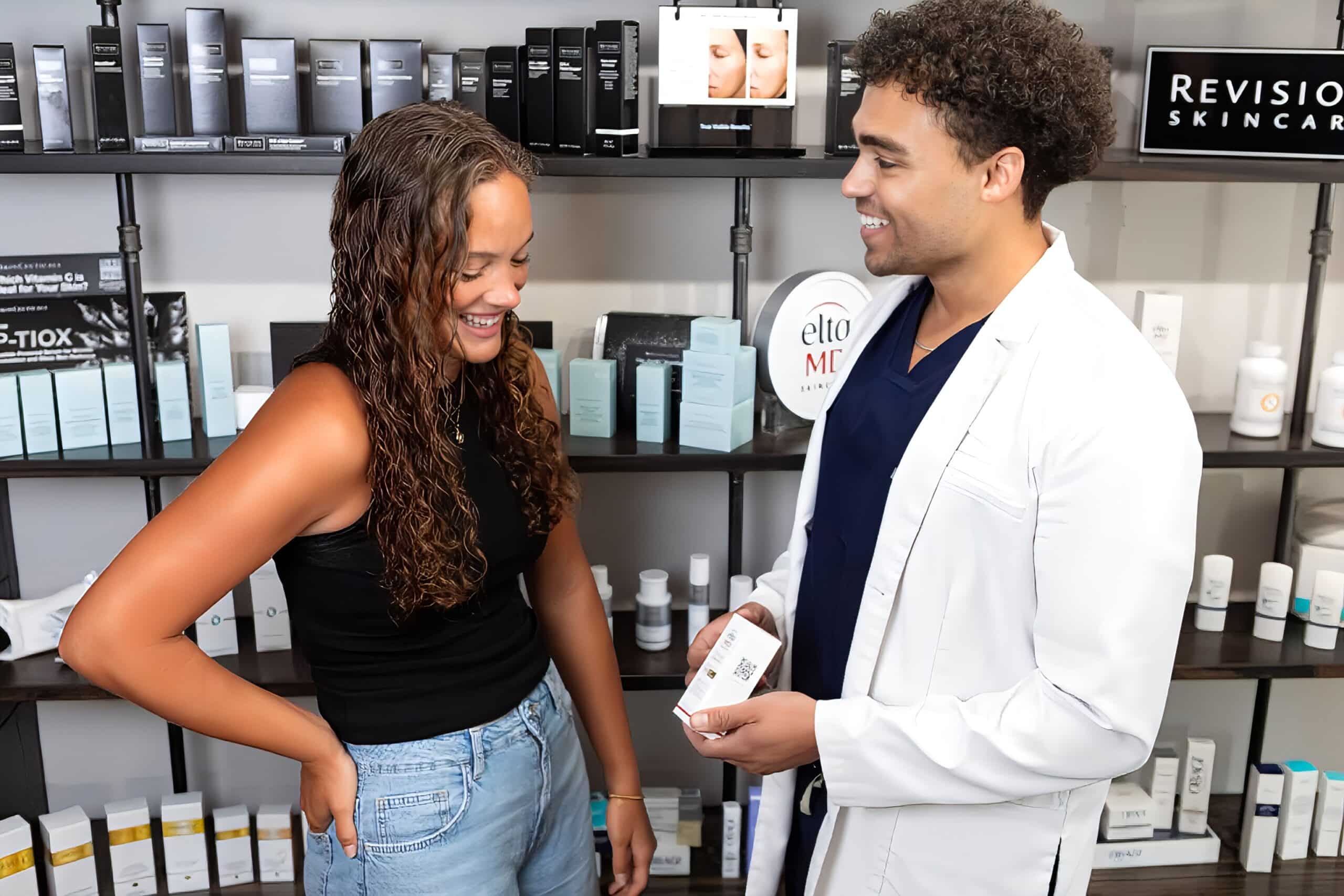
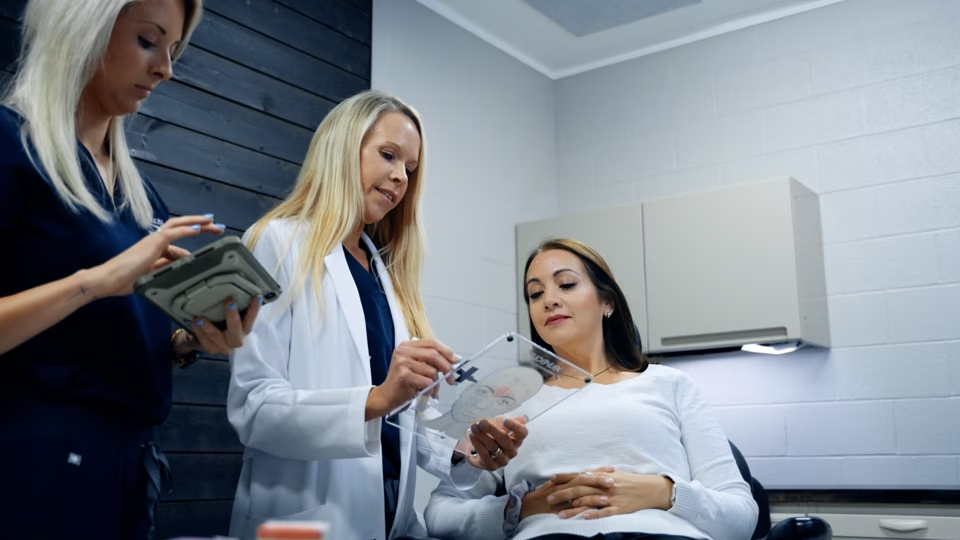
A dermatologist consults a smiling patient in a skincare clinic, discussing treatments and products displayed on shelves.
Summary of Key Points
Mohs surgery remains one of the most effective methods for skin cancer treatment, combining precision with high cure rates. Its surgical technique ensures complete cancer cell removal while preserving healthy tissue. Recent advancements have further enhanced its effectiveness and patient outcomes.
The procedure’s adaptability and precision make it a go-to treatment option in clinical dermatology, providing significant benefits for patients and physicians alike.
Importance of Consulting a Specialist
Consulting with a dermatologist experienced in Mohs surgery is crucial for anyone considering this procedure. Specialists possess the expertise to guide patients through the treatment process, ensuring optimal results tailored to individual needs.
Partnering with seasoned professionals in skin cancer treatment can make a remarkable difference in recovery outcomes. The personalized care and advanced skills of specialists ensure that patient health is in capable hands. For concerns related to chronic conditions like chronic wound care or diabetic foot ulcers, specialist consultation remains invaluable.
Frequently Asked Questions
Mohs surgery offers several benefits such as a high cure rate, maximal tissue conservation, and immediate results due to its microscopic analysis. It is especially beneficial for treating cancers on delicate areas like the face.
The entire process can take several hours depending on the case complexity, as tissue is processed and examined in stages. Patience is necessary as each Mohs surgery session ensures complete cancer removal.
Recovery generally involves minimal downtime. Patients can expect mild discomfort and swelling, which subside within a week. By following doctor’s instructions, recovery can be swift and complication-free.
Like all surgical procedures, Mohs surgery carries some risks, such as infection or scarring, but these are significantly minimized. Careful follow-up and compliance with recovery instructions reduce these potential risks.
Unlike traditional methods, Mohs involves a layer-by-layer removal with microscopic examination, which ensures complete cancer excision while saving healthy tissue. This makes it particularly suitable for cancers with high recurrence risks.
It’s suitable for areas where cosmetic preservation is vital, recurrent cancers, or those with indistinct borders. A board certified dermatologist can evaluate and decide if Mohs surgery is the best option.