Introduction to Superficial Radiation Therapy
What is Superficial Radiation Therapy?
Superficial radiation therapy (SRT) is an effective and non-surgical treatment option for skin cancer that utilizes low-energy radiation to target cancerous cells without affecting the surrounding healthy tissue. This therapy is commonly recommended at clinics focusing on clinical dermatology, such as Paragon Skin & Surgery, due to its precision and reduced side effects.
By offering a less invasive alternative to traditional treatments, SRT is particularly suitable for patients who might not be ideal candidates for surgery due to other health risks. It is a viable option offered at specialized dermatology clinics, helping patients achieve their healing goals with minimized impact on their daily lives.
How Does SRT Work?
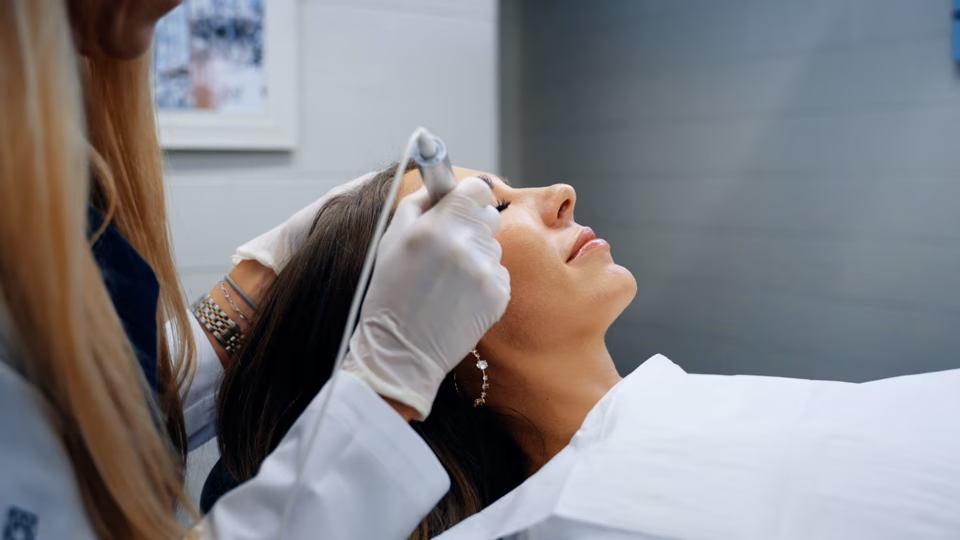
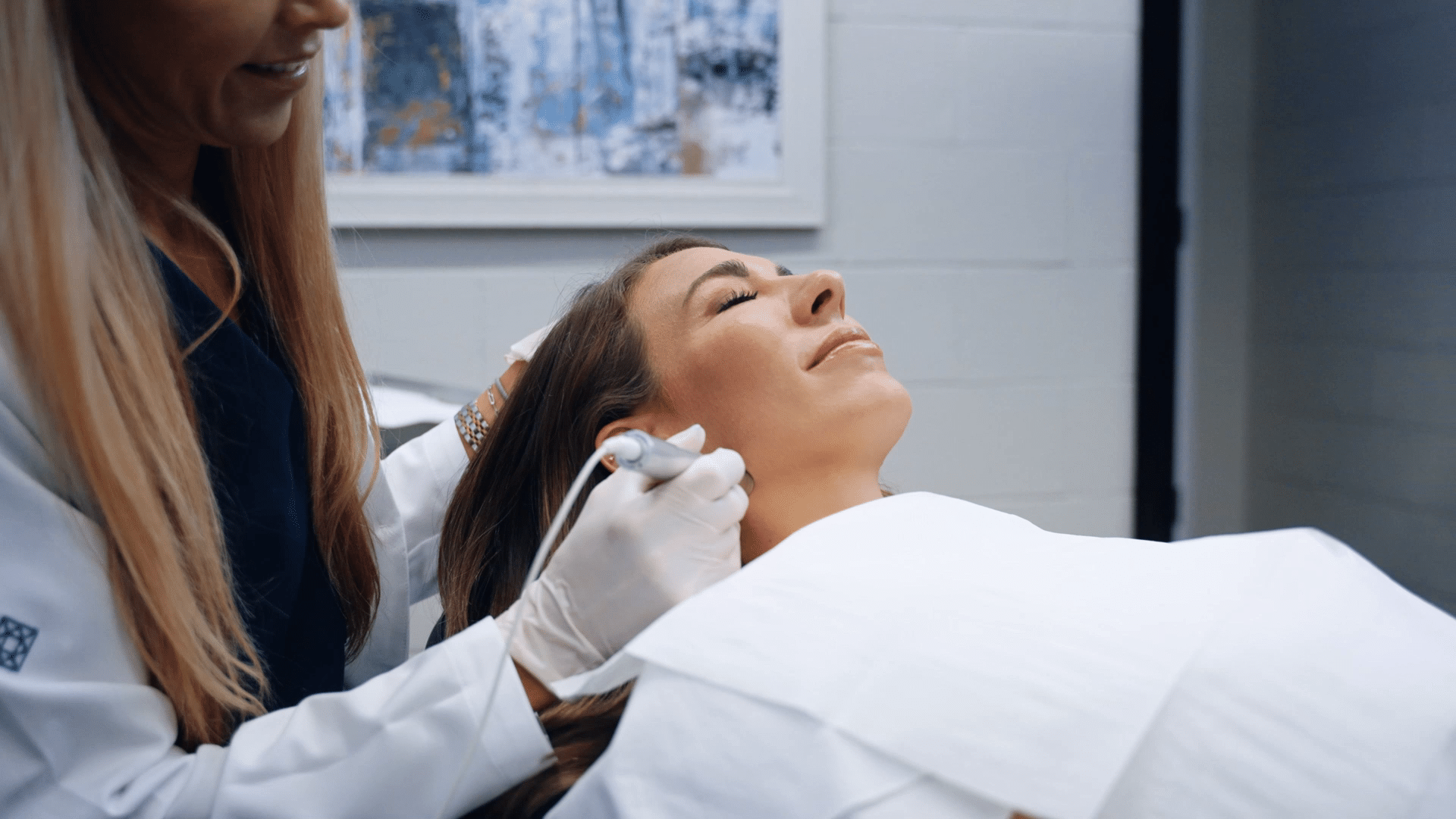
The SRT treatment process involves directing precise doses of radiation toward the skin’s surface to eliminate cancerous cells. This radiation penetrates just deep enough to reach the tumor while preserving the surrounding healthy tissue. Patients typically experience little discomfort during the procedure, which can be completed quickly and without the need for anesthesia.
During each session, dermatologists carefully calibrate the radiation equipment to offer maximum therapeutic effect while minimizing patient discomfort. This makes SRT an attractive option at skin and cancer clinics, providing a balanced approach between efficacy and patient comfort.
Conditions Treatable with SRT
Superficial radiation therapy is primarily used to treat non-melanoma skin cancers, such as basal cell carcinoma and squamous cell carcinoma. These types of cancers typically form on areas frequently exposed to the sun, such as the face, ears, and hands. By targeting only the affected areas, SRT helps manage these conditions effectively.
Moreover, SRT can also be beneficial for patients dealing with recurrent skin cancers, where surgical options might be less feasible. This adaptability ensures comprehensive care is available at specialized skin cancer clinics through advanced treatment processes.
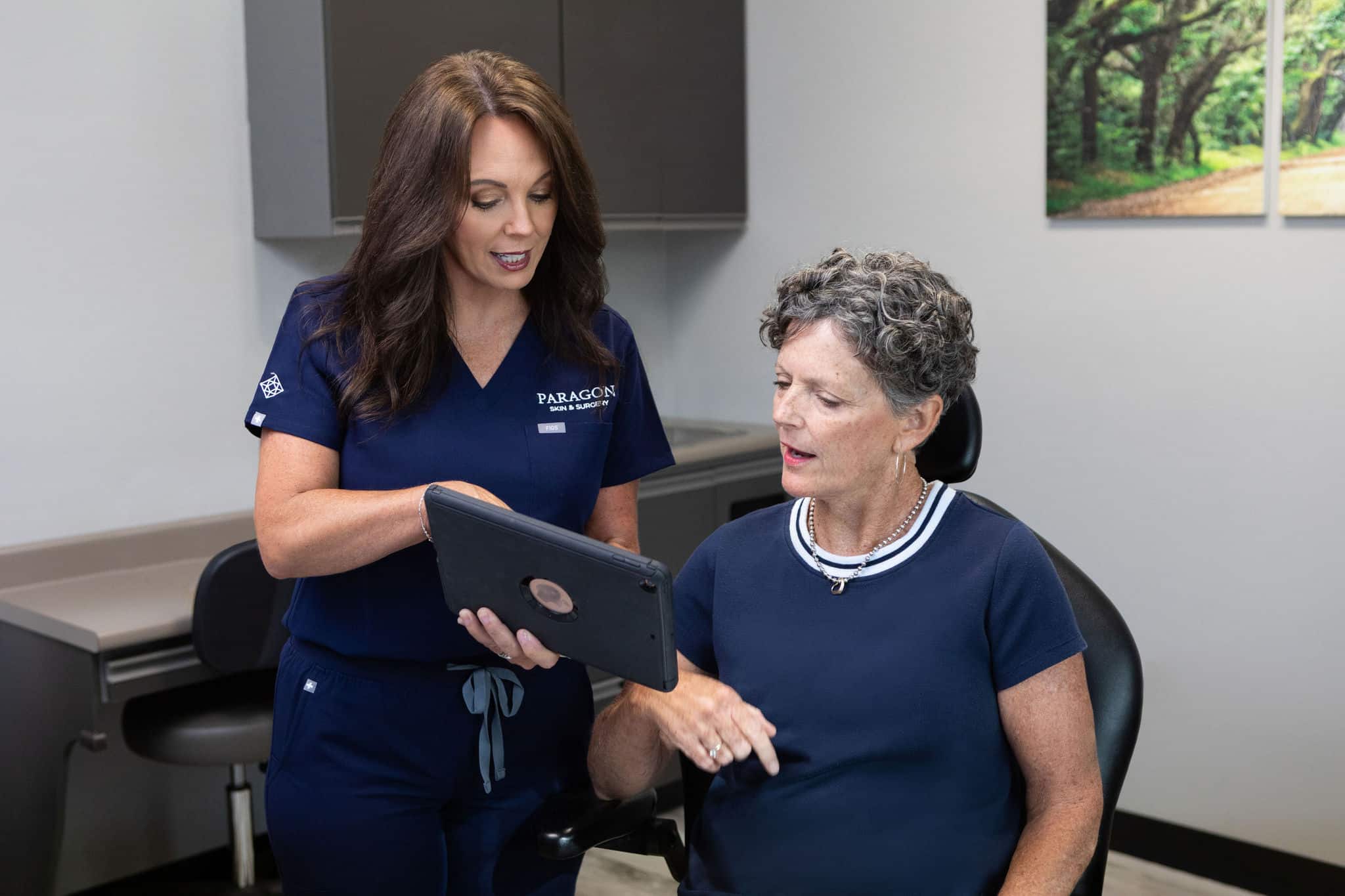
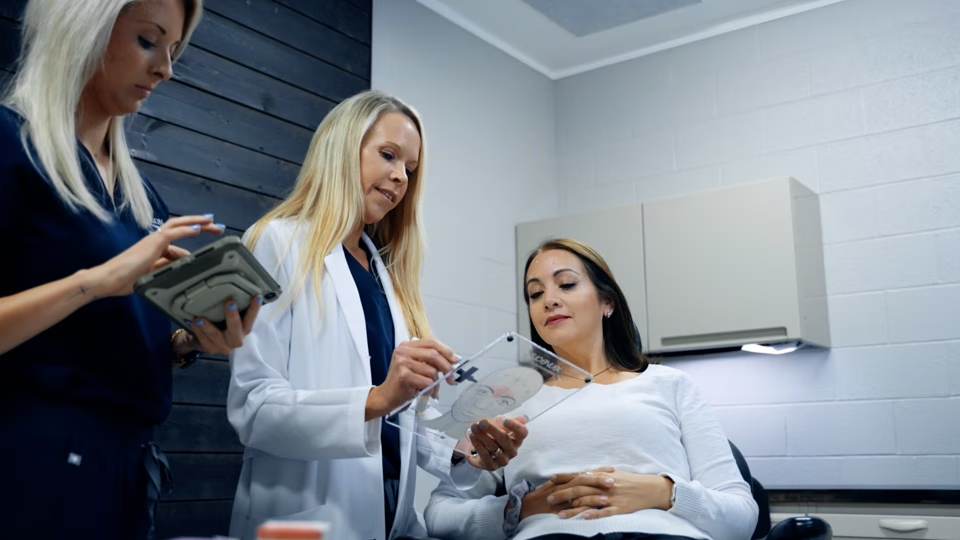
A dermatologist discusses treatment options with a patient while showing information on a tablet in a modern clinic.
Advantages and Disadvantages of SRT
Benefits of SRT
Superficial radiation therapy offers several advantages that make it a preferred choice for many patients diagnosed with skin cancer. Its non-invasive nature means there is no need for surgical incisions, which in turn eliminates the risks associated with surgery, such as infection and lengthy recovery times.
Because SRT does not require anesthesia, it is accessible to a broader range of patients, including those who may have contraindications for surgical procedures. This aspect of SRT has made it an attractive alternative to more invasive strategies, such as Mohs surgery, especially where the cosmetic outcome is a significant concern.
Potential Drawbacks
Despite its benefits, SRT comes with certain limitations. For one, patients often require multiple treatment sessions to achieve optimal results, which might extend the overall duration of the treatment plan compared to surgical options. Furthermore, specific aftercare protocols need to be adhered to in order to prevent any potential side effects.
It’s important to consider these potential drawbacks:
- Less invasive than surgery: Patients avoid the need for surgical procedures.
- No need for anesthesia: Offers safer treatments for patients who cannot undergo anesthesia.
- Reduced recovery time: Faster return to daily activities post-treatment.
- Skin irritation: Possible side effect due to radiation exposure.
- Multiple sessions required: Treatment might need to be repeated over weeks.
- Not suitable for all skin cancers: Particularly effective for non-melanoma types.
- Specific aftercare needed: Patients must follow care guidelines to ensure healing.
- Possible scarring: Not entirely free from cosmetic changes post-treatment.
Patient Considerations
Patients considering SRT must weigh these pros and cons carefully while consulting with their dermatologists at a skin care clinic. Factors such as the cancer’s location, patient’s skin type, and personal health should guide this decisionmaking process. Consulting with a dermatology specialist can further clarify when Mohs surgery might be necessary or when SRT is more appropriate.
This holistic approach ensures that the treatment aligns with the patient’s lifestyle and medical needs, fostering better outcomes and ensuring long-term skin health.
SRT Treatment Process
Preparation for SRT
Before beginning superficial radiation therapy, patients undergo a thorough consultation to assess their specific type of skin cancer and to discuss the treatment options available. The physician may also review the patient’s medical history and conduct a physical examination to ensure that SRT is indeed the most beneficial treatment.
Patients are often advised to avoid certain skin products and medications that could affect the treatment efficacy. Specialists will map out the precise areas to be treated, and these areas are often marked on the skin prior to starting the procedure.
During the Treatment
The actual SRT treatment sessions are typically brief, with each lasting about 10 to 15 minutes. During the procedure, patients sit comfortably while the dermatology technician administers the radiation therapy directly to the site of the cancerous tissue.
Since no anesthesia is required, the process is straightforward, and most patients report minimal discomfort. Specialized equipment is used to focus the radiation beam on the cancer sites, allowing the surrounding healthy tissue to be preserved.
Aftercare Instructions
Post-treatment care is crucial to the success of SRT. Patients may experience some skin redness or irritation, which usually subsides quite quickly. Medical professionals often recommend mild skin care regimens to manage these minor side effects.
Regular follow-up appointments at the dermatology clinic are necessary to monitor healing and to ensure no recurrence of the cancer. Patients are also guided on protective measures against future sun exposure, reinforcing holistic skin health approaches.
Understanding the role of the surgeon and post-treatment expectations will provide clarity and assurance about the effectiveness of skin cancer treatments.
Effectiveness of SRT in Treating Skin Cancer
Success Rates
SRT is renowned for its high success rates in treating non-melanoma skin cancers. With precise application, SRT has shown effectiveness in clearing cancerous cells without the need for more invasive procedures. This treatment is especially beneficial for older adults or those with medical conditions that make surgery risky.
These high success rates, evidenced by numerous patient outcomes, make SRT a preferred choice. Dermatology clinics often report favorable long-term results, with reduced recurrence rates in patients treated with this method compared to those solely relying on surgical interventions.
Types of Skin Cancers Treated
The primary type of skin cancer treated with SRT is non-melanoma skin cancer, especially basal cell carcinoma and squamous cell carcinoma. These cancers commonly appear on areas of the skin that receive significant sun exposure, such as the face and neck.
By offering a non-invasive solution, SRT is ideally suited for areas where cosmetic outcomes are critical. The treatment can also be employed for certain cases of in situ melanoma, under careful evaluation by dermatologists.
Factors Influencing Effectiveness
The efficacy of SRT is influenced by several factors which include the type and stage of skin cancer, as well as individual patient characteristics. Here are the key elements that impact its success:
- Type of cancer: Non-melanoma cancers respond best.
- Stage of cancer: Early-stage diagnoses have higher success rates.
- Patient’s overall health: Healthier patients may experience better outcomes.
- Skin type: Certain skin types might exhibit different responses to radiation.
- Treatment frequency: Consistent sessions enhance effectiveness.
- Compliance with aftercare: Adherence to post-treatment care is crucial for healing.
- Additional treatments required: SRT can complement other treatment methods for comprehensive care.
Ultimately, a personalized assessment is vital in determining the applicability and potential of SRT for each patient, ensuring the best outcomes through collaborative care.
Patients considering SRT can explore other acne treatment options or related to psoriasis care to address concurrent skin conditions effectively.
Cost Considerations for SRT
Typical Cost Overview
Understanding the cost structure of superficial radiation therapy is crucial before initiating treatment. Generally, the costs are determined per session, with the total expenses depending on the number of sessions prescribed by the treating dermatologist.
Insurance coverage varies widely, and it’s advisable for patients to consult their providers to understand potential out-of-pocket costs. Some clinics may offer financial assistance or payment planning to ease the burden of treatment expenses.
- Cost per session: Varies by provider and geographic location.
- Total treatment packages: Include all planned sessions for comprehensive care.
- Insurance coverage options: Some policies may partially or fully cover.
- Potential out-of-pocket costs: Patients should clarify with their insurance.
- Payment plans available: Clinics may offer flexible payment terms.
- Financial assistance programs: Available for qualifying patients.
Insurance and SRT
Insurance plays a pivotal role in covering the costs associated with SRT. Many health insurance plans cover medical treatments like SRT, though the extent of coverage can significantly differ. It’s recommended to directly communicate with the provider and verify how these treatments fit into existing health plans.
This diligence helps prevent unexpected costs and assists in managing the financial aspects of care effectively, making SRT accessible to more individuals.
Additional Financial Considerations
Patients should always discuss any additional fees that might arise during their treatment journey. This includes follow-up visits or any ancillary services required during the healing process.
By addressing these factors, patients can approach diabetic foot ulcers or pressure wounds with a clear understanding of their total investment in health care.
Long-Term Effects and Patient Experiences with SRT
Long-Term Outcomes
For many patients, the long-term outcomes of superficial radiation therapy are highly positive, with a significant reduction in cancer recurrence rates. Patients often experience improved skin appearance where treated, although some report minor changes in pigmentation or texture.
It’s crucial for patients to continue regular monitoring of their skin post-treatment, as this ensures early detection of any new cancer developments, thereby bolstering long-term success rates.
Patient Testimonials
Patients frequently share positive experiences with SRT, highlighting the ease and comfort of the procedure compared to surgical alternatives. Testimonies often emphasize the professionalism and care of the dermatology teams managing their treatment.
These experiences underline the effectiveness of SRT, not just as a cancer treatment but also a means to maintain a positive quality of life.
Comparative Studies
Numerous studies compare the success and side effects of SRT against traditional therapies like Mohs surgery. These studies typically focus on recurrence rates, patient satisfaction, and cosmetic outcomes, all of which consistently confirm SRT as a strong option.
Such studies help shape guidelines for its use, offering reassuring data for prospective patients about its efficacy in comparison to other treatments.
Entries about mohs surgery provide detailed avenues for personalized treatment plans across various skin types.
Choosing the Right SRT Provider
Key Qualities to Look For
When considering superficial radiation therapy, selecting the right provider is essential for a successful treatment outcome. An experienced and well-equipped dermatology clinic ensures high-quality care.
Here are some key qualities to look for in a provider:
- Experience with SRT: Providers should have a track record of successful treatments.
- Board certification: Ensures qualification and adherence to medical standards.
- Patient reviews: Offer insights into the provider’s care quality.
- Availability of modern equipment: Enables efficient and effective treatments.
- Clarity of treatment plans: Providers should offer detailed, transparent treatment pathways.
- Emergency care options: Important for managing any unforeseen reactions.
- Follow-up care protocols: Ensure continuity of care post-treatment.
Questions to Ask Your Provider
During consultations, ask specific questions to understand the provider’s approach and the details of the treatment process. Ask about their experience with SRT, the expected number of sessions, and about the management of side effects.
Inquiring about logistics, such as available appointment times and emergency contact protocols, also frames informed and confident decision-making.
Making Your Decision
Choosing a provider for SRT should be a thorough process, considering all factors discussed. Evaluate the professional background and personal comfort level you have with the provider.
A deliberate decision enriches the treatment journey, ensuring alignment with medical care goals. Considering insights from venues like dermatology vs med spa helps refine choices decisively. Understanding the mohs surgery recovery further illuminates treatment options.
Conclusion: Evaluating SRT for Your Skin Cancer
Final Thoughts
Superficial radiation therapy offers a compelling option for those facing non-melanoma skin cancers. Its non-invasive nature and high success rates make it particularly appealing to patients seeking effective treatment with minimal lifestyle interruption.
However, like any medical treatment, SRT should be carefully evaluated in consultation with a qualified dermatologist. Weighing its pros and cons helps individuals make informed decisions that best suit their health needs and personal circumstances.
Encouragement for Consulting Professionals
For anyone considering SRT, consulting with professionals at clinics like Paragon Skin & Surgery ensures a personalized treatment approach. Their expertise and comprehensive care pathways guarantee that patients receive not only treatment but also guidance and support throughout the process.
Considering expert advice, such as choosing a skin specialist or confirming a board-certified dermatologist, augments decision accuracy, fostering a more confident and informed healthcare journey.
Frequently Asked Questions
Superficial radiation therapy is a non-invasive treatment option that applies low-energy radiation to target and destroy skin cancer cells, specifically non-melanoma types, while sparing surrounding healthy tissue.
Each superficial radiation therapy session typically lasts between 10 to 15 minutes, with the entire course of treatment generally requiring multiple sessions spread across several weeks, depending on the specific medical case.
SRT is known for being a painless procedure, avoiding the discomfort often associated with surgical methods. Most patients experience a comfortable treatment with no need for anesthesia.
SRT is primarily used for treating non-melanoma skin cancers, such as basal cell carcinoma and squamous cell carcinoma, which are typically located on the surface layers of the skin.
Many insurance policies do cover SRT, but specific coverage depends on the provider and plan. It’s crucial for patients to verify in advance with their insurance company to understand coverage levels.
Post-treatment expectations include minor skin irritation or redness at the treated site. These effects are temporary, and following the dermatologist’s aftercare instructions minimizes discomfort and supports healing.
Preparation includes a consultation with your dermatologist to map out the treatment plan. Avoid certain medications and skin products as directed, and ensure you understand the procedure details and aftercare requirements.