Introduction to Choosing a Skin Specialist
Choosing the right skin specialist is crucial for maintaining healthy skin. Not only do these professionals play a pivotal role in treating various skin conditions, but they also provide essential guidance for achieving optimal skin health. By understanding the role of a skin specialist and recognizing the importance of qualified care, you can make informed decisions regarding your dermatology needs.
Understanding the Role of a Skin Specialist
Skin specialists, also known as dermatologists, are trained to diagnose and treat a wide array of skin conditions ranging from acne to more serious diseases like melanoma. They use their expertise to recommend treatments that are tailored to individual needs, ensuring both effectiveness and safety.
Additionally, dermatologists also focus on preventive care, helping patients avoid potential skin issues through proactive measures. This includes regular check-ups and maintaining a skincare routine that suits your specific skin type and conditions. For surgical aspects, such as skin cancer removal, a Mohs surgeon might be involved depending on the scenario. More about this role can be found in our detailed guide on the Mohs surgeon role.
It’s vital to understand that a dermatologist’s role extends beyond treatment to include skin preservation and enhancement. They offer cosmetic procedures such as laser therapy and anti-aging treatments, broadening their scope of care.
Importance of Qualified Care
Receiving care from a qualified skin specialist ensures you are subject to professional and reliable treatment options. A board-certified dermatologist, for instance, is a credential you should seek when choosing a provider. This certification signifies rigorous testing and a commitment to maintaining high standards in dermatology care.
Qualified care also means access to the latest and most advanced treatment methods. Dermatologists are constantly enhancing their knowledge and skills to incorporate new therapies into their practice. Whether it involves learning new techniques or understanding emerging trends in skin care, such as the updated roles after board certification, which can be explored in our section on board-certified dermatologists.
Patient safety and treatment efficacy are always the primary focus of qualified dermatology care, ensuring a higher likelihood of positive outcomes.
What to Expect in Dermatology Care
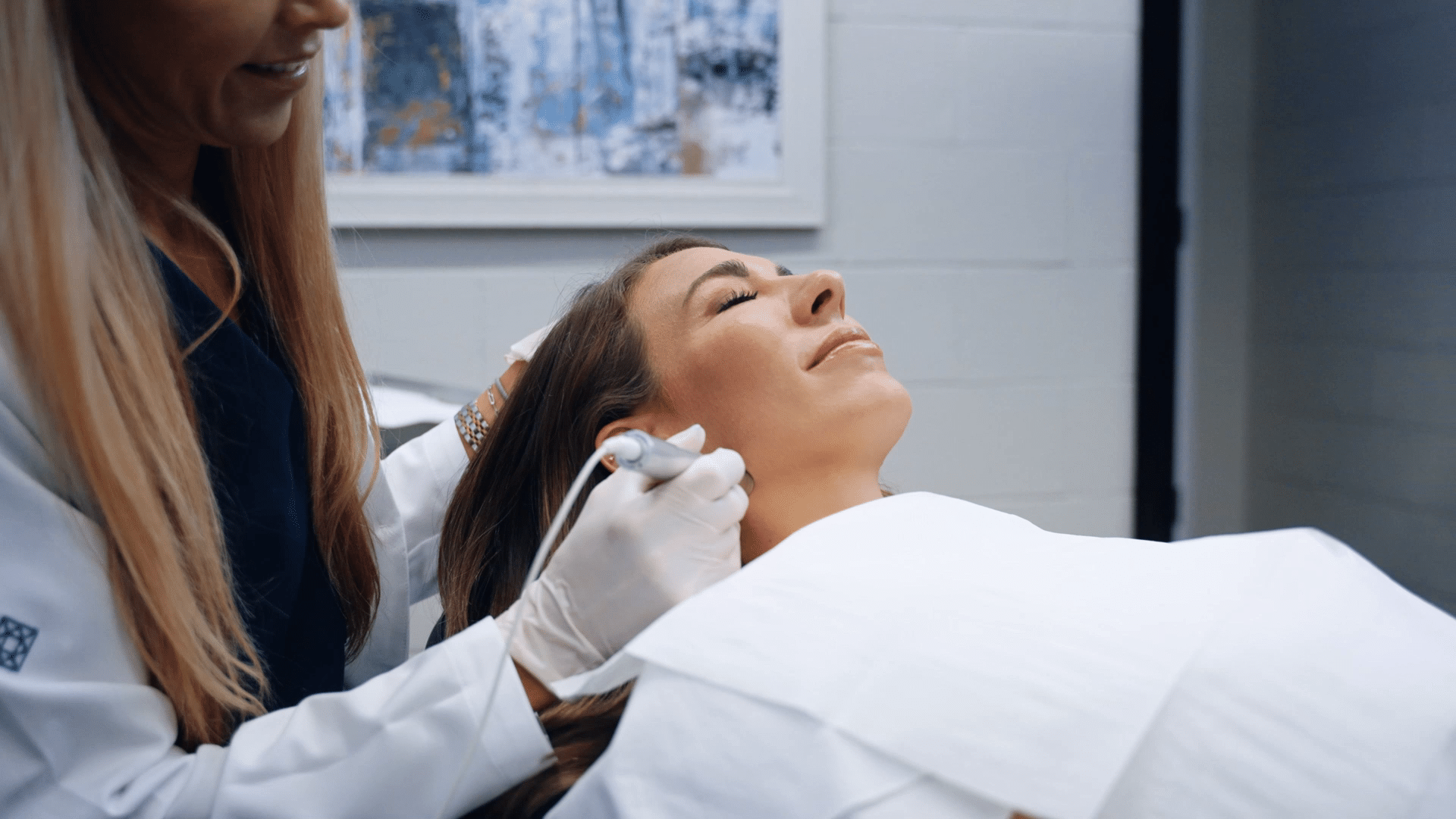
During your visits to a dermatology office, you should expect comprehensive care that covers diagnosis, treatment, and follow-up. The initial consultation involves a thorough assessment of your medical history and current skin conditions to tailor customize your care plan.
Treatments might range from topical medications to advanced procedures depending on the diagnosis. Patients are encouraged to ask questions and express concerns to better understand the care they will receive. A strong communication channel between you and your dermatologist helps ensure transparency and mutual understanding.
Regular follow-up appointments are critical to track progress and make necessary adjustments to treatment plans. Your dermatologist will inform you about any changes required and help manage your condition effectively over time.

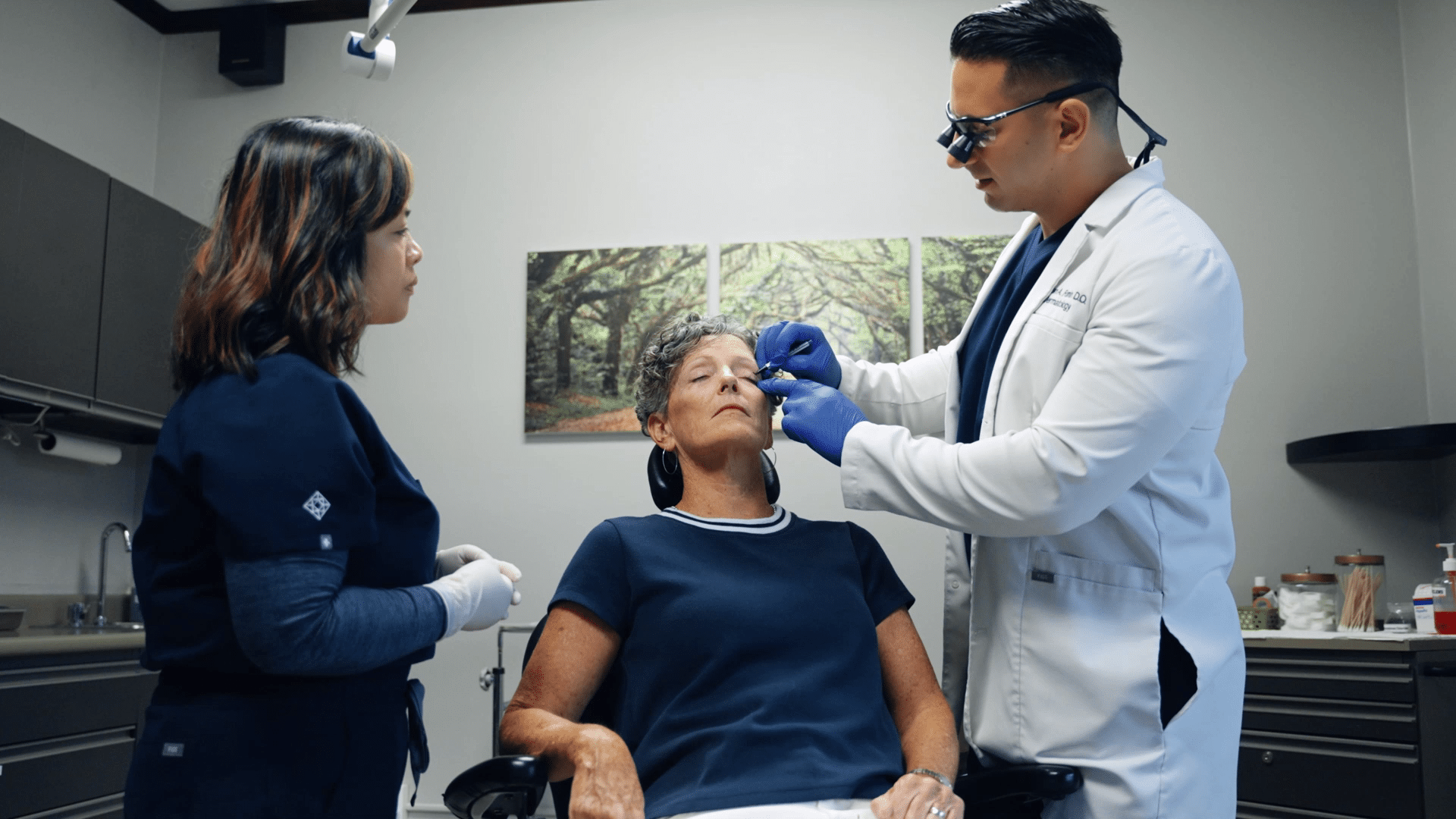
A doctor performs upper blepharoplasty on a patient in a clinic setting, highlighting the importance of eyelid surgery for improved appearance.
Key Qualifications of a Good Skin Specialist
When selecting a skin specialist, it is essential to consider their credentials and professional qualities. Ensuring that your provider is well-qualified can significantly impact your skin health outcomes. The credentials and qualities of your dermatologist play a vital role in the level of care you receive.
Essential Credentials
The first step in choosing a skin specialist is verifying their qualifications. A board-certified dermatologist has undergone extensive training and has passed rigorous exams to earn this distinction. Additionally, some dermatologists may have sub-specialties in areas such as cosmetic dermatology or pediatric dermatology, providing more focused expertise.Dermatology vs. med spa services differ significantly, with the former requiring stringent educational and professional requirements.
Inquire about any ongoing education or participation in professional organizations, which showcases their commitment to staying updated with the latest in dermatology science. Staying informed about new treatments and innovations is critical for providing the best patient care.
Key Qualities of a Good Skin Specialist
Selecting a dermatologist with great qualities ensures a comfortable and successful treatment journey:
- Board Certification: Ensure the dermatologist is certified by accredited boards, reflecting skill and knowledge.
- Experience in Dermatology: Years of practice can reflect proficiency in handling diverse skin issues effectively.
- Specialization in Skin Conditions: Specialists may focus on specific conditions, offering targeted solutions for better outcomes.
- Effective Communication Skills: Ability to explain conditions and treatments clearly denotes a good specialist.
- Patient-Centric Approach: Priority on patient comfort and satisfaction reflects in patient-centric care.
- Updated Knowledge on Treatments: Being informed about the latest treatments enhances care quality and options.
Evaluating these qualities will significantly aid in your decision-making, ensuring that you entrust your skin health to a capable professional.
Importance of a Good Rapport
Establishing a good rapport with your dermatologist is crucial for effective treatment and successful outcomes. Open communication builds trust, allowing you to feel more comfortable in discussing your concerns and expectations.
A good rapport facilitates a collaborative approach to treatment, where your preferences and concerns are taken into consideration. Regular interactions over time foster a relationship that can lead to more personalized care and understanding of your unique skin needs.
Moreover, having a dermatologist with whom you communicate effectively helps address issues promptly and effectively. Building this connection is mutually beneficial, enhancing the overall care journey and results.
Understanding Treatment Options with Skin Specialists
Exploring treatment options is a crucial step in skincare management. Dermatologists offer a comprehensive range of treatments designed to address various skin conditions and aesthetic concerns effectively. Understanding these options helps you make informed choices alongside your specialist.
Common Treatments Offered
The treatment landscape in dermatology is vast and varied, catering to medical and cosmetic needs. Medical treatments focus on issues such as acne, eczema, and psoriasis, using medication and topical treatments to manage symptoms effectively. Learn more about psoriasis care for detailed insights.
Cosmetic procedures offered by dermatologists include chemical peels, laser resurfacing, and injectables like botox and fillers for aesthetic enhancements. Additionally, they provide advanced treatments such as MOHS surgery for skin cancers, ensuring comprehensive care from prevention to treatment.
Regular consultations allow dermatologists to tailor these treatments to individual needs, leveraging the latest techniques and technologies for optimal results.
How to Choose Treatments
Choosing the right treatment requires understanding and evaluation of multiple factors:
- Consider Your Skin Type: Know your skin’s needs to choose appropriate treatments correctly.
- Evaluate Treatment Goals: Define what you aim to achieve, whether it’s medical improvement or aesthetic enhancement.
- Consultation with Specialist: Expert input is crucial for choosing suitable treatments based on professional assessment.
- Understanding Risks and Benefits: Evaluate the potential outcomes and risks involved to make a balanced decision.
- Budgeting for Treatment: Consider financial aspects to ensure affordability and financial planning.
- Long-Term Care Considerations: Some treatments may require ongoing care and follow-ups for sustained results.
- Follow-Up Procedures: Plan for any additional sessions needed to maintain or enhance outcomes.
- Realistic Expectations: Understanding what can and cannot be achieved avoids dissatisfaction.
By thoroughly analyzing these aspects, you align treatment choices with personal goals and medical advice.
Patient Rights and Responsibilities
As a patient, understanding your rights and responsibilities is pivotal for a successful dermatology care experience. Every patient has the right to informed consent, meaning you should receive full disclosure about the treatments, including potential risks and expected outcomes.
Responsibilities include adhering to prescribed treatment plans and maintaining follow-up appointments to ensure continual progress monitoring. Open communication with your specialist about any side effects or concerns also plays a significant role in effective treatment management.
Being proactive and collaborative with your specialist guarantees a more positive experience and beneficial results from your dermatology care.
Consultation Process with a Skin Specialist
The consultation process is your opportunity to build a foundation of trust and understanding with your skin specialist. During this time, vital discussions about your condition and treatment options occur, making it essential to know what to discuss.
What to Discuss During the Consultation
During your first visit, it’s crucial to have a clear communication path with your dermatologist. Discuss your medical history comprehensively, highlighting any existing allergies or treatments you are undergoing. Open the conversation about skincare goals and any specific concerns. Eczema management might be one area to explore during these discussions if applicable to your needs.
Expressing your expectations from the treatments and voicing any fears helps in setting realistic outcomes. A transparent dialogue ensures the treatments prescribed are in line with your desires while being medically sound.
Assessment of Skin Conditions
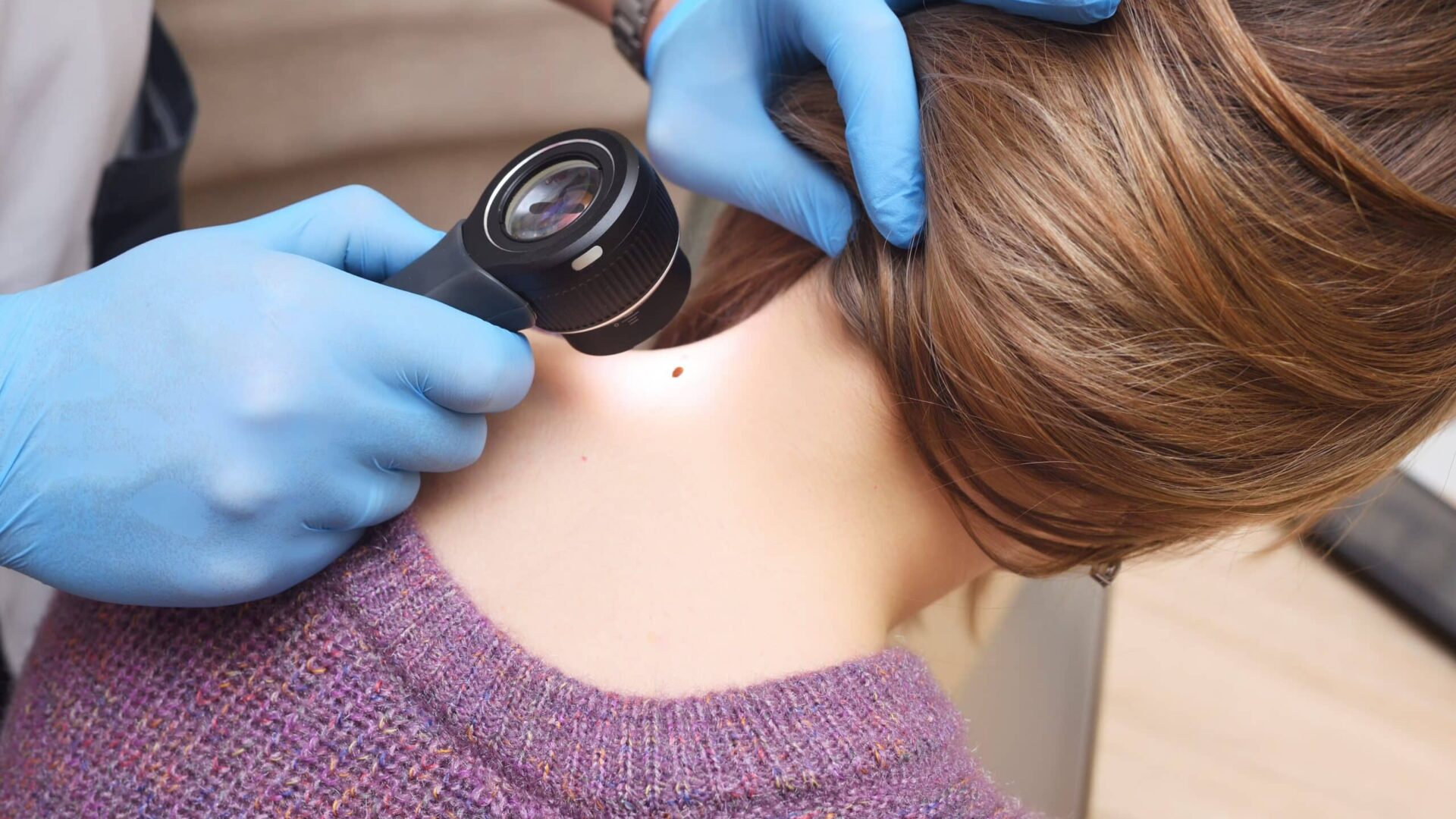
A thorough assessment is conducted to evaluate the current state of your skin condition. This involves a detailed examination to diagnose issues accurately and determine their extent. Such assessments help in crafting a tailored care plan that suits your specific needs.
Questions about daily skincare routines, lifestyle choices, and environmental factors contribute to the dermatologist’s understanding of your skin’s health. This information assists in creating a comprehensive treatment plan that includes prevention and maintenance strategies.
Through detailed evaluations, specialists can determine the best course of action for improving and maintaining your skin’s health.
Evaluating Treatment Options
The evaluation process involves discussing potential treatment options available for your condition. This crucial step involves understanding the variety and nature of treatments, including the risks involved and the benefits they bring.
Cost implications and the time required for each session must also be dissembled during this phase. Such transparency ensures you are well-informed, paving the way for a smooth treatment journey.
Collaborating on choosing a treatment plan that balances effectiveness and feasibility is essential for successful skincare. This process marks the beginning of a focused and results-oriented treatment plan.
Ongoing Care and Monitoring of Skin Conditions
Effective skin treatment doesn’t end after the initial procedure or therapy; it necessitates consistent care and follow-up. Understanding the importance of follow-up appointments can significantly enhance the success of ongoing skin health management.
Why Follow-Up Appointments Matter
Follow-up appointments are essential for monitoring the progress of treatments and detecting any unwanted side effects early on. Such regular check-ups enable your dermatologist to adjust treatments as needed to optimize results and ensure safety.SRT treatment process often requires ongoing evaluation to tailor the approach continuously.
These appointments provide an opportunity to ask questions and receive clarifications about the care regimen. Adjustments might include modifying dosages or introducing new preventive strategies to protect against potential regressions.
Managing Skin Health Post-Treatment
Maintaining skin health after treatment involves continuous assessment and adopting an effective skincare routine:
- Regular Skin Assessments: Frequent evaluations help track improvements and identify issues early.
- Keeping Track of Changes: Documenting any changes helps in adjusting care strategies promptly.
- Adjusting Treatment Plans: Dynamic modifications ensure the treatment remains effective over time.
- Lifestyle Considerations: Incorporating healthy lifestyle changes supports the overall skin health journey.
- Protection Against Solar Damages: Continuous protection is critical to prevent sun-induced skin problems.
- Product Usage and Recommendations: Using dermatologist-recommended products maintains and enhances skin health.
- Maintaining a Healthy Skincare Routine: Adhering to a structured regimen reinforces treatment benefits.
- Consulting for New Concerns: Promptly addressing any new symptoms or changes minimizes risks.
Developing an effective post-treatment strategy alongside your dermatologist ensures sustained benefits and skin health improvements.
Benefits of Consistent Care
Consistent care and regular appointments are vital for managing chronic skin conditions and preventing recurrences. This discipline ensures that skin ailments are kept in check, improving overall quality of life. Regular monitoring helps in maintaining treatment efficacy while adapting it over time.
Persistent care leads to long-term improvements and sustained treatment benefits, making it an integral aspect of any dermatological care plan. Being conscious and proactive in your approach rewards you with healthier skin and confidence.
Evaluating Success Stories and Patient Testimonials in Skin Care
Patient testimonials and success stories provide insightful reflections on a dermatologist’s efficacy and the treatments’ success. Understanding how these experiences influence treatment choice can help build confidence in your decision-making process.
Importance of Patient Feedback
Patient feedback is invaluable as it provides firsthand insights into treatment experiences and their outcomes. Reviews and testimonials paint a realistic picture of what to expect from both the dermatologist and the procedures they perform, which is crucial for setting your expectations.
It also highlights the level of satisfaction among patients, aiding others in assessing service quality and treatment efficacy. These testimonials often share real patient experiences, showcasing the caring approach dermatologists might take, which a simple consultation could miss.
Recognizing Positive Outcomes
Interpreting positive outcomes from patient stories is essential for understanding the impact of treatments:
- Real Patient Experiences: Experiences shared by patients offer genuine insights into the care provided.
- Success Rates of Treatments: Reports on success rates reflect a dermatologist’s proficiency and reliability.
- Before and After Photos: Visual documentation supports evaluation of treatment effectiveness.
- Long-Term Care Stories: Accounts of long-term improvements reinforce treatment credibility.
- Patient Satisfaction Reports: High satisfaction indicates quality service across various treatment types.
- Impact on Quality of Life: Positive impacts underline the transformational potential of effective dermatology care.
Through patient feedback, potential clients gain a deeper understanding of treatment impact and practitioner skill.
How to Gather Effective Testimonials
Gathering testimonials requires strategic engagement with patients who have undergone treatments. Encourage them to share specific improvements they have experienced and how the treatment has benefited their overall skin health. These are pivotal in informing potential patients about realistic outcomes.
Ensuring diversity in the testimonials gathered, reflecting a range of procedures and outcomes, leads to a comprehensive understanding of a dermatologist’s capabilities and patient service approach. Strategic sharing of these testimonials also fosters community trust and offers reassurance to new patients considering their treatment options.
Conclusion and Closing Thoughts on Choosing the Right Skin Specialist
Choosing the right skin specialist involves thoughtful consideration of various factors, including the qualifications and qualities of the dermatologist, the variety of treatment options available, and ongoing patient care management. By learning from patient testimonials and feedback, you can gain confidence in the choices you make regarding your skin health.
Key Takeaways
Throughout this guide, we’ve discussed the importance of verifying a dermatologist’s credentials, recognizing quality in care and treatment options, and understanding the benefits of ongoing care. It’s essential to choose a skin specialist who is not only knowledgeable but also invests in a patient-centric approach to care. Continuing to educate yourself about potential treatments ensures that you are an active participant in your skincare journey.
Final Recommendations
Consider specialists who offer a wide range of treatment options and deliver them with the highest professional standards. Evaluate their ability to provide consistent follow-up care and adjust treatments as needed. Connecting with a dermatologist who meets your specific needs and expectations is key to maintaining healthy skin now and into the future.
Always keep lines of communication open with your specialist to ask questions about emerging treatments and innovations that could be beneficial to your unique skin needs. Regular updates about your skin health and treatment progress are fundamental to effective dermatology care.
Encouragement to Act
Explore different dermatologists in your area, inquire about their services, and consider patient testimonials and feedback. Don’t hesitate to reach out for a consultation, as this initial step can guide you to the right path for achieving your skin health objectives. By actively participating in your skin care, you can ensure that your skin looks and feels its best.
Remember, your skin deserves expert attention and care. Engage with professionals dedicated to offering personalized and effective treatment plans aligned with your goals and skin type.
Frequently Asked Questions
A qualified skin specialist should have a board certification, indicating they have completed rigorous training and testing in dermatology. They should also possess experience with various skin conditions and keep up with the latest treatments and technologies in skincare.
It’s important to consult with your dermatologist about your specific skin concerns and goals. They can evaluate your condition and recommend treatments based on your individual needs, ensuring that the chosen method aligns with your expectations.
Costs can vary greatly depending on the type of treatment, dermatology clinic, and geographic location. It’s advisable to discuss pricing during your consultation to understand the financial aspects and plan accordingly.
For general maintenance, it’s recommended to visit a skin specialist annually. However, if you have specific skin conditions, more frequent visits may be necessary to monitor and manage your skin health effectively.
Most dermatological treatments are considered safe, particularly those recommended by board-certified dermatologists. It’s crucial to discuss all potential risks and side effects with your dermatologist to make an informed decision.
Before your consultation, prepare a list of medications you’re taking, any known allergies, and a history of your skin conditions. Having a clear goal for the appointment and any specific questions about treatments can make your consultation more productive.