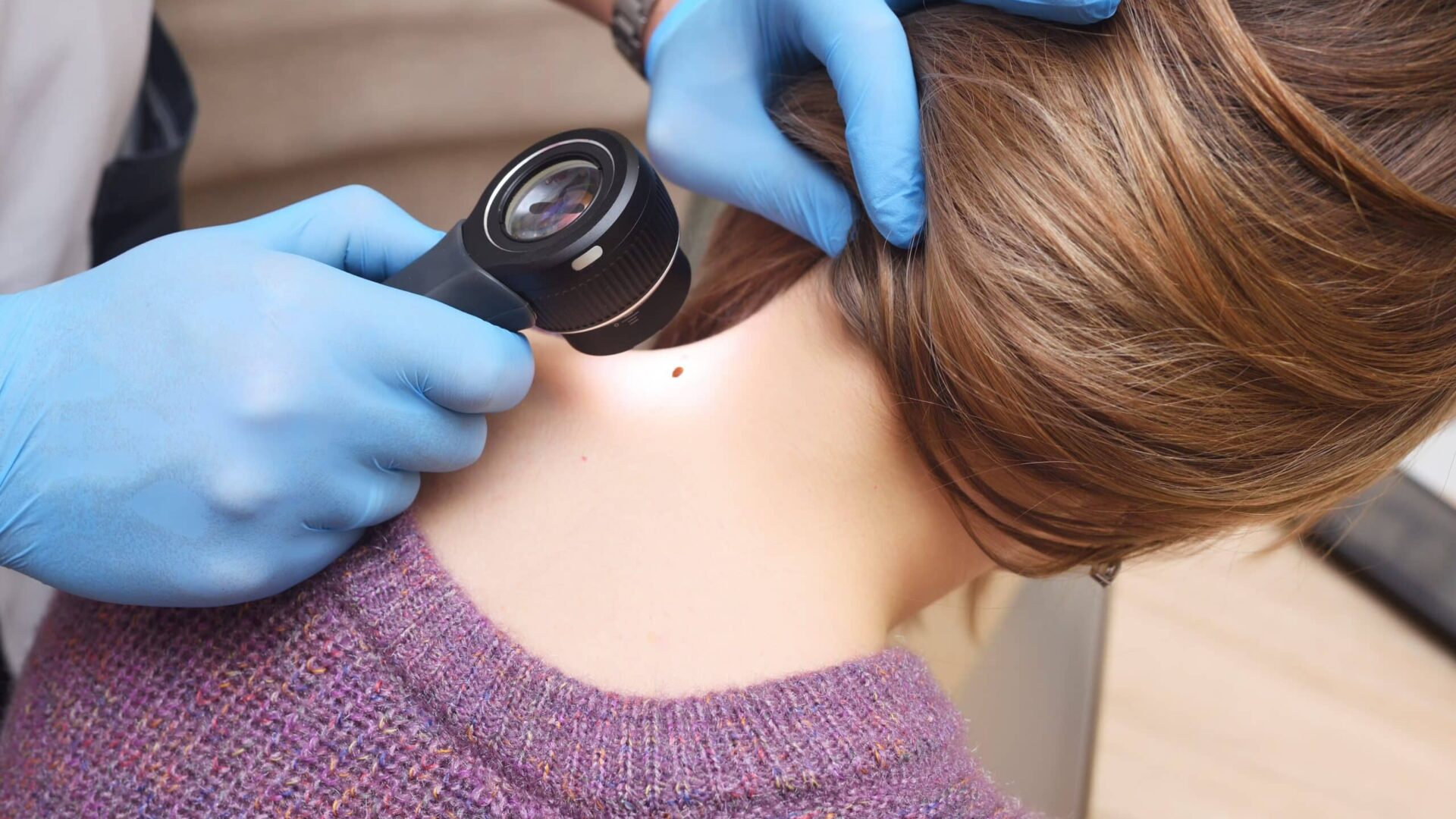
Introduction to SRT
The SRT treatment process, short for Superficial Radiation Therapy, is a modern, non-invasive procedure used primarily to treat non-melanoma skin cancers and keloids. It involves using targeted radiation to destroy cancerous cells, offering an alternative to surgical methods. This treatment is typically recommended in cases where surgery may not be feasible or desirable.
One of the primary benefits of SRT is its ability to treat skin cancer with minimal impact on surrounding healthy tissues, thanks to its precision. This precision makes it particularly useful for sensitive areas of the skin that are difficult to operate on surgically.
For more information on determining if SRT is right for you, please consult the experts at our clinic. We provide thorough insights to guide your decision.
Benefits of SRT
SRT offers numerous benefits compared to traditional surgical options. It provides a pain-free experience and eliminates the need for anesthesia, which reduces the risk of side effects associated with surgical procedures. Patients enjoy a quick recovery time, often returning to normal activities shortly after treatment without the extensive downtime required for surgery.
This therapy is especially beneficial for patients who have health issues that make surgery a risk. With SRT, they can avoid complications that might arise from surgical intervention, such as infections or significant scarring.
Another advantage of this therapy is its ability to preserve surrounding tissues. This ensures that the aesthetics and function of the skin area are maintained. To learn more about this option relative to superficial radiation therapy specifics, reach out to our team at the dermatology clinic.
What to Expect
During your journey with SRT treatment, it’s important to understand what the process entails. Initially, a consultation with your dermatology clinic will establish whether this treatment is the most appropriate for your condition. Upon confirming SRT, the procedure involves a series of sessions, each lasting a few minutes, where targeted radiation is applied directly to the affected area.
The treatments are spaced a few weeks apart to allow the skin to heal progressively between sessions. Patients typically feel comfortable throughout the procedure, with little to no discomfort reported. It’s important to maintain communication with your dermatologist to address any concerns promptly.
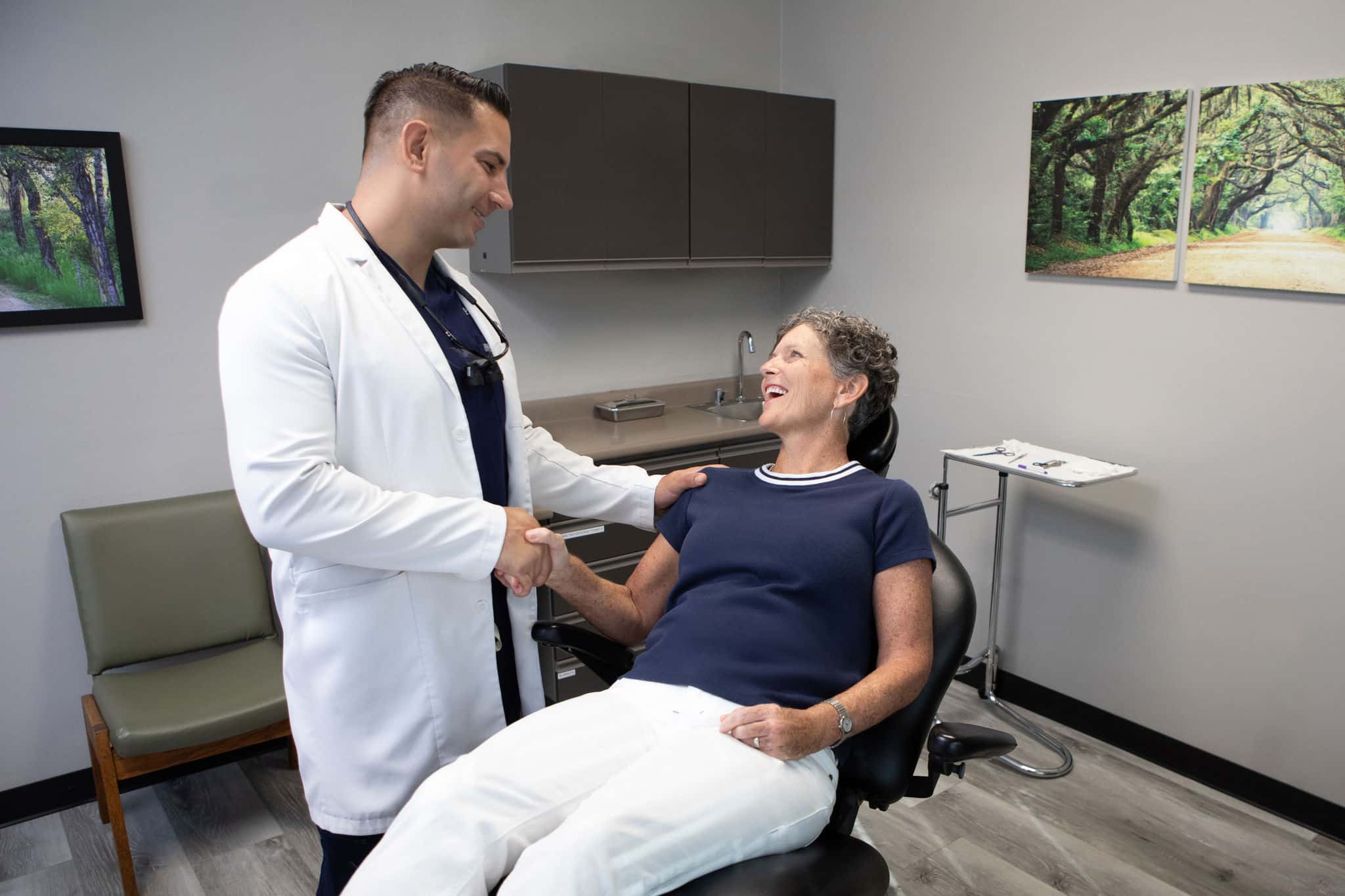
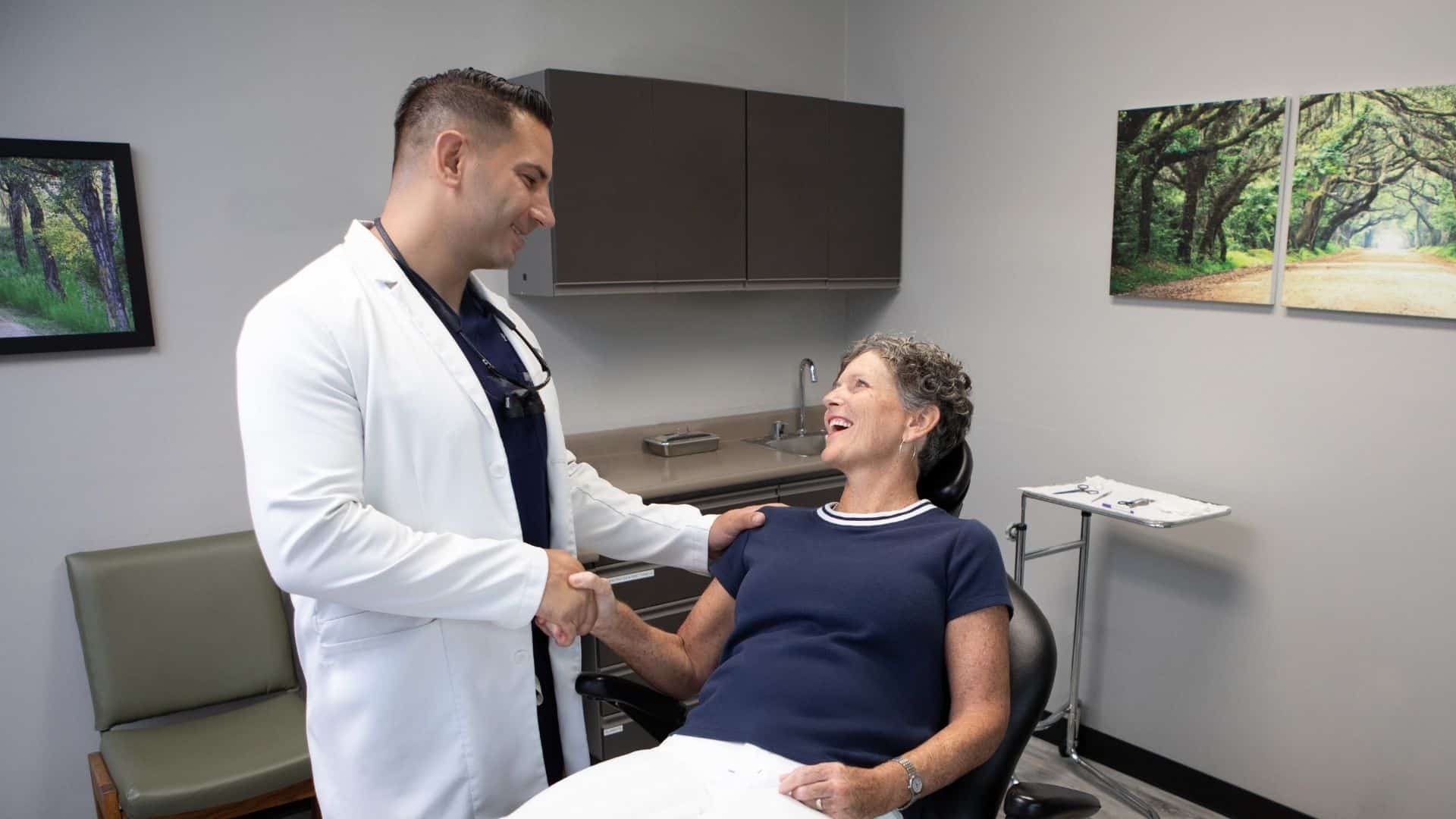
A dermatologist consults with a patient in a professional clinic setting, focusing on patient care and treatment options.
Initial Consultation
The initial consultation is a critical first step in the SRT treatment process. During this appointment, your dermatologist:will assess your condition, review your medical history, and determine your eligibility for SRT treatment. This thorough examination ensures that SRT is the most appropriate treatment for your specific condition.
For patients considering SRT, the consultation serves as an opportunity to explore other treatment options like surgical interventions and compare with Mohs surgery procedures. This way, you can make an informed decision about your care trajectory.
Preparation for the Procedure
Preparing for SRT is straightforward and involves following specific guidelines outlined by your dermatologist. Key preparatory steps include avoiding certain medications and committing to any dietary instructions provided. These measures ensure your body is in the best possible condition for the therapy.
Patients are encouraged to wear comfortable clothing on the day of the procedure to facilitate ease during the treatment session. Arriving early helps to streamline the process, allowing sufficient time for check-in and any last-minute queries.
Your dermatologist may also provide skin care tips to be followed prior to the treatment, enhancing the treatment’s efficacy and minimizing any potential side effects.
The Treatment Process
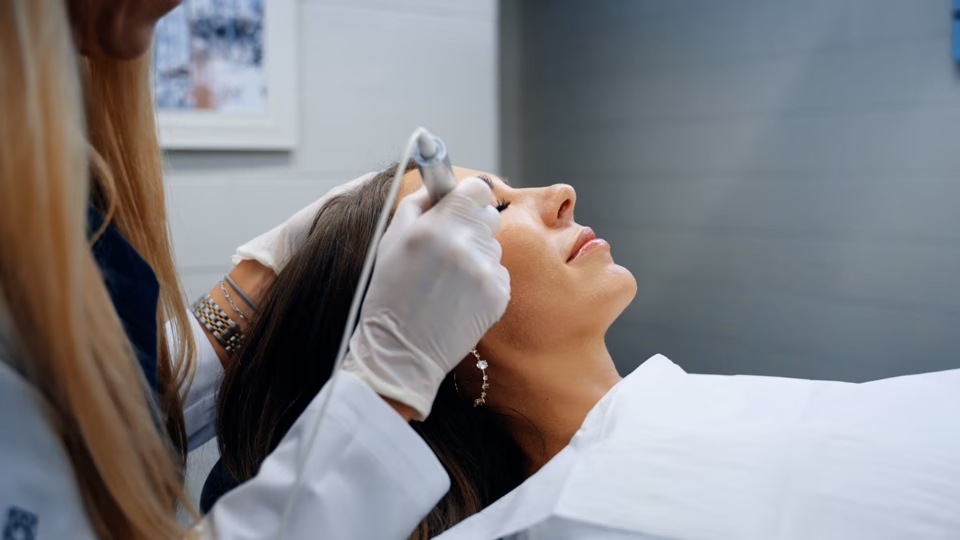
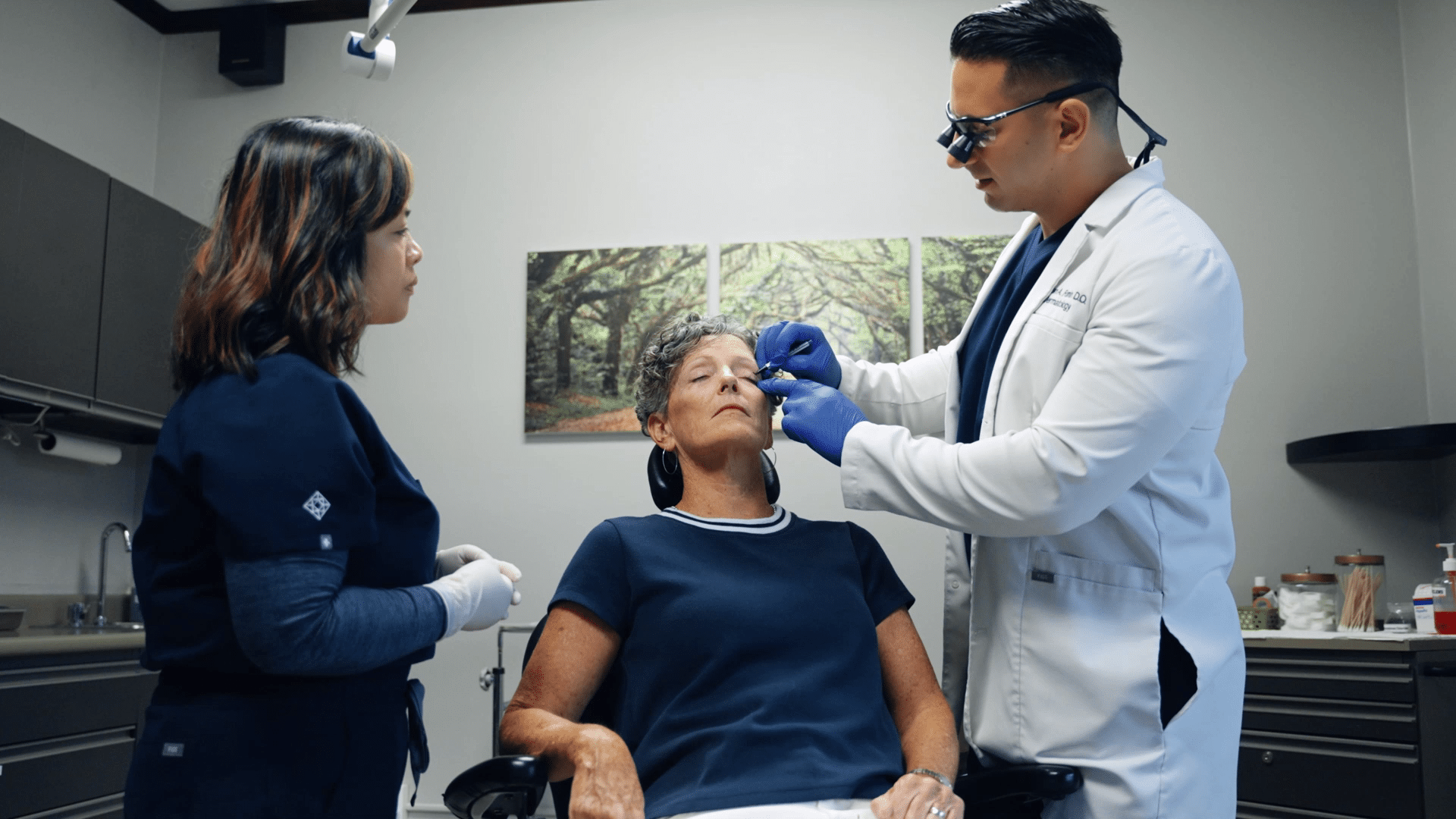
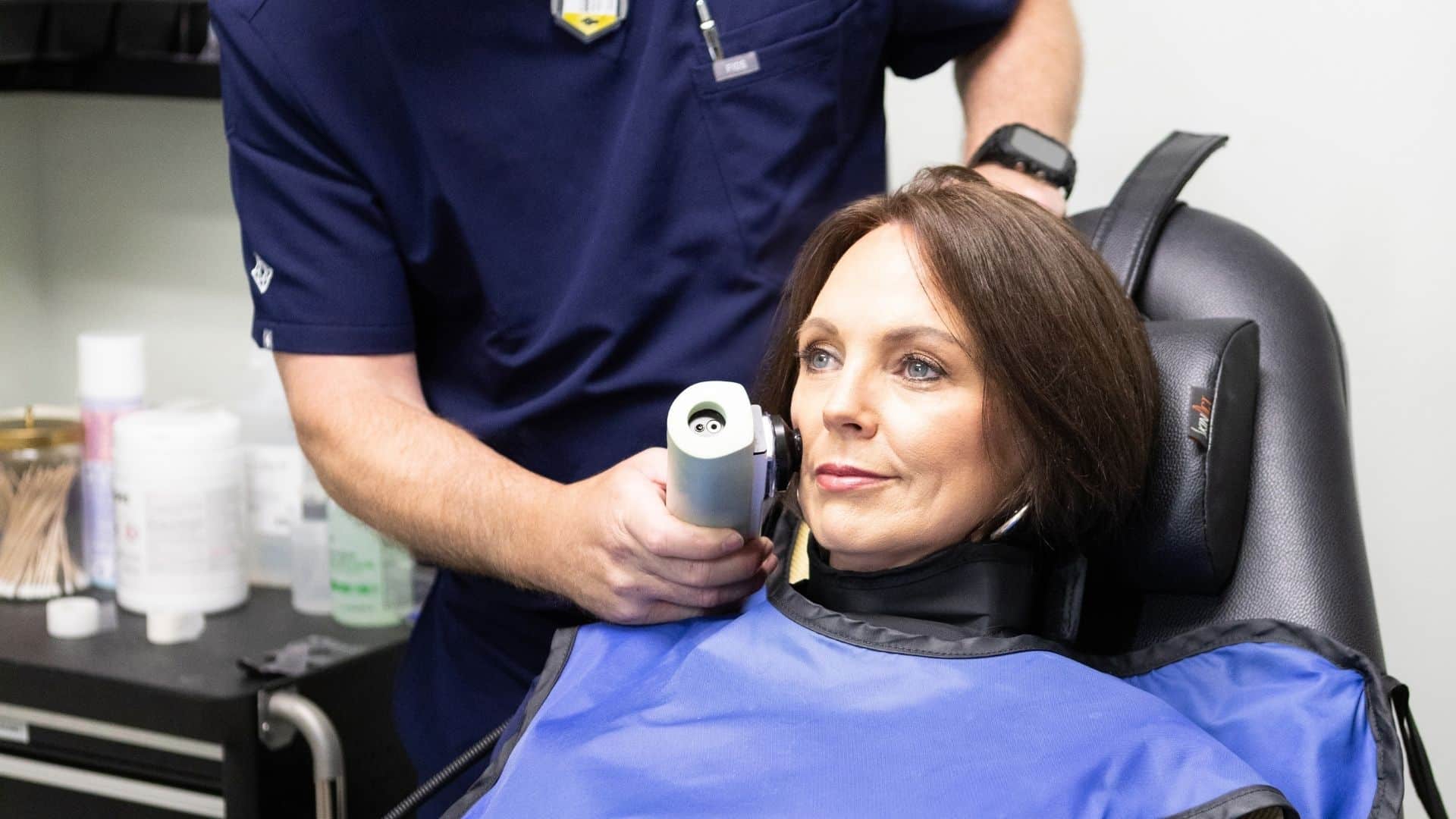
The SRT treatment begins with the identification of the specific skin area to target. A protective method is employed to shield surrounding tissues from unnecessary exposure. During the session, you will comfortably sit or lie while the dermatologist directs the radiation at the cancerous cells.
The entire procedure is quick and the radiation used in SRT is much more precise compared to traditional methods, which not only enhances the effectiveness but also reduces the chances of damaging healthy skin.
After the treatment, no recovery time is needed as there is no incision or wound care required. Patients can generally resume their regular activities immediately. It’s important to maintain a scheduled series of treatments for cumulative effectiveness.
Post-Treatment Care
After completing your SRT sessions, following post-treatment skincare is essential for optimal healing. Gentle cleansing of the affected area and moisturizing as advised by your dermatologist aids in recovery and reduces any skin dryness or irritation.
Your dermatologist will likely schedule follow-up appointments to monitor the response to the therapy and ensure the effectiveness of the treatment over time. This proactive approach assists in managing any arising issues promptly.
Patients are advised to discuss any concerns with their dermatologist, especially if experiencing unexpected changes in the treated area.
What to Bring to Your Appointment
Preparing thoroughly for your SRT appointment ensures a smooth experience. Patients should bring all relevant medical records, including prior diagnosis and any imaging results relating to the affected area. These documents provide your dermatologist with essential background information.
It is also advisable to bring a list of current medications, including over-the-counter drugs and supplements, to help your dermatologist tailor the treatment to your specific needs.
Preparation Tips
To maximize the effectiveness of your SRT treatment and minimize risks, follow these preparation tips:
- Avoid certain medications beforehand: Consult your doctor about which medications, such as blood thinners, you should pause before treatment.
- Follow dietary instructions: Your doctor may advise specific eating habits prior to the procedure. Adhering to these can aid in recovery.
- Wear comfortable clothing: Loose clothing during your treatment day ensures comfort and ease of access to the treatment area.
- Arrive early for check-in: Providing extra time helps reduce stress and allows for settling any urgent matters before the procedure.
- Prepare questions for your doctor: Document any queries regarding the treatment, risks, and expected outcomes to discuss during your appointment.
Understanding the Risks
While SRT is a safe procedure, being informed about potential risks is important. These include skin redness, peeling, and temporary pigmentation changes. Understanding these risks helps you remain vigilant post-treatment and take appropriate actions if needed.
Discuss these risks with your dermatologist, who will address concerns specific to your case and propose strategies to manage them effectively. For chronic issues like chronic wound care or related concerns, further consultation may be advised.
Possible Side Effects
While SRT is known for its safety and efficacy, patients may still experience some common side effects. These usually include skin redness, mild irritation, or an itchy sensation in the treated area. Such effects are typically temporary and subside shortly after treatment completion.
It is essential to address any unusual symptoms with your dermatologist immediately, especially if these persist beyond the normal recovery period.
Managing Side Effects
Effective management of side effects is crucial for ensuring comfort during SRT treatment. Keeping the affected area moisturized and avoiding direct sunlight can alleviate irritation. Using prescribed topical creams can also reduce inflammation and aid the healing process.
Your dermatologist will provide personalized advice on side effect management, tailoring recommendations based on individual responses to the treatment. Open communication with your healthcare provider is key to navigating this process successfully.
Additional care instructions may be necessary for those with conditions requiring special attention, such as addressing pressure wounds appropriately.
Long-Term Considerations
Looking beyond immediate side effects, consider the long-term implications of your SRT treatment. Regular follow-ups help monitor the success of the therapy and ensure that no recurrent issues arise.
Patients should remain vigilant for any changes in skin condition and contact their dermatologist when necessary. Understanding and managing the long-term care of the skin post-treatment contributes significantly to the overall treatment outcome.
For those who have undergone Mohs surgery recovery or similar procedures, discussions around SRT might involve comparing effects and outcomes across different treatment modalities.
Skin Care Routine After SRT
Adopting a proper skincare routine following SRT treatment is crucial for effective healing. Use gentle, fragrance-free products to cleanse and moisturize the treated area, which can minimize irritation and dryness.
Your dermatologist might also recommend specific brands or formulations that best suit your skin type and treatment area. Staying consistent with these routines ensures optimal healing.
Regular monitoring of the skin is advised, with follow-up appointments to assess the healing progress and address any issues swiftly.
Avoiding Irritants
To support your skin’s recovery, it’s important to avoid known irritants. This includes harsh skin products, direct sun exposure without protection, and certain cosmetics which might aggravate the treated area.
Wearing sunscreen, covering the treated area when outdoors, and choosing gentle laundry detergents can all contribute to a smoother recovery process. Your dermatologist will provide a detailed list of irritants to avoid based on your skin sensitivity.
When to Contact Your Doctor
It’s essential to know when to reach out to your healthcare provider post-treatment. Symptoms such as persistent irritation, unusual pain, or signs of infection warrant immediate consultation.
Regular check-ins allow for early detection and management of potential complications. Understanding these signs helps maintain the successful outcomes of your SRT treatment.
For further guidance on broader skin issues, exploring resources on skin cancer prevention might provide additional insights beneficial for your situation.
Efficacy of SRT
The efficacy of SRT is well-documented, with numerous studies supporting its success rates in treating various forms of skin cancers. Its non-invasive nature allows for precise targeting of cancerous cells while sparing healthy tissue, making it a preferred choice for many patients.
When compared to traditional surgical methods, SRT offers a less stressful experience, reducing the typical discomfort and anxiety associated with skin cancer treatments. Such attributes significantly enhance patient satisfaction and outcomes.
Regular assessments during the treatment course ensure that results meet the expected benchmarks, with adjustments made as required to optimize effectiveness.
Comparisons with Other Procedures
Compared to other procedures like Mohs surgery or surgical excisions, SRT stands out due to its convenience and minimal invasiveness. It’s particularly suitable for individuals who may have contraindications for surgery or are looking for an alternative.
The acne treatment options available through SRT provide a safer, more comfortable solution with similar effectiveness to surgical methods but without the associated risks.
The reduced risk of post-operative complications or infections associated with SRT further reinforces its viability as a first-line treatment for eligible conditions.
Benefits of SRT
The benefits of SRT make it an attractive option for patients:
- Minimally invasive: No incisions, offering a non-surgical approach.
- Quick recovery time: Patients return to daily activities faster.
- Preserves surrounding tissues: Targets only affected areas to maintain healthy skin integrity.
- Effective for various skin conditions: Versatile in treating not only cancer but other dermatological issues.
- Reduced need for hospitalization: Outpatient procedure with no need for inpatient care.
- Lower risk of infection: Avoids the risks tied to surgical procedures.
- Proven track record: Highly successful in numerous cases over time.
Furthermore, discussions about dermatology versus med spa treatments emphasize SRT’s scientific backing and medical-grade effectiveness.
Educational Resources
When considering SRT, accessing reliable educational resources can greatly enhance understanding and confidence in the treatment plan. Patients are encouraged to review materials provided by their dermatologists and trusted online sources.
Striving for an informed decision, many clinics offer patient education sessions designed to clarify the intricacies of SRT and other treatment options. These resources can answer questions and provide a deeper look into procedure specifics.
Support Groups
Joining support groups can be invaluable for patients undergoing SRT. These communities offer emotional support, share experiences, and provide practical advice for managing treatment side effects and challenges.
Connecting with others in similar situations fosters a sense of understanding and camaraderie, which aids in coping with the emotional and physical demands of the treatment process.
Questions to Ask Your Doctor
Having a list of questions prepared for your doctor can help clarify any doubts and enhance your treatment experience:
- What are the potential risks? Understanding risks helps in preparation and managing expectations.
- How many sessions will I need? Knowing the number of sessions assists in planning your schedule.
- What results can I expect? Setting realistic expectations is crucial for monitoring progress.
- What should I do if I experience side effects? Immediate actions can prevent complications from escalating.
Through resources like those discussing diabetic foot ulcers or skin disorders, one can draw parallels and gather additional insights relevant to their journey.
Frequently Asked Questions About SRT Treatment
Superficial Radiation Therapy (SRT) is a non-invasive procedure used to treat skin cancers and keloids by using targeted radiation to destroy abnormal cells. This method precisely targets cancerous tissues while preserving surrounding healthy skin.
SRT is generally pain-free. Patients might experience mild discomfort, similar to a sunburn, but it’s rare for the procedure to cause pain. Most patients find it much less distressing compared to traditional surgical methods.
Each SRT session is relatively short, typically lasting about 15 to 30 minutes. This duration includes preparation, the actual radiation exposure, and any follow-up care instructions given by your dermatologist.
SRT is versatile and primarily used for treating non-melanoma skin cancers. It is also effective for recurrent basal and squamous cell carcinomas and certain benign conditions like keloids.
SRT has a high success rate, comparable to surgical methods such as Mohs surgery. It’s particularly advantageous for patients who cannot tolerate surgery due to health issues or who prefer non-surgical options.
Before your SRT appointment, avoid applying creams or lotions to the area to be treated. Wear comfortable clothing and bring a comprehensive list of your medications and medical history for your dermatologist.
After SRT, the treated area might appear red and irritated, similar to a mild sunburn. Follow-up visits are scheduled to monitor recovery, and you’ll receive guidelines on skincare to promote healing over the weeks following treatment.