What is Mohs Surgery?
Mohs surgery is a highly precise and effective method used to treat skin cancers. Named after Dr. Frederic Mohs, this procedure focuses on removing cancerous tissues layer by layer while preserving as much healthy tissue as possible. The meticulous nature of the procedure ensures comprehensive cancer removal with minimal impact on surrounding skin.
Mohs surgery is most commonly used to treat basal cell carcinoma and squamous cell carcinoma, which are two of the most common types of skin cancer. It is particularly recommended for cancers located in sensitive areas such as the face where cosmetic outcomes are equally as important as medical ones.
The Importance of Mohs Surgery
The significance of Mohs surgery lies in its high success rate and the precision of its application. Through its step-by-step process, it ensures that the margins are clear of cancer cells, leading to a much lower recurrence rate compared to other techniques. This makes it an invaluable procedure in clinical dermatology.
Moreover, Mohs surgery is conducted by a dermatology specialist in a controlled setting, increasing the patient’s comfort and safety. At the skin and cancer clinic, patients can expect personalized care that prioritizes both health and aesthetics.
By opting for Mohs surgery, patients benefit from the expertise of a dermatology specialist who oversees the entire procedure. This consistent oversight eliminates the risks associated with more disjointed treatment methods and ensures a thorough path to recovery.
How Mohs Surgery Works
The procedure involves local anesthesia followed by the surgical removal of the visible cancer. The tissue is then processed and examined microscopically to ensure all cancerous cells are excised. This cycle of excision and microscopic examination is repeated until the tissue is free of cancer.
This systematic approach not only results in the highest cure rates for skin cancer but also minimizes tissue removal, preserving normal tissue. The innovative technique allows the mohs surgeon to map out the spread of the cancer and ensure comprehensive removal by focusing purely on the necessary areas.
Each stage of the process is meticulously documented, which helps in understanding the extent and behavior of the skin cancer. This thorough methodology significantly aids in educating both the patient and other healthcare professionals involved in the post-operative care.
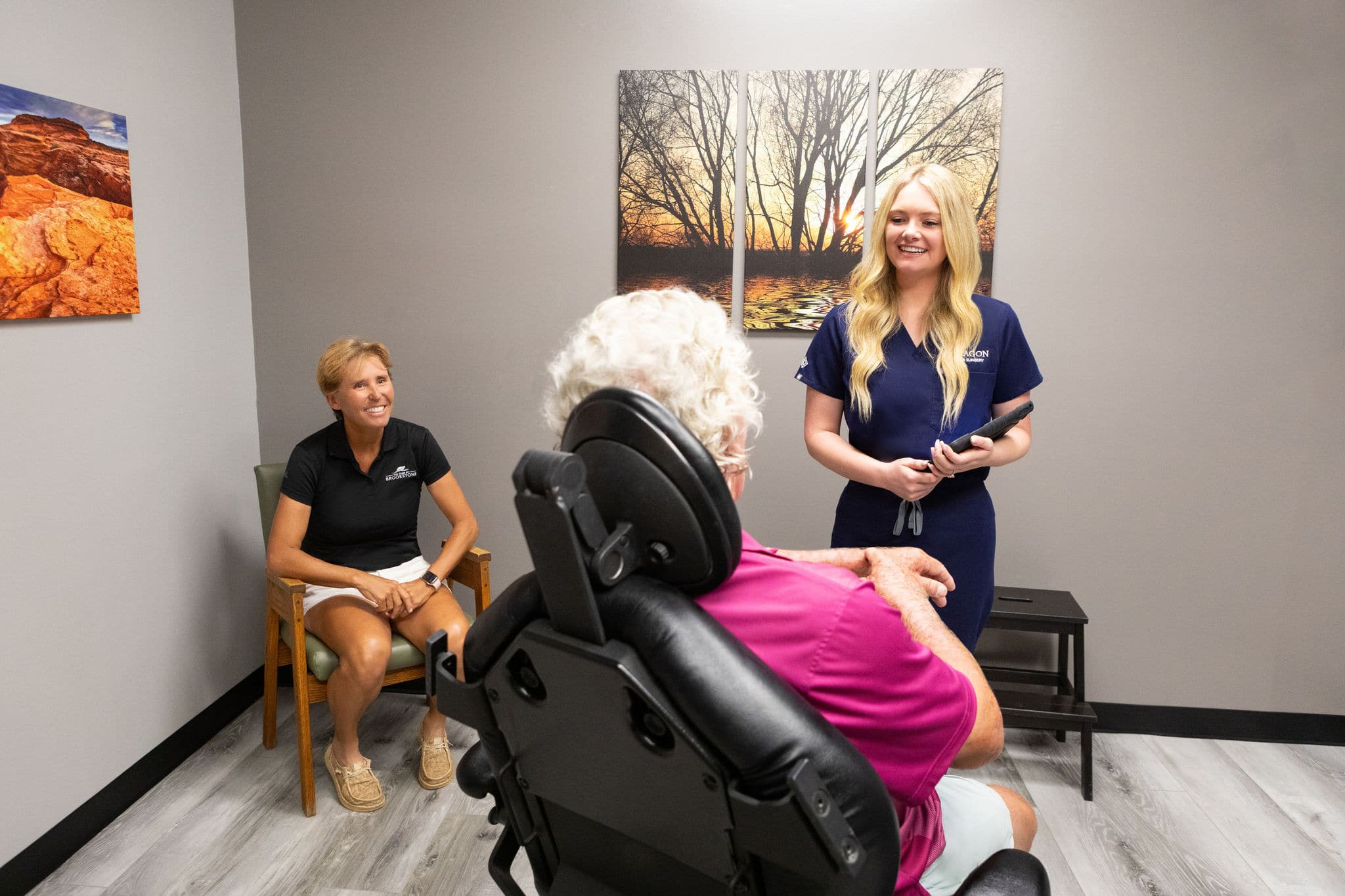
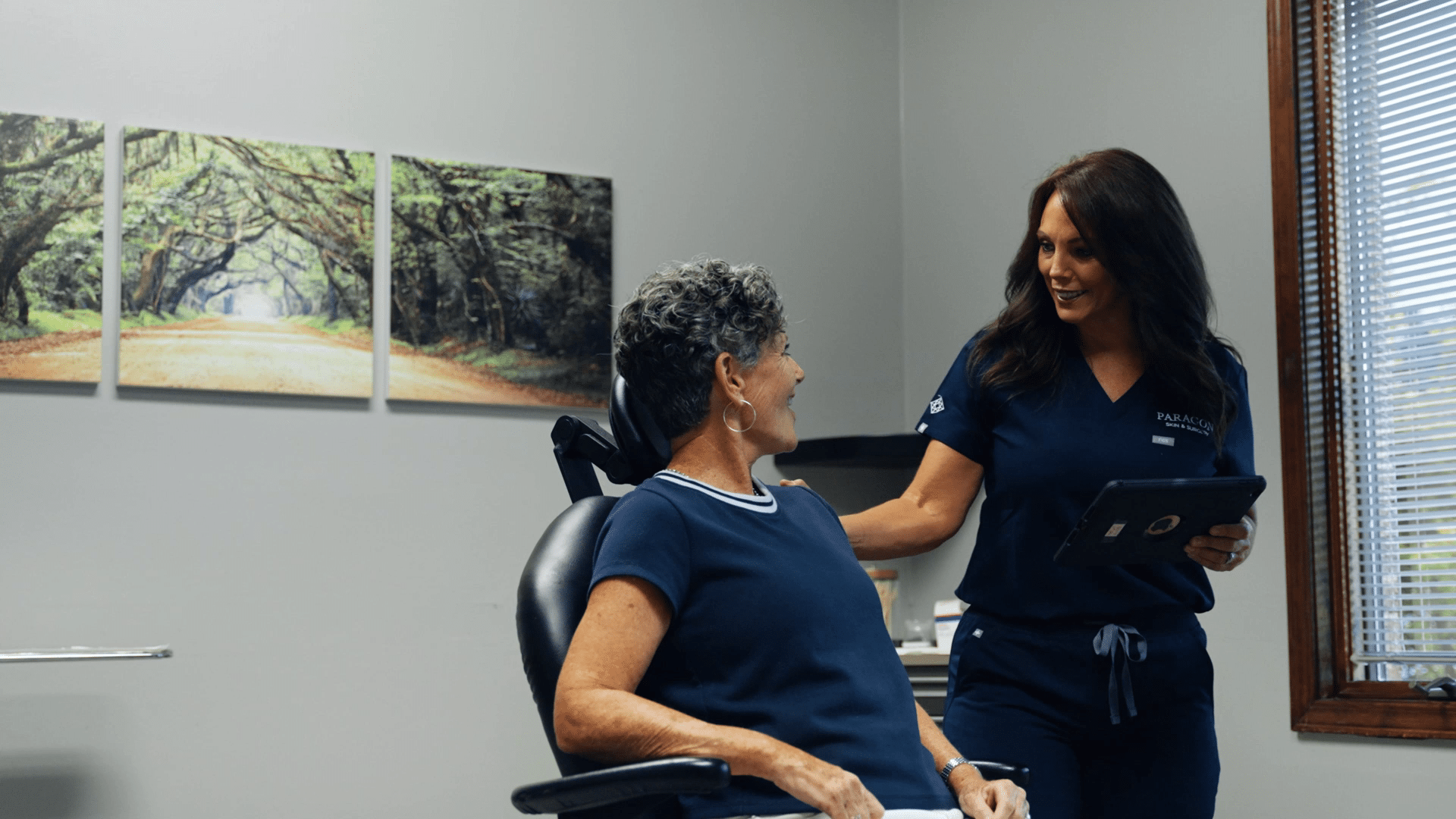
A dermatologist consults with a patient in a modern clinic office, highlighting professional dermatology care services.
Understanding the Procedure
Before undergoing Mohs surgery, it is crucial to understand the intricacies of the procedure. It begins with a detailed consultation with your chosen dermatologist, who will walk you through the steps, potential outcomes, and aftercare. This initial stage ensures that your questions are answered, and you are thoroughly prepared mentally and physically.
Pre-Surgery Preparation
The preparation phase involves a few key steps designed to ensure safety and optimize results.
- Consultation with your surgeon: Discuss the procedure in detail, including potential risks and recovery expectations.
- Avoiding blood thinners: To reduce bleeding risks, it’s advised to avoid certain medications as directed by your healthcare provider.
- Arranging transportation: Ensure you have a ride to and from the clinic as the procedure may leave you feeling drowsy.
- Wearing comfortable clothing: On the day of surgery, dress in loose, comfortable clothing, and be prepared to stay for several hours.
This thorough preparation helps streamline the surgical process, minimizing surprises and enhancing overall patient satisfaction.
Respective measures such as stopping blood thinners help mitigate risks during and after the surgery. These proactive steps demonstrate the importance of fully understanding your healthcare provider’s guidance to ensure a successful outcome.
Furthermore, clarity regarding transportation and apparel enhances patient comfort and helps facilitate a smooth experience from start to finish.
What to Expect During the Procedure
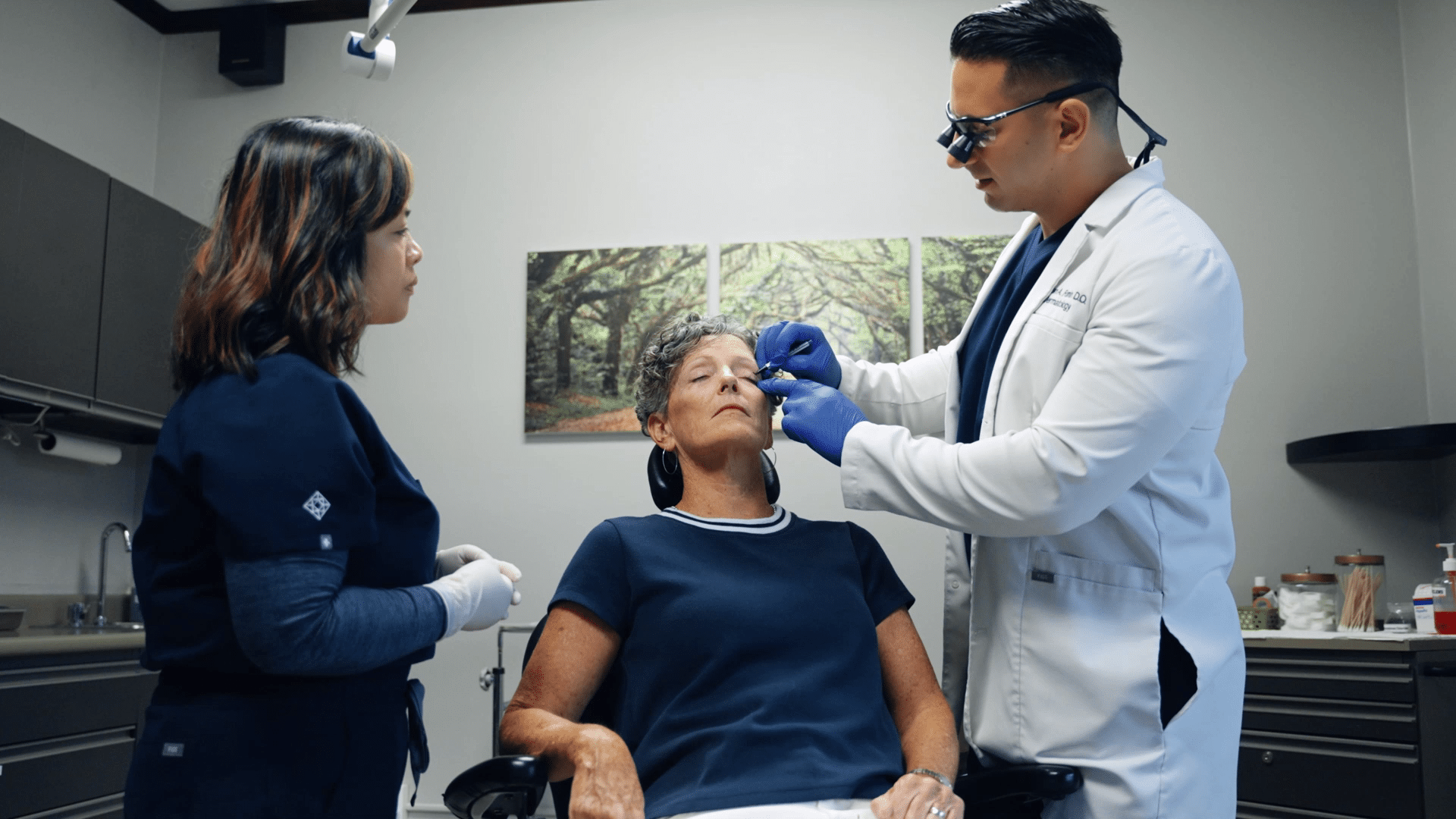
Mohs surgery is typically performed as an outpatient procedure in a controlled clinical setting. Patients will remain awake and receive local anesthesia to numb the affected area. This allows them to be comfortable while the mohs surgeon meticulously removes the cancerous tissue.
The procedure can take several hours due to its meticulous nature. During each stage, the removed tissue is examined microscopically, ensuring all cancer cells are eradicated before moving to the next stage. This step-by-step process is repeated until no cancerous cells remain.
Anesthesia Types
Mohs surgery primarily uses local anesthesia, which targets the specific area of the operation, minimizing patient discomfort while maintaining full consciousness. Patients can interact with their medical team and understand each step as it happens.
This focused anesthesia enhances patient safety, significantly reducing recovery time and potential complications that might arise from other anesthesia types. It is effective in managing pain and discomfort, ensuring a seamless surgical experience.
Additionally, the choice of local anesthesia allows for a high level of procedural control and flexibility, adapting to the needs of each individual case without compromising the patient’s well-being.
Recovery Process
The recovery from Mohs surgery involves careful post-operative care. Patients receive comprehensive instructions tailored to their specific circumstances.
- Post-operative care instructions: Follow detailed guidelines about wound care to facilitate optimal healing.
- Activity restrictions: Temporary limitations on physical activity help prevent complications and support recovery.
- Follow-up appointments: Scheduled visits to monitor healing progress and address any concerns promptly.
- Signs of complications: Be alert to symptoms like excessive swelling, redness, or fever, and contact your dermatologist if they occur.
Mohs surgery’s standardized approach to post-operative care significantly contributes to its high success rates and patient satisfaction levels. Each aspect of the recovery protocol is designed to ensure safety and maximize the chances of a favorable outcome.
Active participation in follow-up and adherence to care instructions are key to not only speedy but also effective recovery, minimizing risks of recurrence.
What is a Mohs Surgeon?
A Mohs surgeon is a highly specialized dermatologist trained extensively in the Mohs micrographic surgery technique. Their role involves the delicate balance of excising cancerous tissues while preserving healthy tissue. This specialized surgeon plays a pivotal role in assessing, removing, and ensuring the complete excision of skin cancer cells.
Mohs surgeons work closely with other healthcare professionals to deliver personalized treatment plans and are often involved in both the initial and follow-up care of skin cancer patients. This teamwork ensures a holistic approach to skin cancer management at each stage.
Qualifications and Training
Mohs surgeons undergo rigorous training beyond standard dermatological education. This involves fellowship programs that focus exclusively on the Mohs technique and skin oncology, providing them with the expertise necessary to handle complex cases effectively.
The comprehensive training ensures that they not only execute the procedure efficiently but also make informed decisions critical to patient outcomes. Their advanced skills are honed through many years of practice, making them adept at both diagnosing and treating varied skin cancer forms.
This detailed preparation ensures high success rates for the surgery, minimizing patient concerns about cancer recurrence post-operation.
How to Choose a Mohs Surgeon
Selecting the right Mohs surgeon is crucial for optimal treatment and recovery. Important factors include verifying the surgeon’s credentials, understanding their experience with the procedure, and assessing their communication skills and patient rapport.
Reviewing past patient experiences and testimonials can also provide valuable insights into the surgeon’s approach and success in procedures.
Using your consultations to gauge the surgeon’s methods and reassurances can help inform your decision, ensuring confidence in your choice of healthcare provider.
Questions to Ask Your Mohs Surgeon
Being well-informed is vital. Here are some questions to consider during your consultation:
- What experience do you have? Inquire about their depth of experience and number of surgeries performed.
- What are the potential risks? Understand the specific risks associated with your case and the mitigation strategies in place.
- How many surgeries have you performed? This helps gauge their expertise and familiarity with the procedure.
- What can I expect during recovery? Clarify what the post-operative process will entail for your particular situation.
- Are there alternatives to Mohs surgery? Explore other potential treatment options and their associated pros and cons.
Engaging in an open dialogue with your Mohs surgeon supports informed decision-making and contributes to a more personalized treatment approach that aligns with your needs and expectations.
Immediate Post-Op Care
Following Mohs surgery, immediate post-operative care is paramount. You’ll receive detailed instructions on managing the surgical site. Keeping the area clean and protected is crucial to prevent infections and promote healing.
Mild discomfort is common initially, and your dermatologist may recommend over-the-counter pain relief options to manage it. Keeping the surgical site elevated can help reduce swelling and expedite the healing process.
Adhering strictly to care instructions significantly influences recovery, reducing downtime and risks of complications.
Long-Term Care
Long-term care is essential for ensuring that the skin heals properly and to monitor for any signs of recurrence. Regular follow-up appointments are critical, during which your dermatology specialist will assess the healing process and address any concerns promptly.
Continued protection from sun exposure is crucial as the skin will be more sensitive post-surgery. Using high-SPF sunscreens and protective clothing helps preserve skin health and prevents future cancer risks.
Incorporating protective measures into your daily routine can aid recovery while reducing future risks, promoting overall healthy skin maintenance as guided by your dermatologist.
Recognizing Complications
Understanding potential complications is essential for timely intervention. Symptoms such as excessive redness, pus, fever, or severe swelling should prompt immediate consultation with your healthcare provider.
Early identification of complications facilitates prompt treatment, minimizing the risk of more serious issues. Stay vigilant but not overly anxious; the majority of recoveries proceed smoothly without incident.
Educating yourself on potential challenges equips you to seek assistance promptly, fostering a more confident and informed recovery process.
Advantages of Mohs Surgery
Mohs surgery stands out for its precision and high cure rates. Compared to other treatment methods, it minimizes the need for additional surgeries, thanks to its comprehensive approach that ensures all cancerous cells are removed on-site, significantly reducing recurrence rates.
This procedure offers unparalleled effectiveness for tumors located in cosmetically sensitive areas like the nose, eyes, and ears. The meticulous technique ensures minimal scarring, an essential consideration for treatments affecting appearance.
Mohs surgery also supports peace of mind through its efficient and thorough process, providing excellent long-term results.
Comparing It with Other Treatments
When compared to traditional excision or chronic wound care methodologies, Mohs surgery’s approach ensures the conservation of healthy tissues. This precision leads to smaller wounds, which facilitates quicker, less painful recoveries, making it especially beneficial for elderly patients.
Moreover, it offers a targeted strategy by focusing specifically on the affected area, unlike broad surgical approaches that remove larger portions of skin unnecessarily.
This contrasts with methods such as pressure wounds treatment, where broader, more generalized intervention may be required, demonstrating the specialized nature that Mohs provides.
Patient Testimonials
Patients consistently report high satisfaction rates due to the focus on aesthetic outcomes and effective treatment. Testimonials frequently highlight the lack of substantial scarring and the overall positive aesthetic results.
The detailed process and inclusive care instill confidence among patients, reassured by the consistent follow-up and successful recovery stories shared by others.
This invaluable feedback amplifies trust in the procedure, encouraging more individuals to opt for Mohs surgery when recommended by their healthcare provider for optimal results.
Summary of Mohs Surgery
Mohs surgery is a revolutionary procedure in the treatment of skin cancer, offering high precision and effectiveness. Known for its ability to completely excise cancerous tissues while preserving healthy skin, it is a trusted choice in clinical dermatology. With its methodical removal and microscopic examination processes, it leads to outstanding results.
At the skin and cancer clinic, patients are assured experienced hands and comprehensive care, resulting in favorable recovery outcomes.
Final Thoughts
Choosing Mohs surgery aligns patient preferences with medical efficacy, ensuring comprehensive treatment while considering cosmetic impacts. The collaborative approach between patient and surgeon fosters confidence and adherence to the treatment plan.
This procedure’s reassurance comes from its proven track record of excellence and the continuous advancements in techniques overseen by dermatology specialists, enabling patients to navigate the recovery phase effectively.
Further Resources
Patients are encouraged to explore more about Mohs surgery and related treatment options offered by dermatology experts. Access to comprehensive educational resources can facilitate informed decision-making and prepare them thoroughly for the journey.
Increased awareness and understanding of available treatments empower patients, enhancing their capacity to manage their health alongside healthcare professionals effectively.
Frequently Asked Questions
During Mohs surgery, patients can expect a thorough outpatient procedure where cancerous skin tissue is removed layer by layer. It involves local anesthesia for comfort and each layer removed is examined microscopically until no cancer cells are detected. This meticulous nature ensures complete cancer removal while preserving healthy tissue.
Recovery from Mohs surgery varies depending on factors like the size and location of the surgical area. Typically, initial healing occurs within 2-3 weeks. Follow-up appointments help track healing progress and mitigate any complications. Patients are usually advised to avoid strenuous activities for a short period post-procedure.
As with any surgical procedure, there are inherent risks such as infection, bleeding, and scarring. However, Mohs surgery is known for its high safety profile and low complication rates due to the precise and conservative nature of the tissue removal. Proper post-surgical care and follow-up help manage and further reduce these risks.
Mohs surgery boasts the highest success rate for treating basal cell carcinoma and squamous cell carcinoma, often cited as 98% or higher. This success is attributed to its methodical approach in excising cancerous tissues systematically. Its ability to ensure cancer-free margins is unparalleled, making it a preferred treatment choice.