Overview of Dermatology and Medical Spas
Introduction to Dermatology
Dermatology is a branch of medicine focused on the diagnosis, treatment, and prevention of skin, hair, and nail disorders. A board certified dermatologist is trained to handle a wide range of skin issues, from acne and eczema to more serious conditions like skin cancer. Dermatology combines medical and surgical aspects to address various dermatological concerns holistically.
An integral part of healthcare, dermatologists play a critical role in managing vascular laser therapy and other procedures. Their extensive training ensures they can provide specialized care for each patient’s unique needs. By focusing on skin health, dermatologists can aid in improving the overall wellbeing of their patients.
Furthermore, dermatologists offer treatments that are essential for maintaining skin health and addressing cosmetic concerns. These include advanced interventions like laser therapy, which is employed for various skin issues, including vascular abnormalities.
What is a Medical Spa?
A medical spa, or med spa, is a facility offering a mix of traditional spa services and medical aesthetic treatments. Unlike dermatology clinics, med spas are often overseen by licensed medical doctors but typically staffed by aestheticians and trained technicians. The focus here is more on beauty and relaxation rather than underlying health issues.
Medical spas provide services like facials, massages, and advanced treatments aimed at enhancing appearance and promoting relaxation. The environment is typically serene and designed to provide a luxurious experience that also addresses certain aesthetic concerns.
These spas are becoming increasingly popular as they offer minimally invasive alternatives to achieve cosmetic goals without the need for surgery.
Key Differences
One primary distinction between dermatology and medical spas is the focus: dermatology addresses both health and aesthetic concerns, while med spas emphasize cosmetic improvement primarily. This distinction shapes the training of providers and the types of services available at each.
Another notable difference is the level of regulation and medical training involved. Dermatologists undergo rigorous medical training, whereas med spa staff may have varied certifications. This impacts the complexity and scope of procedures they are licensed to perform.
While both offer valuable services, understanding whether a condition is medical or cosmetic in nature can help guide the decision to visit a dermatologist or a med spa.

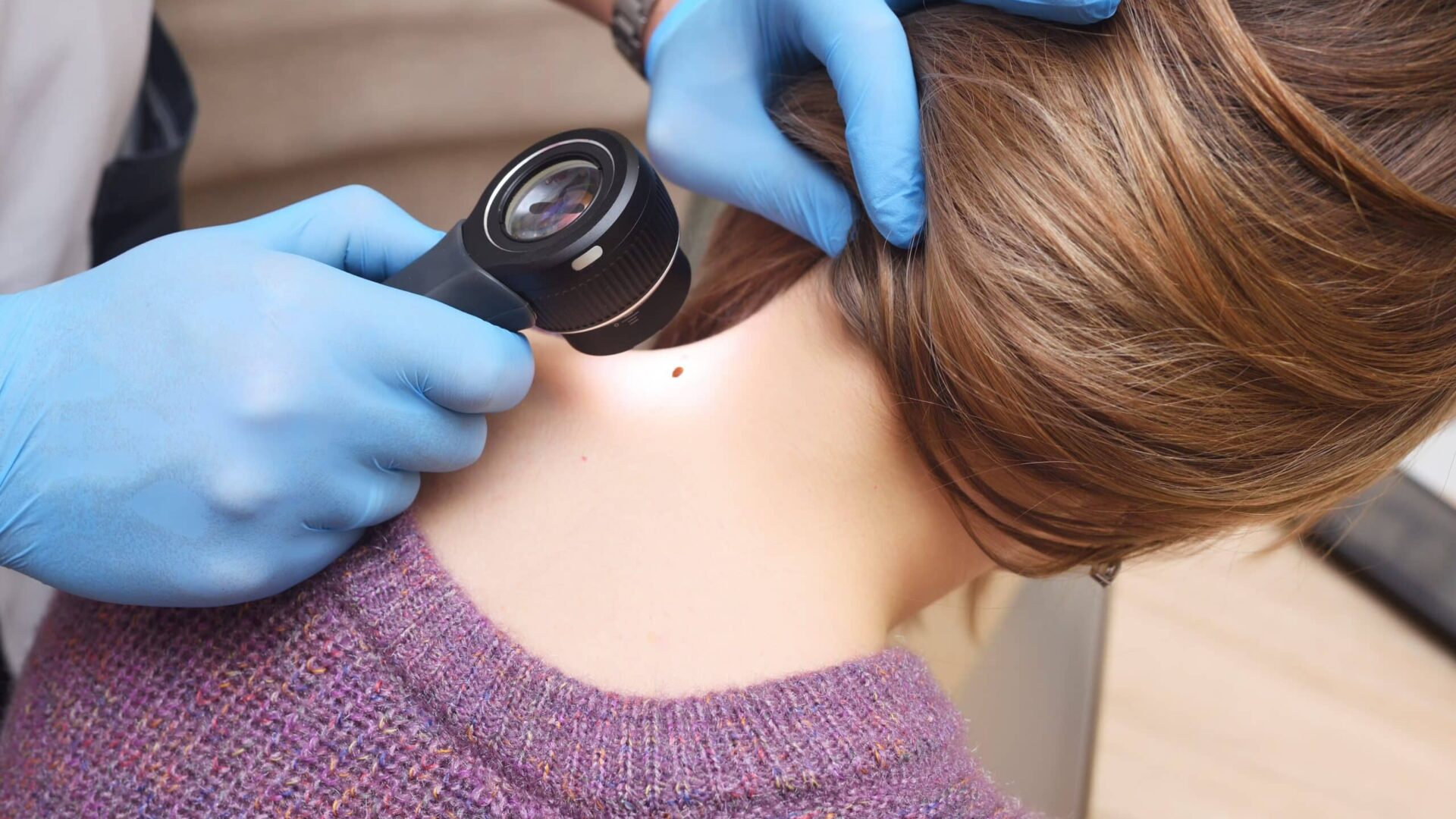
A dermatologist at Paragon Skin & Surgery performs a dermal examination on a patient in a medical clinic.
Services Offered by Dermatology and Medical Spas
Services in Dermatology
Dermatology clinics provide a wide array of services to treat and manage skin conditions. These include medical treatments for acne, eczema, and psoriasis. Dermatologists specialize in diagnosing skin diseases and prescribing the appropriate therapy, which could range from topical medications to oral prescriptions.
Another key area of dermatology is surgical intervention for skin lesions and cancers. Procedures like Mohs surgery and excisions are performed by dermatologists to ensure complete removal of malignant cells while conserving healthy tissue.
For those seeking cosmetic enhancements, dermatologists can offer treatments such as Botox and filler injections, laser treatments for various skin issues, and more. These procedures can improve the appearance of fine lines, wrinkles, and pigmentation.
Services in Medical Spas
Medical spas focus on cosmetic procedures that enhance the skin’s appearance with little to no downtime. Services typically found at a med spa include advanced cosmetic treatments designed to rejuvenate and refresh the skin:
- Botox injections: Used to reduce the appearance of fine lines and wrinkles by temporarily paralyzing underlying muscles.
- Dermal fillers: Injectable substances that add volume and smooth out wrinkles for a youthful appearance.
- Laser treatments: Employed to remove unwanted hair, treat sun spots, and promote collagen production.
- Chemical peels: Exfoliate the top layer of skin to reduce wrinkles and improve texture.
- Microneedling: Stimulates collagen production by creating tiny punctures in the skin.
- Facial rejuvenation: Combines multiple treatments for a comprehensive approach to skin care.
- Skin consultations: Personalized evaluations to recommend the best treatments for individual needs.
Comparison of Aesthetic Treatments
The choice between dermatological or med spa services often depends on the desired outcome. Dermatologists tend to offer more medically-based procedures with clinical results. Their treatments are typically backed by extensive research and are part of a broader healthcare strategy.
In contrast, med spas provide a plethora of aesthetic enhancements designed for cosmetic improvements with shorter recovery periods. The primary goal here is to improve appearance rather than treat medical skin conditions.
It’s worth noting that both can complement each other, with patients sometimes opting for medical treatments with a dermatologist while seeking additional cosmetic enhancements at a med spa.
Qualifications and Training
Education and Training in Dermatology
Dermatologists undergo extensive education, completing undergraduate and medical school, followed by a residency program specializing in dermatology. This rigorous training ensures they are well-equipped to diagnose and treat a variety of skin conditions. A choosing skin specialist should have board certification, highlighting their expertise in skin health.
This path includes passing medical exams and completing hands-on training through residencies and fellowships. Many pursue further specialization through fellowships in areas like cosmetic dermatology or Mohs surgery procedure, ensuring a high competence level in their chosen subspecialty.
Dermatologists also engage in continuous learning to stay updated with the latest advancements in skincare technology and treatment protocols.
Qualifications for Medical Spa Staff
In contrast, med spa staff members usually hold certifications appropriate to the treatments they administer. These can vary widely depending on the state’s regulations and the complexity of the procedures performed. While some staff might be licensed estheticians, others may be trained technicians or nurses.
The training focuses primarily on cosmetic procedures like laser and light therapy applications, injections of dermal fillers, and aesthetic assessments. Although this training is less intensive than what dermatologists undergo, it provides an essential foundation for delivering spa services safely.
Reputable med spas ensure their staff remains up-to-date with new techniques and technologies through ongoing education and skill development programs.
Certification and Regulation
The regulation of dermatologists involves strict licensing and certification requirements upheld by medical boards. These ensure dermatologists possess the necessary skills and knowledge to provide high-quality care safely.
Medical spas, however, do not have a universally standardized regulatory framework. Supervision by a medical director, often a physician, is required, but the level of oversight can vary. It’s crucial for patients to choose med spas with well-documented standards and a commitment to exceptionally safe practices.
Patients must consider these differences in training and accreditation when selecting between a dermatologist and a med spa for their skin care needs. Understanding who is qualified to administer specific treatments can enhance the outcome and experience.

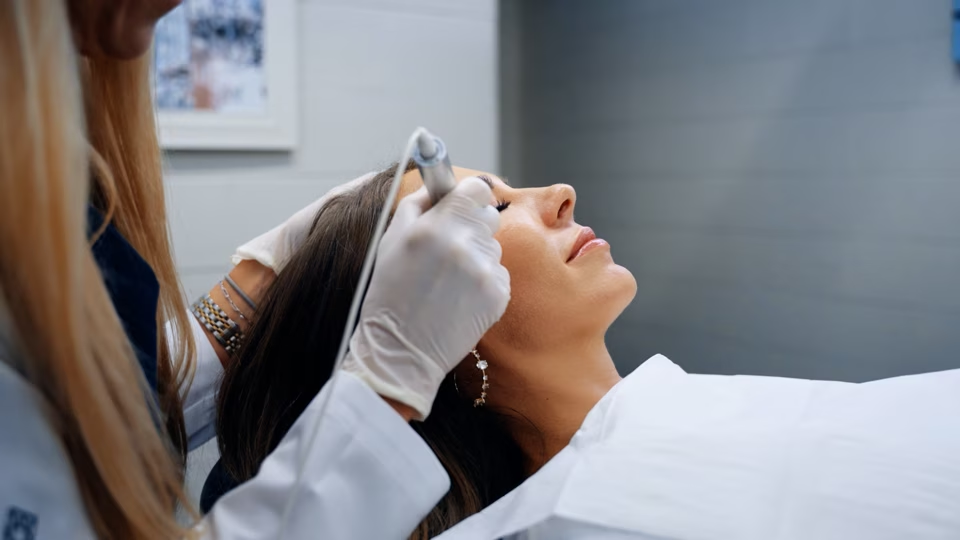
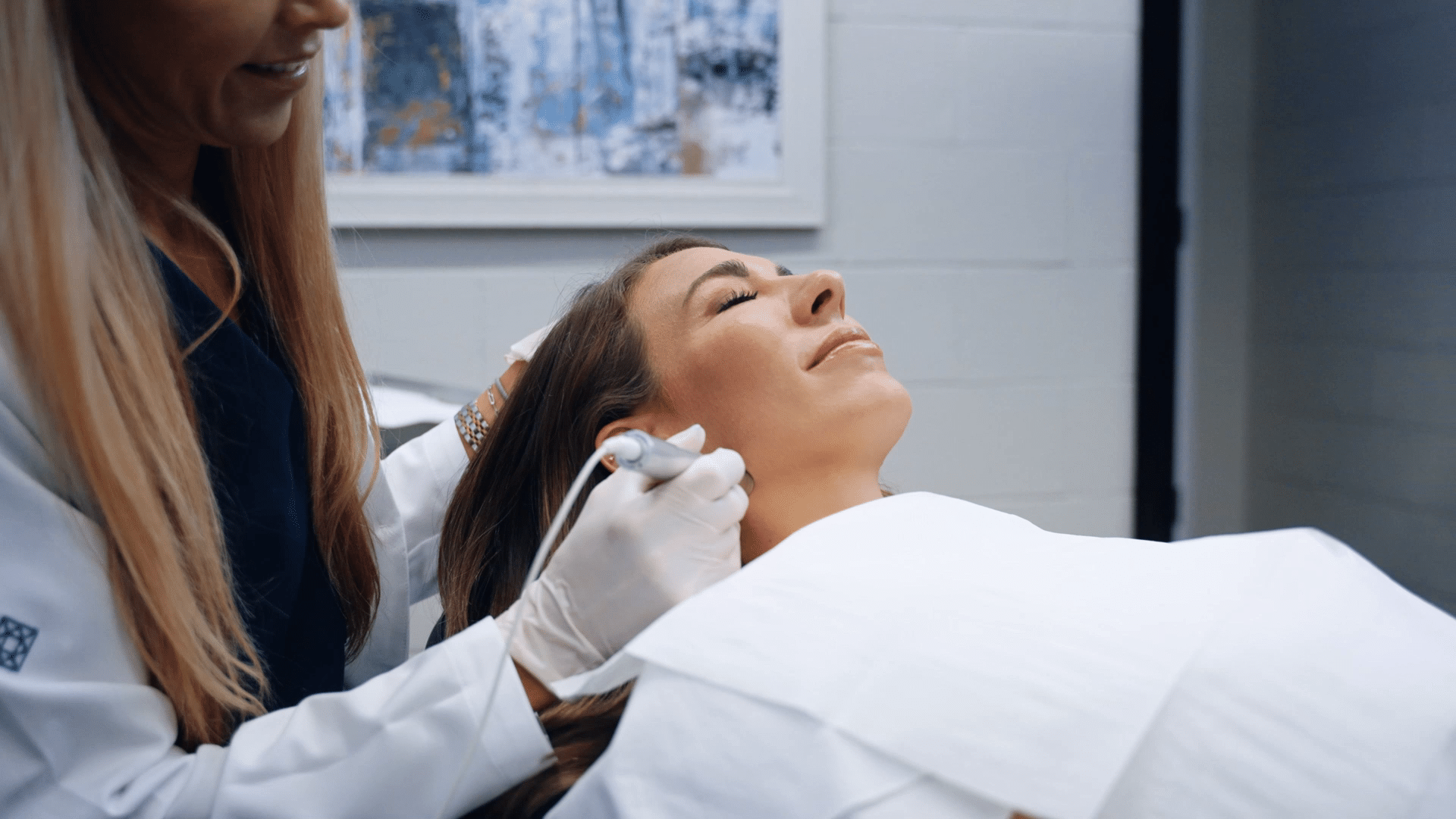
Dermal filler procedure at Paragon Skin & Surgery. Dermatologists help rejuvenate the patient's skin, enhancing appearance.
Safety and Care Considerations
Consultations and Patient Care
Both dermatologists and med spas emphasize the importance of thorough consultations to tailor treatments to individual needs. During these consultations, specialists assess skin concerns, discuss desired outcomes, and provide recommendations based on medical history and aesthetic goals.
Effective patient care involves ongoing communication and transparency about the procedures, associated risks, and realistic expectations. Personalized care plans are created to ensure that treatments align with the patient’s health and aesthetic desires.
Open dialogue between patients and providers fosters trust and encourages informed decision-making regarding treatments.
Safety Measures
Safety is a paramount concern in both fields. Dermatology clinics adhere to strict clinical protocols, using evidence-based practices to ensure patient wellbeing. This includes sterile environments and using high-quality, approved substances for treatments.
Medical spas also prioritize safety by maintaining a hygienic environment and employing qualified professionals. While the less invasive nature of spa services typically requires shorter recovery times, ensuring proper technique and following care guidelines are vital to minimizing risks.
Both types of services should follow state regulations to ensure patient safety and protect against complications.
Post-Treatment Considerations
Aftercare is crucial for achieving the best results post-treatment. Understanding recovery times and knowing what to expect can enhance the healing process:
- Understanding recovery time: Different treatments necessitate varying recovery periods; knowing these helps in planning ahead.
- Possible side effects: Temporary redness, swelling, or discomfort may occur following treatments.
- Follow-up appointments: Subsequent visits ensure the treatment’s effectiveness and address any concerns.
- Home care recommendations: Guidelines provided for maintaining results and promoting healthy skin.
- Signs of complications: Recognizing symptoms that may require immediate attention.
- Maintenance treatments: Periodic procedures might be necessary to sustain the achieved results.
- Long-term effects: Many treatments have lasting benefits that extend beyond immediate effects.
- Emergency contacts: Availability of a provider for guidance on post-care emergencies or queries.
Choosing Between a Dermatologist and a Medical Spa
Evaluating Individual Needs
Determining whether to visit a dermatologist or a med spa depends significantly on individual skin care needs. If the concerns are medically driven or entail chronic conditions like eczema, a medical professional such as a dermatologist is advisable. They can offer comprehensive diagnostics and tailored treatment plans.
Alternatively, for cosmetic enhancements or relaxation therapies, med spas provide a suitable environment. Their services can enrich one’s beauty regimen without extensive clinical intervention.
Understanding personal goals and discussing them with professionals can facilitate better decision-making.
Considering Results
Both dermatologists and med spas can deliver satisfactory results, but the spectrum of services varies. Dermatologists offer long-term solutions and treat conditions at their root. If diagnosing and addressing medical issues is a priority, consulting a specialist is recommended.
Med spas often focus on providing immediate improvements for aesthetic enhancements. If rapid, non-invasive treatments appeal to the patient, med spas are ideal choices.
Evaluating expectations and willingness to commit to a treatment plan is vital when choosing the appropriate provider.
Establishing a Care Routine
Effective skincare is an ongoing process that often necessitates regular visits for maintenance. Establishing a routine involves consistent application of recommended products and treatments, as well as periodic evaluations by professionals.
Regular consultations with a dermatologist can ensure the skin remains in optimal health, adapting to changes due to aging or environmental factors. Similarly, frequent visits to a med spa can help maintain a refreshed appearance through coordinated treatments.
Keeping a scheduled routine enhances both preventative and targeted skincare efforts, ensuring its efficacy over time.

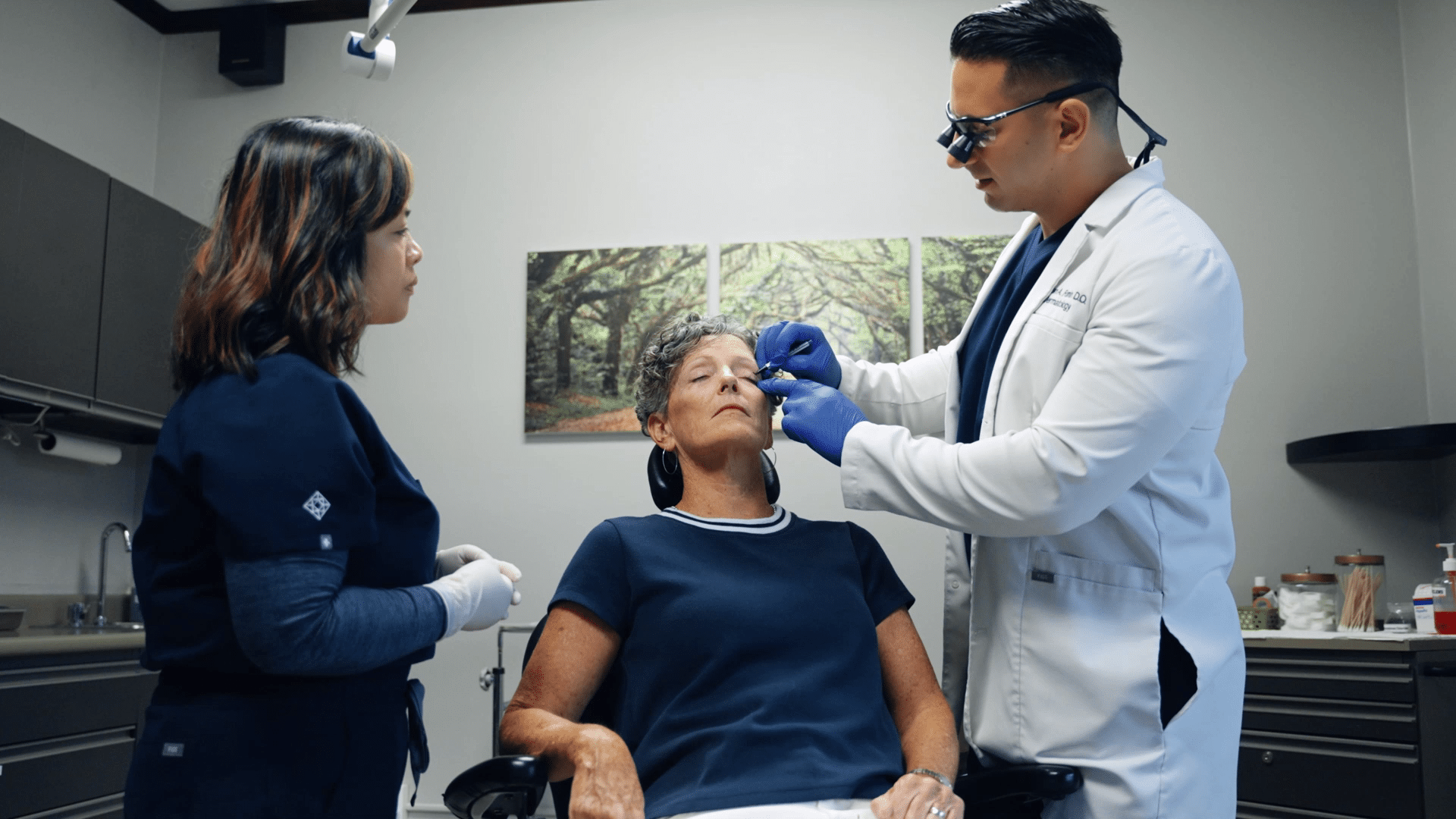
A patient sits comfortably in a medical office, preparing for a surgical procedure at Paragon Skin & Surgery, emphasizing patient care.
Future Trends in Dermatology and Medical Spas
Innovations in Dermatology
Dermatology is on the cutting edge of technological advancement, with innovations poised to enhance diagnostic and therapeutic capabilities. From the integration of AI in analyzing skin patterns and conditions to the development of personalized medicine, the field is rapidly evolving.
Emerging treatments like biologics and novel drug delivery systems are revolutionizing how skin conditions are managed. These advancements promise greater efficacy and safety in addressing various dermatological concerns.
Staying abreast of these trends allows dermatologists to offer state-of-the-art care tailored to individual needs.
Evolving Spa Treatments
Medical spas are constantly innovating to keep up with the growing demand for aesthetic beauty treatments. The future points towards more personalized, high-tech solutions, from the use of robots in performing precision treatments to the introduction of new, non-invasive anti-aging solutions.
Enhanced laser technologies and the incorporation of virtual reality experiences are set to redefine traditional spa visits, making them more immersive and effective.
These advancements not only expand treatment options but also enhance the overall customer experience.
The Future of Skincare
Skincare is increasingly moving towards a more holistic and personalized approach. Advances in genetic research and biotechnology are paving the way for customized skincare regimens that consider individual genetic makeup.
The ongoing exploration of sustainable and ethically sourced ingredients reflects a growing trend towards eco-friendly skincare solutions. This shift aligns with consumer demand for transparency and sustainability in beauty products.
Future developments promise to make skincare more inclusive and effective, addressing diverse needs with precision and care.
Conclusion on Choosing the Right Provider
Making Informed Choices
Deciding between a dermatologist and a med spa requires careful consideration of personal skin concerns and desired outcomes. Understanding the scope of services and the qualifications of professionals involved is crucial for making an informed decision.
Patients should evaluate whether their needs align more closely with clinical intervention or cosmetic enhancement, balancing these against factors such as budget and time availability.
Through comprehensive research and self-assessment, patients can choose the right provider to meet their skincare goals.
Consult with Professionals
Talking to multiple providers before committing to any treatment is advisable. Such consultations can provide insights into different approaches and enable a better comparison of options available from dermatologists and med spas.
Engaging with professionals also helps clarify any uncertainties about expected results and helps set realistic expectations.
Ultimately, choosing a provider should be based on trust and confidence in their ability to address personal skincare needs adequately.
Summary of Key Points
In summary, the decision to visit a dermatologist or a med spa should be guided by the nature of skin concerns and a thorough understanding of the roles each plays. Both provide valuable services but with different expertise levels and treatment focuses.
Patients are advised to prioritize safety, effectiveness, and the professional credentials of the provider, ensuring confidence in the chosen course of treatment. Through well-informed choices, patients can effectively manage their skin health and appearance.
Regular consultations and continuous care remain at the core of successful skincare regimes, promoting both health and beauty.
Common Questions about Dermatology and Medical Spas
Dermatologists have completed medical school and specialized residency training in dermatology, often spending over a decade in education. They are trained to diagnose and treat a wide range of skin, hair, and nail conditions.
Medical spa treatments are generally safe when performed by qualified and experienced staff in supervised settings. Compliance with safety protocols and regulations ensures procedures are conducted securely.
Consider your skin’s needs, desired outcomes, and budget. Research providers’ qualifications, reviews, and treatment offerings. A consultation can help determine whether a dermatologist or med spa suits your needs.
Medical spas offer a variety of cosmetic treatments, including botox, dermal fillers, chemical peels, laser procedures, and microneedling, focusing primarily on aesthetic enhancement and skin rejuvenation.
A dermatologist should be consulted if you have persistent skin issues, need medical treatment for conditions like acne or eczema, or require a professional diagnosis of suspicious moles or lesions.
During a consultation, your skin concerns, medical history, and treatment goals will be discussed. A provider will recommend suitable procedures and explain the benefits, risks, and expected outcomes.