What is Mohs Surgery?
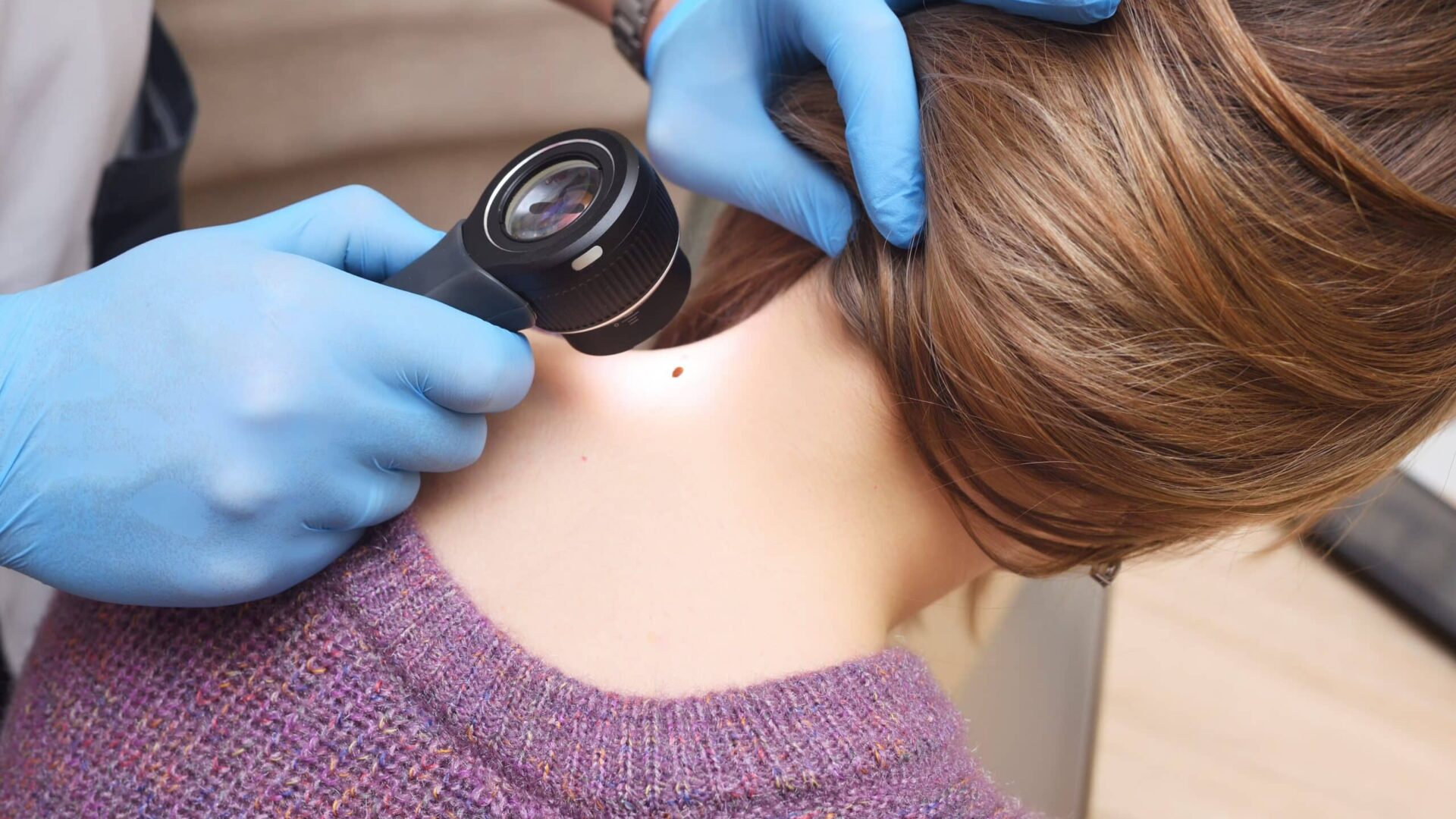
Mohs surgery is a specialized procedure used primarily to treat skin cancer, characterized by its microscopic examination of excised tissue during the surgery process. This method allows Mohs surgeons to efficiently identify and remove cancerous cells while preserving as much healthy tissue as possible. Primarily used for basal and squamous cell carcinoma, this technique offers high cure rates.
Mohs surgery stands out due to its meticulous process of layer-by-layer excision and examination, ensuring minimal damage to surrounding healthy tissue. Patients often choose this surgical option due to its effective combination of high precision and low recurrence rates.
Involving local anesthesia, Mohs surgery is usually performed on an outpatient basis, making it convenient for patients. As with any substantial procedure, selecting a board-certified dermatologist to perform the surgery is critical for optimal outcomes and recovery.
The Role of Mohs Surgeons
Mohs surgeons are dermatology specialists who have advanced training in the Mohs technique. Their role includes performing the surgery, analyzing removed tissue, and ensuring the complete excision of cancerous cells while preserving healthy skin. They provide a comprehensive service from diagnosis to recovery, which reflects their pivotal role in successful skin cancer treatment.
In addition to performing the surgery, Mohs surgeons also offer guidance on post-operative care. This ensures thorough follow-up, monitoring for recurrence, and management of any unexpected side effects or complications from the surgery.
A board certified dermatologist serving as a Mohs surgeon not only impacts patient outcomes due to their expertise and training but also reassures patients of the precision and quality of care they will receive during treatment.
Benefits of Mohs Surgery
Mohs surgery offers several benefits: primarily its high effectiveness in treating skin cancers with minimal cosmetic impact. It boasts a cure rate of over 99% for new skin cancers and 94% for recurring cases. This makes it a top choice among available skin cancer treatments.
Furthermore, because it is performed on an outpatient basis, recovery times are often quicker, allowing patients to return to normal activities sooner. This efficiency and effectiveness make Mohs surgery a preferred option for many dermatologists and patients facing skin cancer treatment.
Additional benefits include reduced damage to surrounding healthy tissues, making Mohs surgery particularly attractive for cancers located in visible areas, such as the face and neck. These advantages underline why the role of the Mohs surgeon is critical in offering patients the best outcomes.
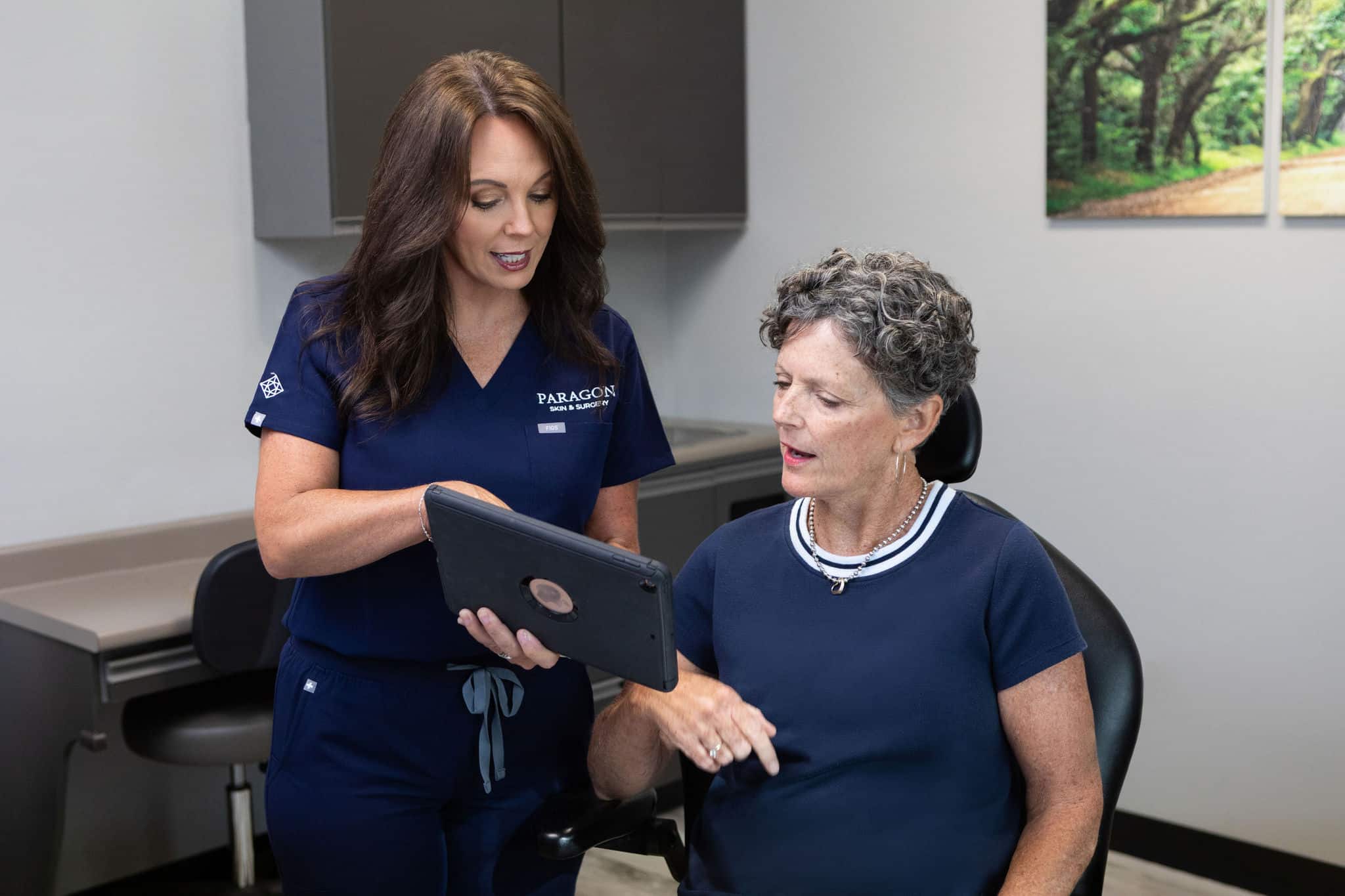
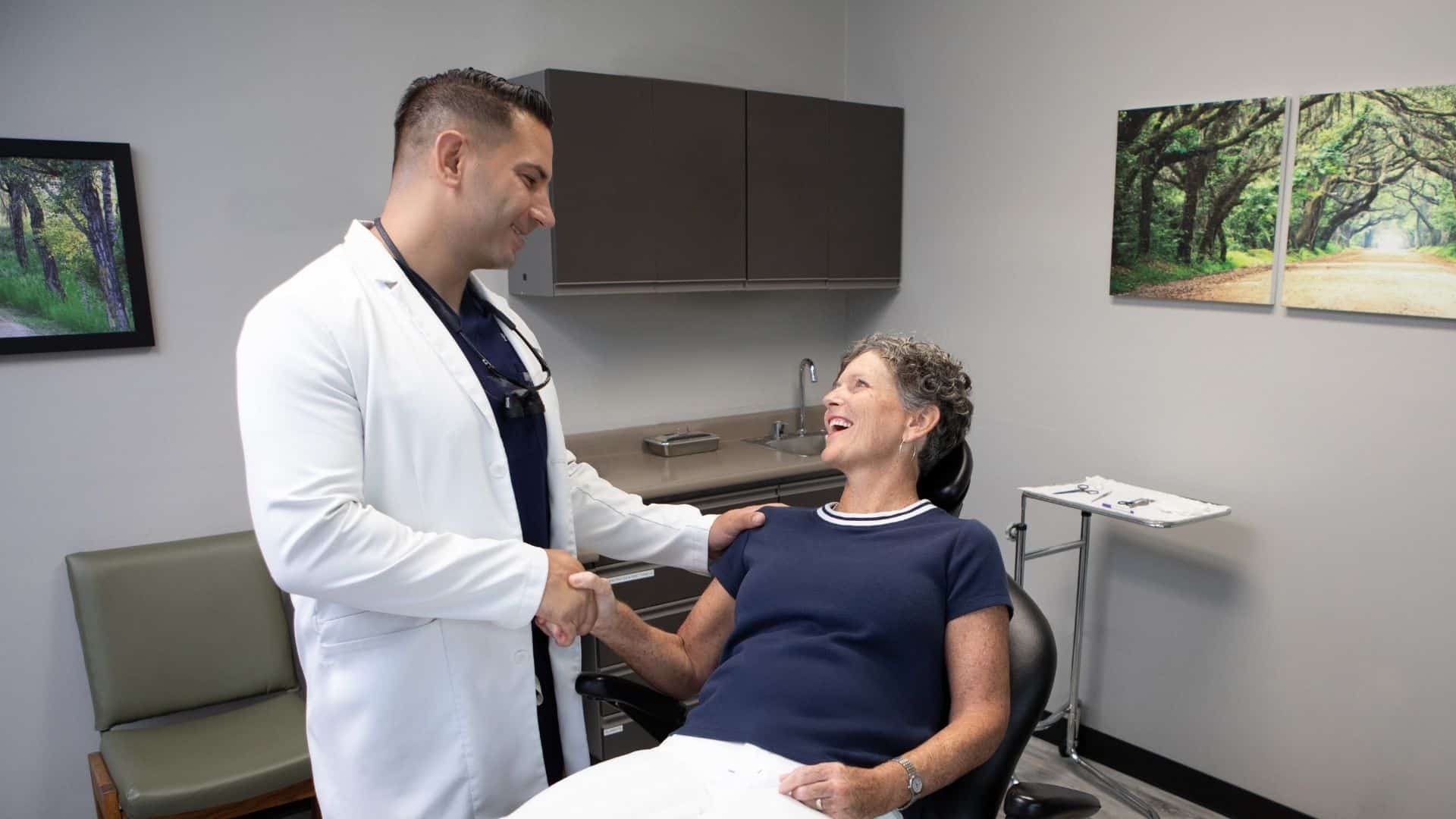
A dermatologist discusses treatment options with a patient while showing information on a tablet in a modern clinic.
Educational Path
The journey to becoming a Mohs surgeon involves extensive training and specialized education. Initially, prospective surgeons complete four years of medical school followed by a residency in dermatology. This foundational education provides the medical knowledge and skills required to understand skin pathologies and the importance of precise surgical techniques.
After completing their dermatology residency, those wanting to specialize in Mohs surgery must undergo further specialized training. This intensive training focuses on dermatopathology and micrographic surgery, ensuring doctors become adept at recognizing and excising skin cancers while minimizing impact on healthy tissues.
For aspiring Mohs surgeons, continuous education is crucial for mastering the precision necessary in the Mohs procedure. This foundation is essential for offering patients optimal care during and after cancer treatment.
Residency and Fellowships
Clinical dermatology residency involves significant hands-on experience and study. During this period, future Mohs surgeons refine the skills needed for effectively diagnosing and treating skin conditions. They engage in rigorous training, encompassing all aspects of dermatology including surgical procedures and skin cancer treatments.
Upon completing a dermatology residency, a fellowship program in Mohs surgery and dermatologic oncology is typically the next step. These programs are dedicated to mastering Mohs surgical techniques and ensuring candidates become skilled at handling complex cases with confidence. The fellowship offers exposure to a wide range of cases, thereby enhancing diagnostic and surgical precision.
All these experiences prepare future Mohs surgeons to handle diverse challenges, ensuring they provide nuanced care tailored to each patient’s specific needs.
Certification and Continuous Education
Board certification is an essential milestone for Mohs surgeons. It validates their expertise and commitment to adhering to the highest standards of dermatological care. After completing rigorous exams, dermatologists become certified and recognized as specialists who possess the knowledge needed to perform Mohs surgery proficiently.
Even after certification, continuous education remains a vital part of a Mohs surgeon’s career. Regular participation in workshops, conferences, and updated training sessions ensures that they remain current with the latest advancements in skin cancer treatment and clinical dermatology.
Through continuous education, Mohs surgeons are not only capable of performing surgery with precision but are also equipped to adopt new techniques and innovations in cancer treatments, thus providing patients with state-of-the-art care.
Indications for Mohs Surgery
Mohs surgery is recommended for skin cancers that are large, aggressive, or located in cosmetically sensitive areas. It’s particularly useful for tumors with poorly defined edges and those that have recurred after previous treatment attempts. As a meticulous surgical technique, Mohs surgery is favored for achieving complete cancer removal with minimal impact on nearby healthy tissue.
This procedure is also recommended for basal cell carcinoma and squamous cell carcinoma, especially when these appear on the face, ears, or hands. The precision Mohs surgery offers makes it the go-to solution among skin specialists in treating specific types of skin cancer.
Alternative Treatment Options
While Mohs surgery is highly effective, other dermatology treatments may be suitable in specific circumstances:
- Cryotherapy: This involves using extreme cold to freeze and destroy abnormal tissues, generally used for precancerous lesions.
- Electrosurgery: Utilizes electric current to remove cancerous tissues, often recommended for superficial skin cancers.
- Topical Chemotherapy: Involves applying cancer-fighting drugs directly to the skin, suitable for treating certain early-stage skin cancers.
These alternatives offer viable options in circumstances where Mohs surgery is not the most practical approach, ensuring patients have a range of effective treatment strategies to consider.
Consultation Process
The preparation for Mohs surgery begins with a comprehensive consultation with a clinical dermatology expert. During this initial meeting, dermatologists assess the patient’s condition, discuss potential risks, and help determine if Mohs surgery is the appropriate option.
Consultations provide an opportunity to discuss patient needs and expectations while addressing concerns about recovery times, potential outcomes, and post-operative care. The goal is to ensure patients feel informed and confident in their treatment choices.
Understanding the nuances of each patient’s case allows dermatologists to customize treatment plans, contributing to successful surgical outcomes and patient satisfaction.
Step-by-Step Procedure
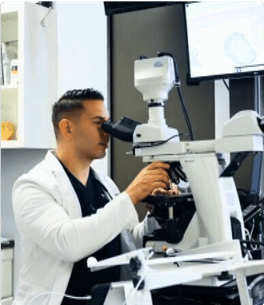
During the Mohs surgery, patients can expect a precise and carefully staged process. The surgeon begins by removing the visible portion of the tumor. Each removed layer is immediately analyzed microscopically to check for cancer cells, allowing immediate action if necessary. This process is repeated layer by layer until no further cancerous cells are detected, ensuring the complete excision of cancer while conserving healthy tissue.
This meticulous approach, realized through a series of precise steps, yields high success rates and is preferred for treating complex skin cancers efficiently. The process is time-consuming, taking several hours but leading to significantly advantageous outcomes.
Post-Surgery Care
After Mohs surgery, proper post-operative care is crucial for healing and preventing complications. Here’s a detailed guide for patients:
- Wound care instructions: Keep the bandage on for the specified time and follow cleaning procedures as advised.
- Follow-up appointments: Attend scheduled visits to monitor recovery progress and address any concerns.
- Signs of complications: Watch for unexpected redness, swelling, or bleeding, and contact your doctor accordingly.
- Managing pain: Use prescribed pain medication if needed, and avoid over-the-counter options unless recommended.
- Sunscreen application: Apply sunscreen on healed areas to protect from further sun damage.
- Moisturizing techniques: Use approved moisturizers to keep the wound site soft and supple.
- Avoiding irritants: Steer clear of harsh chemicals and skin products that may cause irritation.
- Healing time expectations: Understand that healing can vary but typically resolves over a few weeks.
By following these guidelines, patients can enhance their recovery while minimizing the risks associated with the surgical procedure.
Success Rates
Mohs surgery is renowned for its high success rates, achieving cure rates of up to 99% for new cancers and around 94% for recurring cancers. Recurrence rates are low due to the meticulous tissue inspection process during surgery.
- Recurrence rates: Mohs surgery’s low recurrence rates make it the preferred method for treating skin cancer, particularly complex cases.
- Factors affecting outcomes: These include the tumor’s location, previous treatments, and patient health.
- Importance of follow-up care: Regular monitoring can prevent new cancer development and ensure no recurrence.
- Statistics on skin cancer types: Different skin cancer types respond variably, but Mohs surgery is primarily used for basal and squamous cell carcinomas.
- Patient testimonials: Many patients express satisfaction with minimal scarring and effective removal of cancer.
- Quality of life post-surgery: Patients typically enjoy improved life quality due to effective treatment and reduced cancer recurrence.
- Psychological impacts: The reassurance of thorough cancer removal can positively impact mental health and confidence.
- Survivorship: Continued surveillance and care contribute to long-term survivorship and peace of mind.
These benefits highlight the importance of the procedural accuracy afforded by Mohs surgery, making it a leading choice for many patients and healthcare providers.
Future Trends in Skin Cancer Treatment
The landscape of skin cancer treatment is rapidly evolving with ongoing research and technological advances. Future trends include the development of less invasive techniques, new topical medications, and innovations in imaging technology that will further refine surgical accuracy and patient outcomes.
Current research focuses on enhancing surgical tools to improve precision and efficiency, potentially reducing surgery times and recovery periods. The integration of artificial intelligence in diagnostic tools holds promise for earlier detection and more personalized treatment regimens in clinical dermatology.
The continuous evolution of skin cancer treatments ensures that patients will benefit from more agile, effective interventions in the future, underscoring the commitment of the dermatology community to improving survivorship and quality of care.
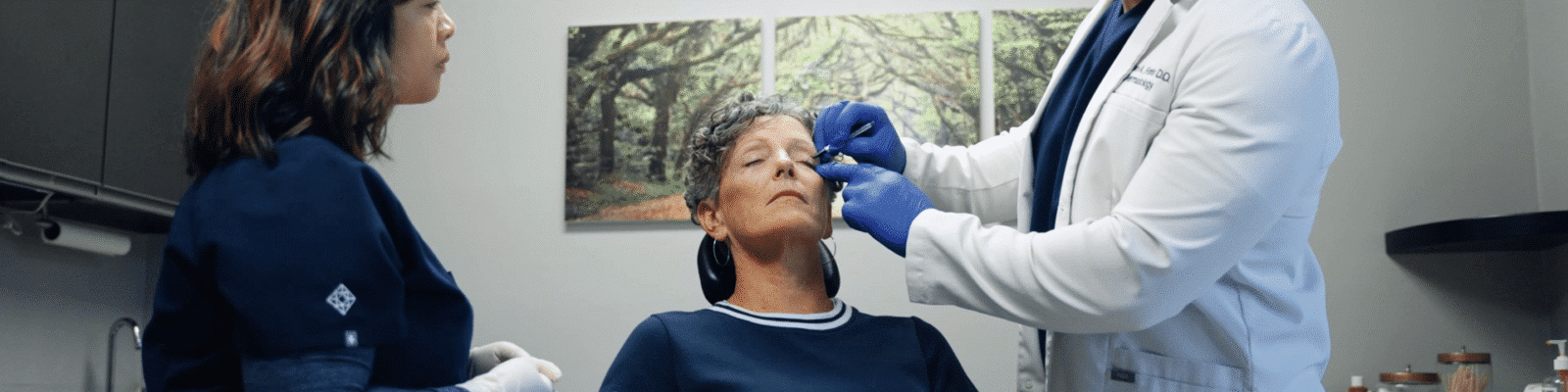
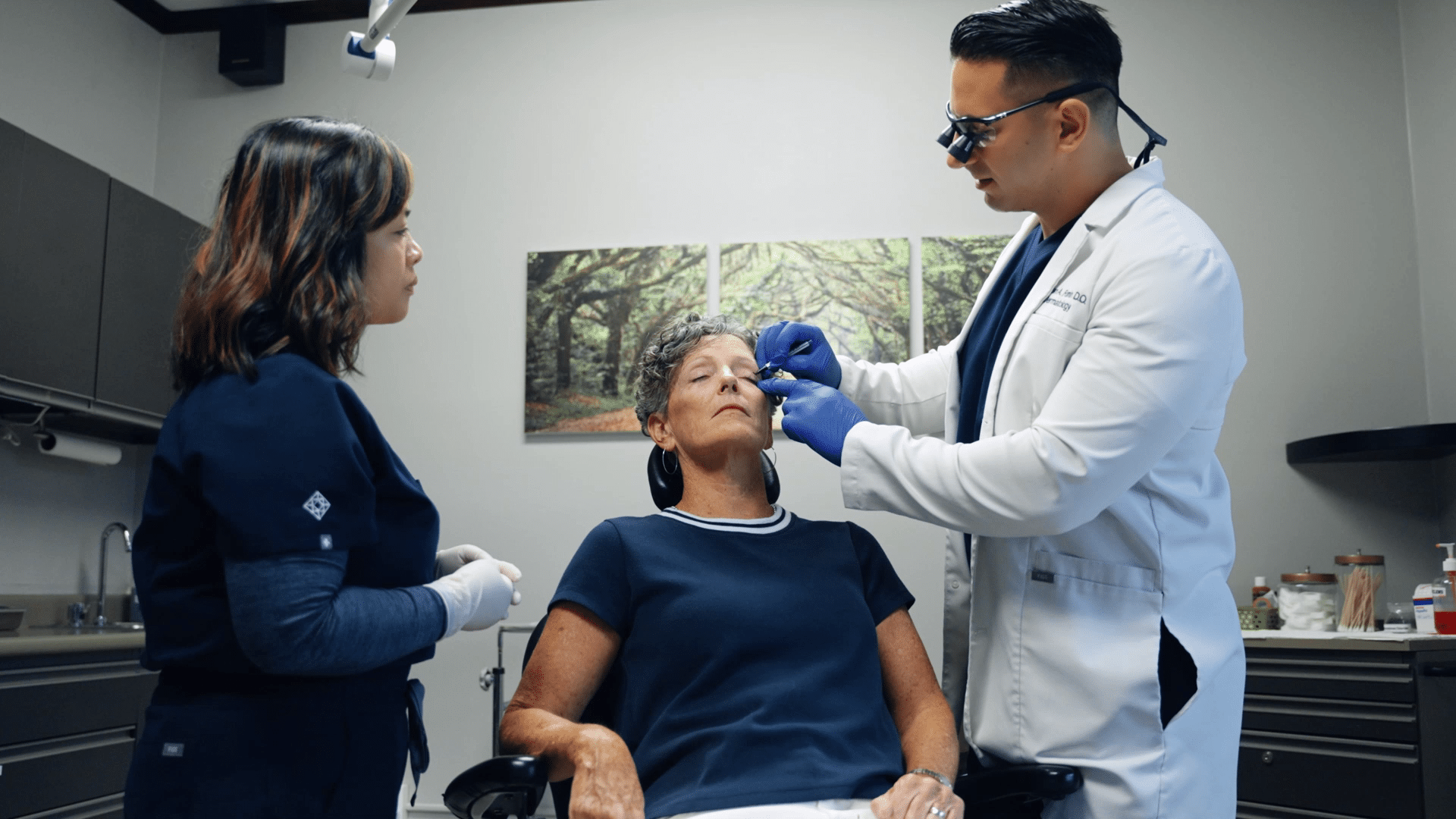
A doctor performs upper blepharoplasty on a patient in a clinic setting, highlighting the importance of eyelid surgery for improved appearance.
The Importance of Specialized Care
Choosing a trained Mohs surgeon for skin cancer treatment offers numerous benefits, not only in terms of medical expertise but also in personalized patient care and optimal surgical outcomes. This specialized care leads to precise tumor removal with the lowest possible rate of cancer recurrence.
Specialization in Mohs Surgery also means that patients have access to advanced diagnostic and treatment modalities ensuring a holistic approach to addressing skin cancers. The role of a cosmetic dermatology specialist extends beyond surgery and involves comprehensive support throughout the patient’s treatment journey.
Final Thoughts
Mohs surgery remains a cornerstone in skin cancer treatment, merging technological precision with expert medical care. Seeking out qualified Mohs surgeons, like those at Paragon Skin & Surgery, ensures patients receive care that recognizes the complexity of skin cancer while prioritizing the patient’s overall well-being.
By integrating continuous education and cutting-edge technology into their practice, dermatology specialists continually elevate the standard of care for patients facing skin cancer, offering hope and healing through specialized, compassionate care.
Frequently Asked Questions
Mohs surgery can last several hours due to its detailed and step-by-step nature. Each layer of tissue removed is examined microscopically, which takes time but is vital for ensuring all cancerous cells are excised while conserving healthy tissue.
Preparation for Mohs surgery involves discussing your medical history with your surgeon, stopping certain medications, and arranging for transportation home post-surgery. Your doctor will provide detailed instructions to ensure you are well-prepared.
While Mohs surgery is highly effective and generally safe, risks may include bleeding, infection, or adverse reactions to local anesthesia. These are usually minor and can be managed under your surgeon’s guidance.
Additional treatments post-Mohs can depend on the initial extent of the cancer and its location. Your surgeon will discuss any further treatments or monitoring required during follow-up consultations.
Yes, Mohs surgery is effective across all skin types. Its precision allows it to be used on diverse skin textures and tones, aiming for minimal scarring and effective removal even in sensitive areas.
Recovery from Mohs surgery is generally swift. Patients may experience some discomfort, which can be managed with medication, and are given care instructions to aid in proper healing and prevent complications.