What are Chronic Wounds?
Chronic wounds are wounds that fail to progress through an orderly and timely process of healing. Unlike acute wounds, which typically heal in a predictable timeframe, chronic wounds linger, posing significant health risks. These wounds require specialized attention to prevent complications such as infections or further skin breakdown.
The most common chronic wounds include venous ulcers, diabetic foot ulcers, and pressure wounds. Each of these requires specific clinical dermatology interventions to facilitate healing. Understanding the underlying causes is critical for effective treatment.
It’s essential to differentiate chronic wounds from others, so that patients receive timely care at a dermatology clinic. Early recognition and advanced treatments are vital for optimal outcomes. Venous leg ulcers are one such common type that often requires multidisciplinary management, involving a dermatologist.
Understanding the Causes
Chronic wounds develop due to a variety of factors, including poor blood circulation, diabetes, and prolonged pressure. These underlying conditions impair the body’s natural healing processes, turning a simple cut or scrape into a persistent problem. Lifestyle factors such as smoking and nutrition also play a significant role in wound chronicity.
Clinical dermatology highlights the importance of addressing these root causes to break the cycle of chronic wounds. A dermatologist can assess and identify contributory factors, implementing strategies that include lifestyle modifications to support wound healing.
Collaborative care at a dermatology clinic, focusing on both medical and lifestyle interventions, enhances the healing environment for problematic wounds. For example, exploring acne treatment options can provide insights into managing skin-related issues effectively.
Importance of Early Intervention
Early intervention is paramount in chronic wound care. Initiating treatment at the signs of non-healing can prevent further complications and reduce recovery times. Ignoring early signs or delaying treatment can lead to severe consequences, including infections or tissue loss.
Seeking advice from a dermatologist as soon as a wound becomes problematic ensures that advanced treatment strategies are employed. Dermatologists utilize their expertise in wound care to implement personalized care plans specific to each individual’s needs.
Continuous monitoring and adjustments in treatment plans are part of effective chronic wound care management. Establishing regular visits to a dermatology clinic for early intervention can significantly enhance healing outcomes.

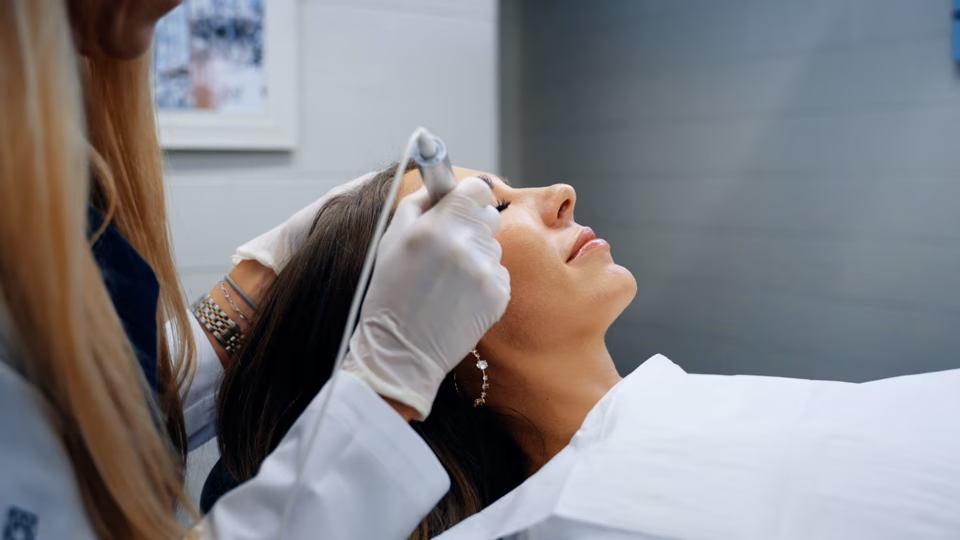
A patient at Paragon Skin & Surgery experiences microneedling for skin rejuvenation and revitalization.
Types of Chronic Wounds
Chronic wounds come in various forms, each requiring a unique approach for management. The common types are identified as diabetic foot ulcers, venous ulcers, and pressure wounds. Identifying the type of wound is the first step toward effective care.
Diabetic foot ulcers occur due to complications from diabetes, often arising from reduced blood flow and nerve damage. These wounds demand urgent care and a multidimensional approach involving both a podiatrist and dermatologist. Detailed diabetic foot ulcer management is crucial for preventing severe outcomes.
Venous ulcers, typically found on the legs, are due to poor circulation and require treatments focused on improving venous return. Addressing eczema management provides insights into handling the skin’s chronic conditions effectively.
Factors Contributing to Chronic Wounds
Numerous factors contribute to the development and persistence of chronic wounds. These include systemic diseases like diabetes, inadequate circulation, prolonged pressure, and infections. These factors compromise the body’s capacity to heal tissues efficiently.
Understanding these risk factors is essential for proper wound management. A combination of medical history review and diagnostic assessments conducted by a dermatologist helps in forming effective treatment plans.
Effective diagnosis involving clinical dermatology techniques helps tailor personalized care strategies for chronic wounds. Such an approach diminishes the likelihood of mismanagement and promotes quicker recovery.
Advanced Healing Techniques
Advanced healing techniques are transforming chronic wound care, offering new hope for faster recovery. These techniques focus on accelerating tissue repair and minimizing infection risks, using novel therapies to support natural healing processes.
Technological advancements in wound care include the adoption of regenerative therapies and the use of carefully designed synthetic materials that promote healing. Such innovations are most effective when integrated into a comprehensive treatment plan guided by a dermatologist.
Exploring these techniques provides the foundation for improving outcomes for chronic wounds, often neglected in typical care settings.
Assessment of Treatment Options
The choice of treatment depends largely on the wound type and individual patient needs. Here are some advanced therapies:
- Superficial Radiation Therapy (SRT): A non-invasive procedure that reduces inflammation and promotes healing in various types of chronic wounds.
- Debridement Techniques: Essential for removing dead tissue to encourage safe and effective healing.
- Skin Graft Procedures: Used for large, unresponsive wounds, providing new cellular growth areas.
- Hyperbaric Oxygen Therapy: Increases oxygen delivery to tissues, crucial for accelerating healing.
Evaluating these options requires knowledge of current medical and technological advancements in wound care.
Collaboration with Specialists
Successful management of chronic wounds is a collaborative effort involving a multidisciplinary healthcare team. Dermatologists work closely with various specialists, including vascular therapists, nutritionists, and physiotherapists, to optimize patient care.
Such collaboration is pivotal to ensuring all aspects of a chronic wound patient’s health are addressed, and treatments are coordinated effectively. It involves consistent communication and a shared care plan that targets improving wound outcomes.
Regular consultations and meetings among specialists enhance the quality and continuity of care, crucial for chronic wound patients. The SRT treatment process and comparisons like SRT vs surgery also play an essential role in informed decision-making.
Patient Education and Self-Management
Patient education and self-management are critical components of chronic wound care. Empowering patients with the knowledge and skills to manage their wounds effectively at home reduces hospital visits and enhances healing.
Educational initiatives in chronic wound care highlight proper wound cleaning, dressing changes, and monitoring for signs of infection. Dermatology clinics offer resources and support for empowering patients to understand their condition better.
The role of a Mohs surgeon and strategies like those in dermatology vs med spa environments illustrate the spectrum of care options available.
Lifestyle Factors in Chronic Wound Care
Maintaining a healthy lifestyle significantly contributes to chronic wound healing. Factors such as nutrition, exercise, and stress management can impact the healing process.
A balanced diet rich in vitamins and minerals facilitates tissue repair and immune function, essential for chronic wound recovery. Regular physical activity improves circulation, which is crucial for delivering nutrients to wound sites.
Adopting lifestyle changes might initially seem daunting, but gradual modification with professional guidance yields effective results, supporting faster wound healing and reduced pain.
Understanding the Emotional Impact
Dealing with chronic wounds often brings psychological and emotional challenges. Chronic pain, limited mobility, and prolonged healing times can lead to stress, anxiety, and depression.
Recognizing the emotional toll of chronic wounds is crucial in comprehensive care. Support systems from family, friends, and healthcare professionals play a vital role in ensuring emotional well-being.
The presence of chronic pain can exacerbate these feelings, necessitating a tailored approach to mental health support as an integral part of wound care.
Support Systems and Resources
The journey of chronic wound healing is made easier with robust support systems and resources. These avenues provide care and emotional strength needed for managing persistent wounds:
- Counseling Services: Provide psychological support to help cope with the stress of chronic wound care.
- Support Groups: Offer communal support through shared experiences and peer advice.
- Patient Advocacy Programs: Ensure patients receive fair treatment and have a voice in their care plans.
- Community Resources: Provide access to local support services that aid in comprehensive chronic wound care.
Incorporating these resources into a treatment plan can alleviate the pressures associated with chronic wound management, fostering hope and resilience.

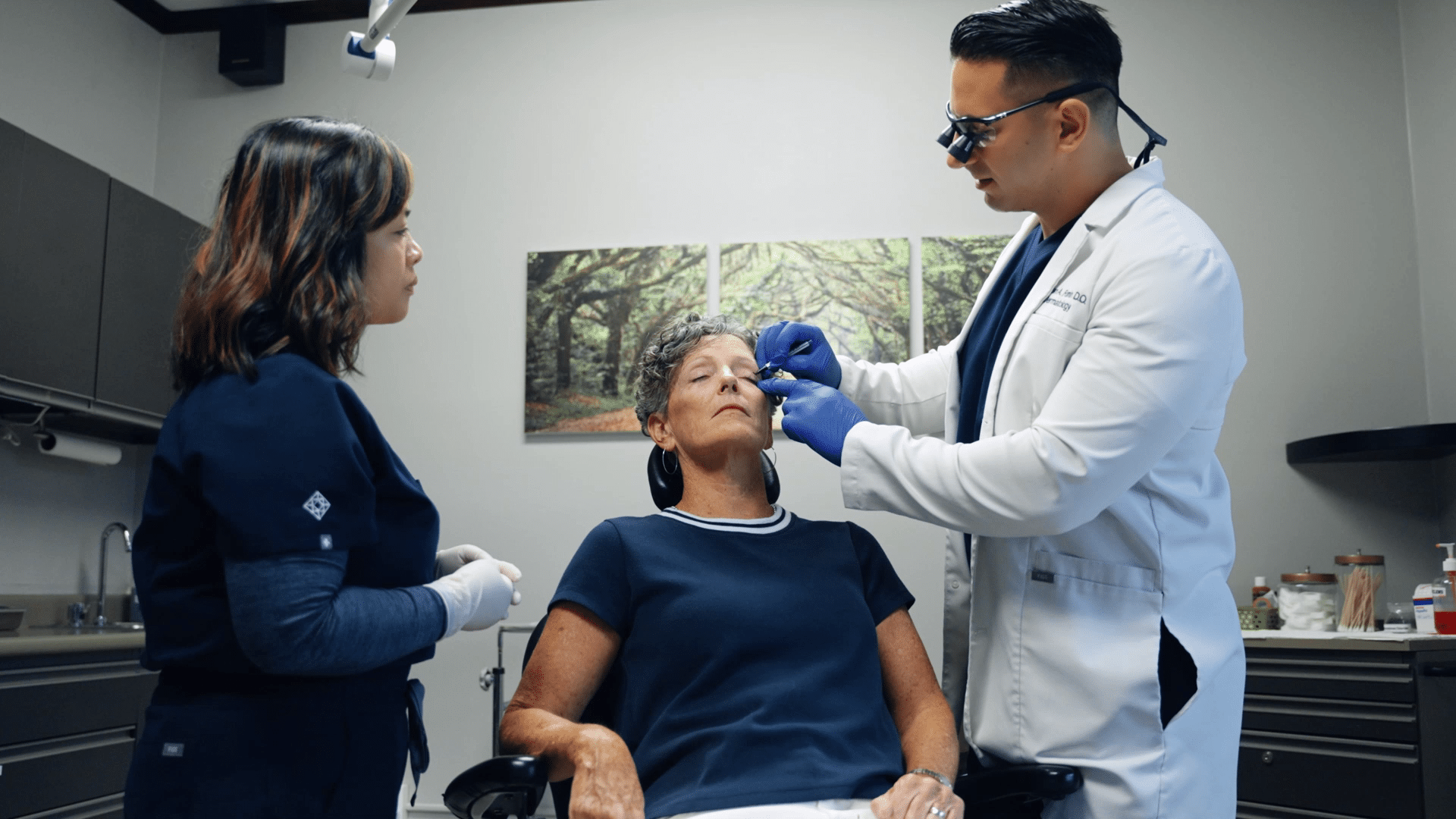
Dermal filler procedure at Paragon Skin & Surgery. Dermatologists help rejuvenate the patient's skin, enhancing appearance.
Collaboration Among Healthcare Providers
Chronic wound care benefits greatly from a multidisciplinary approach, where healthcare providers collaborate to ensure comprehensive patient care. Teamwork involving dermatologists, surgeons, nutritionists, and therapists provides holistic treatment strategies tailored to individual patient needs.
This collaboration ensures all medical and lifestyle factors are considered in crafting a patient-specific plan that addresses diverse aspects of wound care. Choosing the right skin specialist can significantly impact the efficacy and outcome of care.
Interactive treatment planning meetings ensure coordinated care, reducing treatment redundancies and enhancing patient outcomes. Mohs surgery exemplifies the precision required in skin cancer and chronic wound interventions, underlining the importance of collaboration.
Holistic Care Strategies
Emphasizing holistic care strategies is vital in addressing chronic wound challenges. Comprehensive care integrates medical treatment with lifestyle modifications and consistent follow-ups.
- Integrated Care Plans: Provide personalized treatment strategies that consider all health aspects.
- Regular Follow-ups: Ensure ongoing monitoring and adjustment of treatment plans to aid healing.
- Patient-Centered Care: Focus on the individual needs and preferences of patients.
- Utilization of Technology in Monitoring: Employs digital tools for tracking wound progress and patient health remotely.
By utilizing these strategies, the healthcare team optimizes healing and enhances patients’ quality of life, ensuring effective management of chronic wounds.
Frequently Asked Questions
The most common types of chronic wounds include diabetic foot ulcers, venous ulcers, and pressure wounds. Each type arises from specific health challenges like diabetes, poor circulation, and prolonged pressure on the skin. Proper diagnosis and targeted treatment are essential for effective healing.
Chronic wounds vary in healing time, with some taking weeks to several months to heal completely. Factors influencing this include the individual’s overall health, wound type, and adherence to the prescribed treatment plan. Regular consultations with healthcare providers aid in monitoring progress and making necessary adjustments.
Effective care at home involves routine cleaning, regular dressing changes, and monitoring for signs of infection like redness or swelling. Following medical advice regarding wound management, such as using prescribed ointments and keeping the wound clean and dry, is crucial for promoting healing.
Frequency of specialist visits depends on the severity and condition of the wound. Initially, weekly visits might be necessary to monitor progress and modify treatment as needed. Once the wound stabilizes, bi-weekly or monthly visits can be sufficient, always adapting to how the wound responds to treatment.