What is Superficial Radiation Therapy?
Superficial radiation therapy (SRT) is a non-surgical treatment method used primarily for skin cancer. It targets cancer cells located close to the skin’s surface, delivering precise and effective doses of radiation to eradicate tumors. At Paragon Skin & Surgery, SRT is known for its minimal invasiveness, offering patients a gentle yet potent alternative to traditional surgery.
This approach is particularly beneficial for individuals who may not be ideal candidates for surgery due to health reasons or personal preference. By focusing the radiation strictly on the cancerous cells, SRT minimizes exposure to healthy tissue, reducing the potential for damage and side effects.
The implementation of SRT at our clinic in Anderson, SC, has proven highly successful, providing a compelling option for many seeking skin cancer treatment.
Advantages of Using SRT
SRT offers numerous advantages over conventional skin cancer treatments. To begin with, it is a painless procedure that does not require any incisions, making the process much more comfortable for patients. Additionally, the lack of anesthesia in SRT means there are fewer risks associated with the treatment.
The precision of SRT allows for targeted treatment that spares healthy skin, which is a significant benefit compared to more invasive methods that might cause unnecessary trauma to surrounding tissues. This precise targeting also helps in achieving excellent cosmetic results, leaving minimal scarring.
Furthermore, patients appreciate the rapid recovery time associated with SRT, as the absence of surgical wounds eliminates the need for long healing periods, allowing individuals to resume their daily activities relatively quickly.
Who is a Candidate for SRT?
SRT is suitable for a wide range of patients, particularly those diagnosed with non-melanoma skin cancers such as basal cell carcinoma or squamous cell carcinoma. It is especially recommended for patients who are older, have underlying health conditions, or have cancers located in challenging areas like the face or ears where surgery could be disfiguring.
For many individuals, the decision to choose SRT over traditional surgery is influenced by the desire for treatments that align with a less disruptive lifestyle. Before undergoing SRT, a thorough consultation at a dermatology clinic ensures that the patient is an ideal candidate, and that no contraindications exist that might hinder the effectiveness of the therapy.

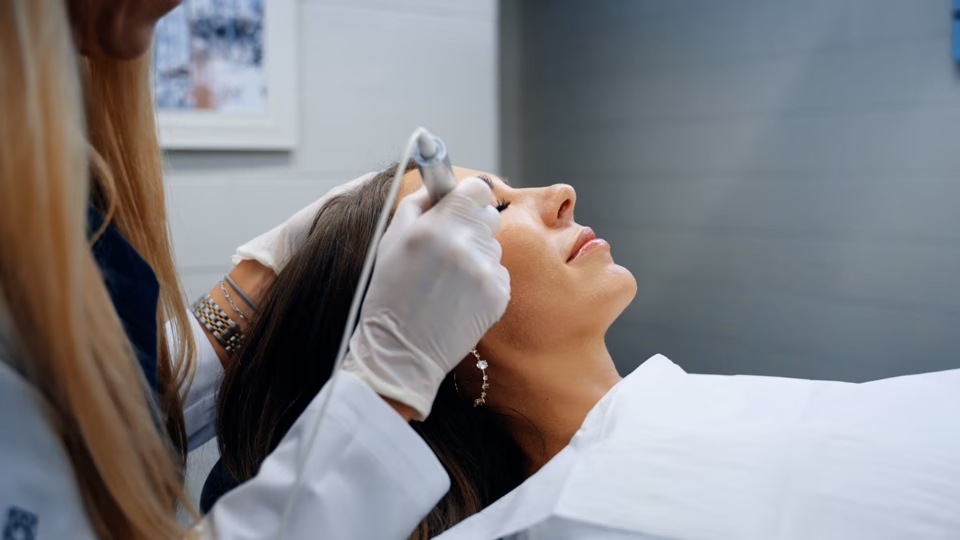
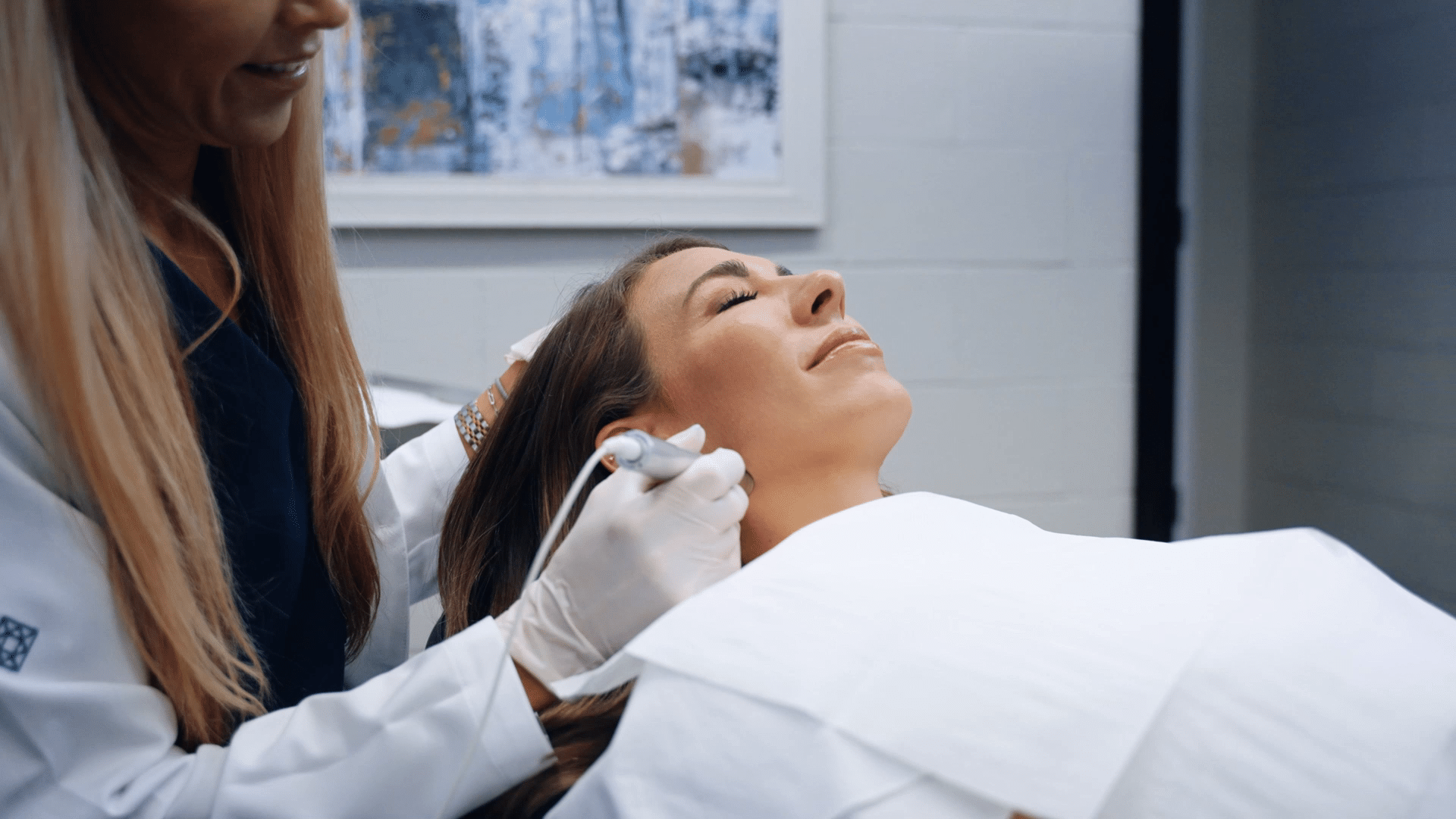
A patient at Paragon Skin & Surgery experiences microneedling for skin rejuvenation and revitalization.
Mechanism of Action
Superficial radiation therapy works by using low-energy X-rays to treat cancer cells that reside close to the skin’s surface. The technology harnesses a precise dosage of radiation, which is carefully calibrated to penetrate only the outer layers of the skin. This ensures that cancerous cells are targeted effectively while minimizing the impact on deeper tissues or adjacent healthy cells.
The mechanics of SRT involve a controlled radiation source that is positioned over the affected area, delivering energy calculated to destroy the DNA of cancer cells. This targeted approach facilitates the reduction or complete eradication of cancerous growths over a series of treatment sessions.
At Paragon Skin & Surgery, expert clinicians monitor each phase of treatment to ensure optimal outcomes with minimal discomfort.
Applications of SRT
Superficial radiation therapy is utilized in various medical scenarios, particularly for non-melanoma skin cancers. Here are some primary applications:
- Skin cancer treatment: Effective for basal cell and squamous cell carcinomas.
- Non-surgical procedures: Ideal for patients seeking non-invasive options.
- Precise targeting: Targets cancer while preserving healthy tissue.
- Reduced side effects: Minimizes unnecessary damage and discomfort.
- No anesthesia required: Eliminates anesthesia-related risks.
- Quick recovery time: Allows for a faster return to normal activities.
By choosing SRT, patients can experience effective treatment benefits while avoiding the more invasive disruptions typically associated with surgical procedures. As more healthcare providers highlight the advantages of SRT, patients at our clinic continue to benefit from efficient and gentle skin cancer care.
Comparing SRT to Other Treatments
Superficial radiation therapy presents an appealing choice compared to traditional surgical methods for skin cancer treatment. While surgical excision requires cutting into the skin to remove cancerous tissue, SRT uses precision-targeted radiation to achieve similar results without the need for incisions. As a result, patients benefit from a reduced risk of infection and less postoperative pain.
SRT does not necessitate the use of anesthesia, making it a safer option for patients who may have sensitivities or contraindications to anesthetic agents. Additionally, while surgical procedures often demand longer recovery periods, SRT allows individuals to regain their regular activities swiftly.
At our clinic, patients are provided with comprehensive consultations to evaluate all options and tailor treatment plans that best meet their unique medical needs and lifestyle preferences.
Benefits of Choosing SRT
There are numerous advantages to selecting superficial radiation therapy, which include:
- Less invasive: No cutting or stitches required.
- Minimal pain: Procedures are comfortable and well-tolerated.
- Shorter treatment sessions: Sessions are quick, with most being under 15 minutes.
- Preservation of healthy tissue: Radiation is focused solely on cancerous cells.
- Faster healing process: Patients experience quicker recovery times compared to surgery.
- Lower risk of complications: Fewer complications compared to surgical interventions.
- Effective for various skin cancers: Suitable for different types of non-melanoma skin cancers.
These benefits make SRT an appealing choice for many patients. The effectiveness of SRT combined with its gentle approach makes it a preferred treatment option in numerous clinical settings across the country.
Patient Experiences with SRT
The testimonials from patients who have undergone SRT highlight the treatment’s effectiveness and patient satisfaction. Many report positive experiences with minimal discomfort and excellent outcomes. Patients appreciate the non-invasive nature of the therapy and the swift return to their everyday routines.
Feedback consistently notes the courteous and professional care provided by clinicians, which enhances the overall experience of receiving skin cancer treatment at our facility. By delivering superior care and emphasizing patient education, our specialists ensure that every individual is informed and comfortable throughout their treatment journey.
Preparation for Treatment
Preparing for superficial radiation therapy involves a personalized consultation where the dermatology team assesses the patient’s condition and reviews their medical history. This thorough evaluation determines the appropriateness of SRT for the individual’s specific type of skin cancer.
During this initial phase, any necessary imaging studies may be conducted to map out the precise area requiring treatment. Patients receive comprehensive information on what to expect during the course of therapy, allowing them to prepare both physically and mentally.
Staff at our clinic are committed to ensuring patients embark on their treatment journey with confidence and reassurance.
During the SRT Procedure
The SRT procedure itself is swift and non-invasive, generally lasting around 10 to 15 minutes per session. The patient is positioned comfortably, and the radiation equipment is carefully aligned over the treatment area. As the radiation is applied, patients feel very little or no discomfort.
The process involves a series of fractions, which means treatment is spread out over several sessions to maximize efficacy and reduce risk. This fractional approach ensures that healthy tissue remains largely unaffected while targeting the cancer cells.
Post-Treatment Care
After the SRT sessions are completed, patients will have follow-up appointments to monitor healing and effectiveness. Post-treatment care focuses on ensuring optimal recovery and minimizing side effects. It’s important for patients to protect the treated area from excessive sun exposure and follow the dermatologist’s skin care recommendations.
Ongoing support at our dermatology clinic helps manage any concerns and ensure that patients achieve the best possible outcomes from their superficial radiation therapy.
Possible Side Effects
Like all medical treatments, superficial radiation therapy may present some side effects, although they tend to be mild compared to traditionally invasive procedures. Typical side effects include:
- Skin irritation: Mild to moderate skin irritation is common and usually temporary.
- Temporary redness: The treated area may appear red for a short period after treatment.
- Sensitivity: Some patients report heightened skin sensitivity post-treatment.
- Fatigue: A general sense of tiredness may be experienced.
Understanding these side effects helps patients prepare and reduce any associated anxiety as they navigate their treatment journey.
Managing Side Effects
Proactive measures are encouraged to manage and mitigate the side effects of SRT. Patients are advised to follow a skincare regimen provided by their dermatologist, which may include the application of soothing lotions and skin protectants.
Taking care to avoid irritants and protecting the skin from external factors such as sun exposure can further lessen potential side effects. Regular follow-ups allow the dermatology team to address any persistent issues promptly.
Long-Term Effects to Consider
From a long-term perspective, superficial radiation therapy is considered safe, with studies showing a significantly reduced risk of recurrence compared to untreated areas. Patients should, however, remain vigilant in observing any new skin changes, ensuring early detection of potential issues.
Continued partnership with a trusted dermatology clinic is vital, offering ongoing care and peace of mind long after the conclusion of treatment. By maintaining this relationship, patients can effectively manage and monitor their skin health, reducing the likelihood of future concerns.
Financial Considerations for Patients
Understanding the financial aspects of superficial radiation therapy is essential for patients planning their treatment journey. Costs can vary based on the extent and number of treatment sessions required, as well as the specific protocols used at each clinic.
It is advisable for patients to have open discussions with their healthcare providers about the anticipated costs associated with SRT. Clinics like Paragon Skin & Surgery offer transparent pricing and helpful resources to manage these expenses effectively.
Insurance Coverage
Insurance plans typically cover superficial radiation therapy, though coverage can differ significantly. Key questions to ask include:
- What to ask your insurance provider: Clarify which specific SRT services are covered under your plan.
- Potential out-of-pocket costs: Understanding copays and deductibles that will apply.
- Financial assistance options: Explore available programs for those who need additional support.
- Payment plans: Many clinics offer plans to make payments more manageable.
It is crucial to work closely with both the insurance provider and the medical team to navigate these financial elements effectively.
Cost Comparison with Other Treatments
When compared to traditional surgical methods, SRT offers competitive or even lower overall costs, especially given the minimal need for follow-up procedures or post-surgical garments and care. The efficiencies associated with SRT make it a valuable consideration for many patients.
At Paragon Skin & Surgery, we strive to provide thorough financial consultations, ensuring patients have a clear understanding of the cost implications as they proceed with their treatment choice.
Real Patient Experiences
Patient testimonials consistently emphasize the efficacious and gentle nature of superficial radiation therapy. Many have reported significant reductions in skin cancer lesions and expressed gratitude for the supportive care received throughout their treatment.
Patients value the combination of advanced technology and compassionate service, often noting their treatment at Paragon Skin & Surgery as an outstanding healthcare experience. These firsthand accounts reaffirm the considerable benefits and peace of mind provided by SRT.
Success Rates for SRT
Superficial radiation therapy boasts impressive success rates, especially for certain types of skin cancer like basal and squamous cell carcinoma. Research and patient data consistently reflect a high treatment efficacy and satisfaction level, showcasing the potential of SRT as a reliable option for many dealing with skin cancer.
Statistics from our clinic indicate significant long-term success, contributing to increasing confidence in the procedure’s outcomes and benefits.
Expert Opinions on SRT
Medical experts at dermatological clinics have lauded SRT for its effective treatment outcomes and patient-friendly approach. This method continues to gain favor among specialists for its combination of precision and patient safety.
Leading dermatology practitioners advocate for SRT as a significant advancement in non-invasive skin cancer management, emphasizing its place as a cornerstone of modern dermatological care.
Why Choose SRT?
Superficial radiation therapy stands out as a modern and gentle alternative for treating skin cancer. With its precision and non-invasive approach, SRT reduces discomfort and offers excellent cosmetic results, making it an attractive option for many patients.
The advantages of avoiding surgical interventions, such as rapid recovery and fewer complications, are key reasons why many choose SRT at our skin and cancer clinic. This method aligns with the goals of maintaining quality of life during and after treatment.
Final Thoughts on Skin Cancer Treatment
When considering treatment options for skin cancer, superficial radiation therapy provides a compelling choice, particularly for those seeking a non-surgical approach. It represents a balance between effectiveness and patient comfort, reinforcing its status as a leading option in dermatology care.
As treatment methods continue to evolve, the focus remains on developing therapies that align with both medical efficacy and patient well-being.
Next Steps for Interested Patients
If superficial radiation therapy seems suitable for your needs, scheduling a consultation at Paragon Skin & Surgery is the recommended next step. Our experienced clinicians are ready to discuss potential treatment plans tailored to individual goals and health requirements, ensuring informed decisions and personalized care.
By choosing SRT, patients embark on a journey toward effective treatment outcomes, supported by skilled professionals committed to providing exceptional care.
Frequently Asked Questions: Superficial Radiation Therapy
Superficial radiation therapy is a non-invasive treatment that uses low-energy X-rays to target skin cancers. It gently eradicates cancer cells close to the skin’s surface, offering a treatment option that does not require surgical intervention.
Unlike traditional surgery, which involves cutting into the skin to remove cancerous tissue, SRT uses radiation to destroy cancer cells without incisions. This non-invasive approach reduces recovery time and minimizes cosmetic concerns, making it an appealing option for many.
SRT provides a painless, incision-free treatment option with a quick recovery time, precise targeting of cancer cells, and minimal impact on healthy tissue. These benefits make it an excellent choice for those seeking effective cancer treatment with fewer side effects.
Ideal candidates for SRT include patients with non-melanoma skin cancers, especially those with lesions in sensitive areas where surgery might cause cosmetic issues. It’s also suitable for individuals unable to undergo surgery due to health conditions or personal preference.
Common side effects are generally mild and might include skin irritation, temporary redness, sensitivity, and fatigue. These are typically short-lived and manageable with proper skincare guidance from the treatment team.
The cost of SRT can vary based on the number of sessions and the specific healthcare provider. Generally, it is cost-competitive with surgical procedures, especially when considering the lack of postoperative care requirements.
Insurance coverage for SRT typically depends on the specific plan and medical necessity as determined by your healthcare provider. Patients are encouraged to check with their insurer about coverage specifics and any potential out-of-pocket costs.
During SRT treatment, patients can expect a quick and painless session lasting around 10 to 15 minutes. Multiple sessions are usually required, and patients will be closely monitored to ensure the treatment’s effectiveness.