Understanding the Role of a Board-Certified Dermatologist
A board-certified dermatologist is a highly trained skin specialist who has undergone rigorous education and training to diagnose and treat skin conditions effectively. These professionals are experts in managing diseases of the skin, hair, and nails. Their certification denotes that they have met the high standards of education and experience required in the field of dermatology.
Choosing the right skin specialist ensures you receive the most accurate diagnosis and comprehensive care for your skin issues. Board-certified dermatologists play a crucial role in identifying skin diseases early, often using their expertise to detect malignant changes in the skin that could lead to severe conditions.
For patients, the reassurance provided by consulting a board-certified dermatologist comes from their deep understanding of skin pathology and treatment methodologies. They are indispensable in guiding patients through complex decisions, including when to pursue medical treatments over cosmetic solutions.
How They Are Different from Other Skin Specialists
While many practitioners offer dermatological services, board-certified dermatologists possess unique qualifications that set them apart. Differing from general skincare providers, these specialists have completed extensive residency training specifically in dermatology, followed by rigorous board examinations. This process ensures an exceptional level of competency and dedication to patient care.
By seeing a board-certified dermatologist, patients benefit from a specialist whose skills are sharpened by a commitment to continual learning and staying updated with the latest in dermatological research. This is significantly different from non-certified professionals, whose training may not be as extensive.
The complexity of skin conditions demands specialized knowledge, something that dermatology clinics are better equipped to handle than general or cosmetic-focused practices.
What Qualifications They Hold
Becoming a board-certified dermatologist requires completing medical school, passing a standardized series of board exams, and completing a dermatology residency program. This path ensures that they are well-versed in medical and surgical aspects of dermatology.
Additionally, board-certified dermatologists often engage in ongoing education to remain at the forefront of technological and methodological advancements in dermatological care. The highly selective nature of dermatology residencies signifies the dedication and the competitive standard one must meet to enter the field.
This rigorous path is designed to ensure that these skin doctors are not only skilled but are also committed to providing patients with safe, effective, and contemporary care.

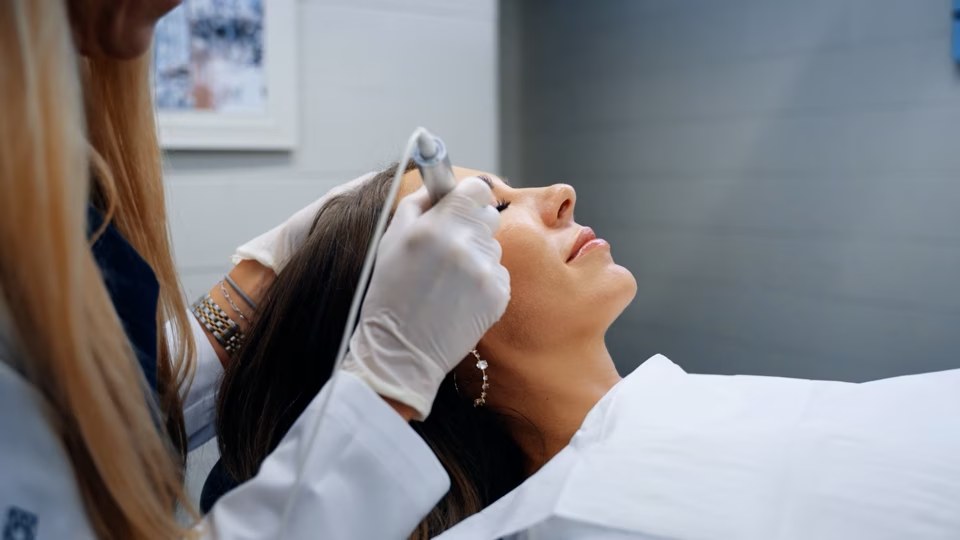
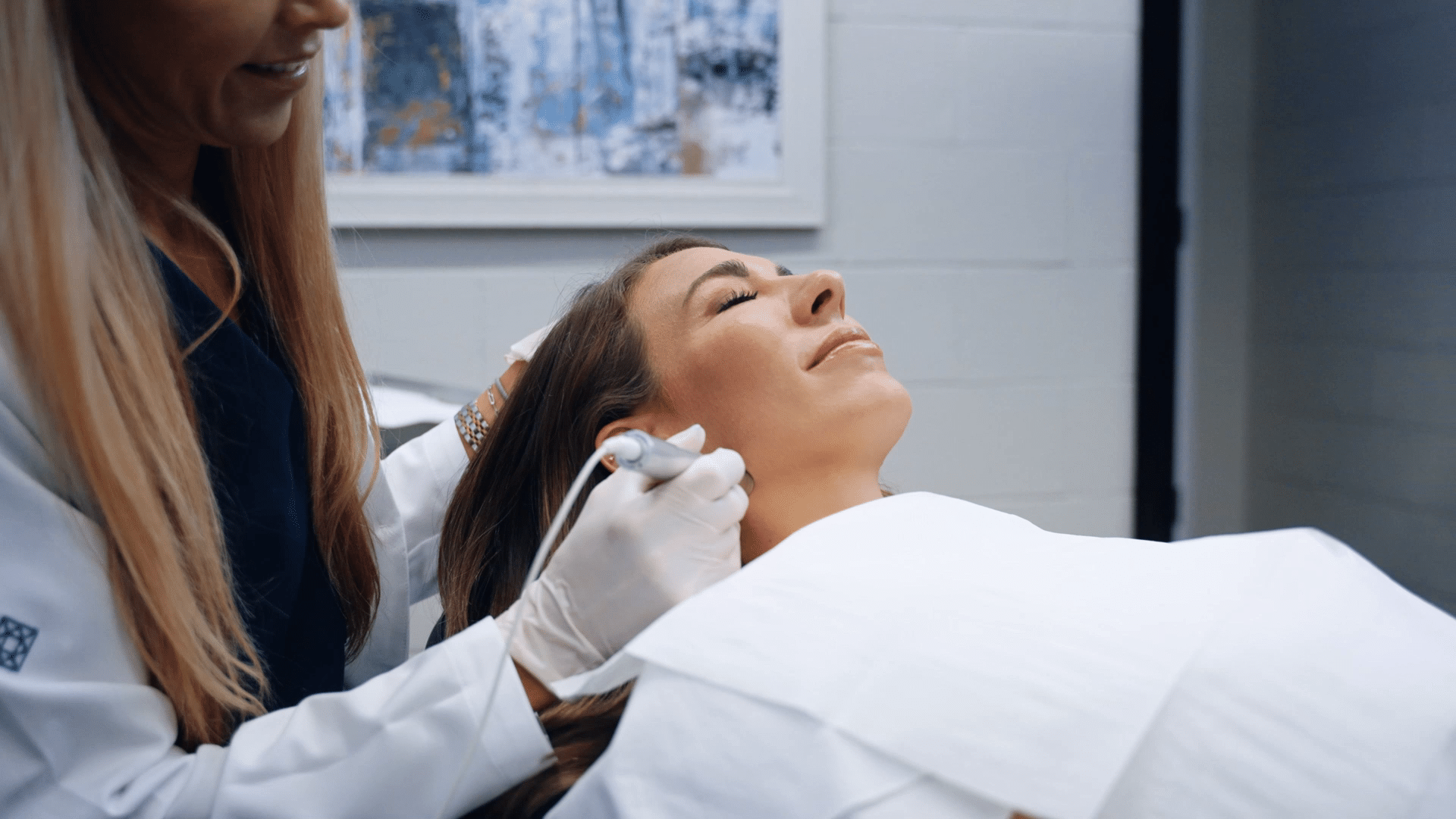
A dermatologist examines a patient's neck skin using a dermoscope to assess skin health and detect potential issues.
Common Dermatological Procedures
Dermatologists are skilled in a variety of procedures aimed at diagnosing and treating skin conditions. One such procedure is dermoscopy, which plays a pivotal role in the non-invasive examination of skin lesions. This technique helps in the early detection of skin cancer, ensuring timely intervention.
Another common procedure is biopsy, where a small sample of skin is removed for laboratory analysis. It is crucial for diagnosing numerous dermatological conditions. Dermatologists also perform excisions to remove growths, such as moles or skin lesions, that could potentially develop into skin cancer. Accurate and early intervention by board-certified dermatologists is vital in managing such conditions effectively.
At Paragon Skin, treatments such as cryotherapy and laser treatments address various skin issues with precision, enhancing patient care and outcomes.
Common Treatments They Provide
Board-certified dermatologists offer a wide range of treatment options tailored to individual skin needs:
- Acne Treatment Options: Experts are adept in prescribing topical treatments, medications, and even advanced therapies to manage and reduce acne effectively.
- Eczema Management: They provide comprehensive care plans to alleviate the symptoms of eczema, focusing on both immediate relief and long-term management strategies.
- Psoriasis Care: By combining lifestyle recommendations with medications, dermatologists help control and improve psoriasis conditions.
In addition to these, they offer specialized treatments for various other conditions, ensuring comprehensive dermatologic care.
Diagnosis Techniques
The cornerstone of dermatological practice is the accurate diagnosis of skin conditions, which begins with a thorough skin examination. Dermatologists use an array of diagnostic techniques, including dermatoscopy, which aids in a more detailed examination of skin lesions, and fungal tests that help identify common infections.
For more complex conditions, dermatologists might employ skin biopsies or utilize advanced imaging techniques to ascertain a precise diagnosis. Using these diagnostic tools, dermatologists can tailor an effective treatment strategy, addressing both symptoms and potential underlying causes.
Recognizing patterns in skin conditions allows dermatologists to distinguish subtle differences that may elude less specialized practitioners. They also play a key role in managing chronic conditions, such as diagnosing diabetic foot ulcers and differentiating them from more common skin issues.
Treatment Plans
Once a diagnosis is confirmed, a dermatologist formulates a treatment plan that may involve medication, lifestyle changes, or procedural interventions to manage or heal the condition.
Many dermatologists leverage their extensive knowledge of pharmaceuticals to prescribe effective topical and oral medications, aligning treatment with the latest research and clinical findings. Tailoring these plans to individual patient needs ensures optimal outcomes.
They also integrate other non-prescription treatments, educating patients on the role of moisturizers, sunscreens, and dietary improvements in maintaining skin health. The overall goal is to alleviate symptoms, prevent complications, and promote skin recovery.
Follow-Up Care
Effective dermatological treatment often requires ongoing care and periodic follow-up visits to monitor progress and adjust treatment plans as necessary. Dermatologists typically schedule follow-ups to review patient outcomes, re-evaluate skin health, and make any necessary treatment changes.
These follow-up visits are crucial for chronic conditions like venous leg ulcers, where continuous monitoring ensures complications are minimized, and healing is optimized.
By establishing a continuum of care, dermatologists help patients achieve long-term skin health, fostering trust and improving overall well-being.
Importance of Preventive Care
Preventive care is a vital component in dermatology, serving as the first line of defense against skin issues. By educating patients on early symptom recognition and risk factors, dermatologists empower patients to take control of their skin health.
This proactive approach includes regular skin checks and patient education on the benefits of UV protection and hydration. Early detection of abnormalities, such as suspicious moles or unusual lesions, often leads to more effective treatment outcomes.
By focusing on prevention, dermatologists not only help in reducing the incidence of serious skin conditions but also improve overall skin quality, advising on strategies that include skin cancer prevention.
Lifestyle Changes for Healthy Skin
Promoting healthy skin often requires lifestyle adjustments:
- Sunscreen Application: Regular use of broad-spectrum sunscreen helps protect the skin from harmful UVA and UVB rays, preventing premature aging and reducing skin cancer risks.
- Moisture Management: Keeping the skin well-moisturized is essential to maintain its barrier function, preventing dryness and protecting against external irritants.
- Healthy Diet Habits: A diet rich in antioxidants, vitamins, and essential fatty acids supports skin health and enhances its natural resilience.
These changes, coupled with informed skincare routines, contribute significantly to maintaining healthy, vibrant skin.
Regular Dermatological Check-Ups
Consistent skin examinations by a dermatologist are fundamental, especially for individuals with a history of skin issues. Regular visits allow for the early identification and management of any potential problems.
During these check-ups, dermatologists can assess changes in existing moles or lesions, crucial for preventing advanced conditions. They also provide opportunities for regular updates on wound care, ensuring patients are following the best practices in skin management.
Encouraging patients to incorporate regular dermatologist visits into their healthcare routine ensures continued skin health and peace of mind.
Myths vs Reality
There are several misconceptions surrounding board-certified dermatologists, often leading to patient confusion. One common myth is that dermatologists only treat cosmetic issues, while in reality, their expertise extends to serious medical conditions involving the skin, hair, and nails.
Another misconception is that dermatological care is prohibitively expensive. In truth, board-certified dermatologists provide a range of services covered by insurance, focusing not only on aesthetics but also on critical medical care.
Understanding the true scope of a dermatologist’s work dispels myths and highlights the importance of integrating dermatological care into general healthcare.
Understanding Costs
The costs associated with dermatological treatments can vary significantly based on the complexity and nature of the treatment required. Comprehensive consultations often uncover underlying issues early, resulting in cost-effective management strategies.
It is essential to engage directly with clinics like Paragon Skin & Surgery to discuss financial options. Many clinics offer flexible payment plans to ensure treatments are accessible to a wider audience.
Accurate information about costs and available insurance coverage can demystify financial concerns, encouraging more individuals to seek essential skin care and interventions.
Access to Treatments
Accessing the right dermatological treatment is crucial for effective skin management. Board-certified dermatologists offer a variety of advanced procedures that are integral to effective treatment plans.
They provide insights into when specialized procedures like Mohs surgery are necessary, ensuring patients receive the appropriate care for their unique concerns.
By understanding when Mohs surgery and other advanced treatments are indicated, patients can make informed decisions about their care options, ensuring timely and effective interventions.

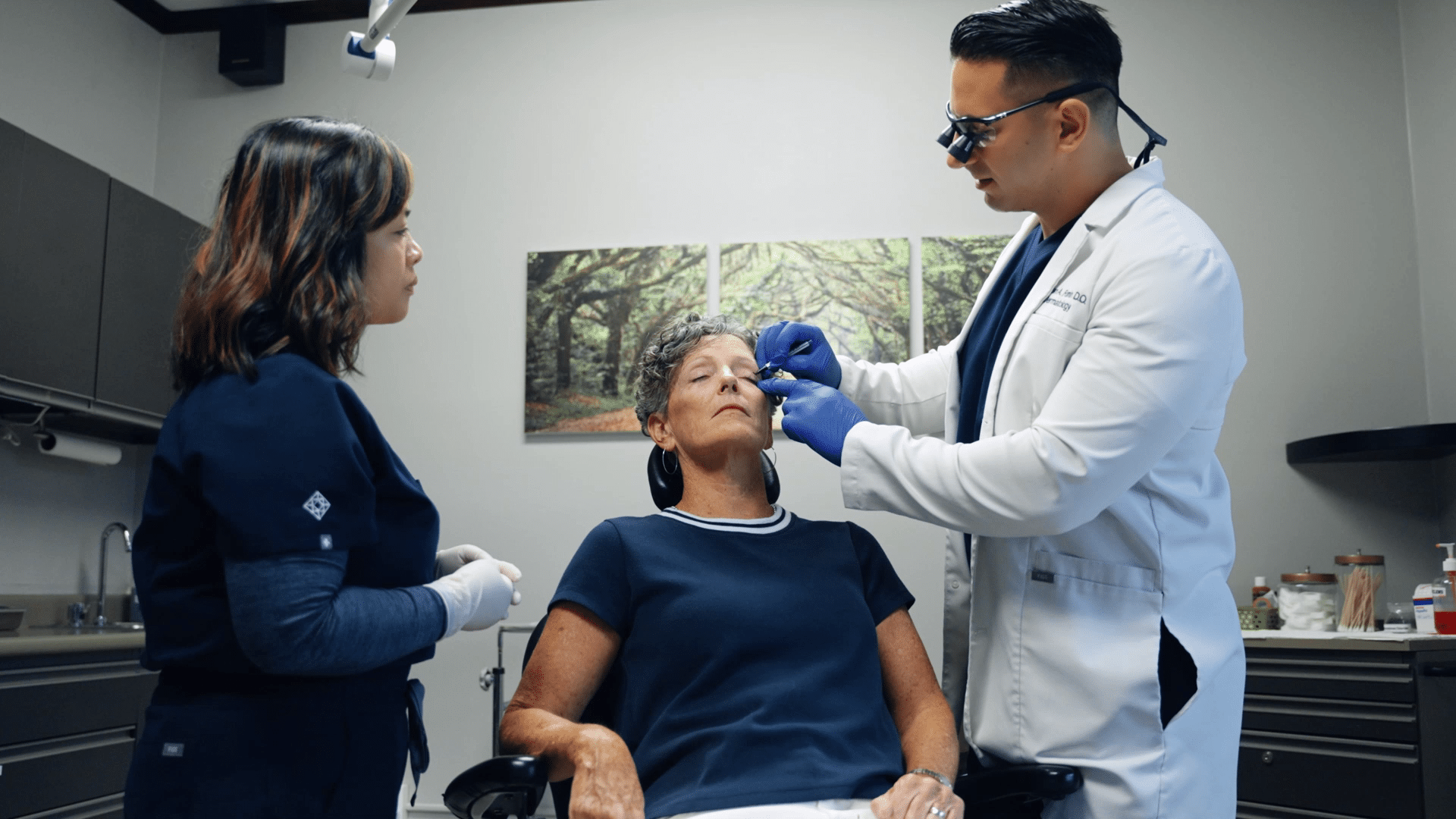
A dermatologist at Paragon Skin & Surgery performs a dermal examination on a patient in a medical clinic.
Innovations in Dermatology
Dermatology is a field constantly evolving with new research and technology. Today’s dermatologists employ cutting-edge techniques that dramatically improve patient care, offering treatments that were once unimaginable.
A key innovation is teledermatology, which increases access to skincare services through remote consultations. This allows patients to receive timely advice without the need for physical visits, benefiting those in remote or underserved areas.
Such technological innovations reflect the rapid advancement in dermatological care, ensuring patients receive the best treatment possible.
Technological Advancements
The integration of advanced technologies in dermatology has revolutionized treatment options:
- Laser Treatments: Used for a variety of conditions, from cosmetic enhancements to scar reduction and vascular lesion treatment.
- Microneedling: Stimulates skin rejuvenation through controlled micro-injuries, promoting collagen production.
- PRF Therapy: Employs platelet-rich fibrin to enhance skin healing and rejuvenation naturally.
- Cosmetic Injectables: Includes Botox and fillers used to reduce wrinkles and enhance facial contours.
- Advanced Skin Resurfacing: Techniques such as laser resurfacing and chemical peels that improve skin texture and tone.
- Teledermatology: Enables remote consultations, increasing accessibility to skin care services.
- Integration of AI in Diagnoses: Utilizes artificial intelligence for more accurate and faster skin condition diagnosis.
These advancements allow dermatologists to provide comprehensive care, elevating treatment effectiveness and patient satisfaction.
Preparing for Your Appointment
Preparing for a dermatology appointment involves a few simple steps to ensure that you get the most out of your consultation. It is beneficial to compile a list of current medications, past treatments, and family medical history related to skin issues. Being prepared with this information allows for a more efficient and focused consultation.
Patients should also note any specific skin concerns or changes since their last visit. Clear and detailed communication with your dermatologist fosters an effective and personalized treatment plan.
Organizing this information can help streamline the consultation process, ensuring productive and insightful discussions about your care options.
What Happens During an Examination
During a dermatology examination, the dermatologist will perform a thorough observation of your skin. This may involve assessing specific areas of concern, conducting dermoscopy and other non-invasive evaluations to identify the nature of any skin issues.
The dermatologist may suggest further diagnostic tests if needed, such as biopsies or skin swabs, to gain a more comprehensive understanding of your condition.
This thorough examination enables professionals to provide targeted, effective treatments and advice, ensuring that all concerns are adequately addressed.
Post-Consultation Advice
Following your consultation, your dermatologist will offer guidance and recommendations that should be followed carefully. This may include instructions on medication usage, skincare routine alterations, or lifestyle adjustments to enhance treatment effectiveness.
Patients are encouraged to adhere closely to these recommendations to optimize treatment outcomes and maintain healthy skin between visits. Post-consultation advice is crucial for understanding treatment processes and managing expectations.
Revisiting the dermatologist regularly can ensure that treatments remain effective and that skin health is continually monitored, adjusting as necessary to achieve the best results.
Current Research Trends
Ongoing research in dermatology is continually pushing the boundaries of what is possible in skin care. Innovations in molecular biology and genetics are contributing to a deeper understanding of skin diseases and the development of new treatment strategies.
Particularly, advancements in understanding the genetic basis of common skin conditions are paving the way for personalized medicine approaches, offering more customized and effective treatments.
The collaboration between academia, industry, and clinical practices catalyzes the development of novel solutions, bridging gaps between research and practical application.
Impact of Research on Treatments
Research plays a significant role in shaping future treatments:
- New Treatment Regimens: Research informs the development of targeted therapies, improving the precision and effectiveness of treatments.
- Innovative Drug Developments: Pharmaceutical advancements offer new medications that tackle skin conditions more effectively with fewer side effects.
- Collaboration with Tech Industries: Leveraging technology, such as AI and machine learning, enhances diagnostic accuracy and treatment personalization.
The continuous integration of new research findings into clinical practice helps to improve patient outcomes significantly.
Future of Dermatology
Looking forward, the future of dermatology appears promising with the continued integration of cutting-edge technologies and the expansion of therapeutic possibilities. Future trends point towards increasing focus on gene therapy, personalized medicine, and AI-driven diagnostics.
As these emerging technologies become accessible, they will reshape treatment modalities, offering unprecedented ways to combat both common and rare skin conditions.
The field’s commitment to research-driven care promises ongoing improvements in patient care, ensuring dermatology remains at the forefront of medical innovation.
Frequently Asked Questions
When choosing a dermatologist, you should prioritize board certification and experience in treating your specific concerns. Checking reviews and seeking recommendations from your primary care doctor can also be beneficial. Look for someone who communicates well and provides personalized care tailored to your needs. The dermatologist should be affiliated with reputable medical facilities, further ensuring quality care and expertise in their field.
Frequency of visits can vary depending on your individual skin health needs. Generally, an annual check-up is recommended for routine monitoring, but those with specific concerns or treatments may need to visit more frequently. Conditions like acne, eczema, or any suspicious moles should prompt additional visits as needed to manage and monitor effectively.
Yes, dermatological procedures performed by board-certified dermatologists are generally safe. These professionals undergo extensive training to ensure patient safety during procedures. With advancements in dermatological technology and techniques, procedures are now safer and more effective than ever. It is crucial, however, to follow pre- and post-procedure care instructions to minimize risks.
Dermatologists treat a wide range of skin, hair, and nail conditions. Common issues include acne, eczema, psoriasis, skin cancer, and hair loss. They also handle aesthetic concerns such as wrinkles, scars, and hair removal. Their expertise ensures personalized treatment plans that address both medical and cosmetic concerns effectively.