Introduction to Vascular Laser Therapy
Vascular laser therapy offers an effective solution for treating rosacea and broken capillaries, common skin conditions that affect many individuals. This advanced treatment uses targeted laser technology to address these concerns by diminishing visible redness and restoring a clearer complexion.
Laser skin tightening treatment works similarly in revitalizing skin by focusing on deeper tissues, but vascular laser specifically targets blood vessels. Many patients find relief from persistent symptoms and enjoy improved skin health.
Offering a blend of precision and safety, vascular laser therapy is well-suited for those looking to manage vascular-related skin issues without invasive procedures. Acne treatment options may also be considered as part of a comprehensive skincare regimen.
What Is Vascular Laser Therapy?
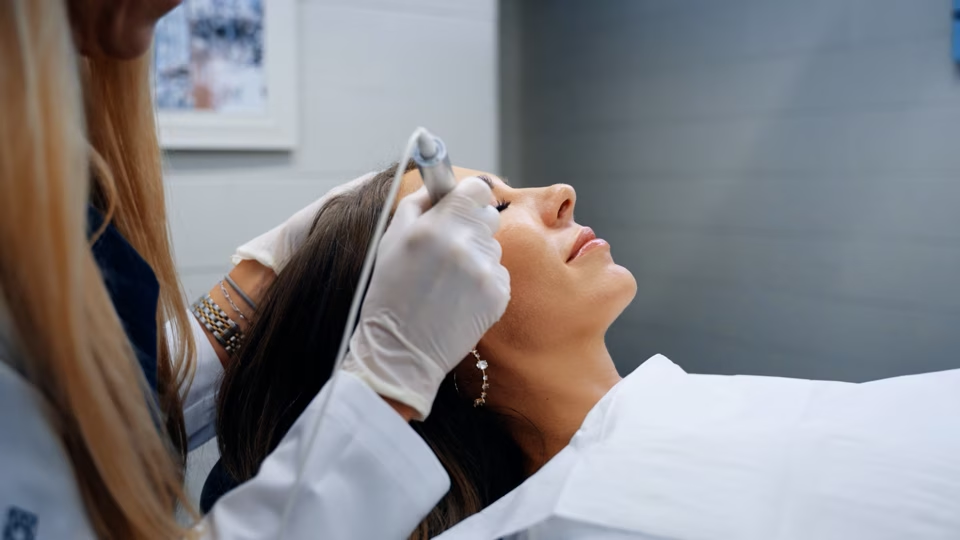
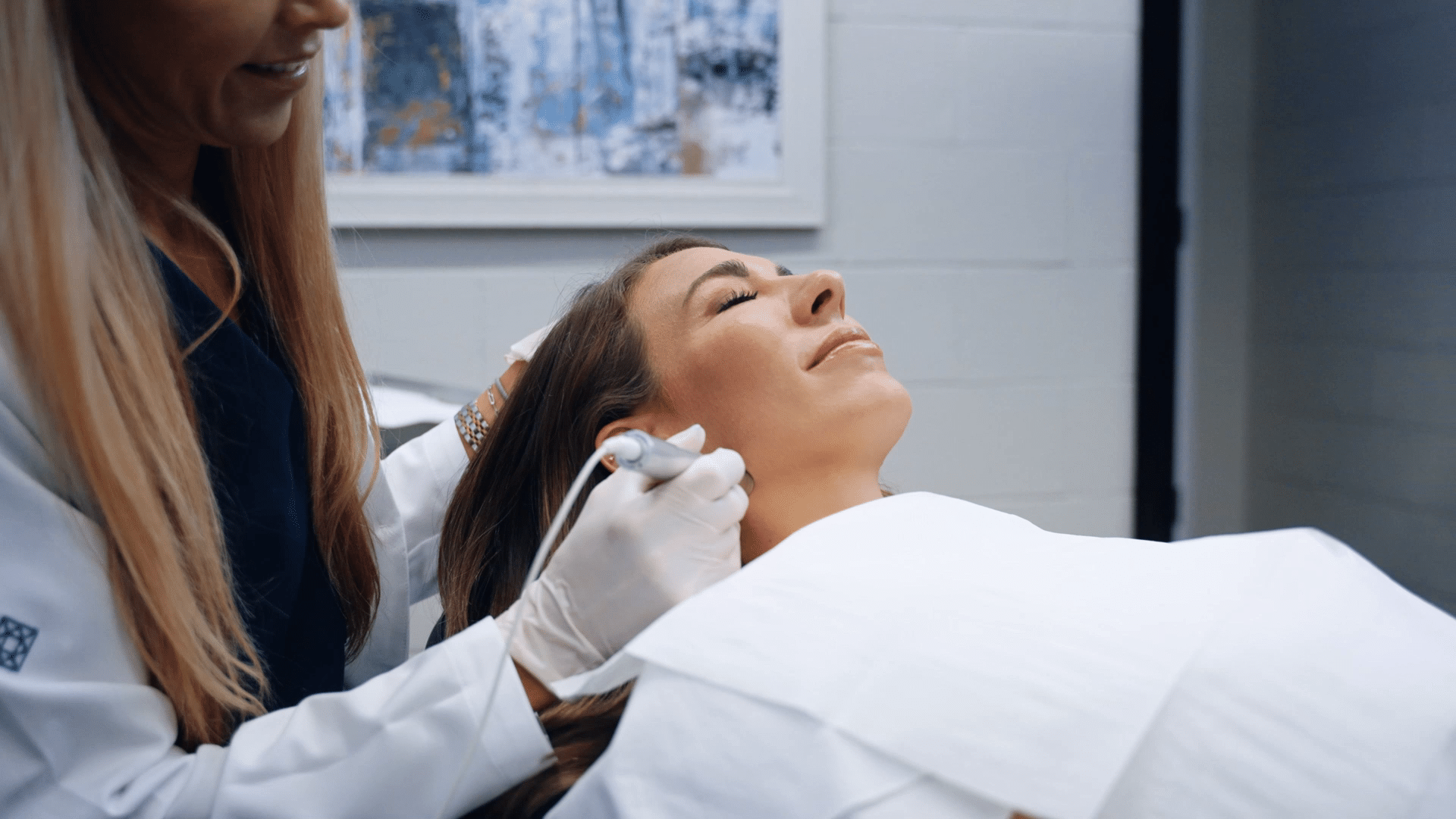
Vascular laser therapy uses light energy to target and collapse blood vessels that cause visible skin issues. By directing controlled pulses of laser light onto affected areas, it heats and destroys the problematic vessels without damaging surrounding skin.
This procedure is renowned for its precision, allowing dermatologists to treat specific blood vessels effectively. Patients experience minimal discomfort and enjoy the benefit of non-invasive treatment tailored to their unique skin needs.
The procedure has been shown to significantly reduce redness associated with rosacea and effectively minimize the appearance of spider veins, providing patients with a more uniform skin tone.
Benefits of Vascular Laser Therapy
Minimally invasive: Unlike surgical options, vascular laser therapy is non-invasive, offering a quicker recovery and less discomfort.
Precision targeting: The treatment focuses on specific blood vessels, ensuring precision and effectiveness with little risk to surrounding tissue.
Visible results: Most patients begin seeing noticeable improvements after a few sessions, with some achieving desired results after a single treatment.
Ideal Candidates for Treatment
Vascular laser therapy is ideal for individuals with mild to moderate rosacea or those experiencing small, visible capillaries on their face or body. It’s important for candidates to have realistic expectations and a commitment to following post-treatment care instructions.
The treatment is suitable for different skin types, though a consultation with a dermatologist can help determine skin sensitivity and the best course of treatment.
Individuals who wish to avoid more invasive procedures, yet desire effective results, typically find vascular laser therapy to be a favorable choice.
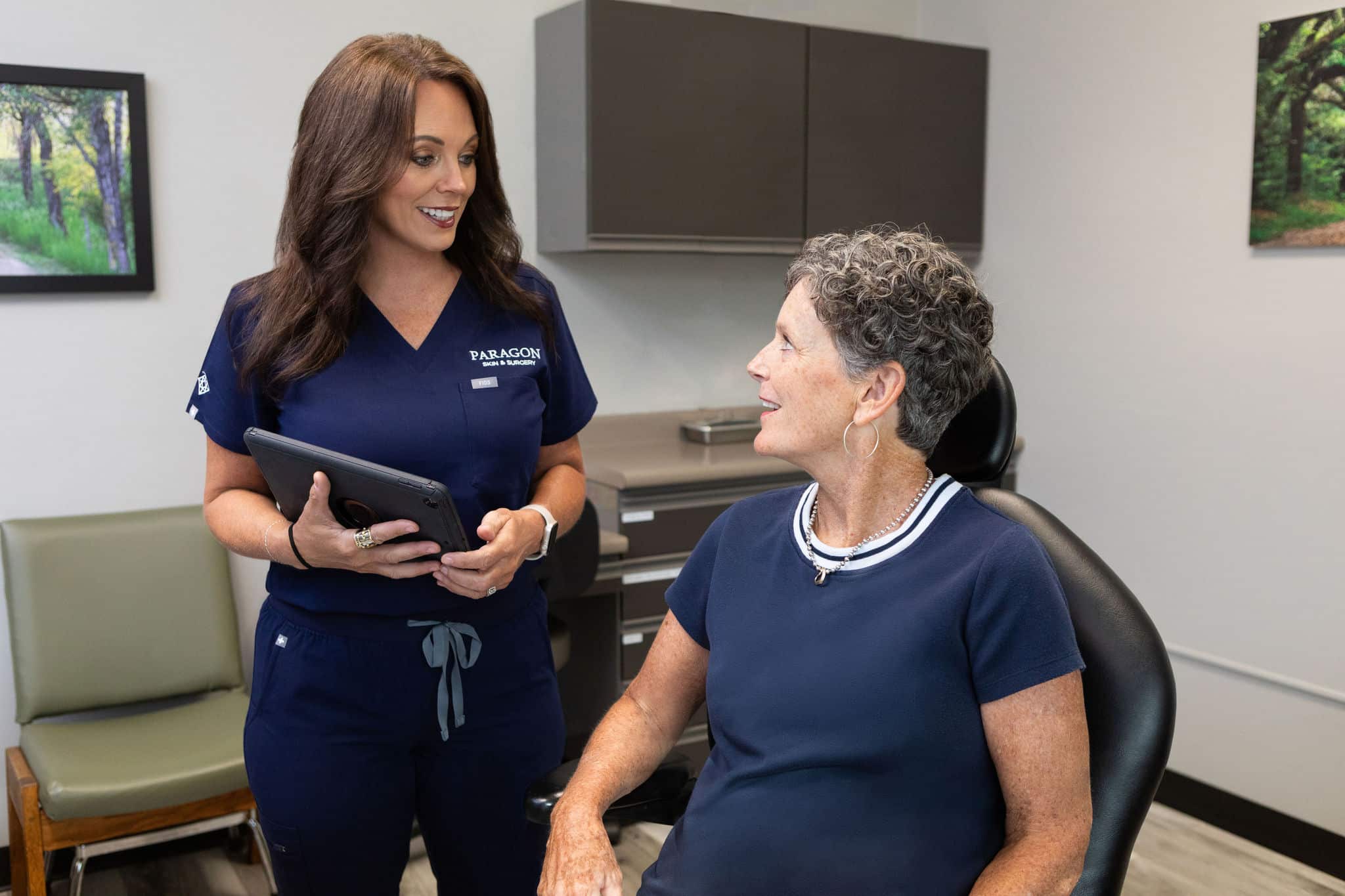
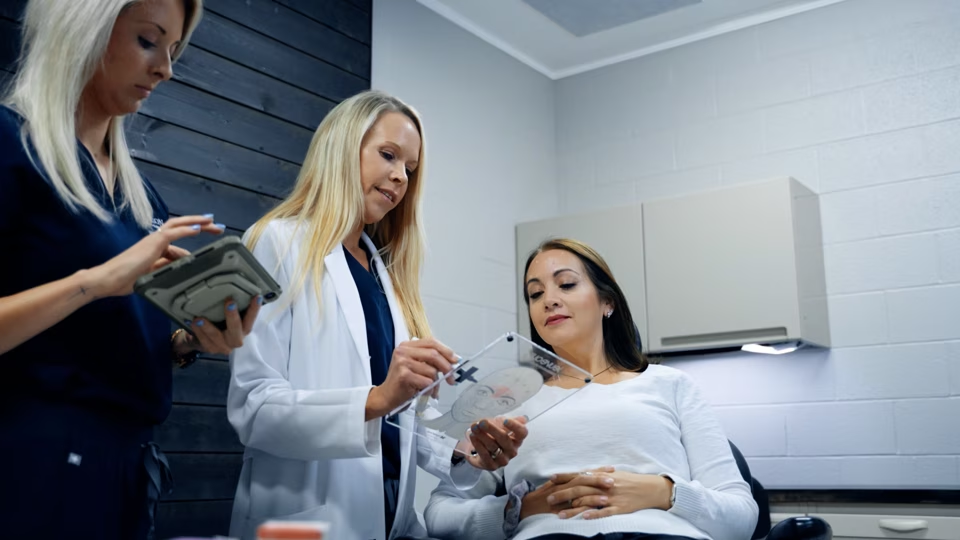
A dermatologist consulting with a patient in a clinical setting at Paragon Skin & Surgery, highlighting professional patient care and treatment.
Exploring the Causes and Symptoms of Rosacea and Broken Capillaries
The skin conditions rosacea and broken capillaries often share common symptoms but arise from different causes. Understanding the symptoms helps in early diagnosis and effective treatment.
Understanding Rosacea
Rosacea is a chronic skin condition characterized by facial redness and visible blood vessels. Although its precise cause isn’t completely understood, factors such as genetic predisposition, immune system irregularities, and environmental triggers are thought to play roles.
The condition often begins with facial redness that may resemble a sunburn. Over time, more persistent symptoms can develop, including bumps, pimples, and in some cases, thickened skin.
Managing triggers like sun exposure, stress, and certain foods can help alleviate symptoms. Various treatments, like vascular laser therapy, are available to reduce visible signs effectively.
Common Symptoms of Rosacea
Rosacea symptoms vary widely and may worsen without treatment. Some of the common signs include:
- Facial redness: Persistent flushing or erythema on the central face.
- Visible blood vessels: Thread-like red lines caused by dilated blood vessels.
- Bumps and pimples: Often mistaken for acne, these bumps can be painful or swollen.
- Dry, flaky skin: Facial skin might appear rough or scaly.
- Burning or stinging sensations: Skin discomfort, especially when using skincare products.
- Enlarged nose (rhinophyma): Thickened skin on the nose, more common in men.
What Causes Broken Capillaries?
Broken capillaries appear as fine red streaks or spider veins and are often the result of trauma or skin damage. They can also develop from prolonged sun exposure, temperature extremes, or genetic tendencies.
Another contributing factor can be excessive drying or skin irritation from harsh cosmetics or aggressive skincare routines, which highlights the importance of gentle skincare.
For venous leg ulcers or similarly complex vascular issues, proper diagnosis is critical. Thankfully, treatments like eczema management techniques can sometimes provide relief and repair.
Overview of the Vascular Laser Therapy Procedure
The procedure for vascular laser therapy is straightforward, offering a convenient and effective treatment method for patients looking to reduce the appearance of rosacea and broken capillaries.
Preparing for Your Treatment
A comprehensive consultation with your dermatologist is essential before beginning vascular laser therapy. During this session, your skincare history will be reviewed to tailor the treatment to your personal needs.
Preparation might include avoiding sun exposure and adjusting any skincare regimens on the advice of your dermatologist. This ensures optimal results and minimizes potential risks.
Communication is key. Discuss any concerns about the procedure or potential mohs surgeon role for similar skin treatments to ensure peace of mind going forward.
Procedure Overview
The treatment process follows a set sequence for efficiency and safety:
- Initial consultation and assessment:Evaluates the extent of the condition and formulates a detailed treatment plan.
- Numbing cream application:Reduces any discomfort during laser application.
- Laser application process:Targets affected blood vessels using precise laser technology to diminish appearance.
- Post-treatment care:Instructions provided by the practitioner to enhance recovery and results.
- Follow-up appointments:Scheduled to monitor progress and address any post-treatment inquiries.
- Expected results and timeline:Gradual improvements usually observed within a few weeks, as treated vessels fade.
Possible Side Effects
Vascular laser therapy is generally safe, with minimal side effects. Temporary redness and slight swelling are common immediately after treatment.
It is rare to experience blistering or pigmentation changes, but if they occur, contacting your dermatologist is advised. Always compare options, like dermatology vs. med spa services, for best outcomes.
Follow-up care and adherence to post-treatment instructions significantly reduce the likelihood of side effects and contribute to smoother recovery.

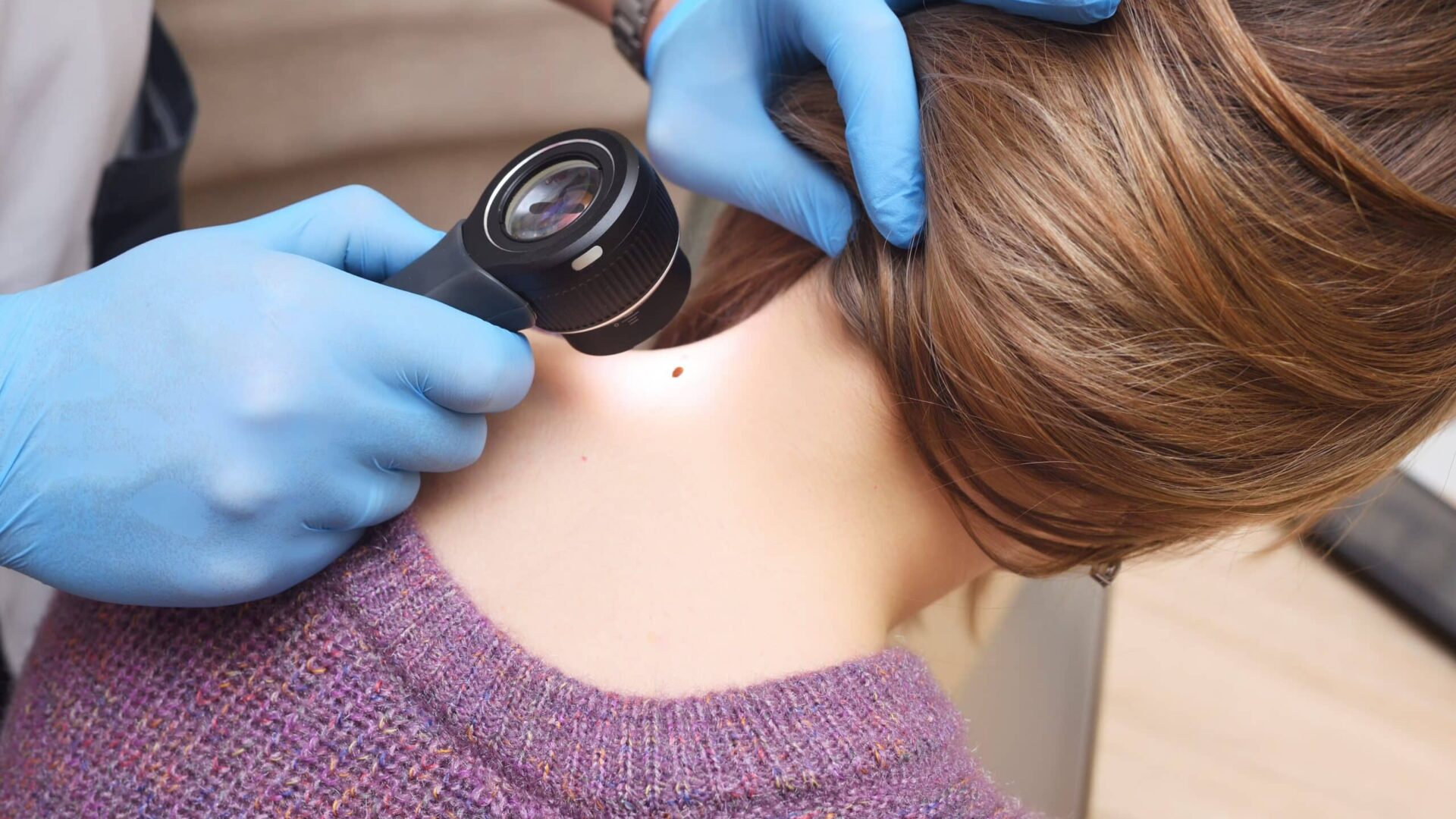
Dermal filler procedure at Paragon Skin & Surgery. Dermatologists help rejuvenate the patient's skin, enhancing appearance.
Guidelines for Aftercare Following Vascular Laser Therapy
Effective aftercare is critical to maximizing the results of vascular laser therapy. Proper care not only ensures the efficacy of the treatment but also aids in a faster recovery.
Immediate Aftercare
Directly after the procedure, your skin may feel sensitive or appear flushed. Immediate post-care involves gentle cleansing and avoiding heat exposure or rough handling of the treated area.
Using a cool compress can soothe discomfort if needed, and moisturizing the skin with recommended products promotes healing.
Be vigilant about monitoring your skin’s response and seek advice if unusual symptoms arise, as you would in general board-certified dermatologist practices.
Long-Term Care Tips
To maintain the results and health of your skin, consider these long-term care tips:
- Avoid sun exposure:Use a broad-spectrum SPF to protect the skin from UV damage.
- Use gentle skincare products:Opt for non-irritating formulations that support healing and avoid clogging pores.
- Hydrate regularly:Stay well-hydrated to support overall skin health and elasticity.
- Stay consistent with follow-up treatments:Regular maintenance sessions may be advised to enhance and prolong results.
Signs of Complications
While complications are uncommon, being aware of potential concerns is important. Watch for any prolonged redness, scabbing, or discomfort beyond the first week.
If any adverse reactions occur, consult your healthcare provider promptly to ensure proper management and resolution.
Consistency in care, similar to psoriasis care practices, is key to achieving and maintaining desired results.
Comparison of Vascular Laser Therapy with Other Treatments
Understanding other treatment options for rosacea and broken capillaries allows patients to make informed decisions. Each option varies in approach, effectiveness, and cost.
Other Treatment Options
In addition to vascular laser therapy, options like topical treatments or oral medications can address symptoms of rosacea.
Intense pulsed light therapy is another alternative that uses broad-spectrum light for similar effects but may require more sessions.
For diligent care beyond laser treatment, patients may seek information on mohs surgery procedures to resolve more severe skin issues.
Vascular Laser Therapy vs. Traditional Treatments
Vascular laser therapy offers a more targeted approach compared to topical medications, which might not penetrate deeply.
Studies suggest faster and more visible results with laser therapy than with oral antibiotics, which primarily address inflammation rather than cosmetic aspects.
Comparison with therapies like mohs surgery recovery demonstrates its minimal invasiveness and reduced recovery time, making it a favorable option.
Expert Recommendations and Patient Reviews
Healthcare professionals often recommend vascular laser therapy for patients desiring a non-invasive yet effective treatment. It offers the advantage of minimal downtime and visible results.
Feedback from patients generally emphasizes satisfaction with the clarity of results and ease of the procedure compared to other methods.
For optimal outcomes, consulting with a specialist ensures that treatment is tailored to individual needs and expectations are managed clearly.
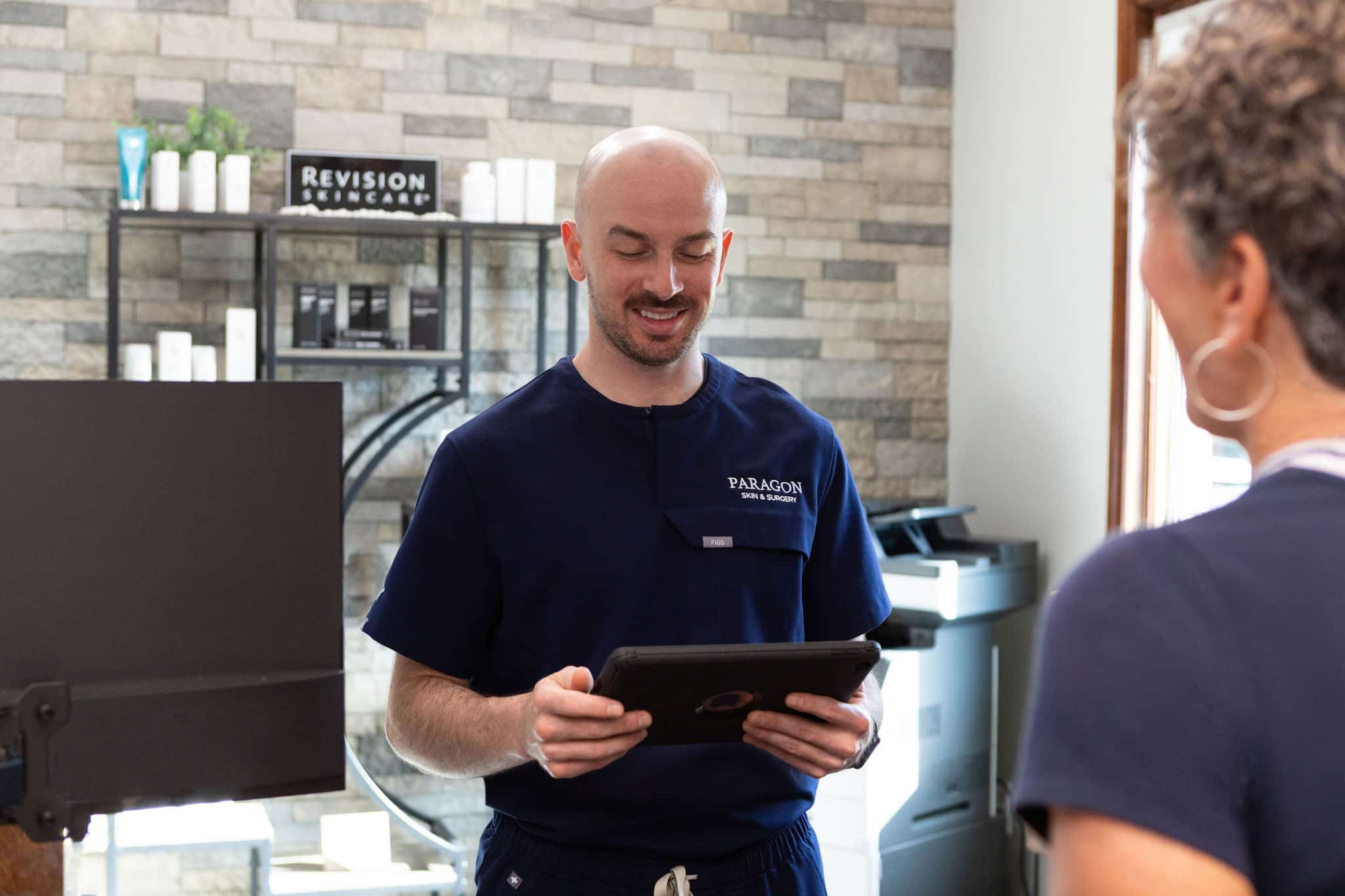
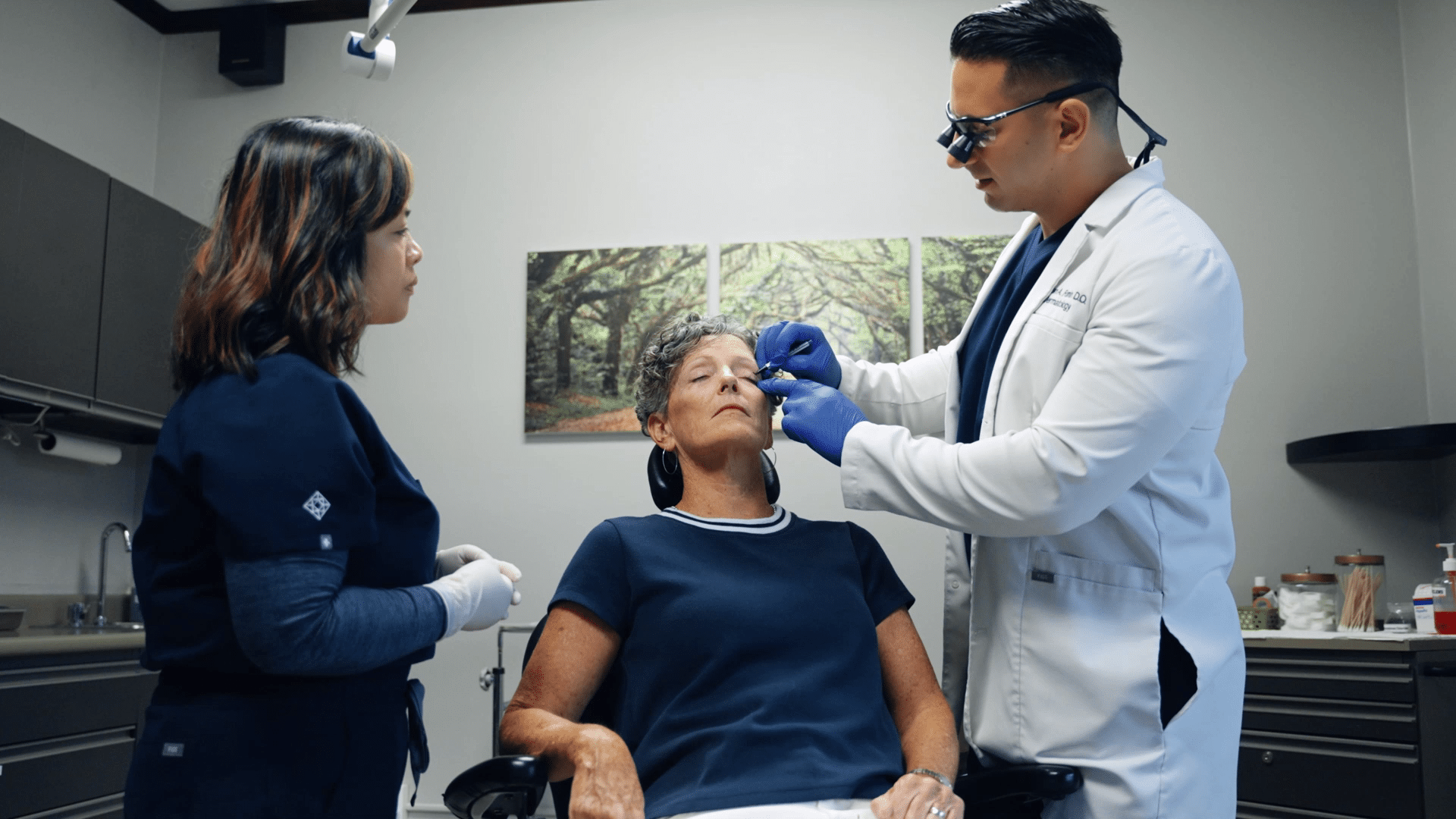
A Paragon Skin & Surgery team member consults with a patient in a modern dermatology clinic, focusing on patient care and skin treatment.
Conclusion: Seek Professional Treatment for Vascular Skin Concerns
Vascular laser therapy presents a promising option for individuals seeking relief from rosacea and broken capillaries. Its focus on efficacy and safety makes it a viable alternative to more invasive treatments.
Recap of Key Points
The therapy offers a modern solution with a high success rate in reducing visible redness and improving skin texture. Treatments are precisely targeted, ensuring patient comfort and satisfaction.
Aftercare is vital for maintaining results, with lifestyle adjustments and follow-up sessions often recommended for best outcomes.
Encouragement to Consult a Specialist
We encourage anyone troubled by vascular-related skin conditions to treat oily skin issues effectively by consulting qualified dermatologists. A consultation can provide insights into specific skin needs and set expectations appropriately.
Professional guidance is crucial in navigating skin health concerns and finding the best treatment options available, including potential IPL photofacial options.
Further Resources and Support
For those seeking more information, resources on related treatments and patient support services are available. Networking with healthcare communities provides valuable insights and shared experiences.
At Paragon Skin & Surgery, our commitment is to support patient well-being through innovative treatments and personalized care.
Consider reaching out for a consultation to explore how vascular laser therapy can become part of your skin care journey.
Frequently Asked Questions
Vascular laser therapy targets blood vessels causing skin redness and damage using specific light energy. The laser focuses on these vessels, heating them until they are destroyed, allowing clearer skin to regenerate.
The procedure is relatively quick, often taking less than an hour. Patients typically experience minimal discomfort thanks to the application of a numbing cream. The laser targets specific areas, and care is taken to avoid surrounding skin.
Common side effects include temporary redness and minor swelling in the treated areas. Serious side effects are rare, but choosing an experienced provider minimizes risks. Follow-up care helps mitigate any unwanted effects.
The number of sessions varies based on individual conditions and desired outcomes. Most patients need between 1 to 3 sessions to achieve optimal results, with each spaced several weeks apart. Consultation with a dermatologist will provide a specific treatment plan.
Recovery times are minimal. Most patients resume normal activities immediately after treatment, though it’s advised to avoid strenuous exercise and excessive sun exposure for a few days. Your doctor will provide detailed post-care instructions.
Yes, vascular laser therapy is generally safe for various skin types. However, skin sensitivity varies, and consultation with a dermatologist is essential to tailor the treatment approach to your specific skin characteristics.