Understanding Oily Skin
Treating oily skin can be challenging, but understanding its causes is the first step toward an effective solution. Oily skin typically results from overactive sebaceous glands, which produce excess sebum. This can lead to shine, clogged pores, and acne. The condition is often linked to genetic factors, but hormonal imbalances, diet, and environmental influences also play significant roles.
Hormonal changes, particularly during puberty, pregnancy, or menopause, can trigger increased sebum production. Similarly, a diet high in sugars and carbohydrates may exacerbate oil production. Understanding these sensitive skin care factors helps in targeting suitable treatments and skincare routines.
Common Causes
Common causes of oily skin include hormonal shifts, dietary choices, and environmental conditions. Notably, living in a hot and humid climate can contribute to the problem. Such environments expand pores and trigger the skin to produce more oil as a protective measure.
Moreover, certain skincare products may inadvertently aggravate oily skin. Using harsh cleansers or thick moisturizers can strip away natural oils, prompting the skin to compensate by generating more oil. Regular assessment of skincare product ingredients is crucial for maintaining balanced skin.
Identifying Oily Skin Types
Identifying your specific oily skin type is essential for selecting the right treatments and products. Generally, oily skin presents with a glossy shine and larger pores, primarily concentrated on the T-zone—forehead, nose, and chin.
However, other characteristics, such as the frequency of breakouts and skin texture, can help further classify skin types. A thorough assessment can be guided by a natural skin treatments guide to outline a comprehensive skincare strategy tailored to individual needs.
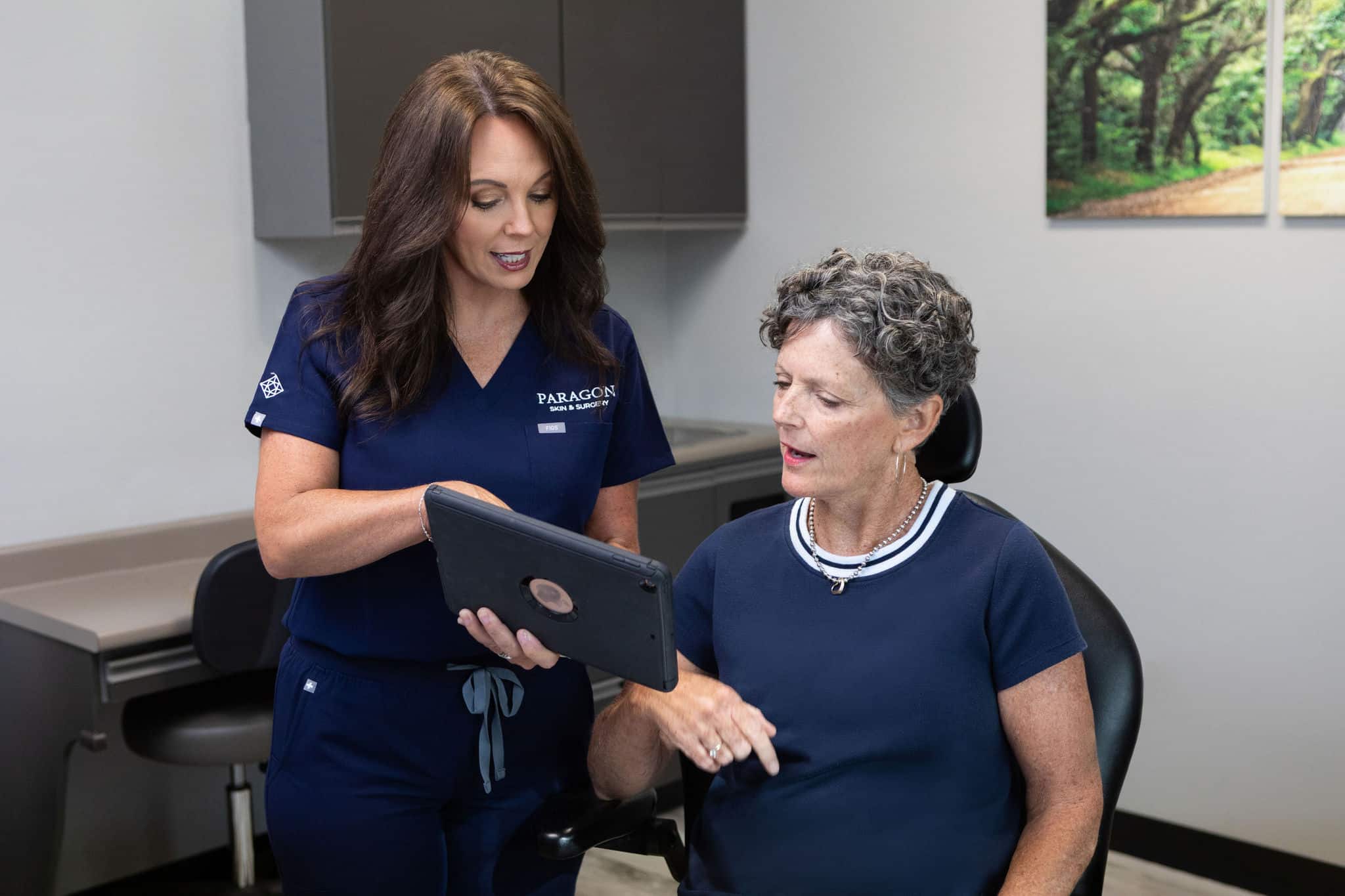
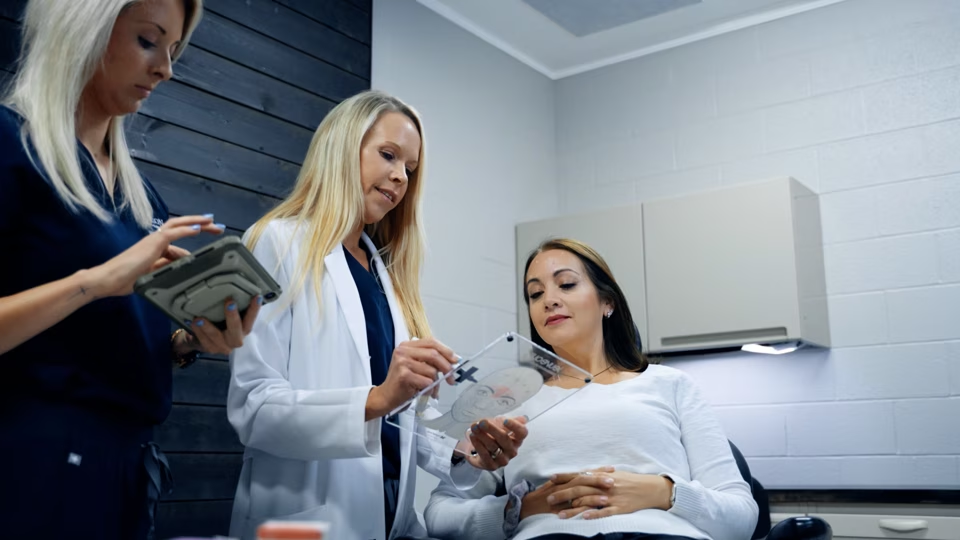
A dermatologist discusses treatment options with a patient while showing information on a tablet in a modern clinic.
Dermatological Treatments
Professional treatments for oily skin are highly effective, particularly for individuals experiencing severe symptoms. Dermatologists offer various solutions that address the root causes of oily skin, focusing on reducing oil production and enhancing skin texture. These treatments are suitable for all skin types when performed by a qualified specialist.
Understanding the range of dry skin treatment options can also be beneficial as certain procedures overlap, providing comprehensive care. Consultation with a dermatologist can reveal eczema management techniques that also cater to oily skin.
Microneedling
Microneedling is a popular non-invasive treatment that rejuvenates the skin by creating micro-injuries. This stimulates the body’s natural healing process, encouraging collagen production and reducing oil activity.
Suitable for all skin types, microneedling enhances texture, minimizes pores, and controls sebum production. It can be a cornerstone treatment in managing oily skin effectively over multiple sessions.
Chemical Peels
Chemical peels involve the application of a chemical solution that exfoliates and peels off damaged skin layers. They are effective in reducing excess oil and unclogging pores, leading to a smoother skin surface.
These treatments vary in strength and depth, making them customizable according to skin type and severity of oiliness. Regular chemical peels can significantly tame persistent skin oil while revealing healthier skin underneath.
Laser Treatments
Laser treatments target oily skin by using focused light to penetrate skin layers and reduce oil production. They are particularly effective for treating acne-prone and oily areas.
By minimizing pore size and decreasing active sebaceous glands, laser treatments offer long-term benefits. They are suitable for those seeking an advanced solution to effectively manage oily skin while minimizing breakouts and maintaining a balanced complexion.
DIY Remedies
Home remedies for managing oily skin can be both cost-effective and efficient. Natural ingredients, like aloe vera and tea tree oil, provide gentle yet effective relief from excessive oiliness. These DIY treatments are easily available and can be incorporated into daily routines.
A consistent care approach that combines psoriasis care insights with these remedies can yield significant improvements. Regular application of homemade masks or toners can help control sebum levels while maintaining skin health.
Dietary Adjustments
Diet plays a crucial role in managing oily skin. Reducing intake of sugars and processed foods can significantly decrease oil production. Instead, focus on a balanced diet rich in fruits, vegetables, and omega-3 fatty acids.
These modifications not only aid in controlling oiliness but also contribute to overall skin health. Ensuring adequate hydration and healthy eating habits can enhance the skin’s natural balance.
Lifestyle Changes
Besides diet, lifestyle changes greatly impact oily skin management. Routine physical activity promotes healthy blood circulation, which benefits the skin and assists in excreting toxins.
Adequate sleep, stress management, and maintaining a consistent skincare routine are equally important. Integrating these habits helps in balancing hormonal levels, reducing skin oil production, and contributing to a clearer complexion. For those considering more advanced care options, insights into vascular laser therapy can offer further guidance.
Daily Skincare Routine
Establishing a solid daily skincare routine is essential for maintaining skin clarity and reducing oil. A routine involving cleansing, toning, and moisturizing can curtail excessive oil while keeping the skin healthy. Opt for non-comedogenic products to minimize pore blockage.
Incorporating topical treatments like retinoids can help regulate sebum production. Consulting with a skincare specialist can tailor this regimen to fit individual needs and enhance results.
Tips for Oily Skin Care
Here are some actionable tips to help manage oily skin efficiently:
- Use oil-free moisturizers: Select products that hydrate without adding extra oil.
- Incorporate salicylic acid products: They gently exfoliate and reduce oil buildup.
- Avoid heavy makeup: Choose lighter formulations to prevent clogging pores.
- Regular skin cleansing: Daily cleansing removes excess oil and prevents acne.
Implementing such practices consistently can make a noticeable difference in skin appearance and feel. Regular skin checkups are also recommended to assess progress and adapt routines as needed.
Regular Checkups
Routine checkups with a board-certified dermatologist are crucial in effectively managing oily skin. These visits help in tracking treatment progress and making necessary adjustments to skincare routines.
Choosing the right specialist is important for personalized care. Regular professional assessments ensure that any emerging issues are promptly addressed, providing a proactive approach to maintaining skin health and controlling oil production.
Who Needs to See a Dermatologist?
Seeing a dermatologist is crucial for individuals experiencing persistent oily skin issues unmanageable through home remedies. Board-certified dermatologists offer tailored advice and treatments to address severe skin problems effectively.
An initial consultation can uncover underlying conditions that might be contributing to excessive oil production, ensuring targeted intervention strategies. For those weighing options, examining dermatology vs med spa can provide insights into choosing treatments best suited for one’s needs.
Choosing the Right Specialist
Selecting the right skin care specialist is essential to receive the best treatment options available. Consider these points when choosing a dermatologist:
- Look for board certification: This ensures the dermatologist meets professional standards.
- Check reviews and testimonials: They offer insights into the dermatologist’s effectiveness and patient satisfaction.
- Evaluate consultation approach: Choose a specialist who offers comprehensive initial assessments.
- Consider practice location: Accessibility can improve the consistency of visits.
- Inquire about services offered: Ensure the clinic provides a range of treatments that cater to oily skin.
- Understand treatment options available: Varied options can offer solutions tailored to individual needs.
Making well-informed choices ensures that your dermatologist can effectively address the specific needs of your skin, paving the way for healthier skin. For more on choosing the right professional, explore options with a board-certified dermatologist.

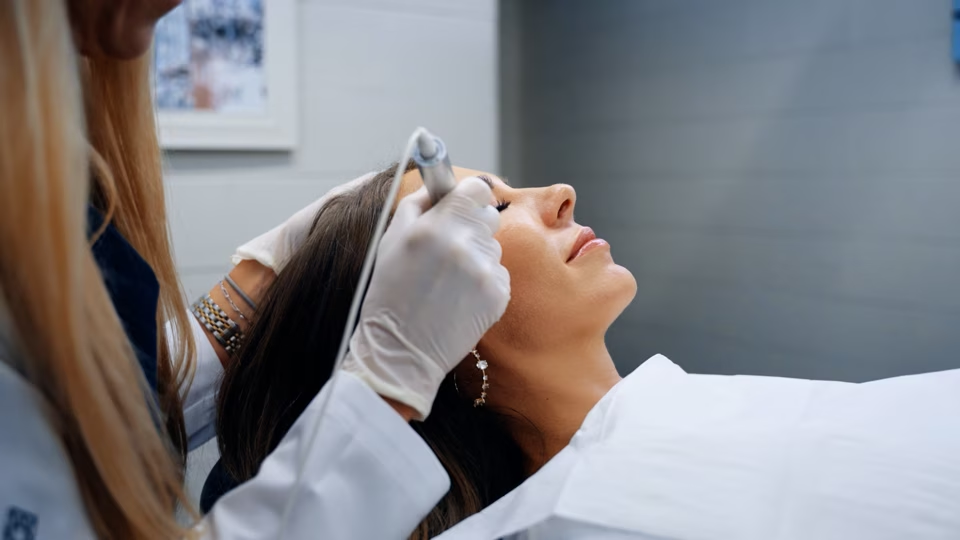
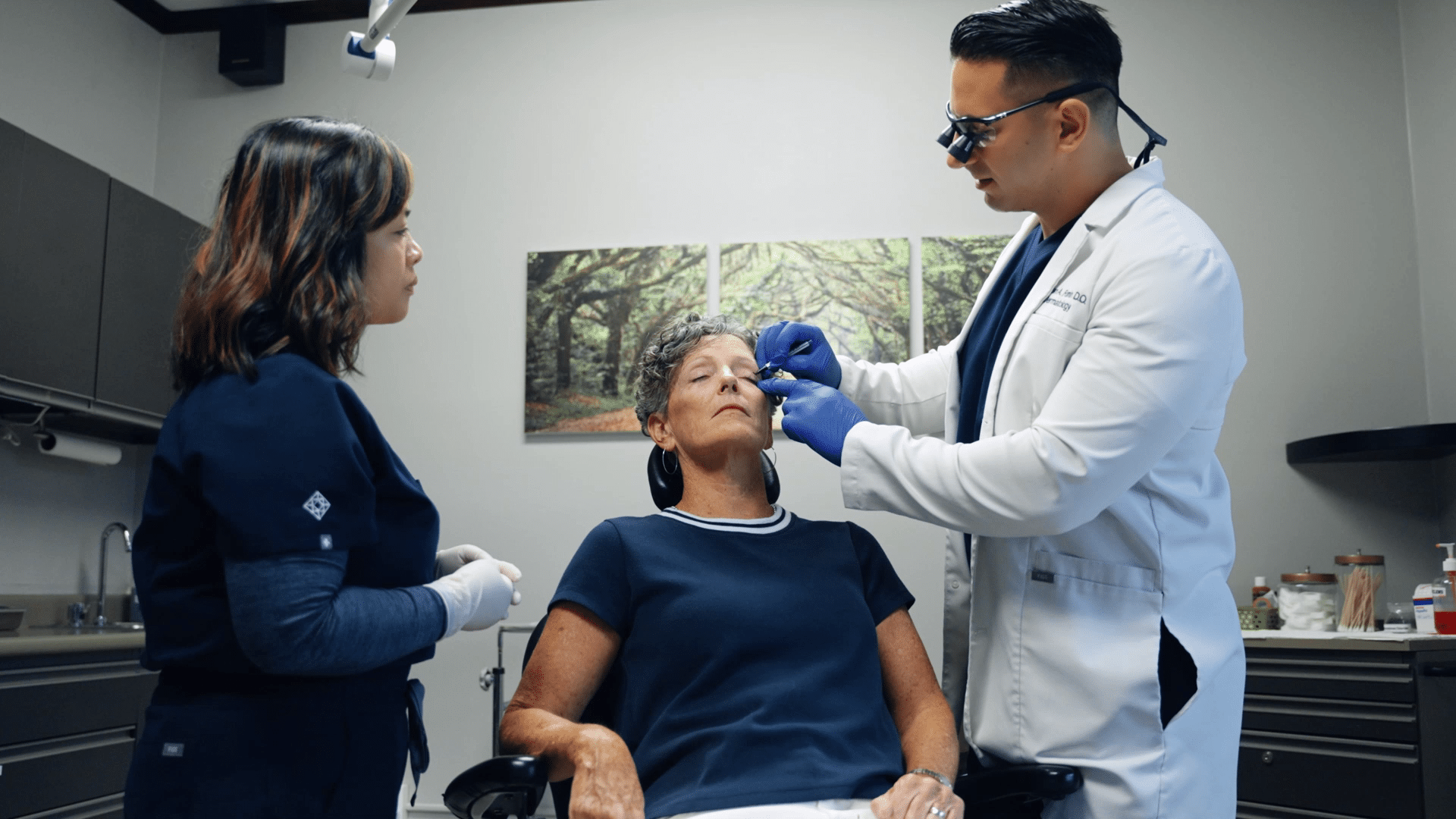
Image of two professionals performing a Botox procedure in a clinic setting at Paragon Skin & Surgery. This non-invasive treatment helps reduce wrinkles.
Emerging Treatments
Innovative treatments are reshaping the approach to managing oily skin, offering new hope for those seeking advanced solutions. These cutting-edge therapies focus on integrating the latest technology to provide effective, non-invasive treatments.
Exploring options like new dermatology treatments and maintaining open discussions with your dermatologist is vital for staying informed about these advances.
Platelet-Rich Fibrin Therapy
Platelet-Rich Fibrin (PRF) therapy is a promising treatment for oily skin. It uses the body’s natural biological processes to enhance healing and reduce oiliness by stimulating collagen production.
PRF involves drawing a small amount of blood, processing it to concentrate the platelets, and re-injecting it into the skin. This natural approach capitalizes on the body’s inherent capacity for rejuvenation, offering a significant reduction in oil production and improved skin texture.
RF Microneedling
Radiofrequency (RF) microneedling combines traditional microneedling with radiofrequency energy to treat oily skin. This method delivers controlled heat to the deeper skin layers, promoting healing and collagen growth while reducing sebum production.
By targeting specific skin layers, RF microneedling provides a comprehensive treatment that addresses both surface and underlying causes of oily skin, making it an effective solution for those dealing with persistent oil issues.
Advantages of New Treatments
Modern treatments offer numerous advantages:
- Minimally invasive: Reduces recovery time and discomfort associated with traditional treatments.
- Natural healing: Utilizes the body’s mechanisms for more organic treatment outcomes.
- Long-lasting results: Provides sustained results by addressing root causes of oiliness.
- Enhanced skin texture: Improves smoothness and tone for a healthier appearance.
- Reduces oiliness: Significantly decreases sebum production on the skin’s surface.
- Boosts collagen production: Ensures firmer and more resilient skin structure.
Engaging with these innovative skin therapies through innovative skin therapies can provide newfound confidence in managing oily skin.
Conclusion
Effectively treating oily skin involves a blend of professional and home-based approaches, tailored to suit individual needs. By understanding the causes of oily skin, implementing a targeted skincare routine, and exploring advanced treatments, you can achieve a more balanced and healthy complexion.
Emphasizing the importance of skincare and regular professional consultations helps manage oiliness and prevent potential complications due to excessive oil production. Consistency and commitment to this journey are key.
Key Takeaways
- Combination of professional and home treatments: A comprehensive approach for effective management.
- Importance of skincare routine: Daily care practices that support skin health.
- Regular dermatologist consultations: Professional guidance ensures targeted treatment and monitoring.
Encouragement for Personal Skin Health
While managing oily skin can seem daunting, it is vital to approach it with patience and perseverance. Commitment to skin health not only enhances your appearance but boosts confidence and overall well-being.
Remember, personalized solutions and skin care tips are essential in taking control of your skin’s health. Engage with your dermatologist to develop a sustainable plan tailored to your unique skin requirements.
Frequently Asked Questions
Effective treatments for oily skin include dermatological options like chemical peels, laser treatments, and microneedling, as well as innovative treatments such as PRF therapy and RF microneedling. Consulting with a dermatologist can help in choosing the suitable method based on individual skin type and severity.
Visit your dermatologist once every 6 months for regular checkups if you have ongoing skin concerns, particularly if dealing with oily skin. More frequent visits may be necessary when undergoing specific treatments or if new issues arise.
Home remedies can be effective in managing oily skin to some extent. Natural ingredients like aloe vera and tea tree oil may help control oil and improve skin texture when used consistently alongside professional guidance.
A good skincare routine for oily skin involves gentle cleansing, regular exfoliation, and the use of oil-free moisturizers. Including products with salicylic acid can help in reducing excess oil and unclogging pores.
Yes, dietary changes can impact oil production. Reducing sugar and processed food intake while increasing water consumption and eating omega-3-rich foods can assist in managing oily skin.