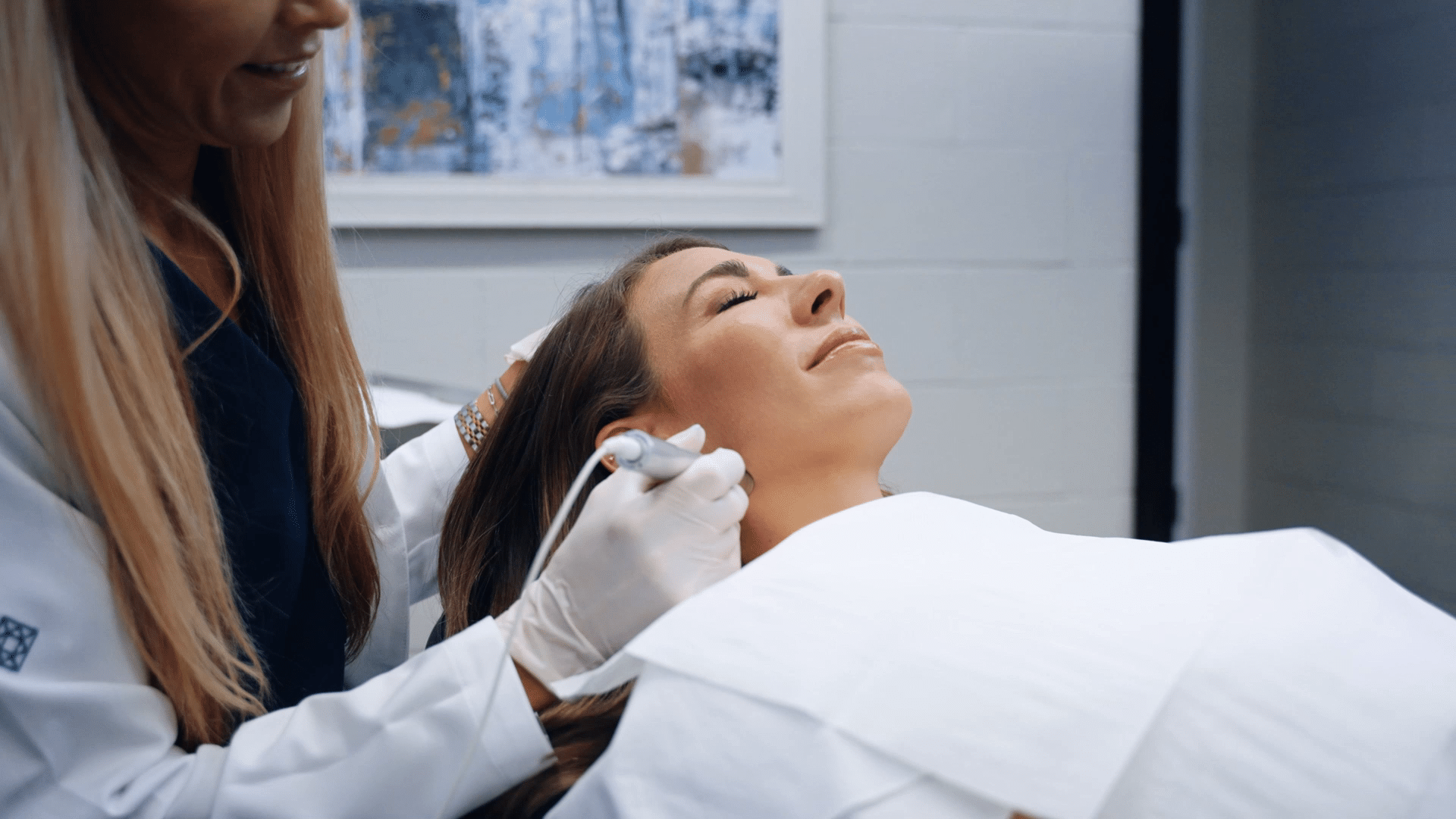
Understanding Regenerative Aesthetics
Regenerative aesthetics represents the forefront of cosmetic treatments, focusing on enhancing the body’s natural healing processes for skin renewal. This field leverages cutting-edge therapies that rejuvenate damaged tissue, utilizing the body’s innate ability to repair itself. Among these advanced therapies are exosomes and PRP, each playing a critical role in achieving rejuvenated skin. Treatments are designed to be minimally invasive, often providing benefits such as improved skin texture, elasticity, and overall appearance.
These therapies are increasingly popular as they address the root causes of skin aging rather than just the symptoms. Individuals seeking long-term results in skin management benefit greatly from regenerative aesthetics, making it a compelling option in the realm of exosome therapy and prp therapy.
The Role of Exosomes
Exosomes, tiny vesicles secreted by cells, play a vital part in regeneration and communication between cells. These natural cellular transporters carry proteins and genetic material that can significantly influence cell behavior, promoting tissue repair and regeneration. Exosome therapy harnesses these capabilities to target the underlying causes of skin deterioration.
By integrating exosomes into skincare routines, individuals can expect a boost in collagen production and improved skin resilience. Such treatments are especially effective when combined with other modalities as they provide a transformative effect on skin aesthetics.
With advancements in exosome treatment, the potential to reverse aging signs such as fine lines and wrinkles has become increasingly attainable, positioning this method as a staple in regenerative skin care.
How PRP Works
Platelet-Rich Plasma (PRP) therapy utilizes a patient’s blood components to stimulate skin renewal. The process involves isolating platelets, known for their healing properties, which are then carefully reintroduced into the skin to accelerate repair and rejuvenation.
PRP is praised for its natural approach to enhancing the skin’s texture and elasticity, as it uses growth factors already present in the body to encourage cell turnover. The therapy aids in addressing concerns such as acne scars, sun damage, and age spots.
Unlike traditional treatments, PRP focuses on boosting the body’s natural healing processes with minimal downtime, making it an attractive option for those seeking a holistic approach to aging and wrinkle reduction.
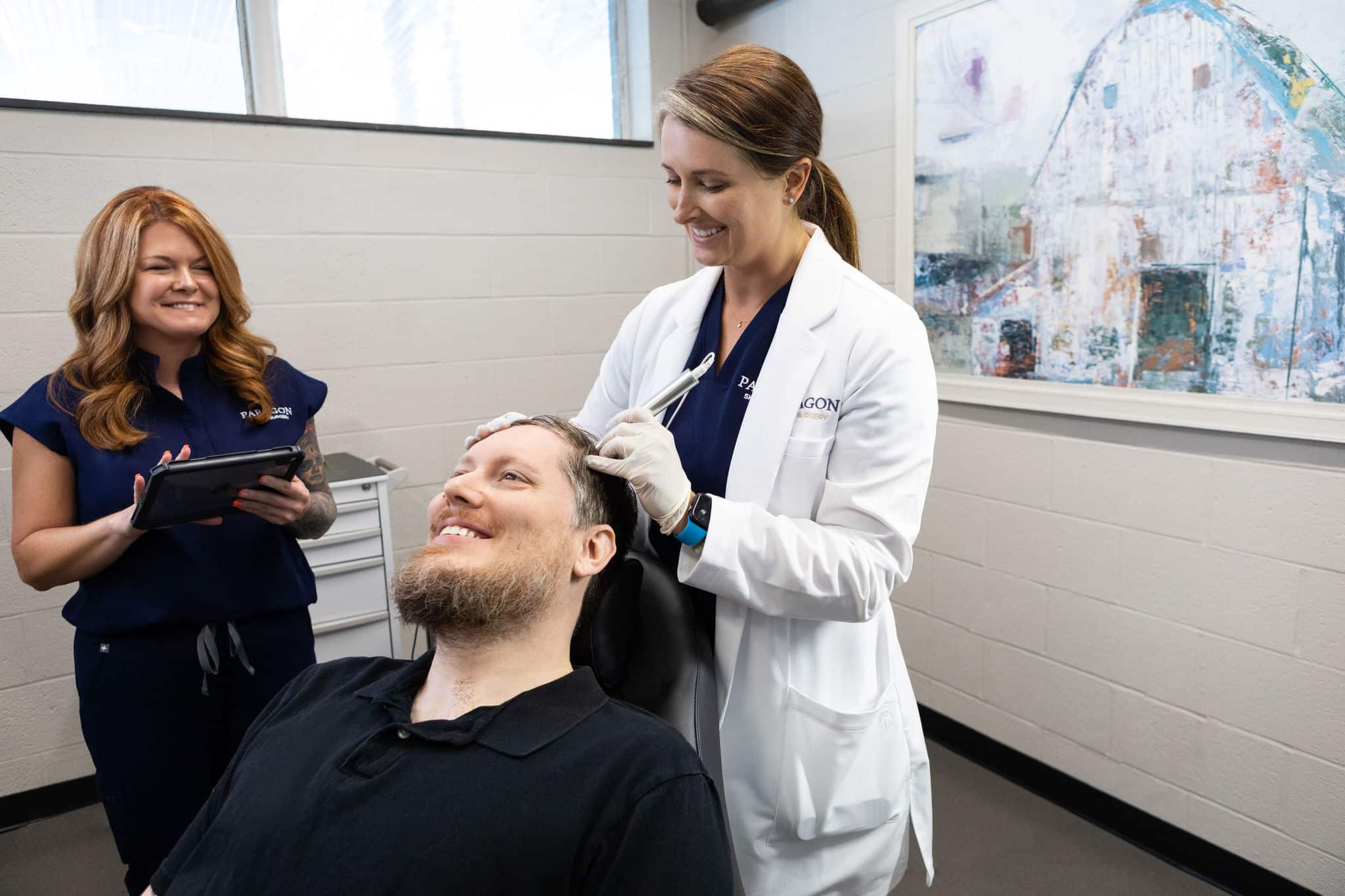
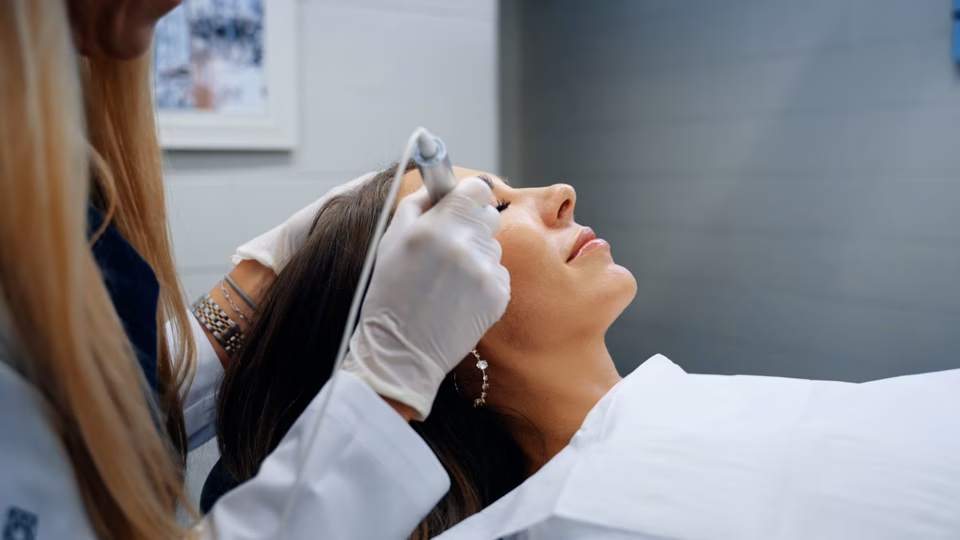
A patient receives a dermatological treatment from a professional at Paragon Skin & Surgery. The clinic specializes in cosmetic dermatology and skin healthcare.
Benefits of Using Exosomes and PRP Therapies
Key Benefits of Exosomes
Exosome therapies have rapidly gained traction due to their potent regenerative capabilities. These therapies offer notable benefits, including enhanced communication within skin cells, which promotes healing and rejuvenation at a cellular level. By applying exosomes, patients can significantly boost the effectiveness of their existing skincare routines and combat advanced signs of aging.
This treatment modality is also highly versatile, suitable for all skin types, and can be seamlessly integrated with other aesthetic trends 2025 to amplify results. Moreover, exosomes are non-invasive, making the procedures less intimidating while still effective in achieving visible transformations like improved collagen production and reduced inflammation.
PRP Advantages
PRP therapy offers a myriad of advantages, capitalizing on its ability to harness the body’s healing potential. Patients who undergo PRP therapy often experience:
- Promotes natural healing: Utilizes innate growth factors to restore skin health.
- Reduces downtime: Minimal recovery periods, allowing quick return to daily routines.
- Enhances skin texture: Rejuvenates skin for a smoother, vibrant look.
- Improves overall appearance: Creates a more youthful, rejuvenated visage.
- Stimulates collagen production: Encourages new growth for lasting results.
Patients are increasingly opting for PRP microneedling because of its low-risk profile and its effectiveness in addressing a variety of skin issues. This therapy not only rejuvenates the skin but does so in a way that feels personalized and compatible with the body’s natural repair mechanisms.
Exploration of the Latest Techniques
Innovative Techniques
The landscape of regenerative aesthetics has seen significant innovations, particularly in the application of exosome and PRP treatments. These advancements include non-invasive delivery systems that maximize efficacy while minimizing patient discomfort. The latest techniques often employ state-of-the-art microneedling tools, ensuring that active ingredients are delivered efficiently to the skin’s deeper layers, resulting in profound rejuvenation effects.
With ongoing research, these methods continue to evolve, offering enhanced outcomes with fewer side effects. Innovative protocols that combine exosome and PRP therapies have shown synergistic effects, resulting in accelerated healing and improved overall skin quality.
As the demand for non-invasive skin treatments grows, these techniques stand out for their ability to produce transformative results without the need for surgery. These options are becoming integral in clinical settings, ensuring patients achieve their desired outcomes efficiently.
Safety and Efficacy
Both exosome and PRP treatments boast excellent safety profiles, with numerous studies validating their efficacy in various dermatological applications. The use of autologous products in PRP therapy significantly reduces the risk of allergic reactions, while exosome treatments are meticulously controlled to maintain purity and effectiveness.
Patients can expect these therapies to be conducted in sterile environments, adhering to high medical standards that prioritize patient safety at every step. The non-invasive nature of these treatments makes them particularly appealing.
As more clinical evidence supports these therapies, practitioners are better equipped to tailor treatments specifically to individual skin needs, further ensuring the success of the regenerative aesthetic treatments offered.
Expected Outcomes
Expectations from exosome and PRP treatments should be realistic, with gradual improvements often seen within the first few weeks post-treatment. Patients can typically observe enhancements in skin tone, texture, and hydration.
The treatments are designed to yield subtle, natural-looking changes rather than drastic alterations, promoting a refreshed and youthful appearance. The outcomes continue to develop as the natural collagen-building processes progress, with results further enhanced by additional supporting treatments.
Regular sessions are recommended to maintain these effects over the long term, as skin renewal is an ongoing process that benefits from periodic interventions and maintenance routines.
Reviewing Potential Side Effects and Recovery Time
Common Side Effects
While exosome and PRP treatments are generally safe, patients may experience some minor side effects. The most common include temporary redness, swelling, or bruising at the injection site, which typically resolves within a few days. These reactions are a normal part of the healing process as the skin adapts to the infused materials.
Practitioners ensure a thorough understanding of possible side effects, tailored natural skin treatments guide, and aftercare regimens that help mitigate these effects, ensuring a seamless recovery experience.
Communicating with a qualified professional can help manage expectations and prepare for the aftercare necessary to maximize the benefits of the treatment.
Expected Recovery Time
One of the most appealing aspects of these regenerative treatments is the minimal downtime involved. Recovery time can differ based on individual skin responses. Generally, patients return to their usual activities within hours, although full recovery varies:
- Minimal downtime: Fast return to daily activities is a key benefit of these therapies.
- Varies per individual: Skin type and treatment intensity influence recovery duration.
- Aftercare tips: Proper skincare routines boost healing and results.
- Follow-up treatments: Periodic sessions help maintain the youthful glow achieved.
Recovery protocols aid in addressing any discomfort and ensuring patients achieve optimal results.
Understanding the Cost Implications
Cost Factors
The cost of exosome and PRP treatments can vary widely, depending on multiple factors which influence the final expense incurred by the patient. These factors include:
- Treatment type: Advanced techniques may require more resources and expertise.
- Number of sessions: Additional sessions enhance outcomes but increase total cost.
- Geographical location: Prices can fluctuate based on regional economics.
- Additional products or services: Patients may opt for complementary treatments.
- Consultation fees: Initial evaluations may be charged separately.
Patients should seek consultations to better understand the comprehensive cost structure and strategically plan their budget accordingly, especially when treatments involve multiple sessions or additional aesthetic enhancements.
Insurance Considerations
It’s crucial to note that cosmetic treatments like exosome and PRP therapies are often not covered by insurance policies, as they are considered elective procedures. Patients are advised to discuss payment plans or financial assistance options which may be available through clinics to ease the financial burden.
Despite this, the long-term benefits and reduced need for ongoing maintenance costs can make these treatments a valuable investment in one’s skin health. Consulting providers about payment options or financing plans is a wise approach to manage expenses.
Individuals commonly choose these therapies as part of a broader strategy for maintaining their aesthetic well-being, making them worth considering in the context of managing skin health over time.
Budgeting for Aesthetic Treatments
For those embarking on a journey with regenerative aesthetics, constructing a budget that accommodates ongoing care and maintains results is essential. Planning for initial and follow-up treatments ensures sustained benefits and helps manage financial expectations over time.
Understanding the upfront and recurring costs involved allows individuals to plan effectively, ensuring that the investment aligns with personal financial goals while achieving the desired aesthetic outcomes. Engaging a financial advisor or utilizing online budgeting tools can assist in structuring a manageable payment strategy, providing a framework for sustainable aesthetic care.
Ultimately, the decision to invest in such treatments is a personal one, intricately linked to individual priorities and desired results in skin rejuvenation and longevity.

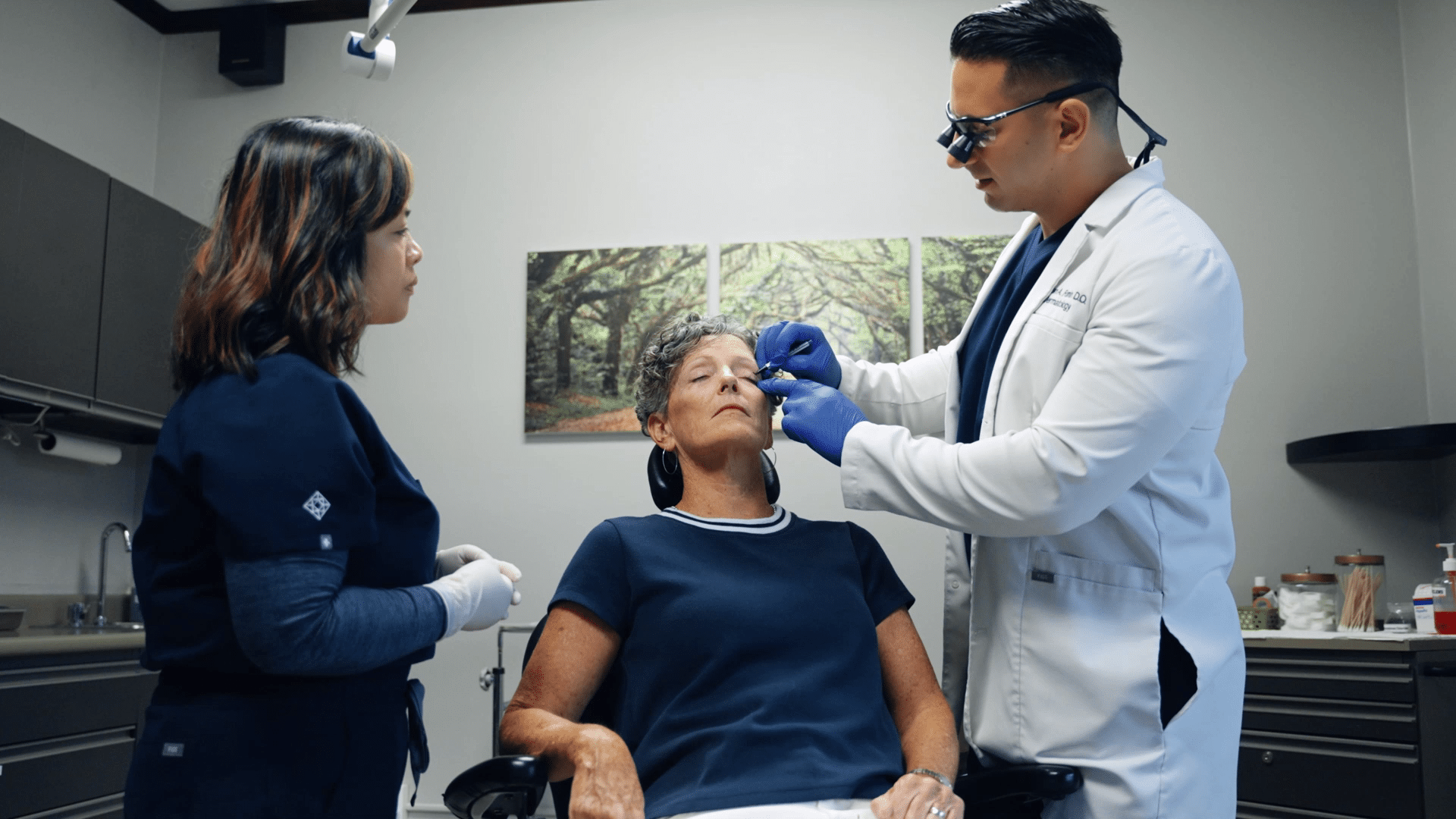
Dermal filler procedure at Paragon Skin & Surgery. Dermatologists help rejuvenate the patient's skin, enhancing appearance.
Conclusion: Reflecting on the Future of Regenerative Aesthetics
Future Trends
The future of regenerative aesthetics promises exciting developments, with ongoing innovations expanding possibilities for treatment modalities like exosome and PRP therapies. As technology evolves, these treatments are expected to become more refined, offering enhanced safety, greater efficiency, and even reduced costs over time.
Emerging trends in this field, especially the integration with digital technologies for monitoring and personalization, will likely revolutionize how aesthetic treatments are viewed and administered. This evolution reflects the broader aesthetic trends 2025.
As more data becomes available, personalized approaches that consider individual genetic and lifestyle factors will emerge, marking a significant shift toward customized care.
Integrating Advanced Techniques
Advanced techniques are being seamlessly integrated into standard practice, leveraging a patient-centered approach that prioritizes results tailored to individual needs. The incorporation of digital innovation, like smart devices for monitoring treatment progress, underscores the importance of precision in achieving optimal outcomes.
Integrating these techniques also involves a strategic combination of therapies for enhanced effectiveness. Professionals are increasingly interested in exploring combinations of regenerative aesthetics with existing procedures to amplify results without compromising safety.
Furthermore, the understanding between invasive and non-invasive treatments continues to blur, allowing patients a wide spectrum of choices complemented by experts across related fields.
This evolution speaks to the growing recognition of regenerative aesthetics as not just a viable option but potentially the standard in comprehensive skincare.
Frequently Asked Questions
Exosomes are small vesicles secreted by cells, playing a crucial role in cell communication. They carry proteins and genetic material that can influence cell behavior, promoting healing and regeneration, especially beneficial in skin rejuvenation treatments.
PRP therapy is generally safe as it uses a patient’s own blood components, which minimizes the risk of allergic reactions. However, individuals with certain bleeding disorders or those undergoing anticoagulant therapy should consult with their healthcare provider before treatment.
The number of sessions needed can vary based on individual goals and skin conditions. Typically, patients may require multiple sessions spaced several weeks apart to achieve optimal results, with maintenance treatments recommended for long-lasting effects.
Recovery from exosome and PRP treatments is relatively quick, with most patients experiencing minor swelling or redness that resolves within a few days. It is crucial to follow post-treatment care instructions to ensure smooth recovery and optimum results.
While these treatments are largely safe, some patients may experience mild side effects such as redness, swelling, or bruising at the site of injection, all of which typically subside within a few days as the skin heals.
Costs vary based on the treatment type, number of sessions, and provider location. It’s important to consult with your aesthetic practitioner for a detailed cost analysis tailored to your specific treatment plan.
Yes, exosome and PRP therapies can often be effectively combined with other treatments like microneedling or laser therapy for enhanced results, providing a comprehensive solution to anti-aging and skin renewal goals.