PRP Therapy: Revolutionizing Hair Restoration and Skin Rejuvenation
What is PRP Therapy?
PRP therapy, or platelet-rich plasma therapy, involves using concentrated platelets from your own blood to accelerate healing of injured tendons, ligaments, muscles, and joints. In the realm of aesthetics, it is increasingly utilized for hair restoration and skin rejuvenation.
This method, hailed for its natural approach, is gaining popularity among patients seeking non-surgical treatments. By utilizing the body’s own growth factors, PRP stimulates tissue repair and regeneration, providing a safe and effective solution for improving hair density and skin texture.
Benefits of PRP Therapy
Natural treatment: PRP therapy is an all-natural treatment using the patient’s own platelets, minimizing risks of allergies or rejections.
Minimal downtime: Patients can quickly resume normal activities after a session as the non-invasive nature of PRP requires little to no downtime.
Versatility: The therapy benefits both hair restoration and skin rejuvenation, offering diverse applications for aesthetic enhancement.
Applications in Hair Restoration
When used for hair restoration, PRP therapy can help thicken existing hair and trigger growth in previously dormant follicles. It is particularly beneficial for individuals with early stages of hair thinning or hair loss.
By providing essential nutrients directly to hair follicles, PRP stimulates their function and prolongs the active growth phase of the hair cycle. This therapeutic approach offers a viable solution for individuals seeking a natural alternative to surgical hair restoration.
Explore more innovative treatments in regenerative aesthetics to complement your hair restoration journey.
Applications in Skin Rejuvenation
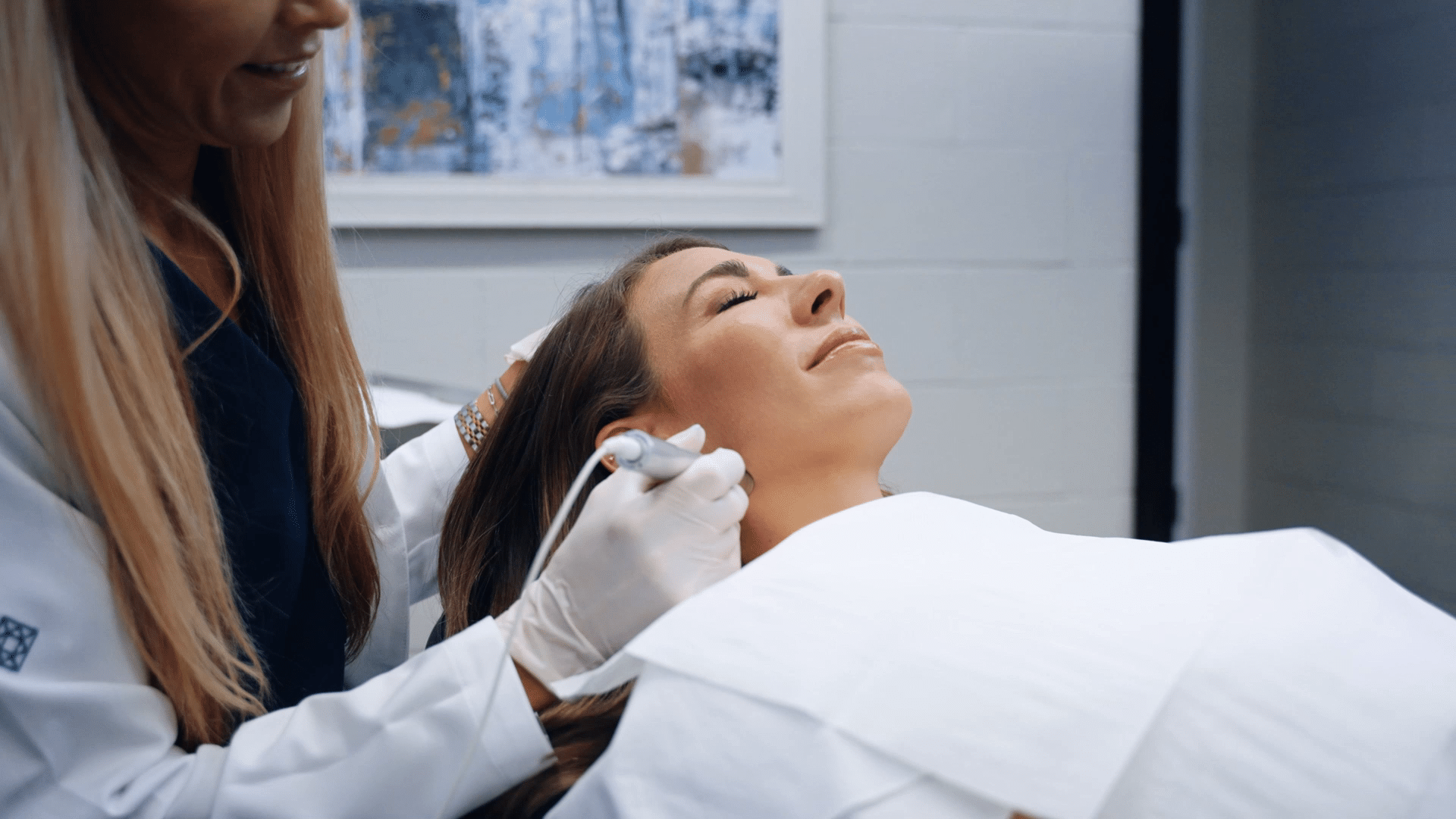
For those desiring youthful, glowing skin, PRP can significantly enhance skin health by promoting collagen production. This leads to improved skin tone, texture, and elasticity.
Particularly effective when combined with PRP microneedling, this therapy addresses issues such as acne scars and fine lines. Patients often report a naturally refreshed appearance following treatment.
Advancements in aesthetic procedures have made PRP a preferred choice for those keen to rejuvenate their skin without invasive surgery, illustrating its transformative impact in beauty regimes.

A gloved hand holds a vial of platelet-rich plasma, used in skin treatments and known for accelerating healing and enhancing skin glow.
How PRP Therapy Works: The Science Behind It
Understanding Platelets
Platelets are small blood cells well-known for their role in clotting, but they also contain a plethora of growth factors. These growth factors are critical for triggering tissue repair and regeneration processes.
Through PRP therapy, we exploit these natural mechanisms, using concentrated platelets to accelerate healing and rejuvenation, making it a powerful tool in both medical and cosmetic fields.
Innovations like exosome therapy complement the reparative abilities of PRP, enhancing its effectiveness across various treatments.
The PRP Preparation Process
The process begins with drawing a small amount of blood from the patient. This is then spun in a centrifuge to separate the platelets from the rest of the blood components.
The resulting concentrated platelet-rich plasma is then prepared for injection. The preparation process ensures a high concentration of growth factors, increasing its therapeutic potential.
Combining PRP with other advanced treatments, such as the Kybella double chin treatment, is also being explored to enhance results in cosmetic medicine.
Mechanism of Action
Upon injection into the target area, the platelets release growth factors that stimulate cellular regeneration. This cascade of healing responses aids in tissue repair and enhanced blood supply.
With consistent application, PRP therapy can lead to significant improvements in tissue health and appearance, making it an effective restorative approach in both dermatology and trichology.
The natural regeneration prompted by PRP therapy highlights its significance in promoting healthier skin and hair, setting a benchmark for non-invasive cosmetic treatments.
PRP Treatment Process: What to Expect
Consultation Process
The first step in PRP therapy is a comprehensive consultation where a specialist assesses your suitability for the treatment. Your medical history, aesthetic goals, and specific concerns will be discussed to tailor the treatment plan accordingly.
A consultation also allows patients to understand how PRP therapy can be integrated into their overall treatment strategies, which might include exploring options like dermal fillers guide or natural skin treatments guide.
This initial meeting helps ensure that the treatment aligns with patient expectations and desired outcomes.
Treatment Steps
Once the plan is set, the procedure begins with the blood draw, followed by the centrifugation process to prepare the PRP. The area of treatment is then cleaned and numbed.
The prepared PRP is carefully injected into specific areas using fine needles. The entire procedure usually takes about an hour, with minimal discomfort reported by most patients.
Due to its minimally invasive nature, the PRP therapy session is straightforward, allowing patients to return to their daily activities promptly after treatment.
Post-Treatment Care
To maximize benefits, specific aftercare steps should be followed. Avoid exposure to strong sunlight and strenuous activities immediately after treatment to aid recovery.
Hydration is crucial as it supports tissue regeneration, while keeping the treated area clean ensures optimal healing and results.
Following these guidelines closely can enhance the therapy’s effectiveness, much like the aftercare recommended for various skin treatments, securing impressive outcomes for skin rejuvenation and hair restoration.
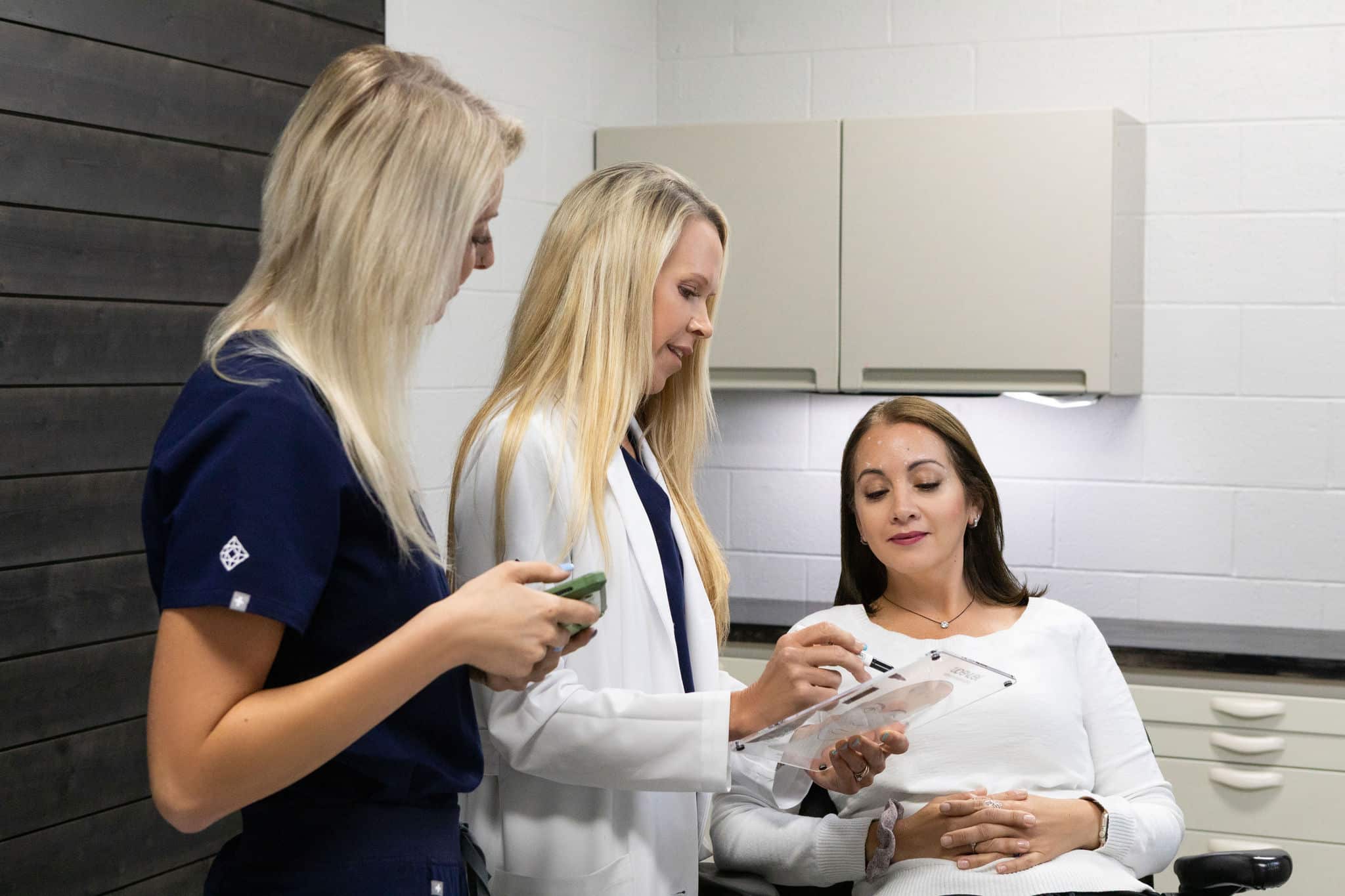
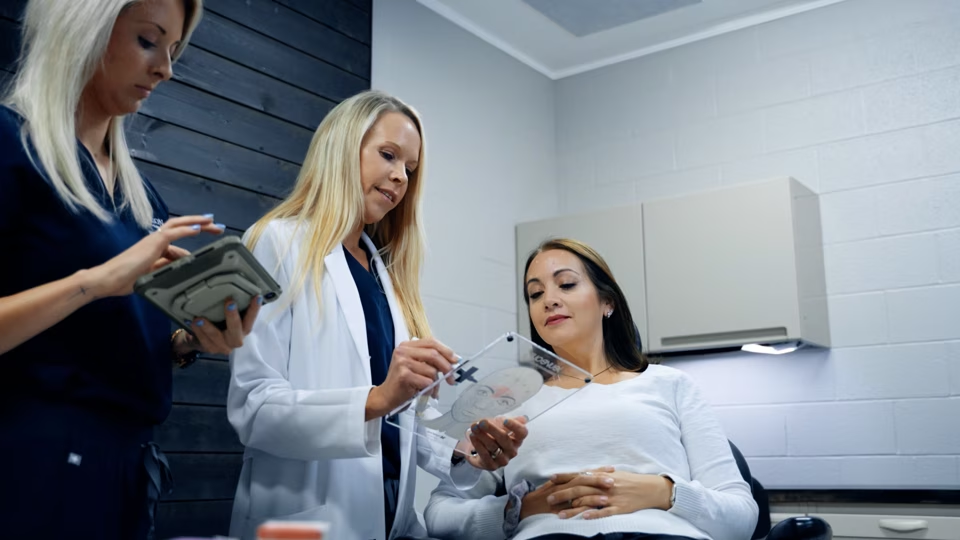
Two healthcare professionals consulting a patient about her skin care treatment in a dermatology clinic setting.
PRP Therapy: Side Effects and Contraindications
Common Side Effects
Generally, PRP therapy is well-tolerated, but as with any procedure, some side effects may occur. These can include mild swelling, redness, and bruising at the injection sites.
These effects typically resolve within a few days post-treatment. Rarely, patients might experience discomfort that is easily managed with over-the-counter medication.
Staying informed about potential aesthetic trends can help in anticipating outcomes and setting realistic expectations for recovery.
Who Should Avoid PRP Therapy?
Individuals with blood disorders, infections in the treatment area, or those undergoing anticoagulant therapy should avoid PRP procedures, as these conditions could complicate treatment.
Pregnant or nursing women, and patients with a history of cancer, should also consult their healthcare providers to determine the suitability of PRP therapy.
It is essential to consult with a non-invasive skin treatments expert to address any specific concerns or contraindications before proceeding.
Consulting with Professionals
Before starting PRP treatments, consultation with a certified professional is crucial to tailor the therapy to individual needs and medical backgrounds.
Professionals can provide insights into the nuances of PRP mechanisms, offering thorough risk assessments and personalized recommendations for safe and effective outcomes.
An informed decision can greatly enhance the benefits of PRP therapy while minimizing risks, ensuring a positive and safe treatment experience.
Comparing PRP Therapy: Evaluating Alternatives
PRP vs. Traditional Hair Treatments
PRP therapy offers several advantages over traditional hair treatments, making it a popular choice among patients. Before diving into bullet points, it’s crucial to understand the specific benefits:
- Non-invasive nature: PRP is less invasive compared to surgical options, reducing procedure risks.
- Recovery time: Patients enjoy a quicker recovery with fewer restrictions on activities.
- Cost effectiveness: While the cost varies, the non-surgical nature can be more cost-efficient long-term.
- Efficacy rates: PRP has shown high success rates in promoting hair growth and density.
- Long-term results: Results from PRP procedures can last for a significant period with proper care.
- Side effects: Mild and temporary, mainly limited to the injection sites.
- General patient satisfaction: Patients report high levels of satisfaction due to visible and sustainable results.
These aspects highlight how PRP stands apart from traditional means, offering a viable option for those seeking natural restoration methods.
PRP vs. Other Regenerative Techniques
When comparing PRP to other regenerative techniques, it is essential to consider its utilization of autologous material, boosting safety compared to methods like synthetic injectables.
PRP’s integration into diverse treatment plans, such as pressure wound care, exemplifies its versatility and effective outcomes in different fields.
Similarly, alternatives like venous leg ulcer management can benefit from the regenerating properties of PRP, showcasing its broad potential beyond aesthetics.
Final Considerations
When selecting a rejuvenation or restoration technique, understanding each method’s pros and cons is paramount for achieving desired results.
PRP therapy offers a compelling, natural approach with minimal risks, appealing to those seeking a holistic method to enhance hair and skin health.
Informed consultations and comparisons will guide patients to the most suitable choice, ensuring satisfaction and successful outcomes from the treatments opted for.
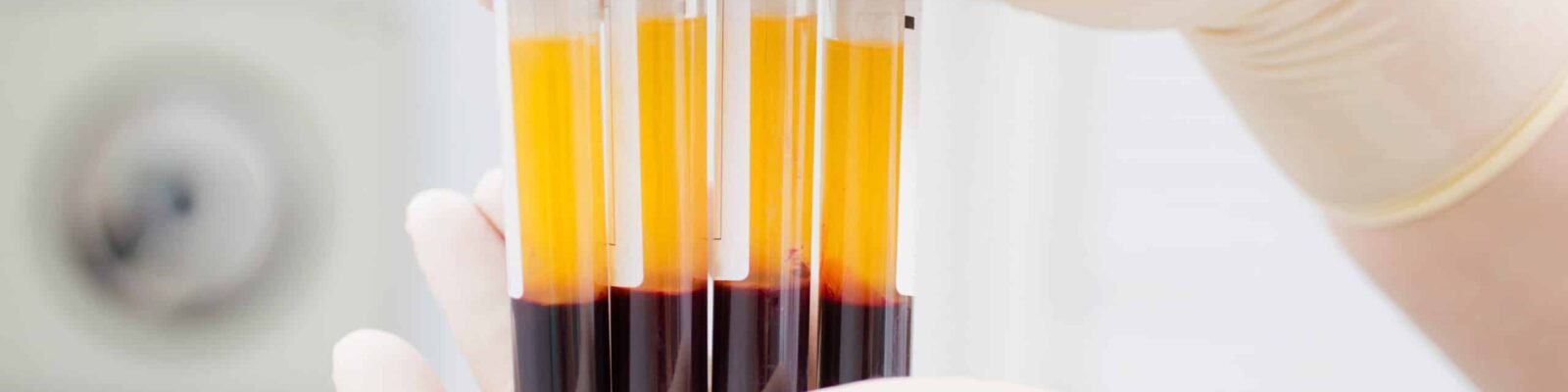
Hands holding vials of platelet-rich plasma, highlighting its use in cosmetic dermatology for skin rejuvenation and healing enhancement.
Advancements in PRP Therapy: Looking Forward
Emerging Research
Continuous research into PRP therapy’s efficacy and applications has provided the basis for its rapid adoption in aesthetic medicine. Studies continue to validate its therapeutic benefits across diverse treatment areas.
Research efforts are focused on optimizing platelet concentration and understanding how various protocols can be tailored for differing patient needs.
Insights gained from these studies are pivotal in broadening the understanding and enhancing the effectiveness of PRP treatments, spearheading new developments.
Technological Innovations
Technological advancements have played a crucial role in refining PRP therapy, improving preparation and application techniques substantially.
Innovations in centrifuge technology have ensured more efficient and consistent separation of platelets, enhancing the overall efficacy of treatments.
These innovations align with ongoing advancements in dermatology vs med spa approaches, paving the way for more effective and patient-friendly treatments.
Future Applications
As we explore future possibilities, PRP therapy shows great promise in expanding its applications beyond current boundaries.
Combining with other therapies: Integrating PRP with other modalities such as laser treatments offers potential to enhance overall outcomes.
Tailored treatments for individual needs: Customization of PRP concentrations provides more precise and effective treatments for diverse patient requirements.
Expanding applications in various domains: Potential to apply PRP therapy to new conditions further reinforces its versatility and potential growth within medical fields.
Embracing these future directions will ensure PRP therapy continues to evolve and improve, securing its place in the forefront of regenerative medicine.
Conclusion: The Significance of PRP Therapy in Aesthetic Medicine
Recap of Key Points
PRP therapy has emerged as a revolutionary option in aesthetic medicine, offering myriad benefits for hair restoration and skin rejuvenation. This treatment capitalizes on the body’s own healing capabilities, providing a natural and effective option for those seeking non-invasive solutions.
Its versatility and safety make PRP an appealing choice, while ongoing research continuously propels advancements, enhancing its effectiveness and expanding potential applications.
The insights gathered throughout this discussion underscore PRP’s evolving role in transforming aesthetic treatments, ensuring sustained interest and trust among medical professionals and patients alike.
Why Choose PRP Therapy?
PRP therapy presents a unique set of advantages:
- Tailored solutions for various skin types: Customized for individual skin and hair needs, ensuring optimal outcomes.
- Proven benefits in hair restoration: Enhances hair growth naturally and effectively.
- Minimal downtime and recovery: Patients benefit from a rapid return to normal activities.
- Natural results using the body’s own components: Exploits natural mechanisms for the healthiest results.
- Growing acceptance in the medical community: Increasingly recognized for its efficacy and safety among professionals.
- Innovative future with ongoing research: Continuous advancements expand its capabilities.
- Positive patient satisfaction rates: High satisfaction due to effective, natural results.
This wealth of benefits encourages patients to consider PRP therapy as a compelling option for aesthetic enhancement.
Next Steps for Interested Patients
Patients interested in PRP therapy should schedule a consultation with a trusted skin specialist or a board-certified dermatologist to discuss suitable treatment options.
By taking a proactive approach and consulting professionals, patients can embark on a journey toward achieving their aesthetic goals in a safe, informed, and effective manner.
This collaborative approach helps ensure that the benefits of PRP therapy are fully realized, leading to satisfying and rejuvenating outcomes.
Frequently Asked Questions
PRP therapy, or platelet-rich plasma therapy, involves using a concentration of platelets obtained from the patient’s blood to encourage healing and regeneration. It is used in both medical and aesthetic treatments to promote tissue repair, improve hair density, and rejuvenate the skin.
Each PRP therapy session typically lasts around one hour, including the time needed to prepare the PRP and the actual treatment. This includes the initial consultation, drawing of the blood, preparation of the PRP, and administration through injections.
While PRP therapy is generally safe, some patients may experience mild side effects such as redness, swelling, or bruising near the injection sites. These side effects are usually temporary and subside within a few days after the procedure.
Ideal candidates for PRP therapy are individuals seeking non-surgical options for hair restoration and skin rejuvenation. Those with active infections, bleeding disorders, or who are pregnant should consult a healthcare provider to determine suitability.
The frequency of PRP treatments varies based on individual goals and medical advice. Typically, a series of treatments spaced several weeks apart may be recommended to achieve optimal results, with maintenance sessions thereafter.
Post-treatment care includes avoiding strenuous activities, keeping the area clean, and protecting it from sun exposure. Following your provider’s aftercare instructions ensures the best possible outcomes.
Yes, PRP therapy can be effectively combined with other treatments such as microneedling, laser therapies, or injectables like Botox for enhanced results. Consultation with a provider will determine the best combination for individual needs.