Living with Eczema: Management Strategies That Work
Eczema requires personalized management strategies for effective control, making it crucial to understand and apply appropriate methods. This guide provides insight into management techniques, emphasizing the importance of self-care and medical interventions.
Understanding Eczema
Eczema, also known as atopic dermatitis, is a chronic skin condition characterized by itchy, inflamed, and irritated skin. Its exact causes vary and can include genetic factors, immune system issues, and environmental triggers, necessitating a comprehensive approach to management.
Various triggers can provoke eczema flare-ups, including weather changes, allergens, and stress, making it important to recognize and manage these factors. Regular visits to healthcare professionals such as dermatologists aid in customizing treatment plans.
Why Effective Management is Key
Proper eczema management aims to reduce symptoms, prevent flare-ups, and improve the individual’s quality of life. Consistent management not only alleviates current symptoms but can also prevent future outbreaks, providing long-term skin health benefits.
Beyond self-care strategies, seeking professional guidance is essential in creating an effective eczema management plan, tailored to the individual’s specific needs.
Common Myths about Eczema
Misconceptions about eczema may lead to ineffective treatment choices. For instance, some believe only children suffer from eczema, but it can affect individuals at any age. This emphasizes the need for accurate knowledge and individual-focused management.
It’s also important to recognize that while eczema is not curable, its symptoms can be effectively managed through lifestyle changes and medical treatment. Accurate information is crucial for understanding and addressing this complex condition.
psoriasis care and acne treatment options are also important skin care topics to explore to fully understand skin health management.
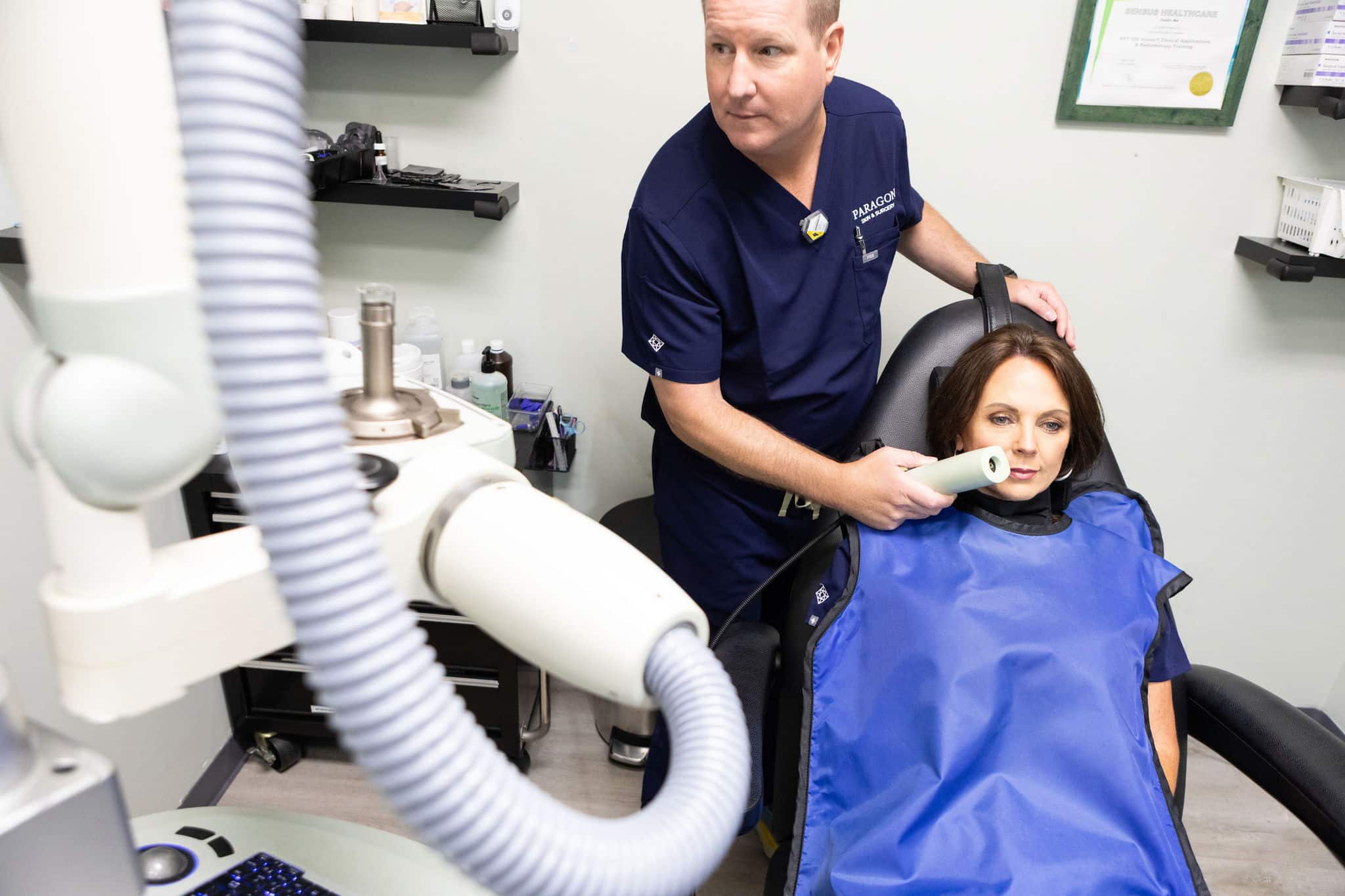
A dermatologist at Paragon Skin & Surgery performs a dermal examination on a patient in a medical clinic.
Overview of Effective Strategies for Managing Eczema
Managing eczema involves incorporating several strategies that address the root causes and triggers of flare-ups. Lifestyle modifications, an appropriate skincare routine, and dietary considerations play crucial roles.
Lifestyle Modifications
Living with eczema often necessitates adjustments in daily routines. Avoiding known allergens and irritants, managing stress, and maintaining proper hydration can significantly impact symptom control.
Additionally, regular physical activity and maintaining a healthy sleep schedule bolster the body’s immune response, further aiding in eczema management.
Skincare Routine
Establishing a gentle skincare routine tailored to sensitive skin is crucial for those with eczema. Using mild, fragrance-free cleansers and applying moisturizers immediately after bathing helps retain skin moisture.
Opting for products designed for sensitive skin can reduce irritation and flare-ups, providing a soothing, protective layer.
Dietary Considerations
Diet plays an essential role in managing eczema symptoms. Certain foods may exacerbate flare-ups due to allergic reactions. Identifying and avoiding these foods helps manage and prevent symptoms.
Conversely, incorporating anti-inflammatory foods such as omega-3-rich fish and antioxidant-rich fruits and vegetables can support skin health from within.
board certified dermatologist and dermatology vs med spa are useful resources for understanding professional dermatological care versus cosmetic treatments.
Creating a Suitable Living Environment for Eczema
The environment within your home can significantly impact eczema symptoms, making adjustments crucial for effective management. From minimizing irritants to adjusting fabrics, each step contributes to a healthier living space.
Home Adjustments
Maintaining a clean, dust-free environment can reduce potential allergens that may trigger eczema flare-ups. Regular cleaning and use of hypoallergenic products are fundamental in creating a skin-friendly home.
Considering the proper humidity level in the home also plays a role; using a humidifier can prevent the air from becoming too dry.
Choosing the Right Fabrics
When dealing with eczema, the choice of fabrics in clothing and bedding is crucial. Opt for soft, breathable materials such as cotton, which reduce irritation and allow the skin to breathe.
Avoid synthetic fabrics and those treated with harsh chemicals, as these can exacerbate eczema symptoms.
Air Quality Improvements
Maintaining clean, allergen-free air is essential. Implementing a few strategies can enhance air quality, reducing eczema triggers:
- Use of humidifiers: Keeps air moist and prevents drying of the skin.
- Regular cleaning: Minimizes dust and allergens in the environment.
- Avoiding harsh chemicals: Prevents skin irritation from airborne particles.
chronic wound care and venous leg ulcers also offer insights into managing similar skin conditions.
Exploring Treatment Options for Eczema Management
Eczema treatment involves a combination of topical, oral, and alternative therapies to manage symptoms effectively. Understanding various options allows individuals to tailor their treatment plan under professional guidance.
Topical Treatments
Topical treatments are often the first line of defense against eczema symptoms. These include corticosteroids, calcineurin inhibitors, and newer non-steroidal options designed to reduce inflammation and itchiness.
Selecting the appropriate topical agent largely depends on the severity and location of eczema, under the guidance of a healthcare provider.
Oral Medications
For more severe cases of eczema, oral medications such as antihistamines, antibiotics, or immunosuppressants can be prescribed to manage systemic symptoms.
These medications typically address more profound inflammation and are usually part of a broader treatment regimen.
Alternative Therapies
Many individuals explore alternative therapies as part of a comprehensive eczema management plan. Options like phototherapy, acupuncture, and herbal remedies can provide added symptom relief for some.
Consulting with healthcare professionals before initiating these therapies ensures they complement existing treatment plans effectively.
kybella double chin and vascular laser therapy are additional treatment options that can address certain skin-related concerns.
Guidance on Seeking Professional Help for Eczema
Recognizing when to seek professional assistance for eczema is an important aspect of effective management. A board-certified dermatologist can provide specialized care and detailed insights for optimized treatment.
When to See a Dermatologist
If you’re experiencing persistent or worsening eczema symptoms, consulting a dermatologist is crucial. Consider seeking professional help when:
- Persistent symptoms: Symptoms that do not improve with basic home treatment.
- Severe flare-ups: Intense outbreaks affecting quality of life.
- Signs of infection: Symptoms such as oozing or crusting require prompt attention.
- Need for prescription treatments: In cases where over-the-counter medications are ineffective.
- Difficulty managing symptoms: Struggles with identifying triggers or calming flare-ups.
- Requesting specialized care: For complex cases needing advanced treatment.
What to Expect during Your Appointment
During your dermatologist visit, you’ll undergo a thorough skin examination and discussion of your medical history. This will aid in diagnosing the condition accurately and formulating a personalized treatment plan.
Your doctor may recommend further testing if necessary and provide detailed advice on managing triggers.
Helpful Questions to Ask Your Doctor
Prepare questions for your dermatologist to gain the most from your appointment. Inquire about the nature of your eczema, suggested treatments, and any potential side effects of prescribed medications.
Asking about daily management tips and long-term care will ensure you are well-equipped to handle your condition effectively.
Mohs surgery procedure and Mohs surgery recovery provide additional surgical options for those in need of these specialized treatments.
Review of Innovative Treatments and Ongoing Research in Eczema
Innovations in eczema treatment continue to evolve, offering new hope for individuals seeking relief from persistent symptoms. Progress in therapy options and research can significantly alter management strategies.
Emerging Therapies
Recent advancements in biologic medications, which target specific immune pathways, offer promise for severe eczema cases unresponsive to conventional treatments.
Additionally, new topical formulas with improved absorption profiles are being developed, minimizing potential side effects.
Current Research Trends
Research into the underlying genetic and environmental contributors to eczema is ongoing. These studies aim to uncover precise mechanisms triggering symptoms, aiding in the development of targeted interventions.
This ongoing research fuels progress towards more effective treatments and ultimately a potential cure.
Future Directions in Eczema Treatment
Research continues to push the boundaries of eczema management with exciting future directions:
- Use of gene therapy: Exploring treatments aimed at correcting underlying genetic causes.
- New biologic medications: Ongoing development promises more tailored treatment options.
- Advances in topical treatments: Targeting skin-specific pathways for enhanced efficacy.
- Understanding eczema triggers: Investigative efforts continue to identify detailed trigger profiles.
- Patient-centric care approaches: Increasing the customization of care plans for individual needs.
Detailed insights from understanding the srt treatment process and evaluating is srt right for me offer further knowledge on surgical radiation therapies.
Final Thoughts on Managing Eczema Effectively
Managing eczema effectively opens the pathway to a better quality of life, fostering empowerment and well-being. Taking control of your skin condition involves continuous learning and adapting strategies to suit your personal needs.
Empowering Individuals
Understanding and managing eczema empowers individuals to lead healthier lives, overcoming limitations imposed by skin discomfort. It facilitates active engagement in daily activities, free from the constraints of recurring symptoms.
With ongoing management and access to effective treatments, individuals can experience considerable improvements in their overall skin health.
Community Support Resources
Connecting with support networks provides valuable emotional backing and practical advice for those living with eczema. Participating in forums, support groups, and educational workshops can offer relief and enhance treatment strategies.
These resources act as platforms for sharing experiences and learning from others facing similar challenges.
Continuing Education and Awareness
Raising awareness and educating oneself about eczema are vital to staying informed about new treatment options and research developments. Attending seminars and engaging with educational materials maintains a proactive approach to eczema management.
Efforts in raising awareness also aid in reducing stigma and encouraging societal understanding. Expanding knowledge in areas like skin cancer prevention and managing pressure wounds can further enhance skin health strategies.
Eczema Management FAQs
Eczema, or atopic dermatitis, is a chronic skin condition causing skin to be red, inflamed, itchy, and sometimes cracked or blistered. Eczema symptoms often include patches of skin that feel dry and rough. It can occur anywhere on the body and is particularly common in children.
Managing eczema at home involves avoiding known irritants, keeping skin moisturized with gentle products, and using medications as prescribed. Regular skincare routines, stress management, and avoiding allergens can also help control symptoms.
Consult a dermatologist if your eczema symptoms persist despite home management, or if you experience severe flare-ups that interfere with daily life. Signs of infection, such as oozing or increased redness, or a need for prescription treatments also warrant a professional consultation.
Recent advancements in eczema treatment focus on new biologic medications targeting specific immune pathways, as well as innovative topical treatments with improved delivery systems. Ongoing research into understanding the genetic and environmental contributors to eczema also guides treatment development.
Diet can significantly affect eczema symptoms. Certain foods may act as allergens that trigger eczema flare-ups. Identifying and avoiding these foods is crucial, while including anti-inflammatory foods like omega-3 fatty acids can potentially reduce symptoms.
Holistic approaches to managing eczema include stress-reduction techniques such as meditation and yoga, and complementary therapies like acupuncture or naturopathy. However, it’s important to discuss these options with a healthcare provider to ensure they complement your treatment plan.