Introduction to Laser Skin Tightening
What is Laser Skin Tightening?
Laser skin tightening treatment is a non-invasive procedure that uses laser technology to stimulate collagen production and tighten skin. Aimed at reducing fine lines and wrinkles, it offers a rejuvenated and youthful appearance without the need for surgery. Patients find it an effective alternative to facelifts, often noticing significant improvements after just one session.
It is particularly popular for addressing early signs of aging on the face and neck, providing a non-surgical facelift effect. The procedure involves using targeted laser beams to penetrate the skin layers, promoting natural healing and collagen growth. This results in a firmer, more toned skin texture and reduced sagging, delivering a natural and refreshed look.
Unlike traditional surgical methods, laser skin tightening has minimal recovery time, allowing patients to resume their normal activities almost immediately. This convenience and the minimally invasive nature make it an attractive option. It’s also less costly compared to surgical procedures, with results that last for several months.
Benefits of Laser Skin Tightening
Non-Invasive: The treatment avoids the risks associated with invasive surgery, requiring no incisions or general anesthesia.
Quick Recovery: Patients can expect minimal downtime, often returning to daily routines the same day.
Long-Lasting Results: Results can last up to several years with proper skin care and maintenance.
Safe for All Skin Types: This technique is generally safe across various skin types and tones, making it widely accessible.
Who is a Good Candidate?
Ideal candidates for laser skin tightening include individuals with mild to moderate skin laxity who seek a non-surgical solution for lifting and firming. Typically, those in their late 30s to early 50s benefit the most, though it is suitable for anyone experiencing early signs of aging.
While effective for most, candidates should have realistic expectations about the outcomes. It is crucial to consult with a skincare specialist to assess suitability. A pre-treatment consultation with a specialist is recommended to personalize the treatment plan and enhance result predictability.
Conditions like severe skin sagging may require alternative treatments. Potential candidates must also ensure no contraindications for laser therapy, such as certain medications or skin conditions. With proper guidance, patients can achieve a significant lift and improve overall skin texture.
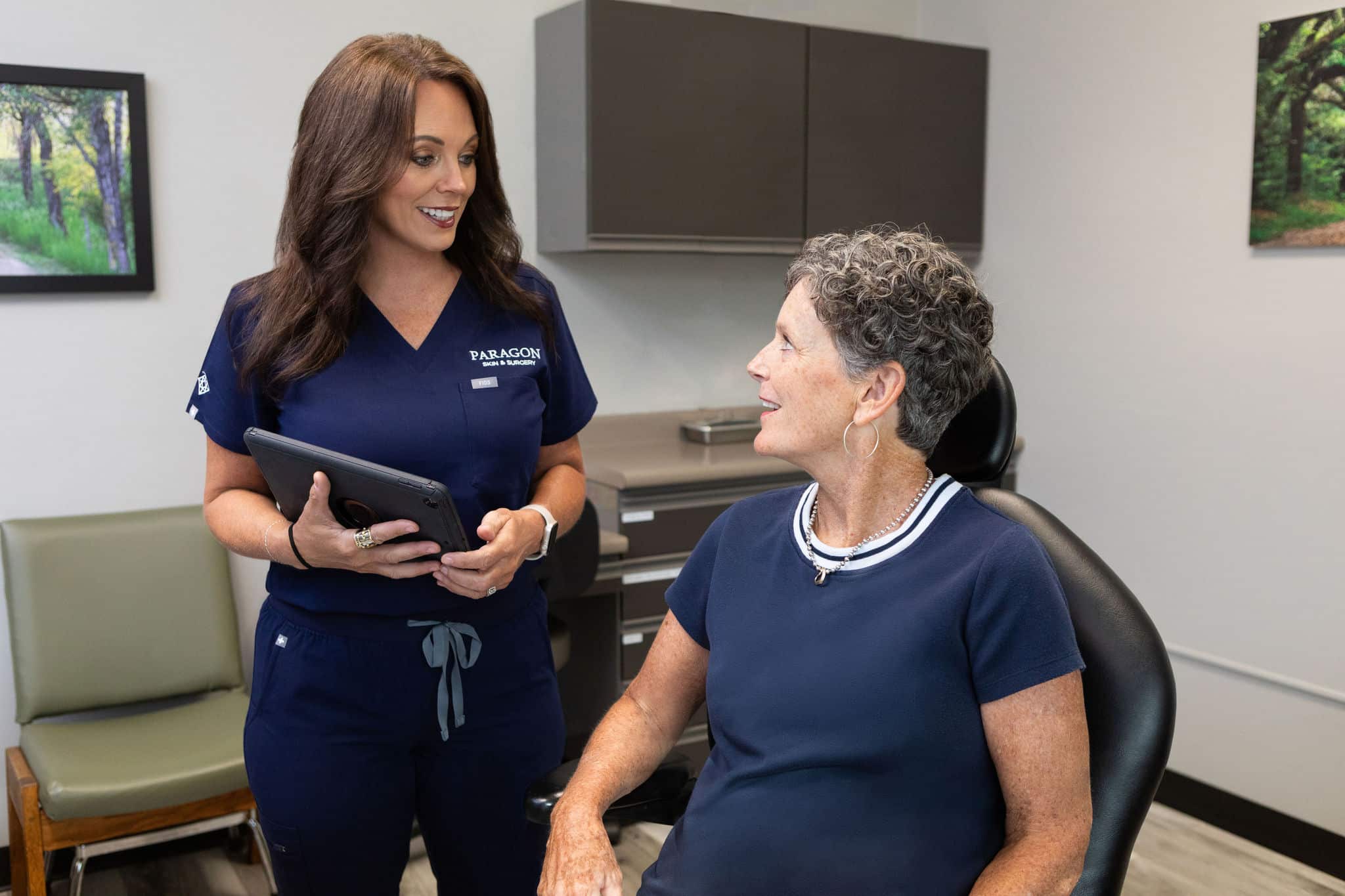
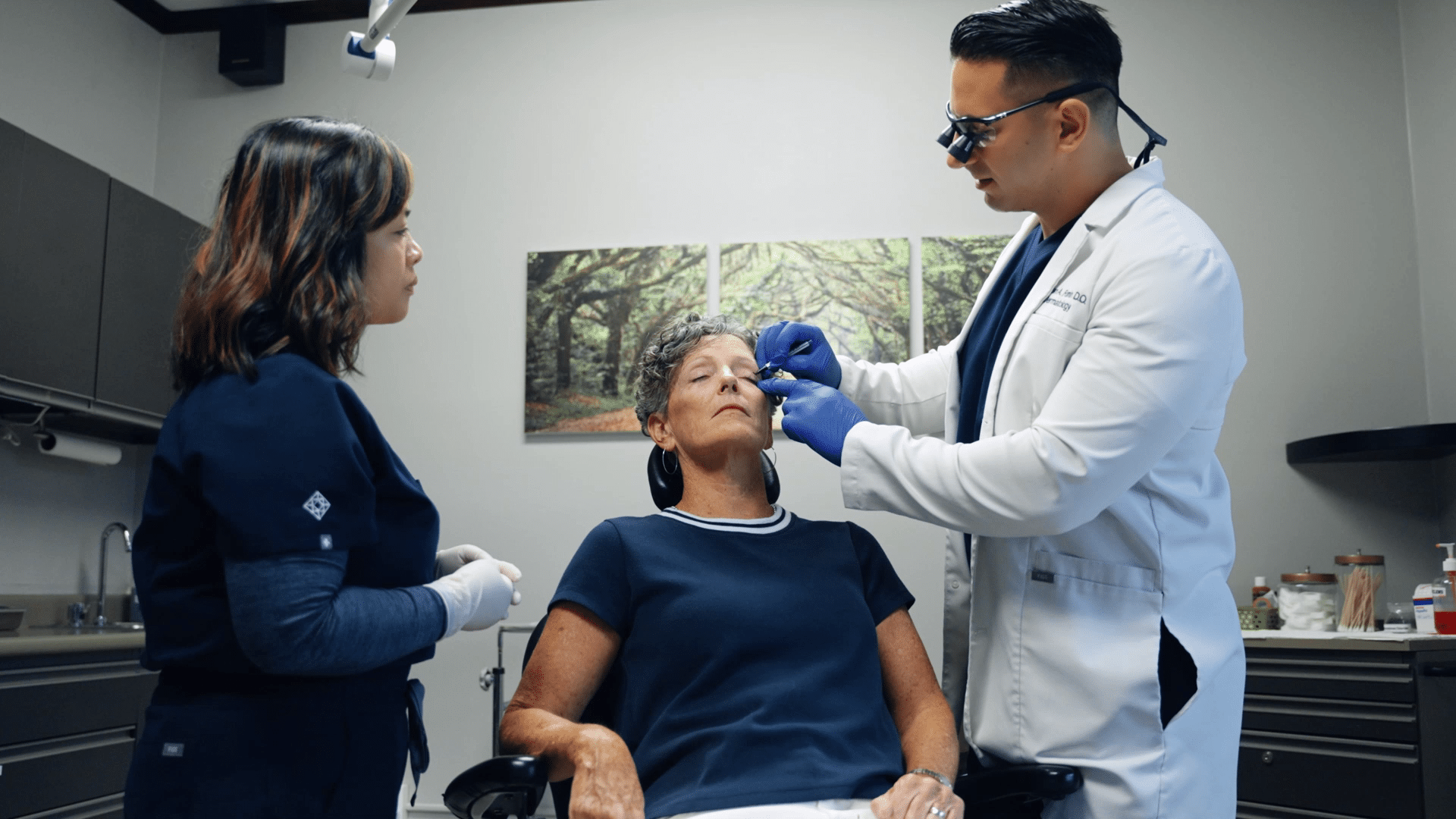
A dermatologist consulting with a patient in a clinical setting at Paragon Skin & Surgery, highlighting professional patient care and treatment.
Techniques and Comparable Treatments
Different Techniques for Laser Skin Tightening
Laser skin tightening employs various techniques, including radiofrequency (RF), ultrasound, and fractional laser methods. Each uses distinct energy principles to heat the skin layers, thereby stimulating collagen production. Radiofrequency delivers energy through the skin, triggering a tightening effect immediately post-treatment and progressively over time.
Ultrasound technology uses sound waves to penetrate deeper skin layers, often resulting in more substantial improvements compared to surface treatments. Fractional lasers create micro-injuries at the targeted site, encouraging new skin growth while preserving the surrounding tissue, minimizing recovery time.
Each method offers unique advantages in skin rejuvenation and firming, catering to different patient needs. Professionals at clinics like Paragon Skin can customize these techniques to ensure optimal outcomes based on individual skin types and desired results.
Comparing Laser Types
Radiofrequency (RF): Good for all skin types and provides deep heating for tightening and lifting.
Ultrasound: Effective for targeting deep foundation layers, offering lift and contouring benefits.
Fractional Laser: Provides texture improvement and skin resurfacing benefits while being less aggressive on surface tissue.
Choosing the right laser type involves considering skin tone, sensitivity, and expected outcomes. Discuss with experts about non-invasive skin treatments to find the best match.
Effectiveness and Results
The effectiveness of laser skin tightening varies with the technique used and the individual’s physiology. Most patients notice immediate improvements, with full results developing over several months as collagen regenerates.
Regular sessions may be needed for optimal outcomes, with maintenance treatments recommended to prolong benefits. It’s advised to combine tightening procedures with other therapies like IPL photofacial for enhanced skin texture and tone.
Overall, laser skin treatments offer a safe, reliable method to achieve a youthful appearance, supporting a healthy lifestyle and skincare routine.
Preparing for and Undergoing the Procedure
Pre-Treatment Consultation
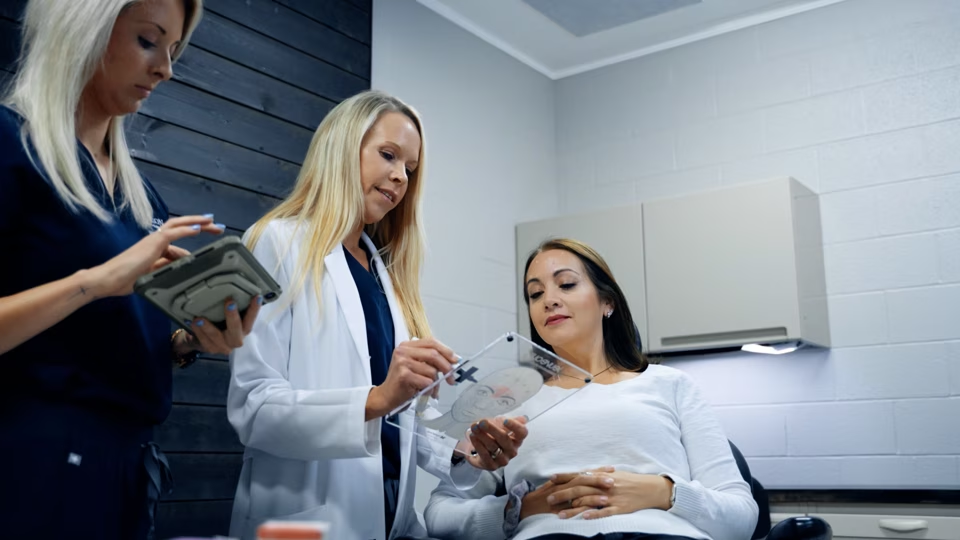
Undergoing a pre-treatment consultation is a crucial step in preparing for laser skin tightening. This session involves discussing your aesthetic goals, medical history, and any concerns you might have. It’s an opportunity to understand the procedure’s specifics and set realistic expectations.
During this consultation, your specialist will evaluate your skin type and discuss potential risks and benefits. It’s also a chance to review different treatment techniques to find the ideal approach tailored to you. For additional guidance, consider consulting a board-certified dermatologist for expert advice.
What to Expect During Treatment
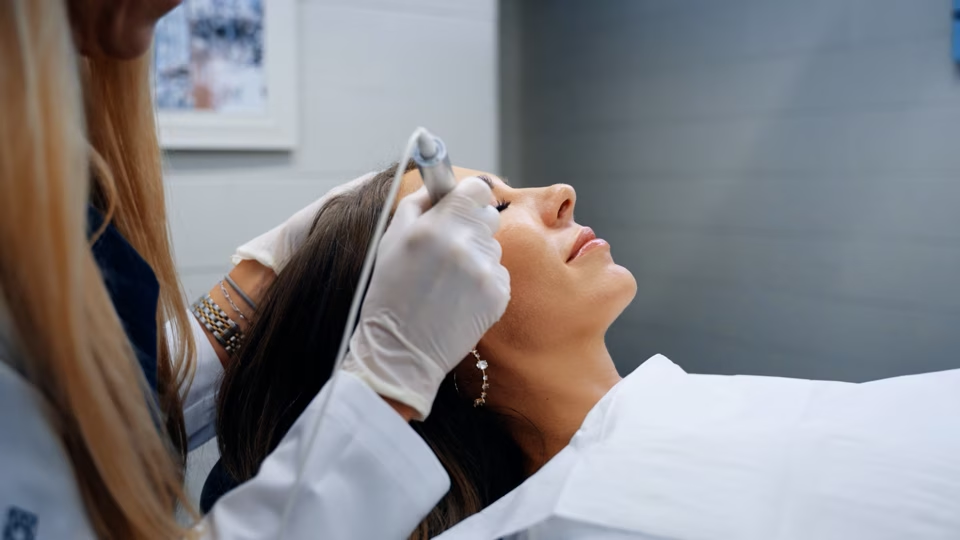
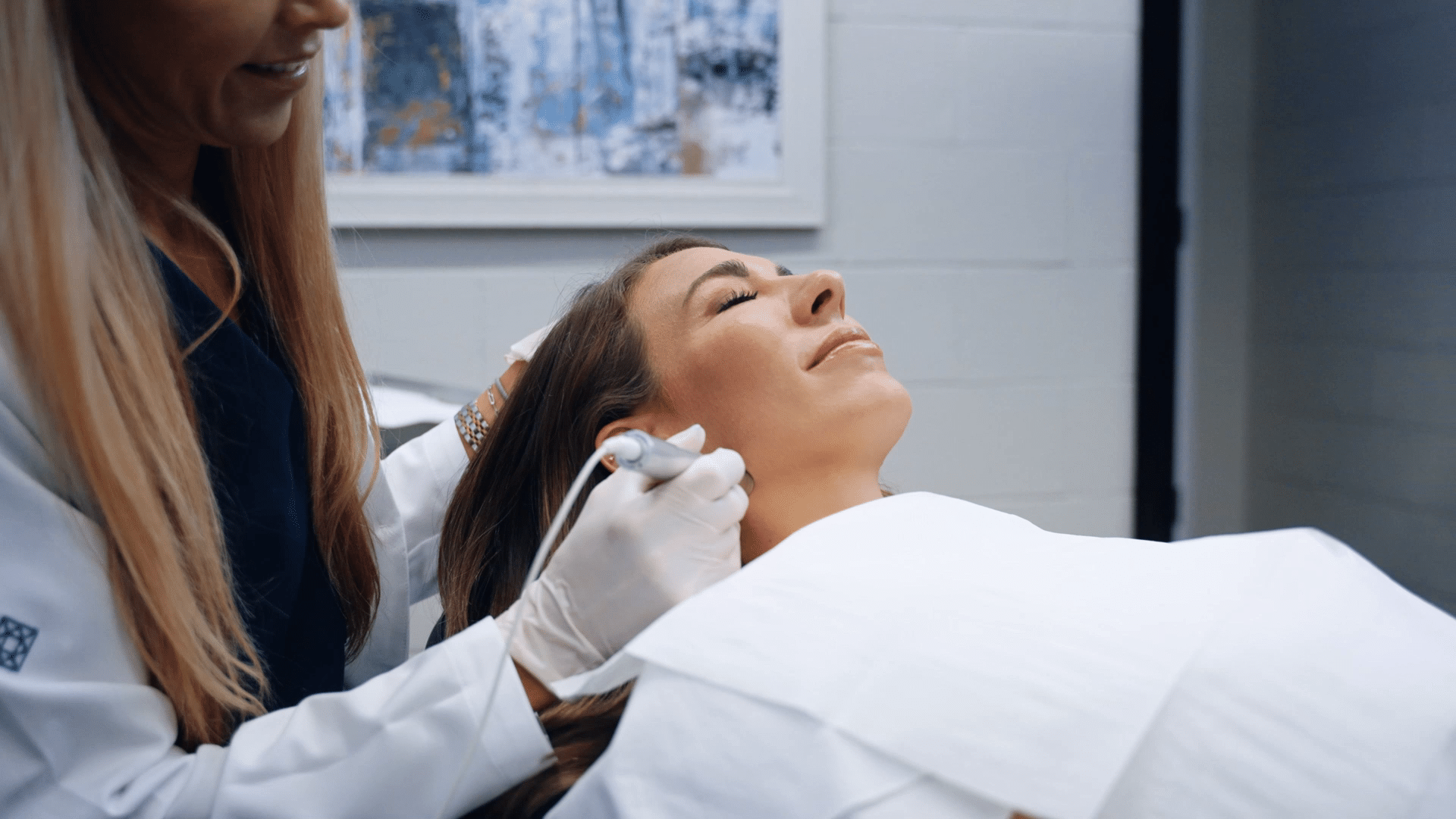
On the day of treatment, you can expect a relatively quick and straightforward process. After preparing the skin with a cleansing solution, the practitioner will apply the laser to the target areas. Most treatments conclude within 30 to 60 minutes, depending on the scope and number of areas.
Throughout the session, a cooling device may be used to enhance comfort and protect your skin’s surface. Clients often describe the sensation as a warm pinch, with the intensity varying per individual. Depending on the settings used, the procedure might require more than one session to achieve the desired results.
Most clients find the treatment manageable without anesthesia. However, topical numbing creams are available if needed to enhance comfort. Initial results often become noticeable within weeks, leading to ongoing improvements as the collagen matures.
Aftercare Tips and Potential Side Effects
Post-treatment care is crucial for maximizing the results and maintaining healthy skin. Immediately after the session, you may notice some redness and mild swelling. These effects usually subside within a few hours. It is essential to keep the treated area moisturized and use sunscreen diligently to protect your skin.
Avoiding direct sunlight and following a gentle skincare routine will enhance recovery. Also, regular follow-up treatments may be recommended to maintain long-term results.
While laser skin treatment is generally safe, some potential side effects might occur:
Redness and Swelling: These are common and typically fade after a few days.
Slight Discomfort: Mild pain or irritation may be noticed but usually resolves quickly.
Temporary Skin Sensitivity: Increased sensitivity to sun or certain products might occur post-treatment.
Rare Cases of Burns: Minor burns can happen, often resolved with proper care and guidance from specialists.
Anticipated Results and Lasting Effects
Expected Results
The effects of laser skin tightening generally become more apparent over time. Initially, patients can expect a noticeable lift and smoother skin texture. The full impact typically peaks within 6 months as collagen continues to tighten and remodel the skin.
While one treatment can lead to satisfying results, a series of sessions may be necessary for comprehensive improvements, particularly for those with more pronounced signs of aging. Complementary procedures, like Botox, can further enhance outcomes.
Longevity of Treatment Effects
On average, the results from laser skin tightening can last between 1 to 3 years, contingent on the individual’s skin condition and the treatment modality used. With proper skincare and occasional touch-ups, many patients enjoy prolonged benefits.
Factors such as lifestyle, sun exposure, and aging naturally influence the longevity of its effects. Maintaining a healthy lifestyle and skincare routine are key in extending the results.
Factors Affecting Results
Several elements determine how effective the results will be and how long they last. Skin type, age, elasticity, and genetics play significant roles. The expertise of the provider can also influence the outcomes considerably.
A comprehensive skincare regime post-treatment, coupled with regular follow-ups, will help maximize and sustain results. Consult with a professional to create a treatment plan that aligns with your skin’s unique needs.
Exploring other options like Kybella treatments might complement your skin tightening goals, especially in regions like the chin and neck.
Post-Treatment Skincare and Maintenance
Skincare Routine After Treatment
Maintaining an appropriate skincare routine post-treatment is crucial for enhancing results and extending their duration. Implementing products that focus on hydration and protection will support recovery and boost outcomes.
Hydrating Products: Incorporate hydrating serums and creams to enhance moisture retention.
Sunscreens: Utilize broad-spectrum SPF to safeguard against UV damage, which might undo treatment benefits
Moisturizers: Apply daily to keep the skin supple and help lock in hydration for longer-lasting results.
Regular Check-Ups
Routine check-ups with your dermatologist can help monitor the skin’s condition and address any concerns that arise promptly. These consultations offer opportunities to adjust your skincare strategy, ensuring it remains effective as your skin changes over time.
Additionally, regular assessments of your skincare products and their compatibility with your skin condition post-treatment are recommended.
Lifestyle Considerations
Incorporating healthy lifestyle choices, such as a balanced diet and regular exercise, complements the treatment’s effects. These practices enhance overall skin health, support collagen production, and help maintain a youthful appearance.
Reducing stress, staying hydrated, and avoiding excessive sun exposure will further prolong the effects of the treatment. Explore additional treatments like dermal fillers for more comprehensive facial rejuvenation.
Manage skin upkeep holistically to preserve and enhance the youthful benefits provided by laser treatments.
Comparing Laser Skin Tightening with Other Methods
Laser Skin Tightening vs. Traditional Facelifts
Traditional facelifts involve surgical procedures that lift and tighten the facial tissues. While effective in providing dramatic results, facelifts require longer recovery and come with higher risks compared to non-invasive techniques like laser skin tightening.
Laser procedures are favored for their lower risk and minimal downtime, making them an appealing option for those not yet ready for surgery. Though the results may not be as extensive as surgical methods, the natural appearance achieved through lasers often matches or exceeds patient expectations with less recovery.
Comparing with Botox and Fillers
Botox and dermal fillers are other popular non-invasive options aiming to rejuvenate the face. While Botox focuses on relaxing wrinkle-causing muscles, fillers add volume to sunken areas. These differ fundamentally from laser procedures, which target skin elasticity and texture.
Many find combining treatments—like using Botox for dynamic wrinkles and lasers for overall enhancement—provides balanced and comprehensive improvements.
Those considering these treatments should educate themselves on the differences to select what aligns best with their aesthetic goals. Consultations with experts can yield a tailored plan that utilizes the strengths of each method.
Exosome therapy can be an innovative alternative, boasting regenerative benefits suitable for specific skin conditions.
Which Method is Right for You?
The choice between a laser treatment and other methods depends on several factors, including age, skin condition, desired results, and willingness to undergo surgery.
Engage in a detailed discussion with a specialist to evaluate your unique skin concerns and explore why laser skin tightening at dermatology clinics might be the best choice.
Ultimately, patient satisfaction aligns closely with personal goals, expectations, and the quality of the chosen provider.
Understanding the Costs of Laser Skin Tightening
Understanding Treatment Costs
Laser skin tightening costs can vary significantly based on several factors. Here’s a breakdown of what influences the overall expense:
Initial Consultation Fees: Many clinics charge a fee for the initial assessment, though some might apply this toward treatment costs if you decide to proceed.
Package Offers: Purchasing multiple sessions can often reduce the per-treatment cost, providing better value for ongoing care.
Post-Treatment Products Costs: Aftercare products tailored to your recovery are an additional expense and crucial for optimal results.
Skill and Experience of the Provider: Experienced professionals might charge more, but they often yield better results with improved safety.
Geographical Location: Treatment prices vary between regions due to differing overhead and living costs.
Insurance Coverage
Cosmetic procedures like laser skin tightening are typically elective and not covered by standard health insurance plans. However, some clinics offer financing options, making these treatments more accessible to a broader range of clients.
Before committing, inquire about any available plans that might assist in managing the financial aspect. Discussing costs with your provider during the initial consultation helps ensure transparency.
For comprehensive understanding, consider the role of your provider in achieving high-quality results at a justified expense.
Financing Options
Financing options, such as monthly payment plans, can alleviate the upfront burden of costs associated with laser skin procedures. Many clinics partner with third-party financial services offering customizable payment options.
Exploring such plans can provide the means to attain desired aesthetic goals without undue financial strain. Always verify the terms and conditions to ensure the plan aligns with your budget.
Proper financial planning and understanding all associated costs upfront make the journey to rejuvenated skin smoother and stress-free.
Final Thoughts on Choosing Laser Skin Tightening
Why Choose Laser Skin Tightening?
Laser skin tightening has become a popular choice for those seeking non-invasive rejuvenation that offers natural-looking results with minimal effort and recovery.
Non-Invasive Procedure: Eliminates the need for surgeries while achieving noticeable results.
Minimal Downtime: Allows clients to resume daily activities almost instantly post-treatment.
Natural-Looking Results: Mediums effects that are subtle, yet profoundly rejuvenating.
Long-Lasting Effects: With proper care, results can be long-lasting.
Versatility in Treatment Areas: Suitable for various parts of the body beyond the face, expanding its application and efficiency.
Encouraging Consultations
We encourage consultations to help clients fully understand the procedure and set realistic expectations. Educating yourself on the process and discussing specific concerns with professionals informs better decision-making and enhances satisfaction with the results.
Clinical visits can demystify the technology and offer personalized advice, empowering you to undertake the best decision for your skin’s health and aesthetics.
Contacting a Specialist
Reach out to a recognized specialist to discuss potential outcomes and detailed treatment plans. Their expertise ensures a safe, effective experience while considering your unique needs. Clinics often provide initial consultations for assessing compatibility and discussing pricing structures.
Choosing experts from trusted facilities assures quality treatment from start to finish. Consider referencing reviews and practicing due diligence as you research options.
Embrace the transformative journey with laser skin tightening for a rejuvenated appearance that feels as good as it looks. Learn more about recovery processes and outcomes at our resources for even further confidence.
Frequently Asked Questions About Laser Skin Tightening
The number of sessions required depends on the individual’s skin condition and the desired outcome. Typically, 3 to 6 sessions spaced several weeks apart are recommended for optimal results. Your specialist will develop a personalized plan tailored to your specific needs during the initial consultation.
Yes, laser skin tightening is generally safe for all skin types. Advances in laser technology have made it possible to adjust the settings to cater to different skin tones effectively. Prior consultation is essential to assess skin compatibility and minimize the risk of complications.
To enhance results, adopt a thorough post-treatment skincare routine. This includes using high-quality moisturizers, maintaining hydration, protecting the skin from sun exposure, and avoiding harsh products. Regular follow-up treatments can also help maintain the results.
Laser skin tightening involves minimal downtime. Most individuals can resume their daily activities immediately after the procedure. It’s common to experience mild redness or swelling, which typically resolves within a few hours to days. Following aftercare instructions will ensure a smooth recovery process.