Introduction to Exosome Therapy
What is Exosome Therapy?
Exosome therapy represents a breakthrough in the field of skin rejuvenation, offering a cutting-edge solution to aging and damaged skin. Derived from regenerative medicine, exosomes are extracellular vesicles that carry proteins and genetic materials crucial for cellular communication. They enhance the natural healing process, making them a significant advancement in cosmetic skin treatment.
As one of the emerging aesthetic trends for 2025, exosome therapy is influencing the way we approach beauty and skin care.
How Does Exosome Therapy Work?
Exosome therapy utilizes the natural communicative properties of exosomes to influence the behavior of surrounding cells. When applied to the skin, these vesicles penetrate deep into the dermis to activate and rejuvenate fibroblasts—special cells that produce collagen and elastin. This biological process results in firmer, more youthful-looking skin, making it a preferred choice among anti-aging treatments.
This method is akin to PRP therapy but uses even more targeted materials derived from stem cells, enhancing its effectiveness and efficiency.
Benefits of Exosome Therapy
Choosing exosome therapy comes with a host of benefits that appeal to those seeking non-surgical skin rejuvenation options. It not only accelerates skin healing but also reduces inflammation and signs of aging. With its ability to improve skin texture and tone, it offers a natural, non-invasive alternative to traditional treatments.
This therapy supports the skin’s own regenerative capabilities, providing results that are both effective and sustainable over time, redefining the standards of modern cosmetic skin treatments.

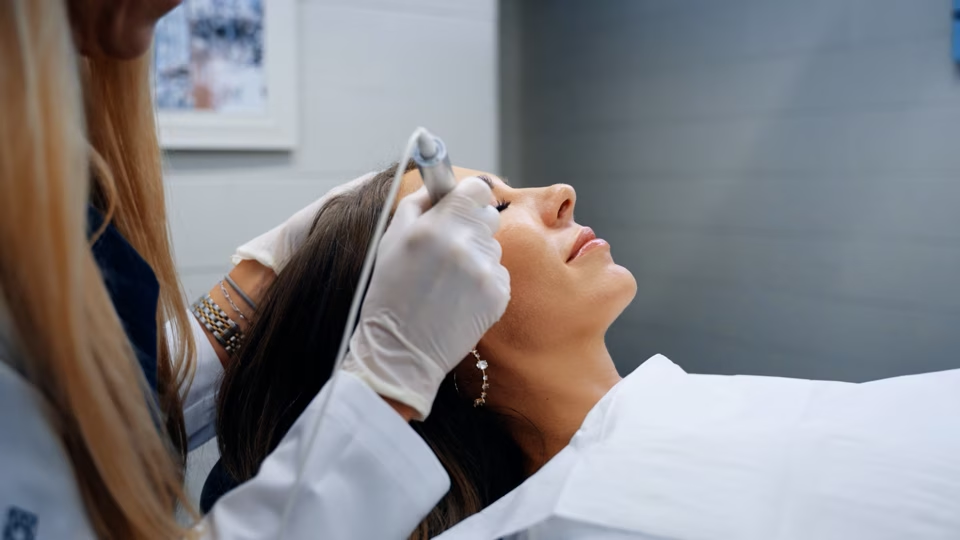
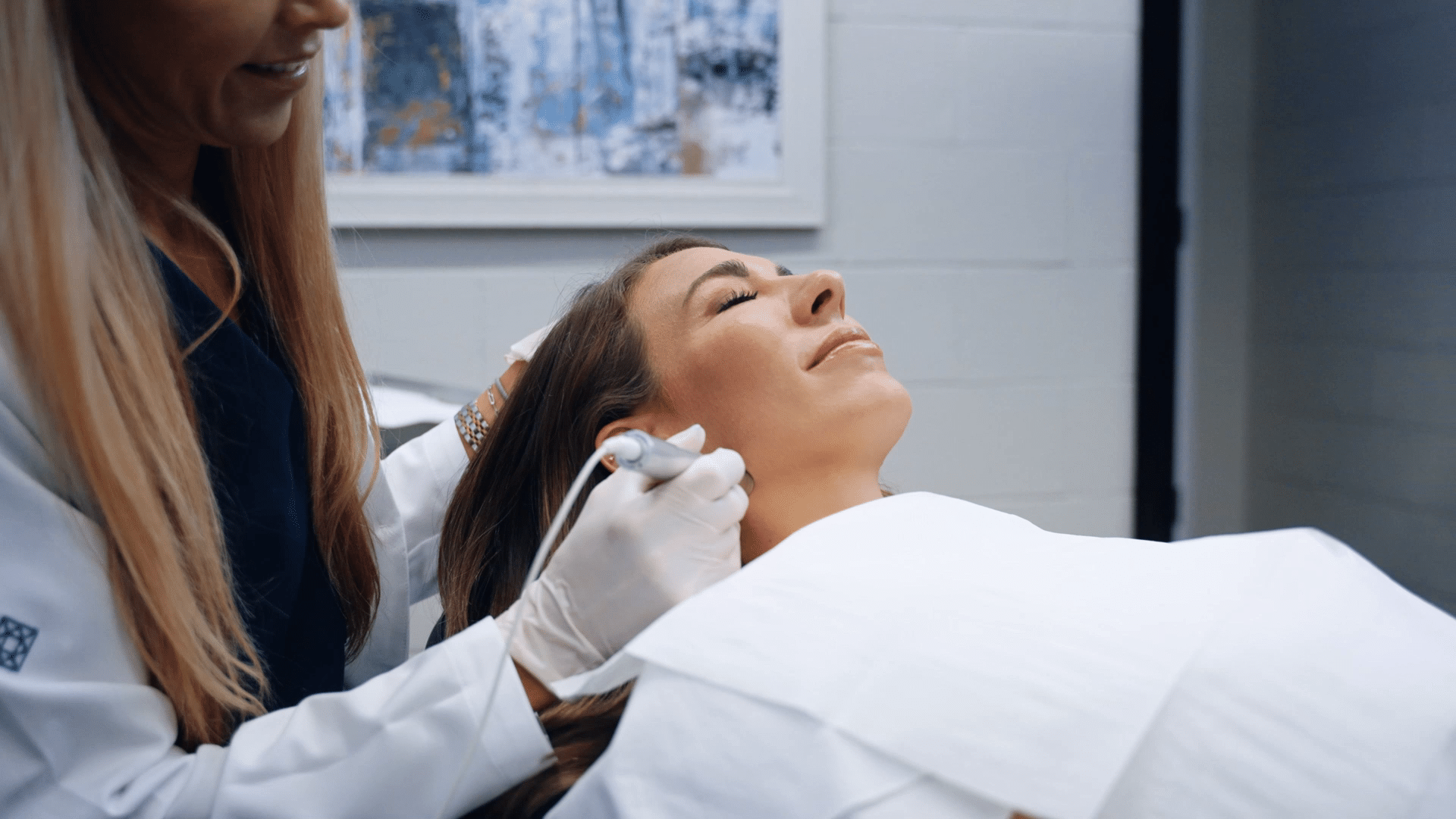
A patient at Paragon Skin & Surgery experiences microneedling for skin rejuvenation and revitalization.
Key Considerations for Exosome Therapy
Key Benefits of Exosome Therapy
Exosome therapy presents several compelling advantages over conventional cosmetic procedures:
- Promotes skin healing: Accelerates the skin’s natural repair process.
- Reduces inflammation: Helps soothe irritated skin, making it ideal for sensitive applications.
- Improves collagen production: Stimulates collagen, resulting in firmer skin.
- Enhances skin texture: Boosts overall skin smoothness and clarity.
- Minimizes wrinkles: Diminishes fine lines for a youthful appearance.
- Non-invasive procedure: Requires no surgery, providing a comfortable experience.
These benefits highlight why many individuals are turning to exosome therapy as a preferred method for skin rejuvenation.
Who Can Benefit from Exosome Therapy?
Exosome therapy is suitable for anyone looking to improve their skin’s appearance without resorting to invasive procedures. It’s particularly beneficial for individuals dealing with age-related skin concerns such as fine lines, wrinkles, and sun damage. Additionally, it’s an excellent choice for those who have tried other treatments without desired results.
If you’re evaluating whether this treatment is right for you, consult with a skin specialist to discuss your skin health and goals.
Consultation Process
Before commencing exosome therapy, a consultation with a board-certified dermatologist is essential. During this session, your medical history, skin concerns, and treatment goals will be thoroughly assessed. This ensures that exosome therapy is tailored to meet your specific needs and expectations. The dermatologist will guide you through the process and prepare a personalized treatment plan, answering any questions or concerns you might have before proceeding.
The Exosome Therapy Process
Treatment Duration
The typical exosome therapy session lasts between 30 to 60 minutes, depending on the targeted areas and individual needs. Patients can expect a comfortable experience with minimal discomfort during the procedure. The non-invasive nature of this treatment means that there is no need for anesthesia or extended recovery periods.
Patients often appreciate the efficiency of exosome therapy, making it easy to integrate into busy schedules without significant downtime.
Aftercare Instructions
Post-treatment care is crucial for achieving the best results from exosome therapy. Patients are advised to avoid direct sunlight and rigorous physical activities for the first few days. Gentle skincare routines should be maintained, avoiding harsh chemicals and exfoliants to protect the rejuvenated skin.
Regular follow-ups with your dermatologist will help monitor progress and address any concerns that may arise during the recovery phase.
Results Timeline
The transformative effects of exosome therapy can vary among individuals. Here’s what you can typically expect in terms of results:
- Initial results may appear within days: Subtle changes like improved skin brightness and texture can be observed shortly after the treatment.
- Full results typically visible after several weeks: As the body continues to heal and regenerate, more pronounced improvements, such as reduced wrinkles and enhanced skin tone, become evident.
- Duration of results varies by individual: Factors like skin type, age, and lifestyle impact how long the results last. Regular sessions may be recommended for sustained effects.
By managing expectations and following professional advice, patients can maximize their enjoyment of the benefits provided by this innovative regenerative aesthetic treatment.
Potential Risks and Considerations
Common Side Effects
Like any cosmetic procedure, exosome therapy comes with its own set of potential side effects. Most commonly, patients may experience mild redness, swelling, or tenderness at the treatment site. These side effects are typically transient, resolving within a few days post-treatment.
Ensuring your procedure is carried out by a qualified professional reduces the risk of these minor complications.
Contraindications
Although exosome therapy is generally safe, it may not be suitable for everyone. Individuals with active infections, uncontrolled medical conditions, or certain skin disorders should avoid this treatment. It is always recommended to discuss your health status with your specialist before proceeding.
Understanding these contraindications helps you make informed decisions and avoid potential risks.
Consultation with a Specialist
To maximize the benefits of exosome therapy and minimize risks, consulting with a certified specialist is essential. A thorough skin evaluation ensures that the treatment is appropriate for your needs and helps you understand what to expect. Discuss potential side effects and contraindications during this consultation to ensure you are a good candidate for sensitive skin care and exosome therapy.
Exosome Therapy Alternatives
Other Skin Regeneration Treatments
While exosome therapy is an advanced treatment option, there are various other methods available for skin regeneration:
- PRP Microneedling: Combines platelet-rich plasma with microneedling to promote healing and rejuvenation.
- Dermal Fillers: Injectables that add volume and reduce wrinkles.
- Chemical Peels: Removes dead skin layers to reveal smoother skin.
- Laser Treatments: Uses focused light to treat fine lines and skin imperfections.
- Botox Injections: Reduces muscle activity to soften wrinkles.
- Traditional Facelifts: Surgical procedure for more dramatic effects.
Each of these alternatives has its own set of advantages and may be better suited for different individuals depending on specific needs.
Choosing the Right Treatment for You
Selecting the most appropriate treatment is crucial in achieving desired cosmetic outcomes. Consider factors like the severity of your concerns, budget, and personal preferences. Consulting with a qualified professional can provide you with a comprehensive understanding of each option’s benefits and limitations, guiding you in making a well-informed choice.
Ultimately, the best treatment is one that aligns with your aesthetic goals and lifestyle.

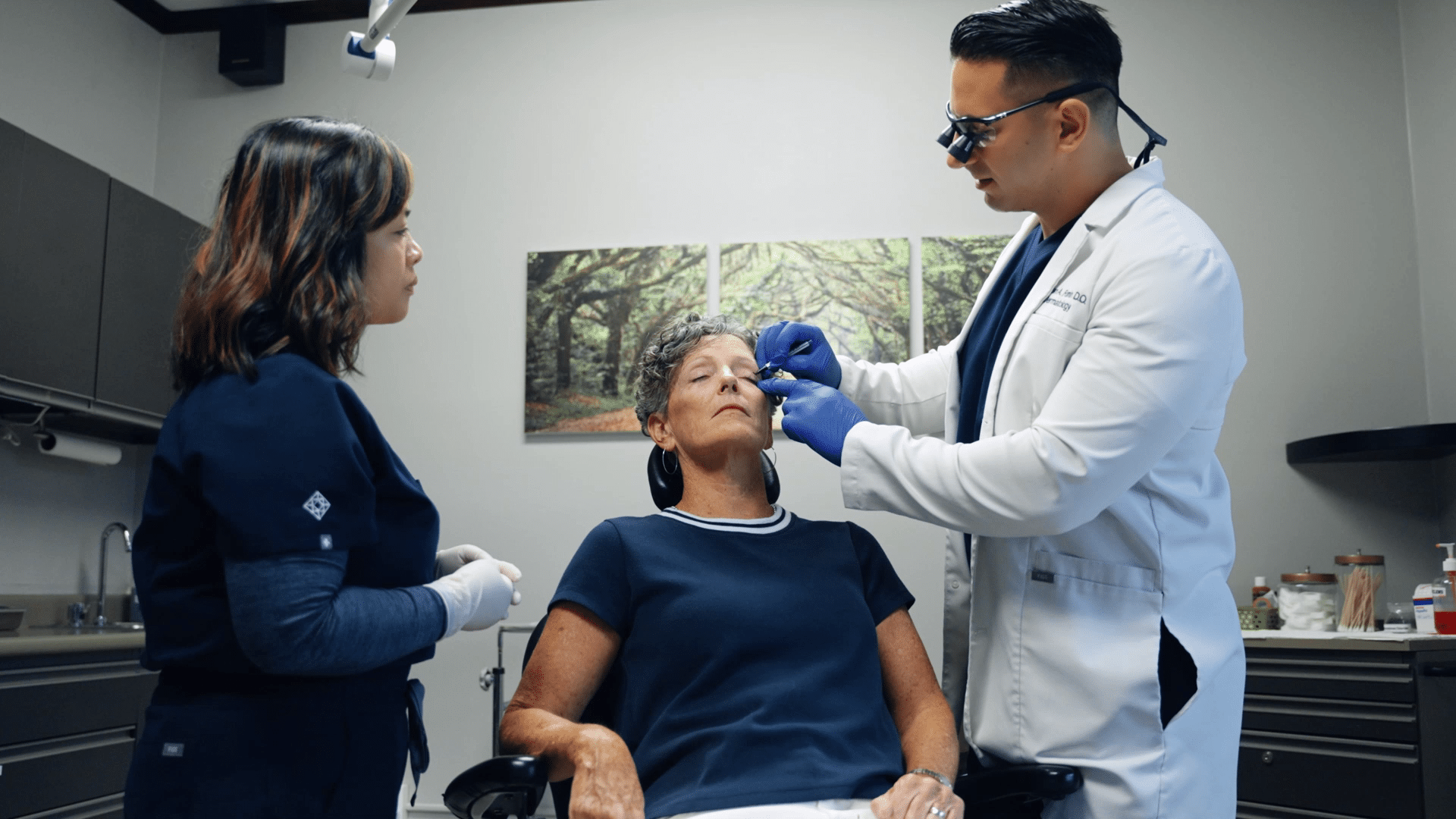
Dermal filler procedure at Paragon Skin & Surgery. Dermatologists help rejuvenate the patient's skin, enhancing appearance.
Long-Term Care After Exosome Therapy
Post-Treatment Care Tips
Maintaining the benefits of exosome therapy involves adhering to professional post-treatment care recommendations:
- Stay hydrated: Drinking plenty of water promotes skin health.
- Use sunscreen regularly: Protects your skin from UV damage.
- Avoid excessive sun exposure: Prevents further skin aging and damage.
- Maintain a healthy skincare regimen: Supports continued skin rejuvenation.
- Follow up with your dermatologist: Ensure you monitor your progress and make adjustments as needed.
- Consider follow-up treatments: Periodically refresh and enhance results.
These practices help ensure your skin remains vibrant and healthy post-therapy.
Monitoring Results Over Time
Regularly monitoring the condition and appearance of your skin allows you to maintain the improvements gained from exosome therapy. Documenting changes and keeping in touch with your dermatologist helps fine-tune skincare routines and ensure longevity of results.
Effective, ongoing care after exosome therapy can significantly extend its benefits, supporting skin regeneration long-term. Consider discussing with your dermatologist about potential future treatments that may enhance results.
When to Seek Professional Help
If you experience unexpected side effects or if results do not meet your expectations, seek advice from your dermatologist. Continuous professional guidance is key to adapting your treatments for optimal outcomes. This ensures that any issues are addressed promptly and effectively.
Conclusion on Exosome Therapy
Summary of Benefits
Exosome therapy offers a powerful, non-invasive approach to skin regeneration that has gained significant recognition in the cosmetic industry. With its ability to enhance collagen production, reduce inflammation, and improve overall skin appearance, it stands as a reliable solution for those seeking anti-aging treatments. This therapy not only rejuvenates but also sustains skin health, making it an enduring choice for many.
The comprehensive benefits make it a competitive option compared to other traditional methods, aligning with modern aesthetic desires.
Future of Exosome Therapy in Aesthetics
As research continues, the role of exosome therapy in aesthetic medicine is expected to grow. This innovative solution may pave the way for further advancements in skin care treatments, setting new standards in non-invasive cosmetic procedures. Professionals in the field predict expanded applications and improved techniques, maintaining the relevance and effectiveness of exosome therapy in future skincare solutions.
For those considering new advancements in skin rejuvenation, exosome therapy is worthy of exploration and discussion with your skin specialist.
Frequently Asked Questions
Exosome therapy is a regenerative treatment utilizing extracellular vesicles called exosomes, which are derived from stem cells. These exosomes contain important proteins and genetic material that facilitate communication between cells, promoting rapid healing and skin rejuvenation.
Yes, exosome therapy is generally safe when administered by a qualified professional. As with any medical treatment, potential risks and side effects can occur, but these are typically minor and transient.
The longevity of results from exosome therapy can vary depending on several factors including the individual’s skin type, lifestyle, and the specific condition being treated. Many individuals find that results can last several months, with periodic touch-ups recommended for maintaining benefits.
During an exosome therapy session, exosomes are applied to the skin using microneedling or injection methods. The process takes about 30-60 minutes, during which you may experience mild discomfort. Post-treatment, some redness and swelling may occur, but these symptoms typically resolve within a day or two.
Common side effects include minor redness, swelling, or tenderness at the treatment site, which generally resolves quickly. Serious side effects are rare when the procedure is performed by a certified professional.
Exosome therapy is considered more targeted and efficient than traditional treatments, like PRP or dermal fillers, due to its use of specific cellular components that enhance skin cell communication and regeneration.
The frequency of exosome therapy sessions will depend on individual goals and the specific condition being treated. Typically, sessions may be scheduled every few months, with your dermatologist providing guidance on an optimal treatment plan tailored to your needs.