Introduction to Acne Treatment Options
Acne can be a persistent and frustrating skin condition affecting individuals of all ages. While many people experience acne during their teenage years, it can persist into adulthood, affecting self-esteem and quality of life. Effective acne treatment options are essential for managing this common skin disorder.
Psoriasis care and other skin-related conditions often require tailored approaches, similarly, acne requires an individualized treatment plan. Understanding why tailored treatments are critical can help patients seek appropriate care and achieve the best results.
Understanding Acne
Acne is caused by several factors, including hormonal fluctuations, excess oil production, and clogged pores. Identifying these factors is crucial for developing a personalized acne treatment plan that addresses the root causes and prevents future outbreaks.
The appearance and severity of acne can vary, ranging from minor breakouts to severe cystic forms. Understanding this diversity is vital in choosing suitable treatment options, ensuring they align with an individual’s specific skin needs.
Importance of Treatment Options
Having a variety of treatment options is essential due to the diverse nature of acne. Treatments must be effective and safe, tailored to the individual’s skin type, severity of acne, and other personal considerations.
Choosing the right treatment can dramatically improve skin appearance and health. Additionally, the right options can prevent further complications associated with untreated or improperly managed acne.
The importance of choosing among the myriad of available treatments cannot be overstated, as each type offers its unique benefits and potential side effects.
Navigating Your Choices
With advances in dermatology, numerous treatment options are available. Navigating these treatments can be challenging, yet essential for achieving the best possible outcome. Engaging with dermatological experts can provide guidance and support during this process.
Making informed decisions empowers individuals to take control of their skincare routine, enhancing their ability to manage or eliminate acne effectively. Consulting with a healthcare professional remains a pivotal step in determining personalized solutions.
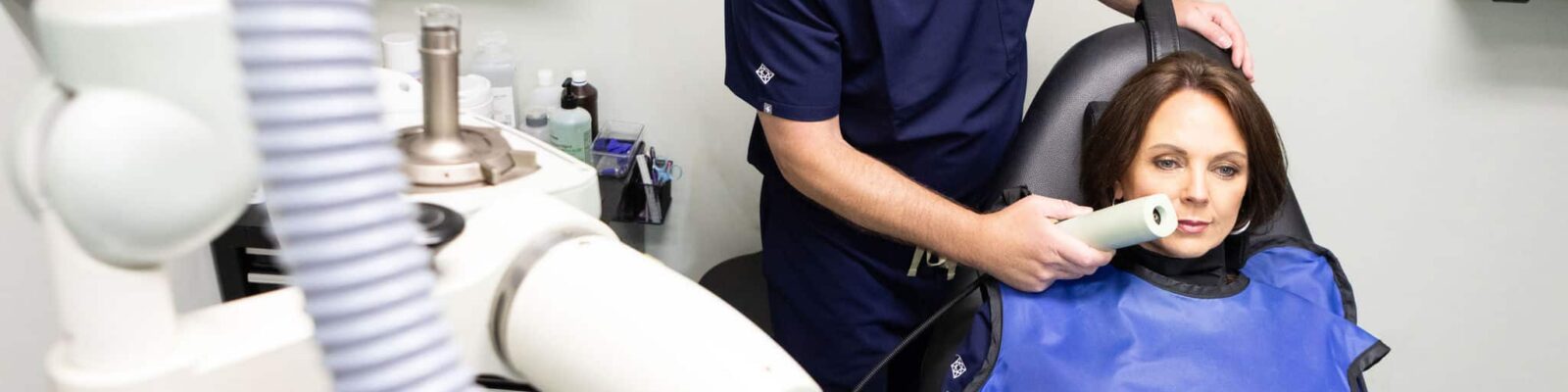
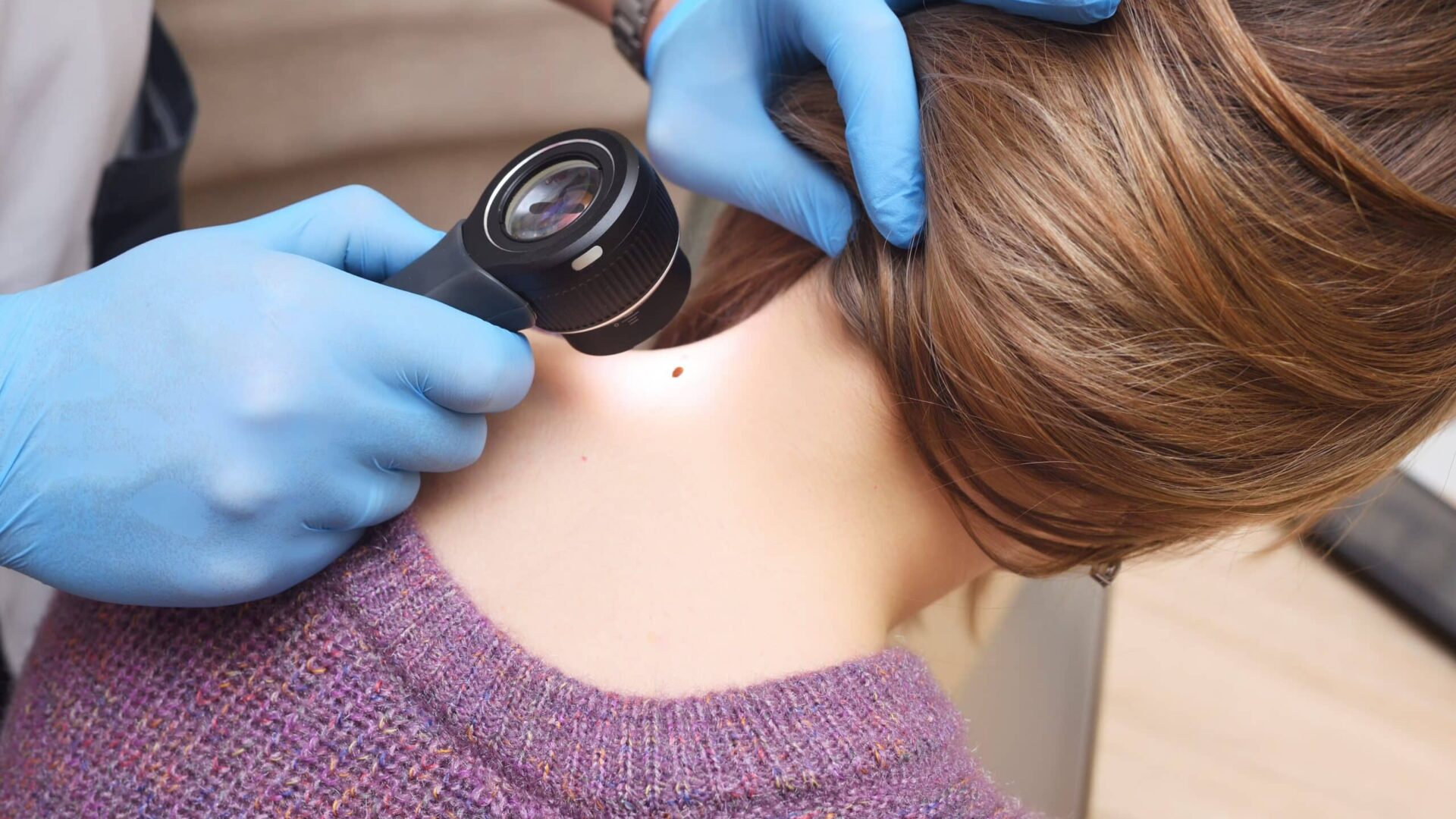
A dermatologist performs a skin examination on a patient in a clinic, highlighting professional skincare services.
Overview of Acne Treatment Options
Acne treatment options range from simple over-the-counter solutions to advanced medical therapies. Understanding the differences between these treatments can help individuals choose the most effective path for their skin health.
Over-the-Counter Treatments
For many, initial treatment might begin with over-the-counter options. These include cleansers, creams, and spot treatments containing active ingredients like benzoyl peroxide and salicylic acid.
These substances help to reduce oil, unclog pores, and exfoliate the skin, making them popular first-line treatments for mild acne cases.
Prescription Medications
When acne is severe or persistent, prescription medications may be necessary. These are recommended by dermatologists following a thorough skin assessment.
- Topical Retinoids:Derived from vitamin A, these creams help unclog pores and improve skin renewal.
- Antibiotic Creams:Combat bacterial infection and reduce inflammation.
- Hormonal Treatments:Address hormonal imbalances contributing to acne, often used for women.
- Oral Antibiotics:Used for treating severe cases by reducing bacteria and inflammation.
- Isotretinoin:A powerful oral medication for severe, resistant acne forms.
- Oral Contraceptives:Can regulate hormones and reduce acne for some women.
- Light Therapy:Utilizes specific light wavelengths to target and reduce acne.
- Chemical Peels:Remove the top layer of skin to reduce acne and improve skin texture.
These options are often combined to achieve comprehensive acne control.
Natural Remedies
Some prefer natural remedies, such as tea tree oil or aloe vera, which have antibacterial and soothing properties. Natural treatments can be effective for those with mild acne or those who prefer holistic approaches.
While these remedies can be beneficial, it is important to consider them alongside more conventional therapies.Mohs surgery shows how modern techniques integrate traditional practices for broader dermatology.
Advanced Therapies
In recent years, advanced treatments such as laser therapy and chemical peels have gained popularity. They offer promising results for those with stubborn acne conditions, often used when other treatments fail to deliver satisfactory outcomes.
Advanced therapies require professional supervision due to the precision and expertise needed in their application, ensuring both safety and effectiveness. In cases where less invasive options are ineffective, these advanced steps offer substantial relief and improved skin clarity. Explore options like when Mohs surgery is needed for specialized skin concerns.
Effectiveness and Safety of Acne Treatments
Assessing the effectiveness and safety of various acne treatment methods is crucial for individuals seeking lasting results. Understanding how treatments work and their potential side effects ensures an informed approach to skincare.
Effectiveness of Treatments
The effectiveness of any acne treatment largely depends on the individual’s skin type and the severity of their acne. Topical solutions can be highly effective for mild acne, while moderate to severe cases may require oral medications or advanced therapies for optimal results.
Combination treatments often yield better results by tackling multiple acne causes simultaneously, enhancing overall effectiveness. It is always advantageous to consult experts on treatments for conditions like eczema management that respond to multifaceted approaches.
Potential Side Effects
Each acne treatment comes with its own set of potential side effects. Common side effects of topical treatments include dryness and irritation, while oral medications can cause more systemic effects.
Advanced therapies and prescription medications may require close monitoring to manage any long-term impacts on the skin and overall health. Understanding these factors helps patients weigh the benefits against the risks to make informed decisions.
Patient Testimonials
Many patients report positive outcomes with consistent use of prescribed acne treatments. Testimonials highlight the importance of patience, as it can take several weeks to months to see significant improvements.
Patient experiences also emphasize the role of personalized care, noting that what works for one individual may not necessarily work for another. Consulting with a dermatologist ensures that treatment plans are adjusted as necessary to optimize results. A good relationship with a healthcare provider can also clarify aspects like the role of Mohs surgeon in more complex cases.

Choosing the Right Acne Treatment
Selecting the right acne treatment is critical for achieving clear skin. This choice should be based on an individual’s skin type, acne severity, and personal preferences, as these factors greatly influence treatment success.
Assessing Your Skin Type
Identifying your skin type—whether oily, dry, or combination—is a fundamental step in selecting appropriate acne treatments. Knowing your skin type helps in choosing products that enhance effectiveness while minimizing irritation.
{$a href=”/vascular-laser-therapy/”}Vascular laser therapy{$/a} is just one example of treatments tailored to individual needs, emphasizing the importance of personalized care in dermatology.
Identifying Acne Severity
Determining the severity of your acne guides the treatment approach. Mild acne often responds well to over-the-counter products, while moderate to severe acne might require prescription medications or advanced therapies.
It is important to evaluate acne severity, potentially in consultation with a dermatologist, to ensure the chosen treatment aligns well with clinical needs. This assessment can prevent excessive treatment or inadequate care, both of which impede progress.
Personal Preferences in Treatment
Your personal preferences can significantly impact your treatment choice. Factors like convenience, commitment, and cost can determine the feasibility and adherence to a given acne treatment.
- Convenience of use:Ease of application and integration into daily routines.
- Time commitment:The regularity and duration required for treatments to be effective.
- Cost considerations:Financial investment in treatments, especially for long-term use.
Such considerations ensure treatments fit seamlessly into lifestyles, increasing the likelihood of sustained use and success.
Consultation with Dermatologist
Consulting a dermatologist provides crucial insights and expertise needed for tailoring effective acne treatment plans. Dermatologists can offer guidance on treatments like {$a href=”/mohs-surgery-recovery/”}Mohs surgery recovery{$/a}, demonstrating how expertise drives better outcomes.
An expert consultation can also help to fine-tune treatments based on initial results and possible side effects, adapting strategies to optimize skin health continuously.
Preventive Measures and Lifestyle Changes
Preventing acne outbreaks requires an understanding of effective daily routines and lifestyle adjustments. Incorporating these measures can significantly decrease the frequency and severity of acne.
Daily Skin Care Routine
A consistent and suitable skincare routine is vital for preventing acne flares. This includes cleansing, exfoliating, and moisturizing to maintain healthy skin balance.
Using products tailored to your skin type supports this routine by minimizing pore-clogging oils and bacteria that contribute to acne development.
Dietary Recommendations
Your diet plays a crucial role in managing acne. Consuming a balanced diet rich in fruits, vegetables, and omega-3 fatty acids supports skin health and reduces inflammation.
Avoiding foods high in sugars and dairy has been shown to reduce breakouts in some individuals. Personal dietary adjustments, along with professional advice, can optimize skin conditions.
Stress Management Techniques
Managing stress is essential, as it often exacerbates acne. Techniques such as meditation, yoga, and regular exercise have proven effective in reducing stress levels.
By incorporating these practices, individuals can reduce stress-related acne flares and improve overall well-being, aligning with insights on how the SRT treatment process enhances skin healing.
Lifestyle Changes
Lifestyle changes support clear skin, providing a holistic approach to acne management. Implementing these adjustments can make a noticeable difference in skin health.
- Regular exercise:Promotes circulation and stress reduction.
- Staying hydrated:Helps to flush out toxins and maintain skin moisture.
- Getting adequate sleep:Facilitates skin repair and rejuvenation during rest periods.
- Avoiding smoking and alcohol:Reduces harmful substances that affect skin health.
These changes promote an environment conducive to healthier skin, reinforcing the preventative aspect of lifestyle interventions.
Emerging Technologies in Acne Treatment
The field of acne treatment is continually evolving, with exciting new technologies promising enhanced outcomes for patients. Understanding these emerging treatments provides insights into future skincare trends.
New Pharmaceuticals
The development of new pharmaceuticals aims to target acne at its source more effectively. Innovations in drug formulations and delivery mechanisms offer hope for improved efficacy and reduced side effects.
Pharmaceutical advancements ensure treatments are continually refined for better patient outcomes, addressing needs that were unmet by previous treatments.
Innovative Technologies in Dermatology
Dermatology innovations extend beyond chemicals to include high-tech solutions like light therapy and advanced laser treatments. These technologies promise precise targeting of acne lesions with minimal impact on surrounding skin.
These advances allow for customized approaches tailored to individual skin types and conditions, broadening the scope of effective therapeutic options available today. Techniques similar to skin cancer prevention show how technology can enhance treatment effectiveness.
Future of Acne Management
Looking forward, the future of acne management hinges on integrating new technologies and a better understanding of skin biology. Combining smart skincare products with AI-driven insights can lead to highly personalized care that optimizes treatment outcomes.
These trends highlight the importance of ongoing research and development in dermatology, suggesting that the future will bring even more refined solutions to complex skin conditions.
Conclusion: Personalized Acne Treatment Plans
Successfully managing acne involves understanding and choosing the right treatment methods tailored to individual needs. It is crucial to recap available acne treatment options and emphasize the role of personalization in achieving clear skin.
Recap of Treatment Options
The wide range of acne treatments—from over-the-counter solutions to advanced therapies—provides patients with numerous options to address their unique concerns effectively.
By understanding the intricacies of each option, individuals can more confidently select treatments that align with their dermatological needs and lifestyle.
Importance of Customization
Customization in acne treatment is key, as it ensures that therapies address the specific factors contributing to each individual’s acne. Personalized plans are more likely to be effective and sustainable.
Understanding the nuances of customization, as seen in specialized treatments like diabetic foot ulcer management, underscores its significance in achieving dermatological health.
Taking Action for Clear Skin
Taking proactive steps in acne treatment helps individuals achieve and maintain clearer skin. This involves diligent use of selected therapies and careful monitoring of skin changes.
Next Steps
- Consult with a dermatologist:Schedule appointments for guidance and tailored treatment recommendations.
- Explore available treatments:Consider and evaluate different therapies to find the best fit.
- Commit to a treatment plan:Adhere to chosen therapies patiently for optimal results.
- Monitor results and adjust as needed:Regularly assess skin health and modify treatments to improve outcomes.
By following these steps, individuals can take control of their acne treatment journey, leading to healthier, happier skin. Treatments such as Kybella for double chin suggest expanding options as individuals look to enhance their dermatological solutions.
Frequently Asked Questions
The most effective acne treatments depend on individual skin types and the severity of the acne. For mild acne, over-the-counter products such as benzoyl peroxide or salicylic acid can be sufficient. However, moderate to severe acne may require prescription medications or advanced treatments like chemical peels or laser therapy for optimal results.
Prescription medications are not necessary for all acne cases. Many individuals with mild to moderate acne can achieve satisfactory results with over-the-counter treatments and good skincare. Prescription options are typically reserved for more persistent or severe cases where first-line treatments have not been effective.
Results from acne treatments can vary similarly to read more about processes like the Mohs surgery procedure. Over-the-counter products can take several weeks to show visible improvements, while prescription treatments might show results within four to six weeks. Patience and consistency are key, as complete clarity often requires ongoing treatment and regular skincare.
Yes, lifestyle changes can significantly impact acne reduction. A balanced diet, regular exercise, adequate hydration, and stress management all contribute to healthy skin and reduced acne outbreaks. Such changes can complement topical and oral acne treatments, making them more effective.