Understanding Psoriasis
Psoriasis is a chronic skin disorder characterized by red, itchy, and scaly patches. It affects millions globally, disrupting normal skin cell growth. This condition can vary in severity, from minor irritation to significant disruption of daily life. It’s crucial to understand how psoriasis affects individuals, as this forms the basis for effective psoriasis care.
The exact cause of psoriasis remains unclear, but it’s understood to be an immune-mediated condition. Genetics and environmental factors play a critical role in triggering widespread skin inflammation. This disorder doesn’t discriminate by age, affecting children through to adults.
Eczema management strategies sometimes overlap with psoriasis care, highlighting the importance of recognizing early symptoms and seeking timely intervention.
Impact on Quality of Life
Living with psoriasis often comes with physical discomfort and psychological impact. Individuals might face embarrassment due to visible skin lesions, impacting social interactions and self-esteem. Additionally, ongoing itchiness and skin pain can lead to sleep disturbances, affecting overall well-being.
For people with severe forms, attending social events or even selecting suitable clothing can become a challenge. Understanding the emotional toll is essential for healthcare providers to offer comprehensive support. Solutions often include a combination of medication and lifestyle adjustments to alleviate symptoms.
Addressing conditions like psoriasis with a holistic view not only targets the physical symptoms but also enhances quality of life, similar to acne treatment options. Thus, a holistic approach in psoriasis management is favored.
Importance of Treatment
Effective treatment is critical for minimizing the impact of psoriasis on daily activities. If left untreated, psoriasis can lead to more serious health issues, including psoriatic arthritis, which causes joint pain and stiffness.
Early intervention is key to preventing the progression of this skin disorder. Modern treatments aim to control symptoms and prevent skin lesions rather than cure the condition. This approach ensures a better quality of life by managing flare-ups and maintaining skin health.
Medical advancements offer various treatment options: topical solutions, systemic treatments, and advanced therapies tailored to individual needs. It’s essential to stay informed about new therapies, as ongoing research continues to enhance psoriasis care.

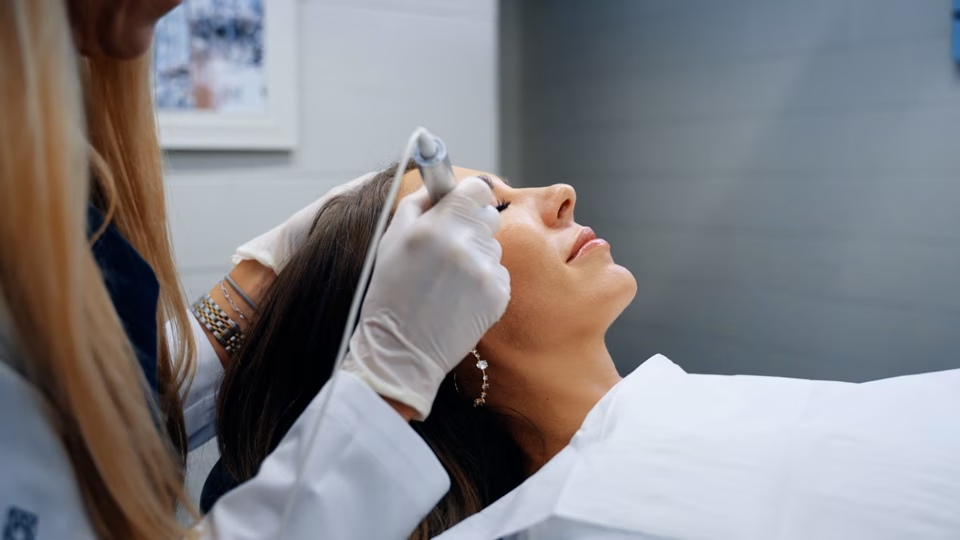
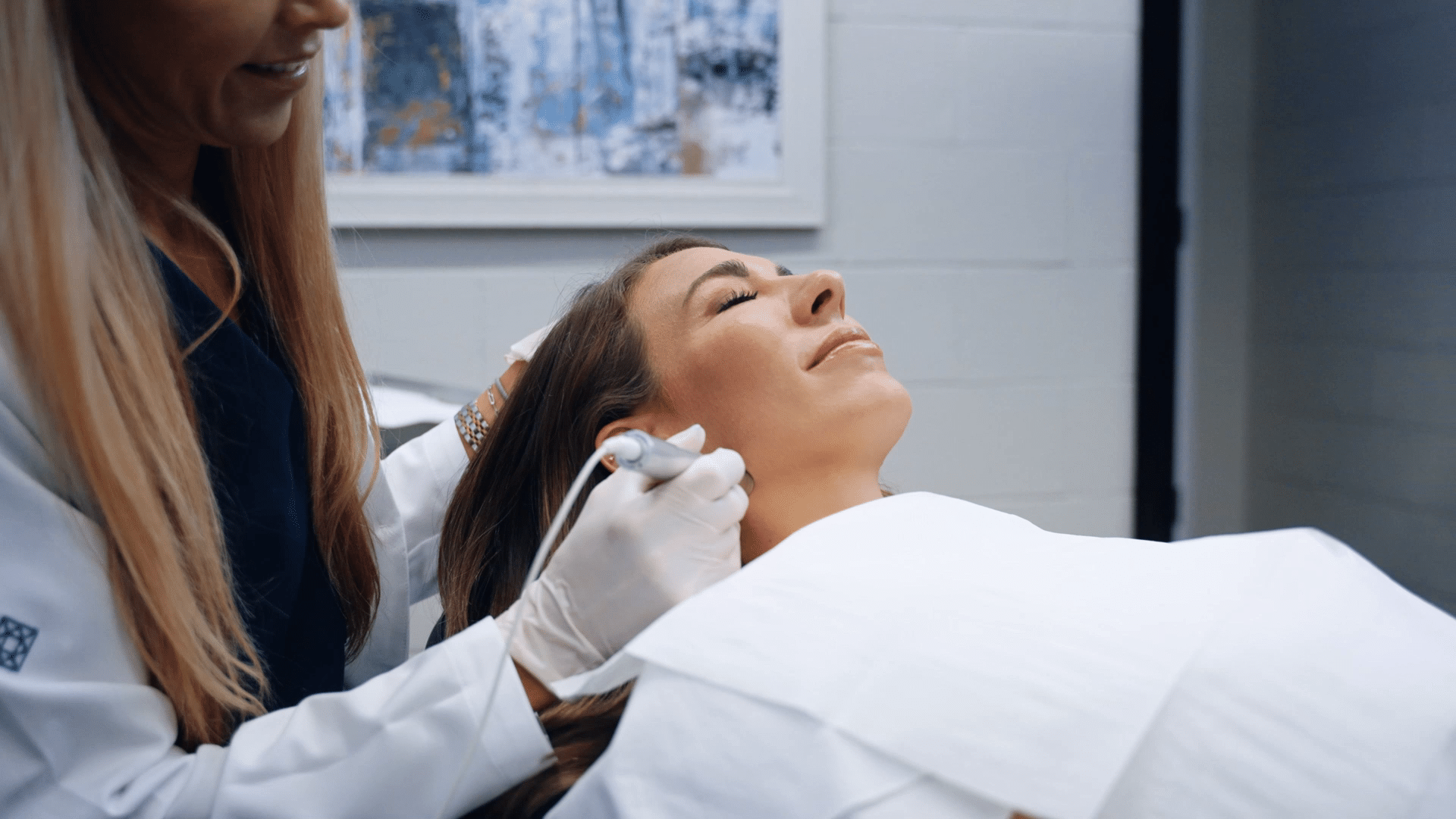
A patient at Paragon Skin & Surgery experiences microneedling for skin rejuvenation and revitalization.
Topical Treatments
Topical treatments are often the first line of defense in managing psoriasis. These include corticosteroids, vitamin D analogues, and retinoid applications that reduce skin inflammation. For many, these treatments offer relief from mild to moderate symptoms when applied directly to the affected areas.
These options are preferred for their non-invasive nature, allowing for easy application at home. Consistent use, as prescribed, is crucial for maximizing their effectiveness and minimizing side effects.
However, understanding which treatment suits your unique skin condition demands a personalized approach, often guided by a dermatologist.
Systemic Treatments
When psoriasis presents as moderate to severe, systemic treatments may be necessary. These involve medications that work throughout the entire body, such as:
- Methotrexate: A common systemic treatment that slows down skin cell production and reduces inflammation.
- Biologics: Targeted drugs that work by altering the immune system response.
- Retinoids: Vitamin A derivatives that help in skin cell turnover.
- Cyclosporine: Suppresses the immune system to reduce the symptoms of psoriasis.
- Oral medications: A variety of pills intended to reduce inflammation and skin cell production.
These options offer hope for those with severe symptoms, but they require diligent monitoring due to potential side effects.
Light Therapy
Light therapy, or phototherapy, is a treatment method that utilizes UV light to slow down skin cell growth. Sessions are typically administered in a clinical setting under professional supervision, ensuring controlled exposure beneficial to the skin.
This non-invasive treatment is especially useful for those who haven’t found relief through topical or systemic treatments. It’s a strategic option for managing psoriasis without the ongoing side effects of drug-based therapies.
Systemic treatments are supported by this therapy, offering an integrated approach for those seeking comprehensive psoriasis care.
Dietary Considerations
A balanced diet can positively affect psoriasis management. While no specific diet cures psoriasis, certain foods help reduce inflammation, such as omega-3 rich fish, flaxseeds, and walnuts. It’s advised that psoriasis patients limit processed foods and sugar.
Maintaining a healthy weight through mindful eating can reduce the risk of exacerbating psoriasis. This involves adopting a diet rich in fruits, vegetables, lean proteins, and whole grains.
These dietary adjustments not only promote overall health but also support the efficacy of medical treatments, akin to the careful planning seen in mohs surgery procedure.
Stress Management
Stress is a known trigger for psoriasis flare-ups. Implementing stress-reduction techniques such as yoga, meditation, and regular exercise can significantly benefit individuals with psoriasis.
It’s essential to create a personal toolkit of stress management strategies, as persistent stress can worsen symptoms.Is SRT right for me assessments often include stress management as part of a comprehensive approach.
Effective stress management not only enhances mental health but also reduces psoriasis flare-ups by promoting relaxation and positive mental engagement.
Home Remedies
Mild cases of psoriasis can benefit from home remedies that soothe skin irritation. These methods complement medical treatments and include:
- Aloe vera applications: Known for its soothing properties, aloe vera can reduce redness and scaling when applied to the skin.
- Oatmeal baths: Relieves itching and provides gentle exfoliation when added to bathwater.
- Apple cider vinegar: Helps soothe scalp psoriasis when applied to the scalp as a rinse.
- Tea tree oil: Has anti-inflammatory properties that can help reduce symptoms when used in moderation.
Incorporating these remedies can offer symptomatic relief and potentially enhance treatment outcomes over time.
When to See a Dermatologist
Consulting a dermatologist is essential when experiencing persistent or severe psoriasis symptoms. A dermatologist can offer expert advice, diagnose accurately, and formulate a personalized treatment strategy.
Visiting a specialist becomes crucial when over-the-counter treatments fail to provide relief, or when psoriasis begins to impact your quality of life significantly. It’s important to prioritize professional care for accurate management.
Early intervention by a board certified dermatologist can mitigate the progression to more severe health issues, similar to preventative measures in skin cancer prevention.
Benefits of Professional Care
Dermatologists provide tailored solutions to patients, addressing their unique psoriasis needs:
- Customized treatment plans: Personalized strategies based on individual assessments and needs.
- Access to advanced therapies: Availability of cutting-edge treatments and medications not found over-the-counter.
- Regular skin assessments: Continuous monitoring of skin health to adjust treatments as needed.
- Management of comorbid conditions: Addressing other health conditions that might aggravate psoriasis symptoms.
- Support and education: Specific guidance to better understand condition management.
- Monitoring for side effects: Ensures that treatments do not lead to unwanted complications.
Patients who engage in regular dermatology consultations often experience better outcomes, emphasizing the importance of ongoing care.
Recap on Ongoing Care
Ongoing dermatologist consultations help maintain treatment efficacy and adapt to any changes in your condition. They serve as a constant resource for questions and concerns beyond initial treatment stages, enabling patients to live better with psoriasis.
The regular interaction with a specialist ensures that any necessary treatment adjustments are made timely, thereby optimizing long-term skin health.
A strategic partnership with a dermatologist aids in mitigating flare-up frequencies, making it a cornerstone of effective psoriasis management.
Psychological Effects
Psoriasis is not only a physical condition but also a psychological challenge. The visible nature of the disease can lead to self-consciousness and social anxiety. Many individuals may experience depression and low self-esteem.
Navigating public spaces can be daunting, as people often face unwanted attention or misconceptions about their condition. Acknowledging the emotional impact is critical in comprehensive treatment plans.
Ensuring emotional support is readily available can significantly benefit a patient’s journey towards managing their skin condition.
Support Systems
Having a solid support network can make a substantial difference in managing psoriasis. This includes family, friends, and medical professionals offering understanding and encouragement throughout the journey.
Groups and forums dedicated to psoriasis offer shared experiences and coping strategies, making individuals feel less isolated.
Support systems are integral to overall well-being, as they provide emotional reinforcement, which is vital in managing chronic conditions like psoriasis.
Coping Mechanisms
Adopting appropriate coping mechanisms is essential for dealing with the challenges psoriasis poses. These might include mindfulness practices, exercise routines, and developing a robust daily skincare regimen to manage symptoms.
Engagement in hobbies and interests outside of one’s condition can redirect focus and energy, fostering a healthier mental state. Addressing both physical and mental health ensures a balanced approach to psoriasis care.
Identifying and implementing effective coping strategies can empower patients to live confidently, despite their condition.
Professional Help Resources
Several resources are available to assist in emotional and mental health well-being:
- Counseling options: Professional therapy can provide support tailor-made to individual emotional needs.
- Support groups: Peer-led groups offer shared experiences and can reduce feelings of isolation.
- Mental health services: Access to professionals who understand the psychological impacts of chronic illness.
- Online communities: Platforms for anonymous interaction and sharing experiences with psoriasis.
Exploring these avenues can provide patients with comprehensive care that addresses both physical and mental health needs.
Newly Approved Therapies
Recent advancements in psoriasis care have led to the approval of new therapies aimed at reducing symptoms and improving patient quality of life. These therapies are designed to target specific components of the immune system, providing more effective and tailored treatment.
Each newly approved therapy undergoes rigorous testing to ensure efficacy and safety before becoming accessible to patients. It’s essential for individuals to stay informed about these options as they explore different avenues for treatment.
Understanding the impact of these therapies enables patients and healthcare providers to make more informed decisions, akin to strategies for treating diabetic foot ulcers.
Ongoing Clinical Trials
Ongoing clinical trials continuously test new drugs and treatment methodologies to expand the options available for psoriasis patients. These trials investigate the long-term benefits, safety, and effectiveness of these emerging therapies.
By participating in clinical trials, patients contribute to breakthroughs in understanding and treating psoriasis, potentially benefiting from cutting-edge therapies. This involvement not only aids personal health improvement but also advances medical research.
Patients should consult their healthcare providers before considering participation, to ensure suitability and proper understanding of trial phases.
Future Directions in Psoriasis Care
The future of psoriasis management is promising with ongoing research focusing on discovering more efficient and diverse treatments. Emerging technologies and a better understanding of genetics and immunology play a crucial role in shaping future solutions.
The goal remains to make treatments more accessible, less invasive, and more effective, ultimately paving the way towards personalized medicine that specifically addresses individual patient needs.
Continual advancements in medical research offer hope not only for those afflicted by psoriasis but also for individuals facing related conditions like venous leg ulcers and other complex skin disorders.
Holistic Approach
Managing psoriasis requires a holistic approach that encompasses medical treatment, lifestyle adjustments, and emotional well-being. This strategy ensures that all aspects of an individual’s health are addressed.
A comprehensive approach to psoriasis care considers factors like diet, stress levels, and personal habits, making it vital to combine medical expertise with a focus on lifestyle factors.
Adopting a holistic view enables patients to improve their quality of life while effectively managing symptoms over the long term.
Importance of Personalization
Personalized care is central to effective psoriasis treatment. Tailoring treatments to the patient’s specific condition, lifestyle, and preferences enhances outcomes and satisfaction.
The dynamic nature of psoriasis requires ongoing evaluation and modification of treatment plans, ensuring that therapies remain effective and aligned with patient goals.
Personalization is not limited to medical treatment alone; it also involves adapting lifestyle recommendations to suit individual capabilities and preferences.
Long-term Management Strategies
Effective long-term management involves regular consultations and adaptations to treatment and lifestyle:
- Regular follow-ups with dermatologists: Ensures continuous adaptation and monitoring of treatment efficacy.
- Adapting treatments to lifestyle changes: Integration of therapy into daily life, accommodating changes in schedule and health.
- Staying informed about new therapies: Keeping up-to-date with advancements to apply the most effective treatments available.
- Building a supportive network: Establishing connections that provide emotional and practical support.
A strategic, personalized plan for psoriasis care not only addresses current symptoms but also prepares for and prevents future complications.
Words of Encouragement
For those struggling with psoriasis, the journey can feel challenging, but it’s important to focus on positive progress and the support available. Being proactive about your health and exploring all available resources is empowering.
Maintaining optimism, even on difficult days, plays a key role in overall management and recovery. Remember, you are not alone in this journey; support from peers and professionals is readily available.
Openness to new treatments and methods keeps the pathway toward improved health and well-being vibrant and hopeful.
Resources for Further Learning
Educating yourself on psoriasis and current treatment advancements is a crucial aspect of effective management. Understanding the condition allows for better communication with healthcare providers and informed decisions about care options.
Numerous resources, including medical journals, community forums, and informational websites, provide insights and updates about psoriasis care advancements.
Engaging with these learning avenues equips you with the knowledge necessary to tackle psoriasis challenges confidently and wisely.
Getting Involved in Advocacy
Becoming involved in psoriasis advocacy can transform how society perceives and supports individuals with the condition. Advocacy efforts focus on increasing awareness, reducing stigma, and securing funding for research.
Participating in campaigns or joining patient advocacy groups can amplify your voice and the voices of many others, creating a tangible impact in the community.
Choosing skin specialist involvement ensures that your journey with treating oily skin and related conditions contribute to a larger movement for positive change.
Common Questions about Psoriasis Care
Psoriasis is a chronic skin disorder that accelerates the life cycle of skin cells. Common symptoms include red patches of skin covered with thick, silvery scales, dry and cracked skin that may bleed, itching, burning, or soreness, and swollen stiff joints.
Selecting the right treatment depends on the severity and type of psoriasis, your particular health condition, and previous responses to treatments. Consulting a dermatologist who can evaluate your symptoms and medical history will guide you to the most effective treatment options.
Yes, like all treatments, those for psoriasis can come with potential side effects. Topical treatments may cause skin irritation, while systemic medications can lead to more severe effects requiring regular monitoring. It is important to discuss potential risks with your healthcare provider.
Currently, psoriasis cannot be completely cured, but effective treatments can manage symptoms and significantly improve quality of life. Research continues to search for a permanent solution, but current methods focus on controlling symptoms and preventing flare-ups.
Several lifestyle changes can aid in psoriasis management, including maintaining a healthy diet, reducing stress, ensuring regular exercise, avoiding triggers like smoking and alcohol, and following a consistent skincare routine. These adjustments complement medical treatments and can lead to better overall health outcomes.