Combining PRP with Microneedling for Enhanced Skin Rejuvenation
Combination therapies in cosmetic dermatology, such as using PRP therapy with microneedling, offer patients enhanced results by tapping into the synergistic effects of both treatments. This merging of methods addresses multiple skin concerns simultaneously, optimizing outcomes in ways standalone procedures often cannot.
Understanding PRP Therapy
PRP, or Platelet-Rich Plasma, therapy utilizes the patient’s own blood components to stimulate healing and rejuvenation processes in the skin. The concentrated platelets are rich in growth factors, which play a critical role in skin repair and regeneration.
PRP therapy is considered part of the broader category of non-invasive skin treatments being a safe option free of synthetic additives, making it suitable for most skin types and concerns.
Integrating PRP with microneedling enhances its efficacy by ensuring deeper penetration of these growth factors, significantly improving the skin’s appearance and health.
What is Microneedling?
Microneedling is a minimally invasive procedure that uses fine needles to create controlled micro-injuries in the skin, prompting the body to produce new collagen and elastin. This process not only improves the texture and firmness of the skin but also reduces scars, pore size, and fine lines.
The technique is popular because it works with the body’s natural healing mechanisms, ensuring a safe and effective treatment with minimal downtime.
When combined with PRP, microneedling not only accelerates healing but also amplifies the skin’s rejuvenative capabilities, offering enhanced resplendency and tone.
Benefits of Combining Treatments
Integrating PRP therapy with microneedling extends beyond simple skincare tweaks to significant advances in dermal health. The combination aids in collagen production, enhances skin texture, and reduces recovery time post-treatment. Patients often notice quicker and more robust results due to the compounded effects of both procedures.
This synergistic approach also aids in minimizing inflammation, which can be a barrier to effective healing and results if not managed.
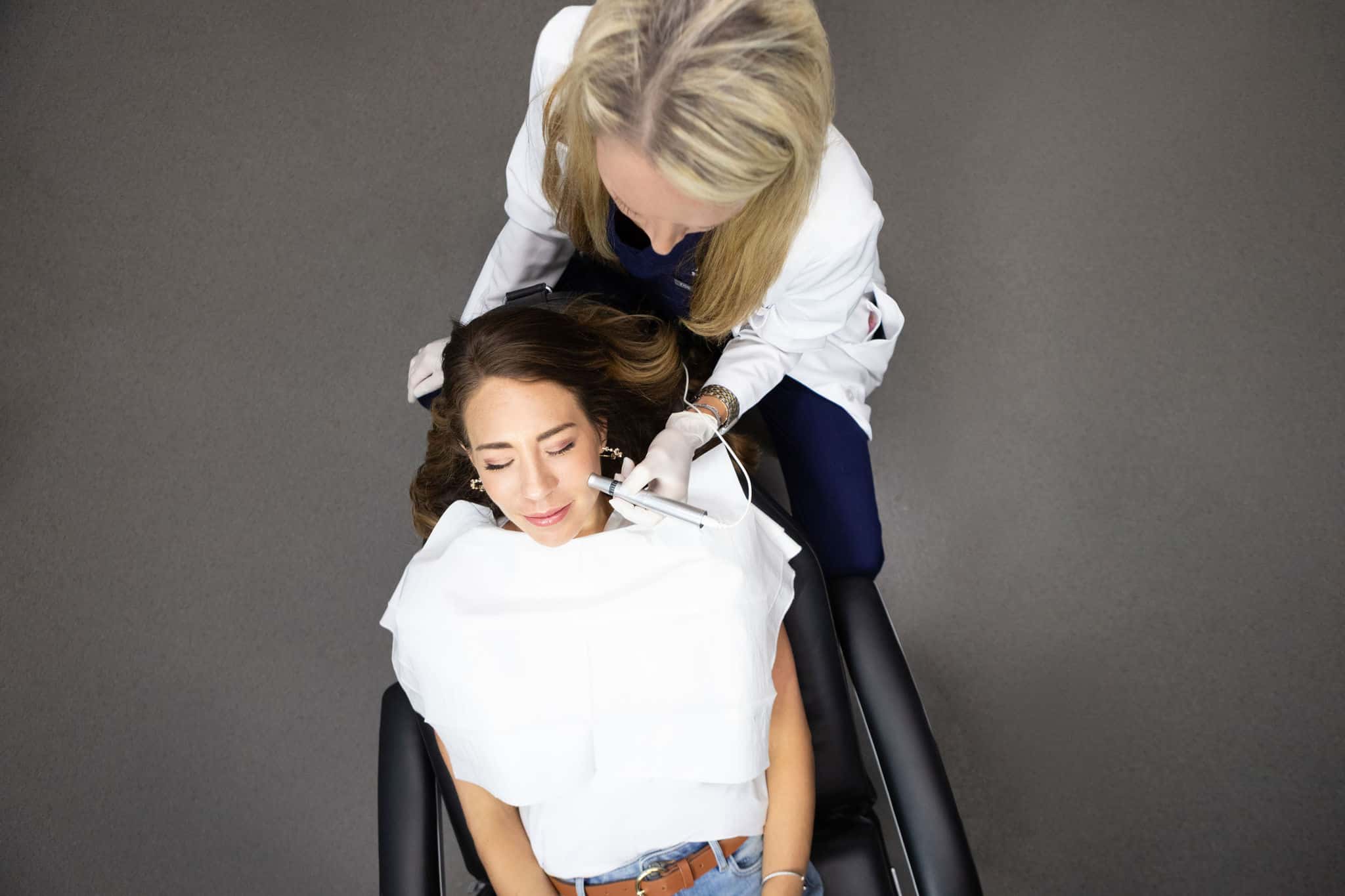
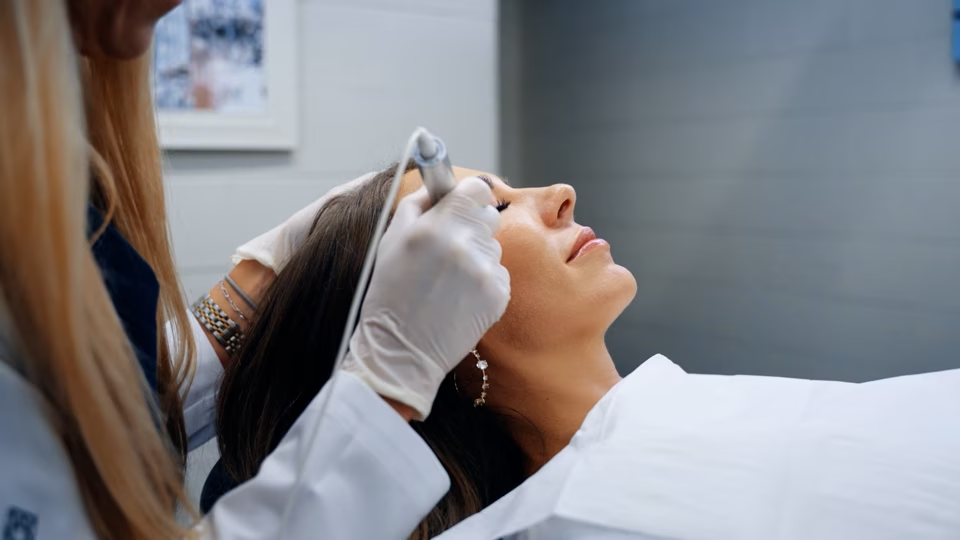
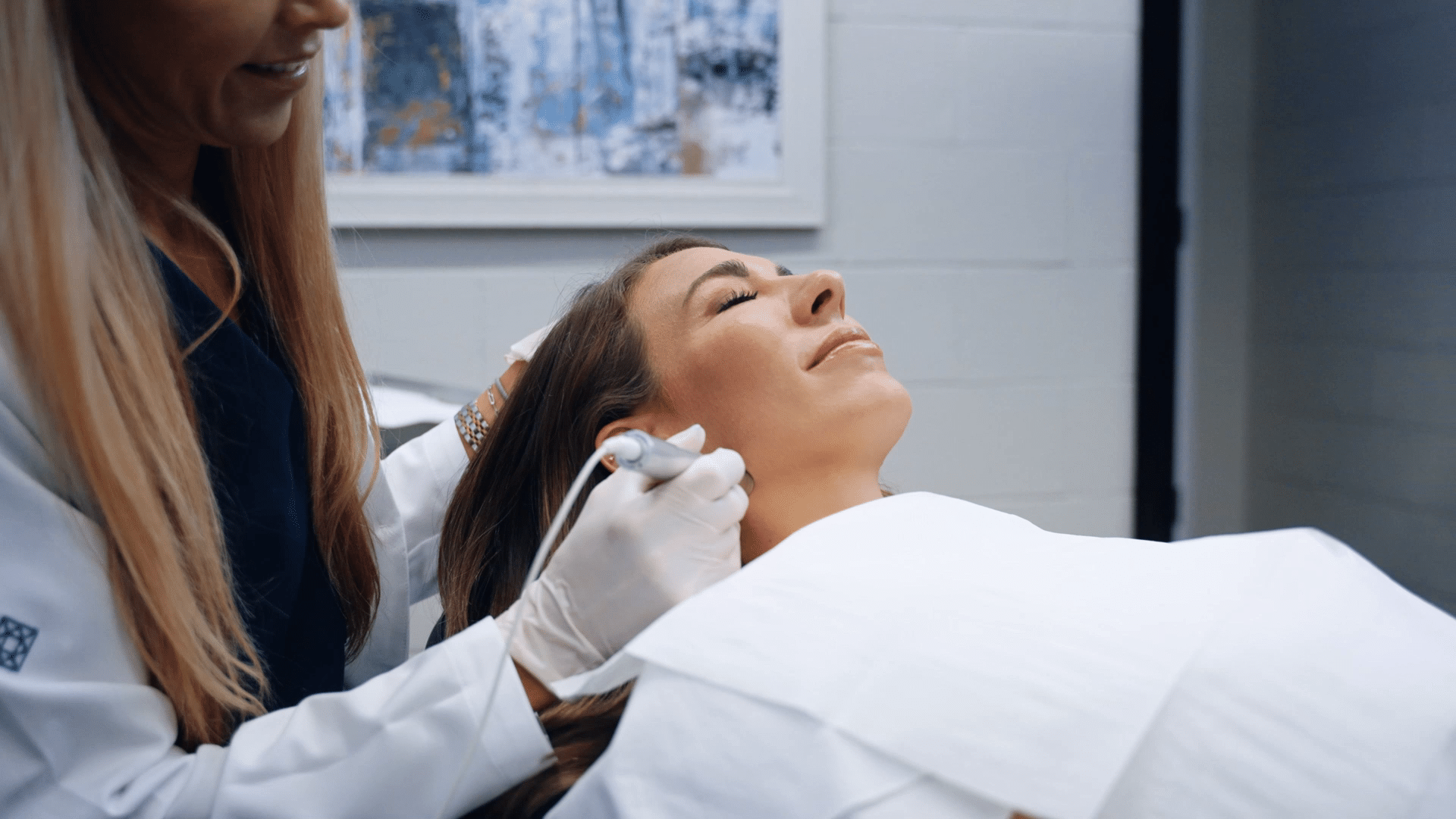
A dermatologist at Paragon Skin & Surgery performs a facial cosmetic treatment on a patient lying in a medical chair.
A Closer Look at PRP Therapy
PRP therapy has gained significant popularity in aesthetic treatments due to its natural composition and effective results. This technique consists of extracting and concentrating platelets from the patient’s blood and reintroducing them into targeted areas to boost the skin’s natural regenerative processes.
Overview of PRP
The foundational principle of PRP revolves around the use of the body’s own resources to enhance treatment outcomes. This practice is part of regenerative aesthetics, which aims to utilize natural methods to rejuvenate the skin and maintain a youthful appearance.
How PRP Works
The therapy offers numerous benefits:
- Stimulates collagen production: Boosts the production of collagen, an essential protein for skin elasticity and strength.
- Enhances healing processes: Accelerates tissue repair and renewal through concentrated growth factors.
- Improves skin tone and texture: Leads to smoother, more luminous skin.
After understanding these significant benefits, it is clear why combining PRP with microneedling enhances these effects, leading to more youthful and glowing skin.
Common Uses of PRP
PRP is widely used across various cosmetic and medical fields. In aesthetics, it is predominantly applied to skin rejuvenation, exosome therapy enhancements, and hair restoration. Patients appreciate its natural composition, which minimizes the risk of adverse reactions compared to more invasive procedures.
Its application in microneedling further expands its utility, making it a versatile choice for improving skin health across multiple dimensions.
The Skin-Revitalizing Power of Microneedling
Microneedling stands out as a popular method for skin rejuvenation due to its effectiveness and versatility. This treatment uses tiny needles to create controlled injuries, shifting the skin into healing mode, thus promoting collagen and elastin formation.
What Microneedling Does
This process effectively restructures the skin, treating wrinkles, acne scars, large pores, and stretch marks. Microneedling not only enhances appearance but also deepens skincare product absorption.
Performed by a board certified dermatologist, the treatment is safe and ensures a higher efficacy in targeted skin challenges, empowering the skin to repair and rejuvenate itself.
Skin Benefits
Microneedling significantly enriches skin texture and resilience. By promoting collagen production, it offers a firmer and smoother surface, diminishing fine lines and scars.
With minimal downtime and a non-invasive nature, microneedling offers an attractive option for those seeking meaningful results without resorting to surgery.
Ideal Candidates for Microneedling
Microneedling suits a broad range of skin types and tones. Ideal candidates include those experiencing early signs of aging, such as fine lines and uneven texture.
Clients concerned with blemishes or hyperpigmentation also benefit significantly; however, a consultation focusing on individual needs is suggested before initiating the treatment process.
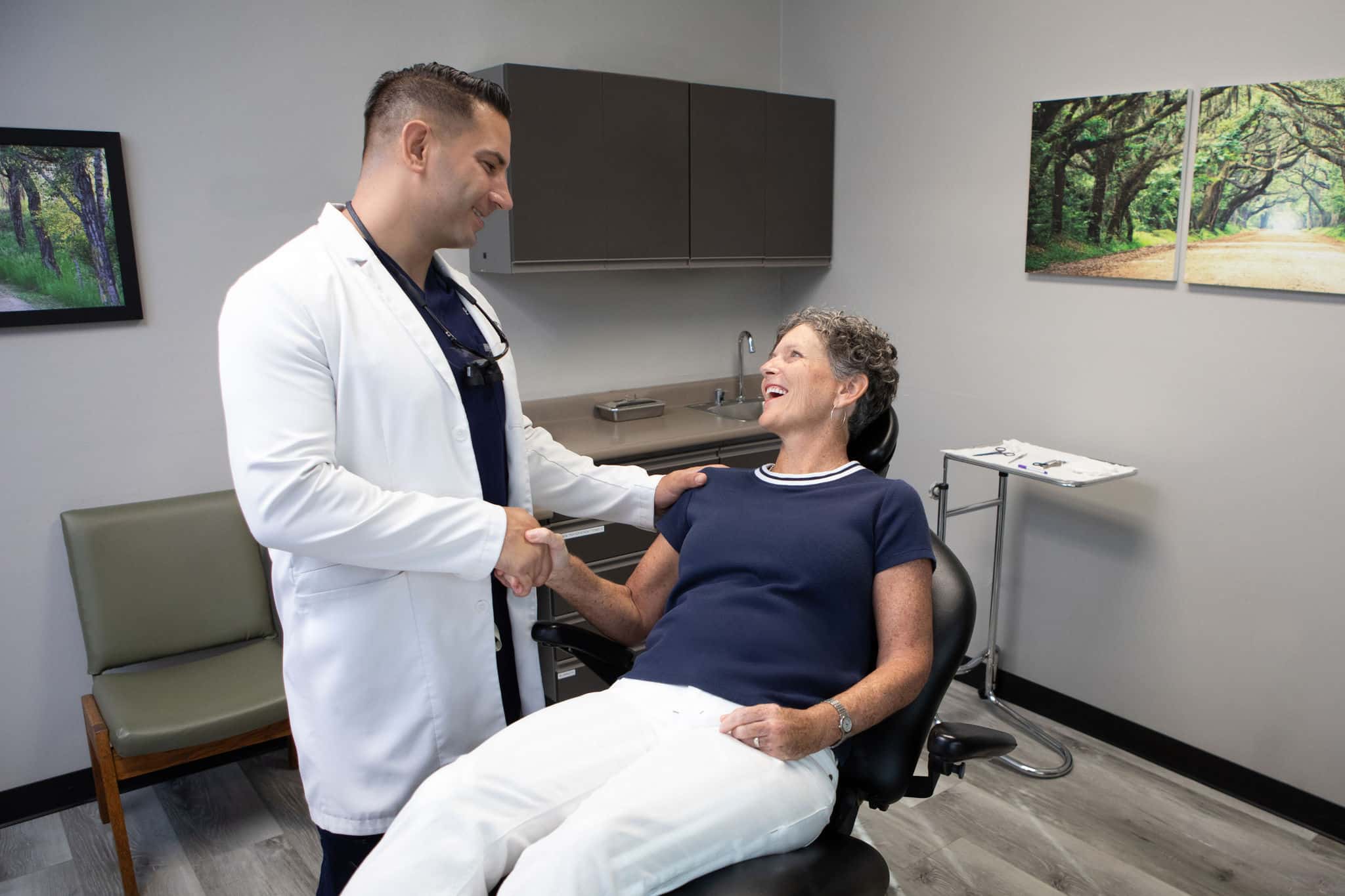
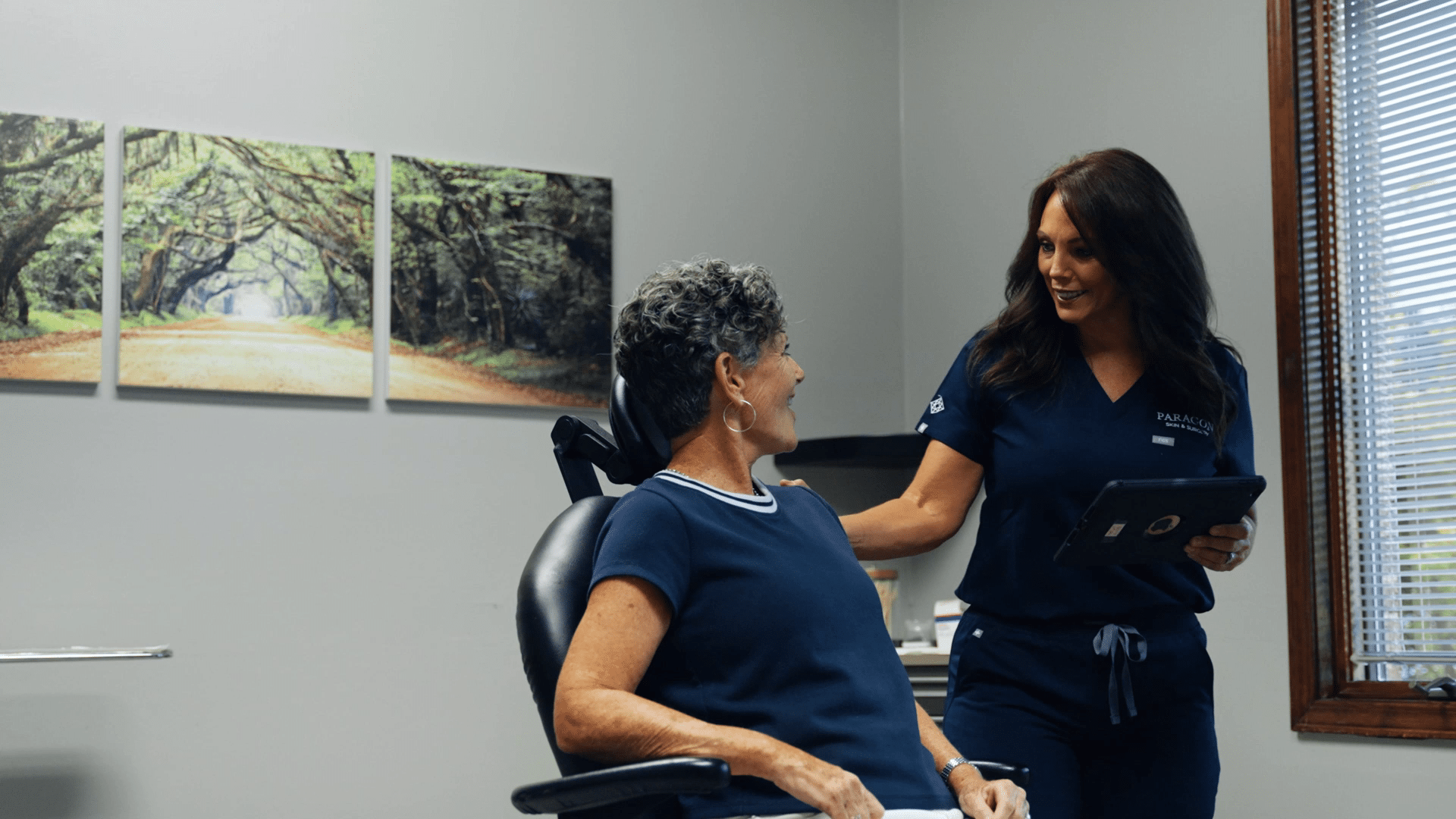
A dermatologist warmly consulting a patient in an office setting, focusing on patient care and dermatology consultation at Paragon Skin & Surgery.
Maximizing Treatment Outcomes with PRP and Microneedling
Individuals often seek improvements in their skincare routines, and the combination of PRP with microneedling offers a compelling enhancement. These treatments together reinforce each other, providing optimal results through their complementary actions.
Synergistic Effects
The synergy between PRP and microneedling lies in their individual strengths that, when combined, lead to accelerated healing and improved dermal nutrification. Kybella and other non-invasive methods have shown the dynamic range and flexibility of these approaches for different skin types and concerns.
Enhanced Results
Through this combination, patients can expect:
- Accelerated healing: Rapid recovery and decrease in redness and sensitivity.
- Strengthened skin structure: Improved skin elasticity and firmness.
- Improved delivery of PRP nutrients: Enhances the engagement with deeper skin layers, leading to sustained benefits over time.
Merging these enhancements offers individuals a refreshing step in cosmetic dermatology.
Procedure Overview
The procedure typically begins with a topical anesthetic to ensure comfort, followed by microneedling and subsequent PRP application. These concerted actions work together, strengthening skin resilience and delivering a radiant glow.
Client Expectations for PRP Microneedling
Before embarking on the PRP microneedling journey, clients should understand the procedure thoroughly, including pre-treatment and aftercare guidelines. This understanding aids in managing expectations and achieving the best possible outcomes.
What to Expect Pre-Treatment
Prior to treatment, it is essential to avoid sun exposure and certain medications that might increase skin sensitivity. Following a consultation, clients are advised on specific preparations to maximize efficacy.
Many find relief in knowing that minimal downtime is required, allowing for a quick return to daily activities. Assessing skin condition beforehand helps tailor the best approaches, aligning treatment plans with individual skin goals.
Post-Treatment Care
Post-treatment care is pivotal to preserving results. Avoiding heavy make-up and applying a soothing moisturizer aids in alleviating initial post-procedure discomfort.
Additionally, mild anti-inflammatory options might be recommended to help manage swelling or potential irritation, facilitating a smooth recovery process.
Evaluating Results Over Time
Results from PRP microneedling become more noticeable with time, typically within weeks as collagen remodeling occurs. Consistent evaluation—either self-assessment or professional follow-ups—ensures progress aligns with expected outcomes.
More sessions may be recommended depending on skin condition and desired results, contributing to a continual improvement in appearance.
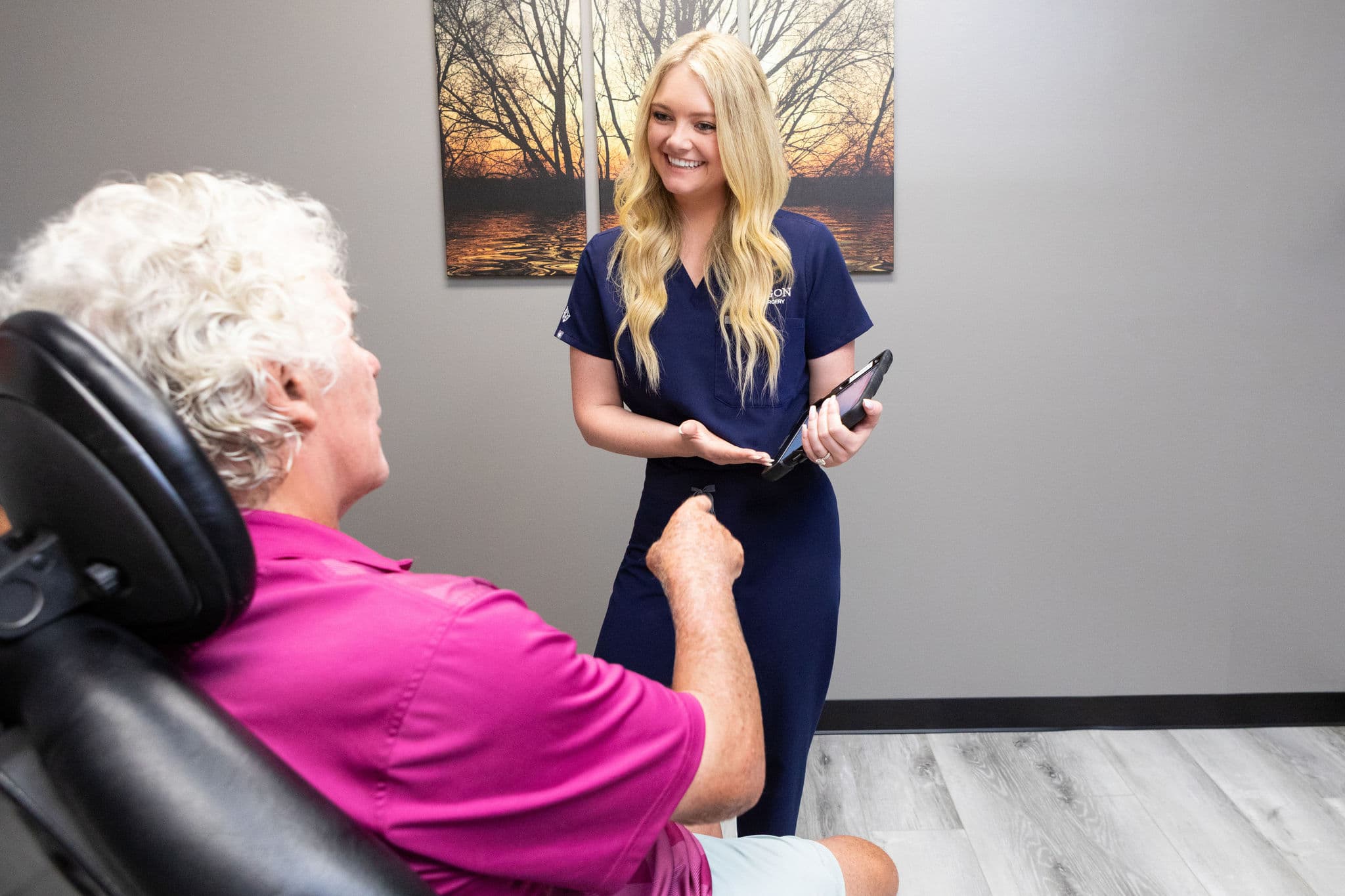
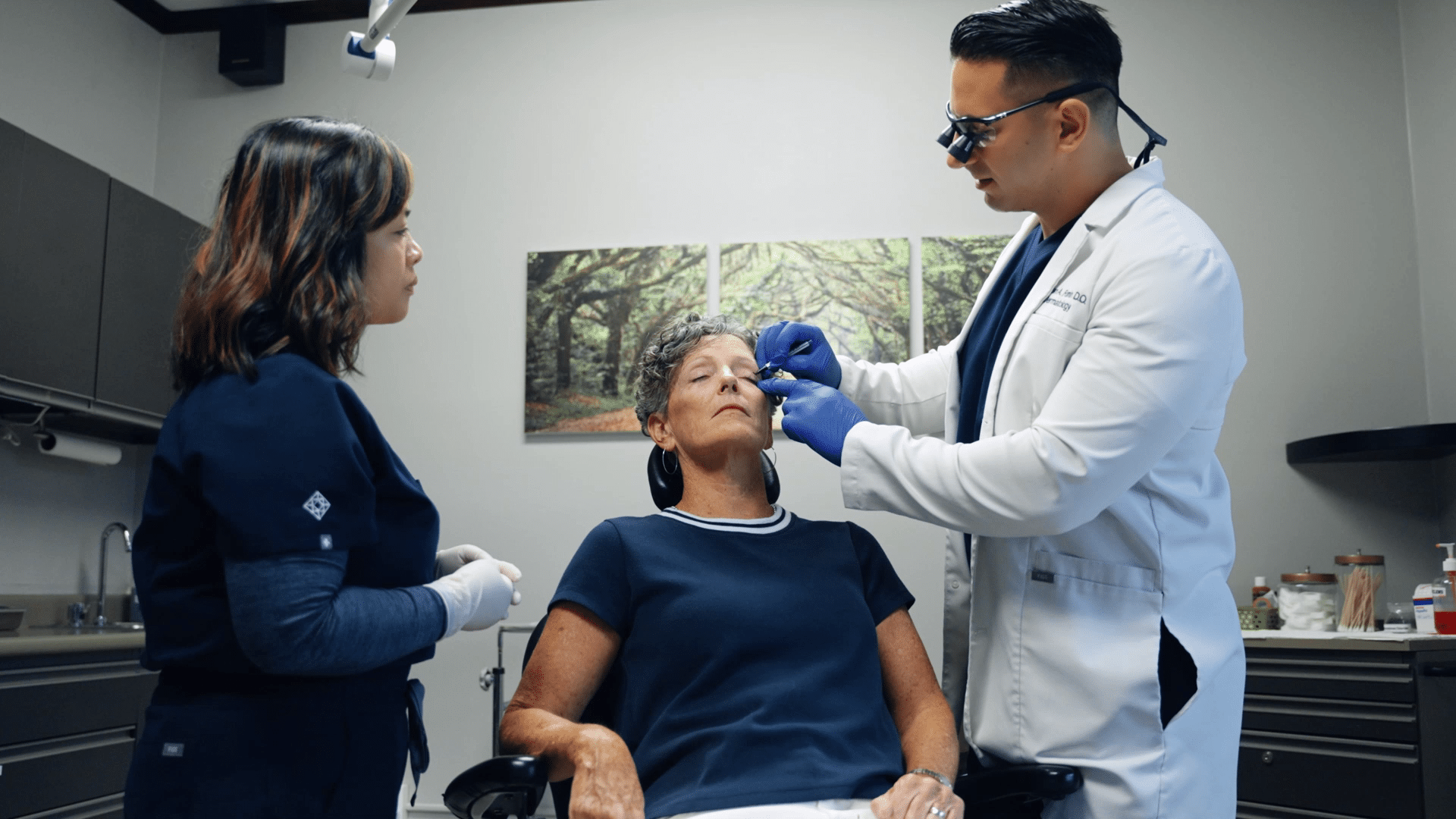
A healthcare professional consults with a senior patient in a clinic setting, highlighting patient care and consultation services.
Safety and Aftercare for PRP Microneedling
When considering PRP microneedling, understanding its safety and aftercare protocols can enhance the experience and results. While highly beneficial, these treatments require proper aftercare to maintain their effectiveness.
Safety of PRP Microneedling
PRP microneedling is generally considered safe, leveraging the body’s natural materials. This minimizes the risk of adverse reactions or complications. The treatment is performed in a controlled environment by seasoned professionals to ensure the safety of every session.
Aftercare Tips
To maintain results and promote healing, consider these essential steps:
- Avoid sun exposure: Protects sensitive post-treatment skin.
- Stay hydrated: Supports skin recovery and elasticity.
- Follow prescribed topical treatments: Employs post-procedure products recommended by professionals.
- Avoid heavy makeup for a few days: Prevents clogging pores and allowing natural skin healing.
- Attend follow-up sessions: Ensures continuous monitoring and adjustment of the treatment plan.
- Report any adverse reactions immediately: Allows for timely intervention and care adjustments.
Common Misconceptions
Despite its efficacy, PRP microneedling is often misunderstood. Myths about pain levels and recovery times persist. Educating oneself can dispel these myths, fostering a realistic perspective and better preparation for the treatment process.
Choosing the Right Specialist for PRP and Microneedling
Finding a qualified specialist is crucial for ensuring a successful and satisfying treatment outcome. The complexity and sensitivity of PRP with microneedling make it essential to choose a provider with the proper expertise.
What to Look for in a Specialist
Consider key characteristics when selecting a treatment specialist:
- Credentials and certifications: Validates the expertise and assures quality service in cosmetic procedures.
- Experience with combined treatments: Demonstrates a comprehensive understanding of PRP and microneedling interactions.
- Client testimonials: Offers insight into customer satisfaction and practical outcomes.
- Ongoing education: Ensures knowledge stays current with advances in dermatological treatments.
- Facility standards: Importance of operating within a sanitary and well-equipped environment.
- Consultation approach: Reflects the practitioner’s attention to patient concerns and personalized care plan formation.
Questions to Ask
Before starting treatment, ask about the specialist’s specific experience with PRP and microneedling, and inquire about the expected outcomes for your particular skin type.
Other pertinent questions might involve understanding the expectations for post-treatment results and the frequency of required maintenance sessions to optimize outcomes.
Follow Your Best Course of Action
Choosing a specialist with a robust professional background ensures confidence and enhances the likelihood of positive treatment results. By proactively engaging with professionals and asking critical questions, you take charge of your skincare journey.
Summarizing the Benefits and Future of PRP with Microneedling
The collaboration of PRP and microneedling reflects the advancements in aesthetic trends, embracing both technological and biological innovations. This dual approach paves the way for new discoveries and improved patient outcomes.
Future of Aesthetic Treatments
The future of skincare is bright, with new technologies and methodologies constantly shaping the field. Historically innovative, PRP microneedling is poised to remain at the forefront of aesthetic treatments, influencing how beauty concerns are addressed.
Client Satisfaction Rates
Satisfied clients attest to the efficacy and safety of combining PRP with microneedling. Treatment success stories are abundant, reinforcing the potential gains available through this technique.
Whether seeking vascular laser therapy or other skincare advancements, this treatment offers a reliable method to achieve desirable cosmetic results.
Final Thoughts
Adopting PRP with microneedling can be an empowering choice for those looking to improve their skin’s appearance and health. As more individuals seek non-invasive, sustained results, this treatment continues to meet those expectations and cultivates ongoing interest and application in clinical settings.
PRP Microneedling FAQs
PRP microneedling is a combined treatment that uses microneedling to create tiny punctures in the skin and applies platelet-rich plasma (PRP) to enhance healing and boost skin regeneration.
While results can vary based on individual skin condition, most clients achieve optimal outcomes with 3 to 6 sessions, spaced about 4 weeks apart.
Most patients report minimal discomfort due to the application of a topical anesthetic before treatment, making the procedure relatively painless.
Results can last from 6 to 12 months, depending on individual skin care routine and lifestyle factors, with maintenance sessions recommended for prolonged effects.
Common side effects include mild redness and swelling, which typically subside within a few days. Severe side effects are rare when performed by a qualified professional.
Yes, PRP microneedling is suitable for sensitive skin, but it’s advised to consult with a dermatologist to tailor the procedure to your skin’s specific needs.
Avoid sun exposure and refrain from using any irritants such as retinoids or alcohol-based products a few days before your appointment to minimize skin sensitivity.
To prepare your skin, ensure it is clean and avoid applying makeup or other products to allow the treatment to penetrate effectively.