What is IPL Photofacial?
IPL Photofacial is a cutting-edge treatment designed to correct skin issues such as sun damage and pigmentation. By utilizing intense pulsed light (IPL), this non-invasive procedure targets visible skin imperfections to enhance skin tone and texture, making it an effective option for rejuvenating your appearance.
At Paragon Skin & Surgery, IPL Photofacial treatments are tailored to address specific skin concerns, offering a personalized approach to dermatological care. This therapy can significantly reduce signs of aging and discoloration caused by the sun, aligning with your skincare goals in Anderson, SC.
Compared to other non-invasive techniques like vascular laser therapy and laser skin tightening treatments, IPL provides a more comprehensive method of managing skin irregularities.
How Does It Work?
The IPL Photofacial process involves using broad-spectrum light pulses that penetrate the skin’s surface, targeting areas with excess pigmentation. These light rays are absorbed by the melanin and hemoglobin, breaking down the pigmentation and reducing vascular damage.
Each session aims to dissolve unwanted pigments, lightening dark spots and promoting a more even skin tone. Unlike the targeted approach in laser treatments, IPL spans a broader spectrum, making it versatile for various skin issues.
Post-treatment, the skin naturally eliminates fragmented pigments, leading to clearer and healthier-looking skin over time.
Who Can Benefit?
Individuals with fair to medium skin tones often experience the most pronounced benefits from IPL Photofacial treatments. These sessions are ideal for those seeking to reduce freckles, liver spots, redness, or vascular lesions due to sun exposure.
The procedure is safe for both men and women and can be used on the face, neck, shoulders, and hands—common areas affected by sun damage. With minimal downtime and noticeable improvements, IPL suits busy lifestyles seeking effective results.
Before starting treatment, a thorough consultation ensures IPL is the right choice for your skin type and condition, maximizing the chances of success without adverse effects.
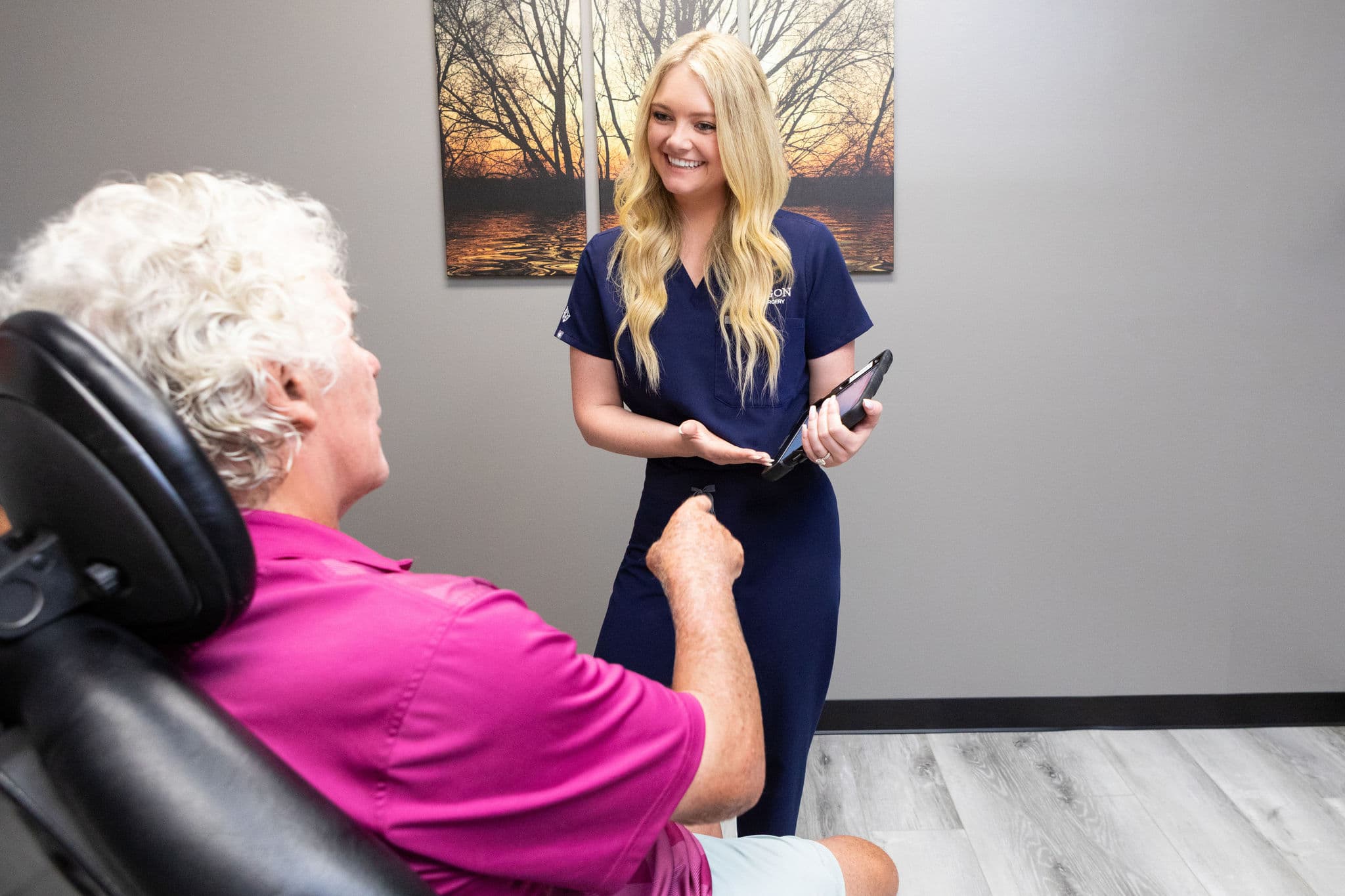
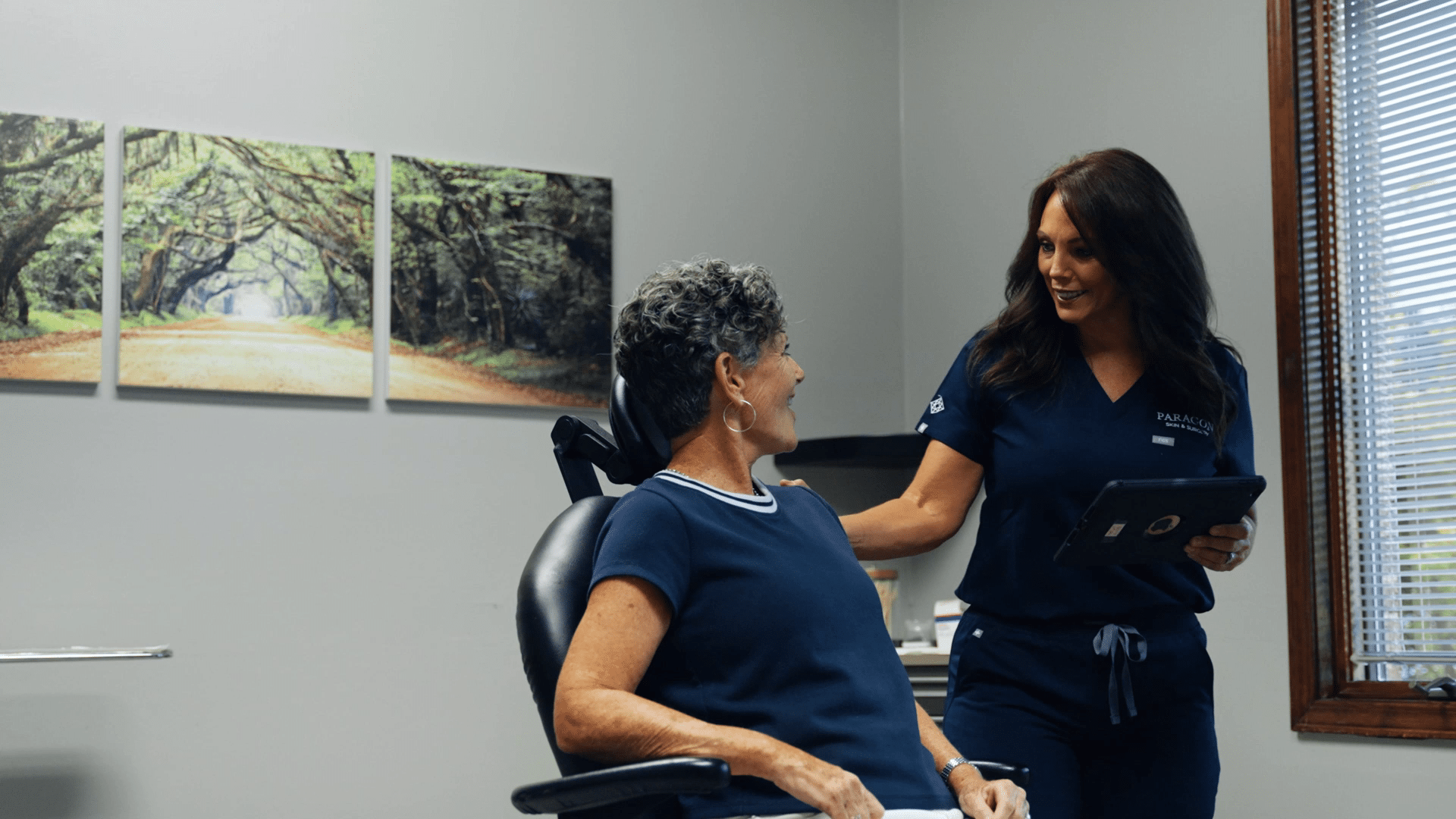
A healthcare professional consults with a senior patient in a clinic setting, highlighting patient care and consultation services.
Causes of Sun Damage
Sun damage is primarily caused by prolonged exposure to ultraviolet (UV) rays, leading to premature aging, wrinkles, and pigmentation disorders. UV rays penetrate the skin, damaging collagen fibers and affecting skin elasticity.
While sunscreen can mitigate these effects, many people experience sun damage from everyday activities without protection. Over time, repeated exposure intensifies these visible skin changes.
Adopting preventive measures, such as regular application of sunscreen and skin cancer prevention strategies, can reduce the risk but often doesn’t erase past damage.
Types of Pigmentation
Pigmentation disorders are varied, encompassing issues like freckles, melasma, and sunspots. Freckles appear as small brown spots often magnified by sun exposure, while melasma manifests as larger patches due to hormonal changes.
Sunspots are flat, brown areas commonly found in sun-exposed regions. They can become more pronounced with age and repeated sun exposure, requiring targeted treatments for effective management.
Corrective methods such as non-invasive skin treatments can significantly reduce pigmentation visibility, restoring a consistent and vibrant skin tone.
IPL vs Other Treatments
While exploring various treatment options, IPL Photofacial stands out due to multiple benefits:
- Rapid results: Noticeable improvement in skin tone often seen after the first session.
- Minimal downtime: Resume daily activities shortly after treatment with little to no recovery period.
- Non-invasive: A gentle treatment without surgery or injections.
- Addresses multiple skin issues: Targets pigmentation, sun damage, and vascular lesions simultaneously.
- Long-lasting effects: Maintains improved skin quality over time with proper care.
- Customizable treatment options: Sessions tailored to individual skin conditions and goals.
Understanding these benefits helps prioritize IPL over other options for comprehensive skin care improvement.
Before the Treatment
Preparing for an IPL Photofacial involves several pre-treatment steps to ensure the best results. Patients are advised to avoid sun exposure and tanning products at least four weeks before their appointment to prevent skin sensitivity.
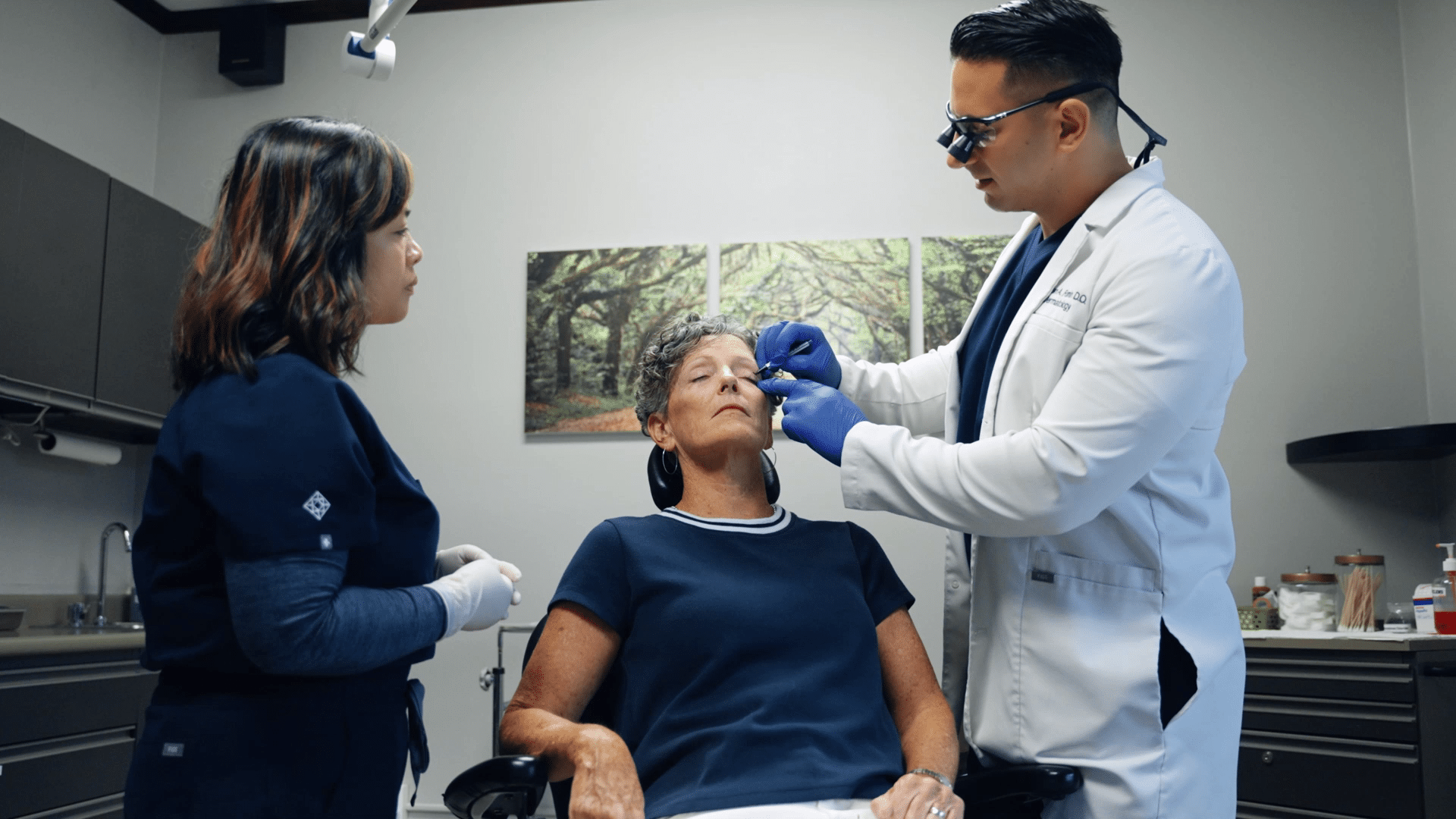
Consultations with a dermatologist will help assess the skin’s condition and create a tailored treatment plan. This assessment determines the appropriate light settings and number of sessions required.
Clients should also inform their provider about any medications or skin conditions, as this can influence treatment efficacy and safety.
During the Procedure
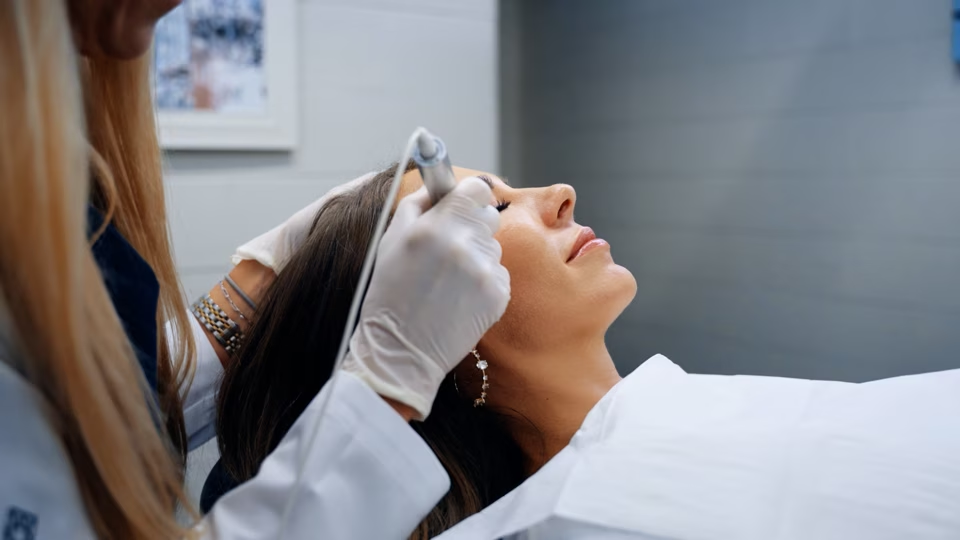
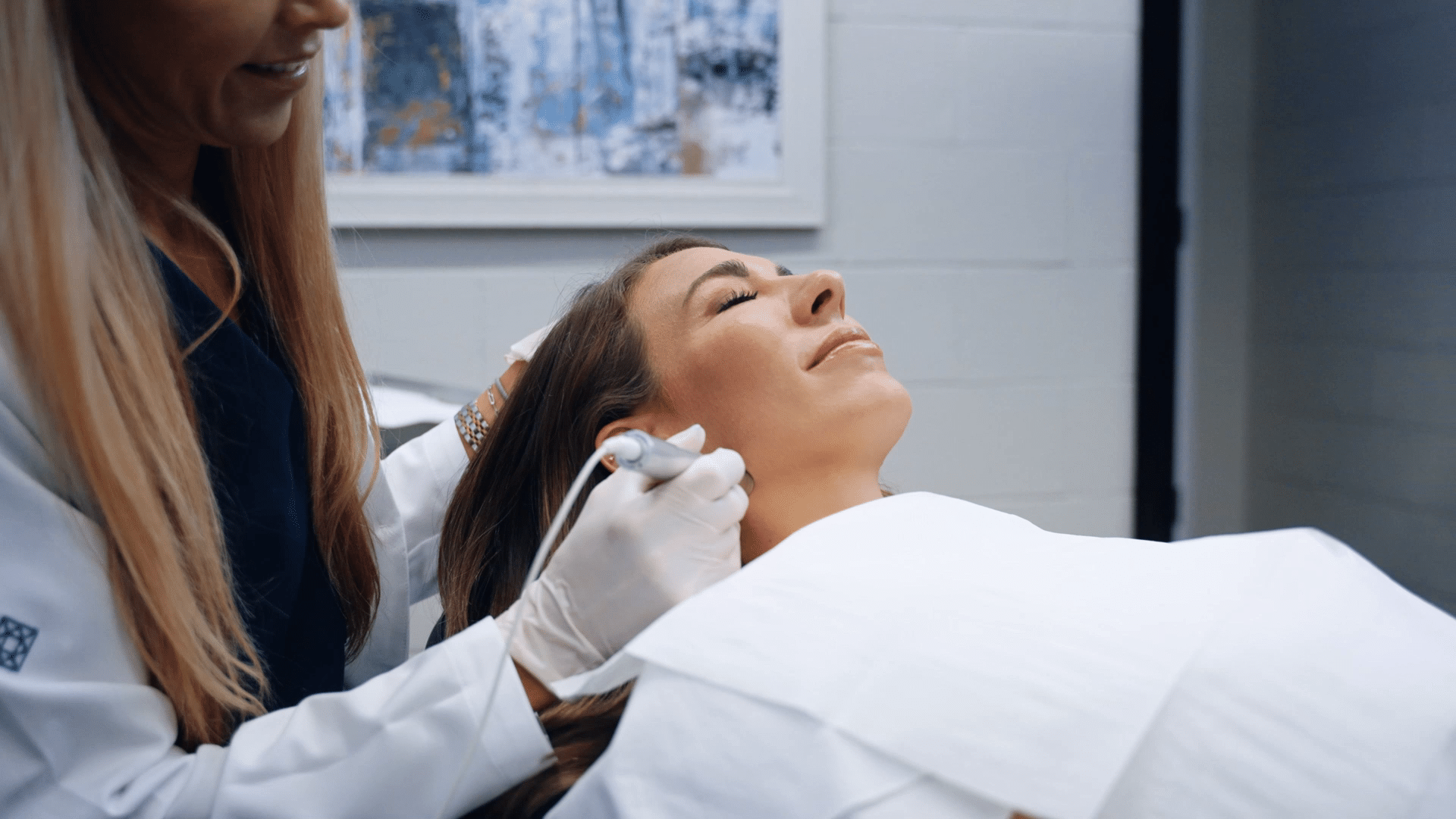
On the day of the procedure, a cooling gel is applied to the treatment area to protect the skin and enhance comfort. Patients are given protective eyewear to shield their eyes from the intense light pulses.
During the session, the IPL device is pressed against the skin, emitting controlled pulses of light. Patients may experience a mild snapping sensation similar to a rubber band being snapped against the skin.
Each session typically lasts 20 to 30 minutes, depending on the area treated, making it convenient for incorporating into a busy schedule.
Aftercare Instructions
Post-treatment care is essential for maximizing the results and ensuring a smooth recovery. Patients may notice mild redness and sensitivity akin to a sunburn, which generally subsides within a few days.
It is crucial to apply high SPF sunscreen and avoid direct sun exposure to protect the treated skin. Hydration and moisturizing also aid in the healing process.
Clearly following aftercare instructions provided by your dermatologist helps reduce the risk of complications and ensures optimal recovery. Understanding the care specifics highlights the procedure’s compatibility with individuals who have pressure wounds or diabetic foot ulcers and ensures tailored support where needed.
Benefits of IPL Photofacial
IPL Photofacials offer substantial benefits, creating an appealing option for those aiming to improve their skin’s appearance. The treatment efficiently reduces pigmentation irregularities and enhances the skin’s natural glow.
By stimulating collagen production, IPL helps maintain skin elasticity and reduces fine lines. This not only addresses existing issues but also contributes to the skin’s healthy future.
Moreover, the procedure effectively treats various conditions in a single session. The combination of these advantages positions IPL as a leading choice for skin rejuvenation.
Considerations and Risks
While IPL Photofacial is well-tolerated, potential risks should be evaluated prior to treatment:
- Skin sensitivity post-treatment: Temporary sensitivity that typically resolves within a few days.
- Possible redness or swelling: Minor side effects similar to a sunburn, quickly diminishing.
- Need for multiple sessions: Achieving optimal results often requires several appointments based on individual skin conditions.
- Rare side effects: Including hyperpigmentation, mostly avoidable with professional guidance.
- Consultation is crucial: Ensuring suitability and safety through dermatologist evaluation.
Understanding these factors allows for better decision-making and highlights the importance of selecting a competent practitioner. Before and after comparisons will provide insight into the effectiveness of IPL for treating issues like venous leg ulcers or Botox forehead lines during your personalized consultation.
Comparing IPL to Chemical Peels
When deciding between IPL and other skin treatments, it’s vital to understand their unique offerings. Chemical peels remove the top layers of skin, drastically reducing visible age spots and promoting collagen production through chemical exfoliation.
While effective for resurfacing, chemical peels require more recovery time compared to IPL. Additionally, IPL’s focused light technology offers a less abrasive method with less expected downtime, making it a preferred choice for many seeking thorough but gentle care.
The flexibility and broad range of IPL photofacials justifiably position them as a compelling alternative to traditional chemical peels.
IPL vs Laser Resurfacing
Laser resurfacing is another popular choice for addressing skin concerns. It targets deeper layers, offering significant improvements for deeper wrinkles and severe acne scars.
Despite its depth, laser therapy often has prolonged recovery periods. In contrast, IPL treatments maintain less intensive sessions with comparable results for pigmentation and surface imperfections, without extensive recovery.
This suitability for regular life integration and targeting of a wide spectrum of issues presents IPL as an attractive, efficient option. Deciding on treatments like Kybella for double chin or consulting a dermal fillers guide can complement your treatment plan for comprehensive facial rejuvenation.
Real-life Results
Seeing is believing when it comes to the efficacy of IPL Photofacials. Many individuals have noticed significant improvements in their skin’s tone and texture, particularly concerning pigmentation and sun damage reduction.
Testimonials often highlight not only visual enhancements but also the confidence boost derived from clearer, more even skin. Such accounts reinforce IPL’s capability to transform appearances and improve overall skin health.
Reading real experiences allows prospective patients to set realistic expectations and make informed decisions regarding IPL treatment.
Before and After Photographs
Visual evidence through before and after photographs can effectively showcase the dramatic improvements achievable with IPL Photofacials.
Images typically reveal a substantial decline in skin irregularities and a healthier, more radiant appearance, making the potential benefits clear.
For those concerned with oil control or care for sensitive skin, these treatments promise substantial and observable benefits, as indicated by resources on treating oily skin and managing sensitive skin care.
Why Choose IPL Photofacial?
- Quick treatment sessions: Efficient sessions fit easily into busy schedules with immediate noticeable results.
- Effective for all skin types: Suitable for most skin tones, offering versatile treatment options.
- Rejuvenation benefits: Stimulates collagen and revitalizes the skin, improving surface appearance and health.
- Proven results for sun damage: Successfully diminishes sun-induced damage and rejuvenates skin tone.
- Enhanced skin appearance and tone: Brightens complexion while smoothing out pigmentation disparities.
- Non-surgical alternative: Provides similar benefits to invasive options without surgery and its complications.
- Improves skin texture: Enhances smoothness and firmness, giving skin a more youthful appearance.
- Supports collagen production: Promotes the body’s natural ability to heal and maintain healthy skin over time.
Choosing IPL Photofacial offers an attractive mix of efficacy and convenience that suits a wide array of skincare needs. For more natural options, you might explore additional natural skin treatments or consult your mohs surgeon.
Frequently Asked IPL Questions
The IPL Photofacial treatment uses broad-spectrum light to address various skin concerns such as pigmentation, sun damage, and textures without invasive techniques. It involves light pulses that target melanin and hemoglobin to improve skin clarity and complexion.
Optimal results often require 3 to 6 treatment sessions, depending on the condition being treated and individual skin response. Your dermatologist will craft a personalized plan for your specific needs.
Patients may feel a mild stinging sensation during IPL treatments, similar to a rubber band snap on the skin. This discomfort is usually minimal and well-tolerated by most individuals due to the cooling gel applied beforehand.
IPL Photofacial is most effective for those with fair to medium skin tones. However, it is not recommended for deeper skin tones due to the risk of hyperpigmentation.
Recovery from IPL typically involves minimal downtime. Patients may experience slight redness or swelling, but these symptoms usually resolve within a few days without affecting daily activities.
While IPL is safe for most, potential side effects include mild swelling, redness, and temporary changes in pigmentation. These effects are usually short-lived and manageable with proper aftercare.
Results from IPL treatments can last from several months to a few years, depending on the condition treated and maintenance care, including sun protection and skincare routines.
IPL is different from treatments like fractional laser therapy in that it broadly targets areas and requires less downtime, while still offering effective results for surface-level skin issues.