Understanding Dermal Fillers
Dermal fillers have revolutionized cosmetic treatments by offering a non-surgical option to restore facial volume and youthful contours. These injectable substances can address various aesthetic concerns, such as wrinkles, fine lines, and sagging skin. They work by filling in the lost volume under the skin, which over time can naturally diminish due to factors like aging and sun damage. This advanced dermatology vs med spa guide highlights their significance in modern skincare.
The appeal of dermal fillers lies in their ability to provide noticeable results with minimal downtime. Unlike invasive procedures, they allow individuals to enhance their appearance quickly and efficiently. Innovations such as exosome therapy complement this by promoting skin rejuvenation naturally.
How Fillers Work
Dermal fillers function by injecting safe, gel-like substances beneath the skin to add volume and smoothness. The type of filler and its application can vary based on individual needs, targeting specific areas like cheeks, lips, or under the eyes. With regenerative treatments, the rejuvenating potential of fillers is further enhanced, encouraging healthy skin renewal.
Each filler type has unique properties and capabilities. By understanding these, practitioners can tailor treatments to achieve the best possible outcomes for patients. This customized approach to skincare enhances the overall effectiveness of dermal fillers, ensuring optimal results with every session.
Benefits of Using Dermal Fillers
The benefits of dermal fillers extend beyond mere aesthetic improvement, offering a more youthful appearance with subtle enhancements. They can provide immediate results, often visible right after the procedure, which continue to improve over the upcoming weeks. Patients find this instant gratification a key advantage of opting for fillers.
Fillers not only restore lost volume but also stimulate collagen production, fostering long-term skin health and elasticity. This dual functionality makes them a versatile option for those seeking both cosmetic and physiological improvements. With expert guidance in skincare, the risk of complications is minimized, ensuring a safe and effective treatment experience.
Hyaluronic Acid Fillers
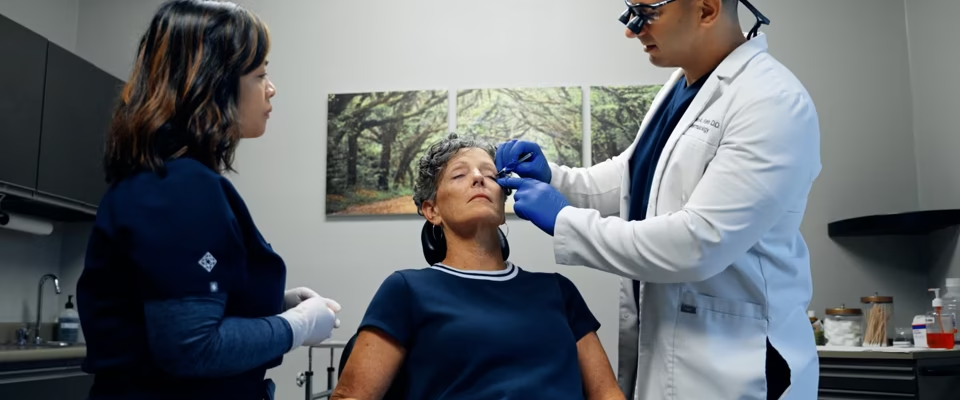
Hyaluronic acid (HA) fillers are among the most popular in cosmetic dermatology. Naturally found in the body, HA helps retain skin moisture and softness, making it an ideal filler for enhancing lip volume and diminishing lines. Known for its hydrating properties, HA filler results in a more youthful and refreshed appearance.
HA fillers are highly versatile, allowing for subtle enhancements across various facial areas, including the cheeks, lips, and under the eyes. This flexibility makes them a preferred choice for those looking to maintain a natural look while combating signs of aging.
Calcium Hydroxylapatite Fillers
Calcium hydroxylapatite (CaHA) fillers are denser and typically used for deeper lines and wrinkles. Found naturally in bones, CaHA provides a texture that’s close to the skin’s underlying structure, offering natural results. These fillers stimulate collagen, promoting improved skin texture over time.
CaHA fillers are ideal for addressing significant volume loss and are often used in the lower face to combat jowls and smile lines. Their ability to enhance collagen production means that they not only fill but also rejuvenate the skin, delivering long-lasting improvements.
Poly-L-lactic Acid Fillers
Poly-L-lactic acid fillers are known for their gradual and natural-looking effects. Instead of providing instant volume, these fillers stimulate collagen production, improving skin thickness and elasticity over several sessions. Ideal for larger volume restorations, they are often used for facial contouring.
Patients choosing Poly-L-lactic acid fillers experience a slow and steady enhancement, reflecting a natural aging process in reverse. This method is beneficial for those seeking a subtle approach to facial rejuvenation.
Fat Grafting
Fat grafting, or fat transfer, involves using the patient’s own fat to enhance facial volume. This method is favored for its natural results and long-lasting effects. Since the material is derived from the patient, there’s minimal risk of allergic reactions.
This technique is particularly successful for individuals looking to achieve significant volume restoration, especially in areas like the cheeks. When coupled with techniques like Kybella for double chin reduction, it offers a holistic approach to facial rejuvenation.
Comparative Analysis of Fillers
To choose the best dermal filler, consider factors such as longevity, cost, and application areas. A comparison based on key characteristics helps in making an informed decision:
- Longevity of results: Fillers like Poly-L-lactic acid offer longer-lasting effects compared to others, which may need more frequent touch-ups.
- Cost per treatment: While HA fillers are generally more affordable, longer-lasting fillers might be more cost-effective in the long run.
- Natural feel: Calcium hydroxylapatite offers a texture similar to natural skin, ensuring realistic outcomes.
- Allergic reactions: Using substances naturally found in the body, like HA and CaHA, reduces the potential for allergic responses.
- Application areas: Each filler type suits different facial regions, guiding their use in specific spots for targeted results.
- Recovery time: Most fillers offer quick recovery, though the timeline may vary based on filler type and individual patient factors.
Preparing for Treatment
Preparation is key to ensuring a successful dermal filler procedure. Prior to treatment, it’s essential to discuss with your practitioner the desired outcomes and any potential allergies. This consultation can help tailor the procedure for optimal results.
To minimize the risk of bruising, patients are advised to avoid blood-thinning medications and supplements a few days before treatment. Drinking plenty of water and ensuring the skin is well-moisturized also aids in achieving the best results from the filler process.
During the Procedure
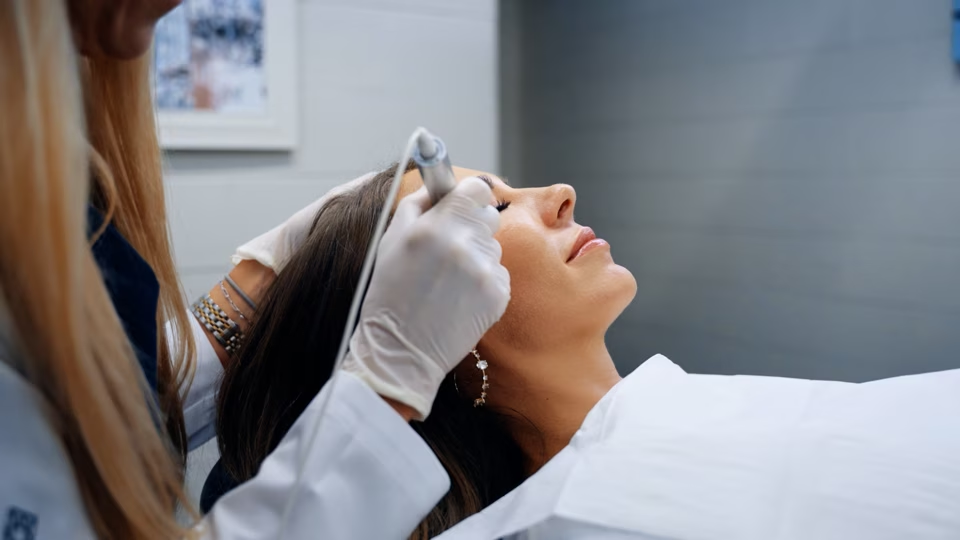
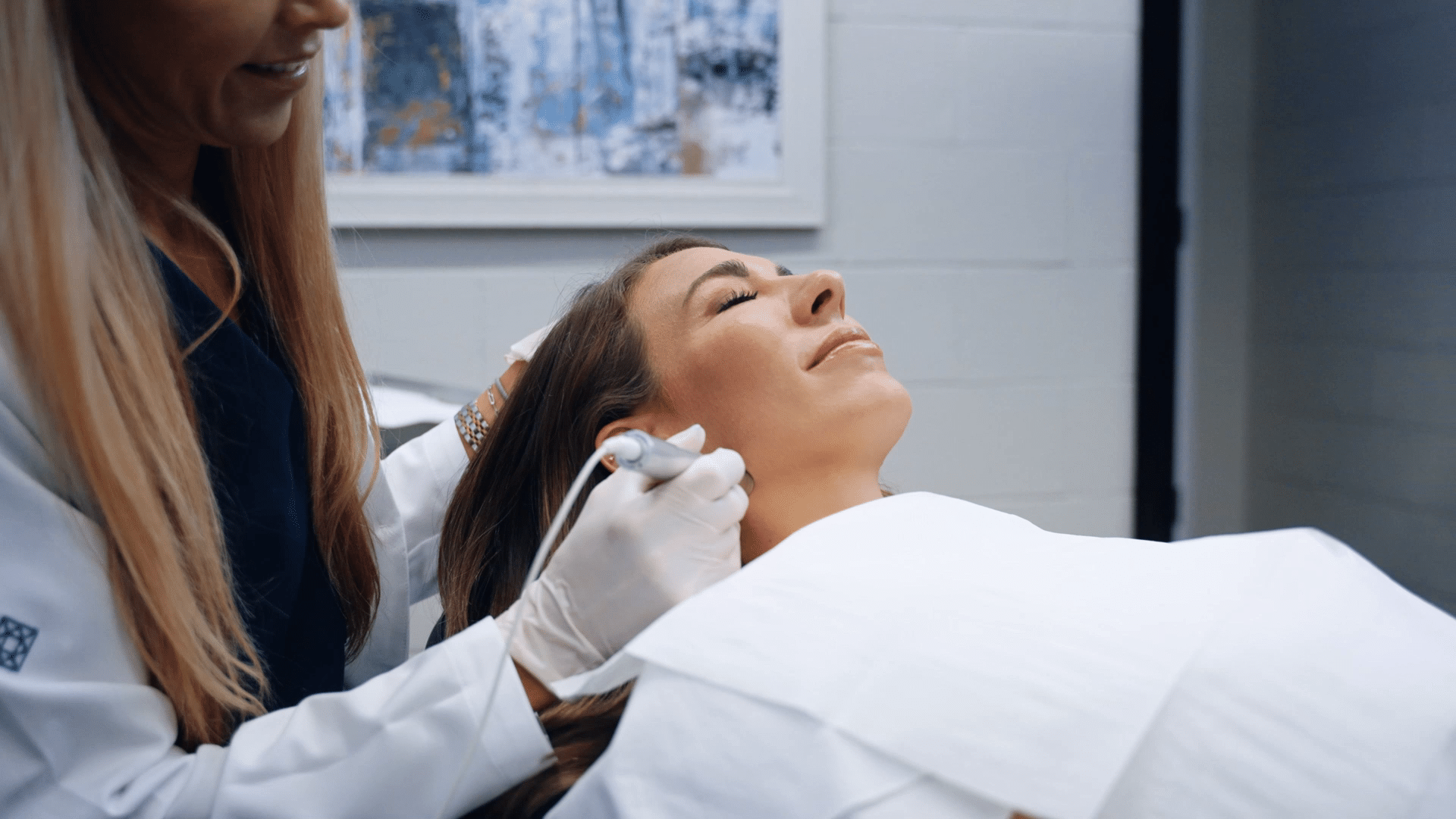
The dermal filler process is generally quick, often completed within an hour. The skin is cleansed and a topical anesthetic may be applied to reduce discomfort. Your provider will then inject the filler using a fine needle or cannula.
Patients typically feel minimal discomfort during the procedure, likened to a mild pinch or sting. The exact process will vary depending on the treatment area and the type of dermal filler used, with practitioners ensuring precision and accuracy for aesthetic results.
Post-procedure, the treated areas might appear slightly swollen or red, but these effects usually subside within a few days. The immediate appearance should give you a glimpse of the final result once healing is complete.
Post-Treatment Care
After treatment with dermal fillers, aftercare is essential to ensure optimal results. Patients should avoid vigorous exercise and exposure to high temperatures for at least 24 hours. Applying ice can help reduce swelling and bruising.
Hydration and proper skincare play crucial roles in maintaining fillers. Regular application of moisturizer and sunscreen supports long-term results and protects the skin. An understanding of PRP therapy and regenerative aesthetics can enhance treatment effects.
Follow-up appointments with your practitioner will allow for monitoring and top-ups if necessary. Discuss any concerns with your provider to ensure satisfaction with your treatment.
Myths vs. Facts
Dermal fillers come with various misconceptions that can lead to hesitation or misuse. Some believe fillers look unnatural, but in reality, today’s advanced techniques ensure subtle, natural enhancements. Additionally, the myth that fillers are only for older individuals is misleading—many younger people use fillers for preventative and aesthetic reasons.
Despite popular belief, when administered correctly by a qualified professional, dermal fillers yield natural-looking results without exaggerating facial features. This is why choosing a knowledgeable provider is crucial.
Understanding Limitations
Dermal fillers have their set of limitations. While they provide immediate results, they are not a substitute for more extensive surgical procedures in cases of advanced aging signs. It’s important for patients to have realistic expectations and understand that fillers may not address all concerns.
In some cases, fillers may require combination treatments like working with a board-certified dermatologist for holistic results. A proper evaluation can help establish a treatment plan that includes additional therapies if needed.
Consultations with a skin specialist can go a long way in setting realistic expectations and desired outcomes.
Importance of Professional Administration
Having dermal fillers administered by a professional is essential to ensure both safety and desired outcomes. A qualified specialist understands facial anatomy and can tailor the treatment to each individual’s needs, avoiding potential complications.
While DIY filler kits are emerging in some markets, these pose substantial risks. Only professionals can ensure proper technique and hygiene, reducing the likelihood of adverse reactions.
Potential Side Effects
Dermal fillers, while generally safe, come with potential side effects. Swelling and bruising are the most common, typically subsiding within a week. Having an experienced practitioner reduces the incidence of these complications. More serious side effects, though rare, can occur and include:
- Allergic Reactions: Though uncommon, allergic reactions can occur, necessitating immediate consultation with your physician.
- Infection risk: Reducing infection risk involves choosing a sterile, professional setting for your filler appointment.
- Lumps and irregularities: Uneven results can be corrected with timely massage or follow-up sessions with your provider.
- Migrating filler: Though rare, fillers can shift from initial areas, requiring adjustment procedures.
- Skin discoloration: Temporary discoloration can be noticed but usually resolves without treatment.
- Vascular occlusion: This rare but serious condition requires an experienced provider to mitigate risks.
- Nerve damage: Proper anatomical knowledge by the provider prevents nerve damage, ensuring safe administration.
Choosing the Right Practitioner
The importance of selecting the right practitioner cannot be overstated. An experienced professional will provide personalized assessments, optimizing results while minimizing risks.
When searching for a provider, one should inquire about their qualifications, experience with specific filler products, and overall approach to aesthetic trends. This ensures a reliable and satisfying treatment experience.
Practitioners who stay updated with non-invasive skin treatment advancements can implement new methods, enhancing patient care and outcomes.
Follow-Up Treatment Options
Follow-up treatments can prolong the effects of dermal fillers. Regular consultations allow for adjustments as needed, maintaining the desired aesthetic over time.
Using technology to track filler efficiency and results contributes to ongoing improvement in treatment protocols. Discuss with your provider about eventual enhancements or additional treatments to maintain results.
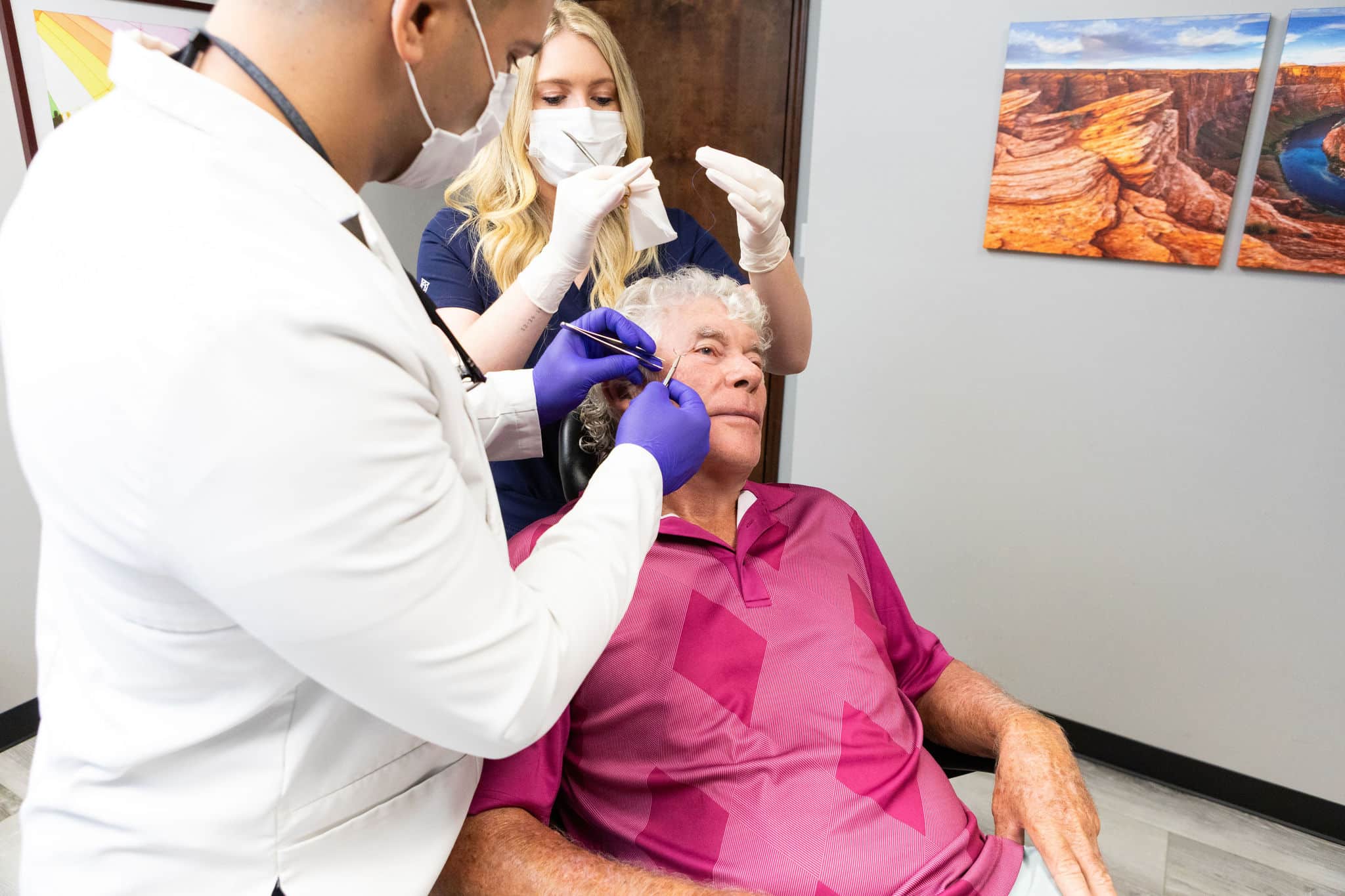
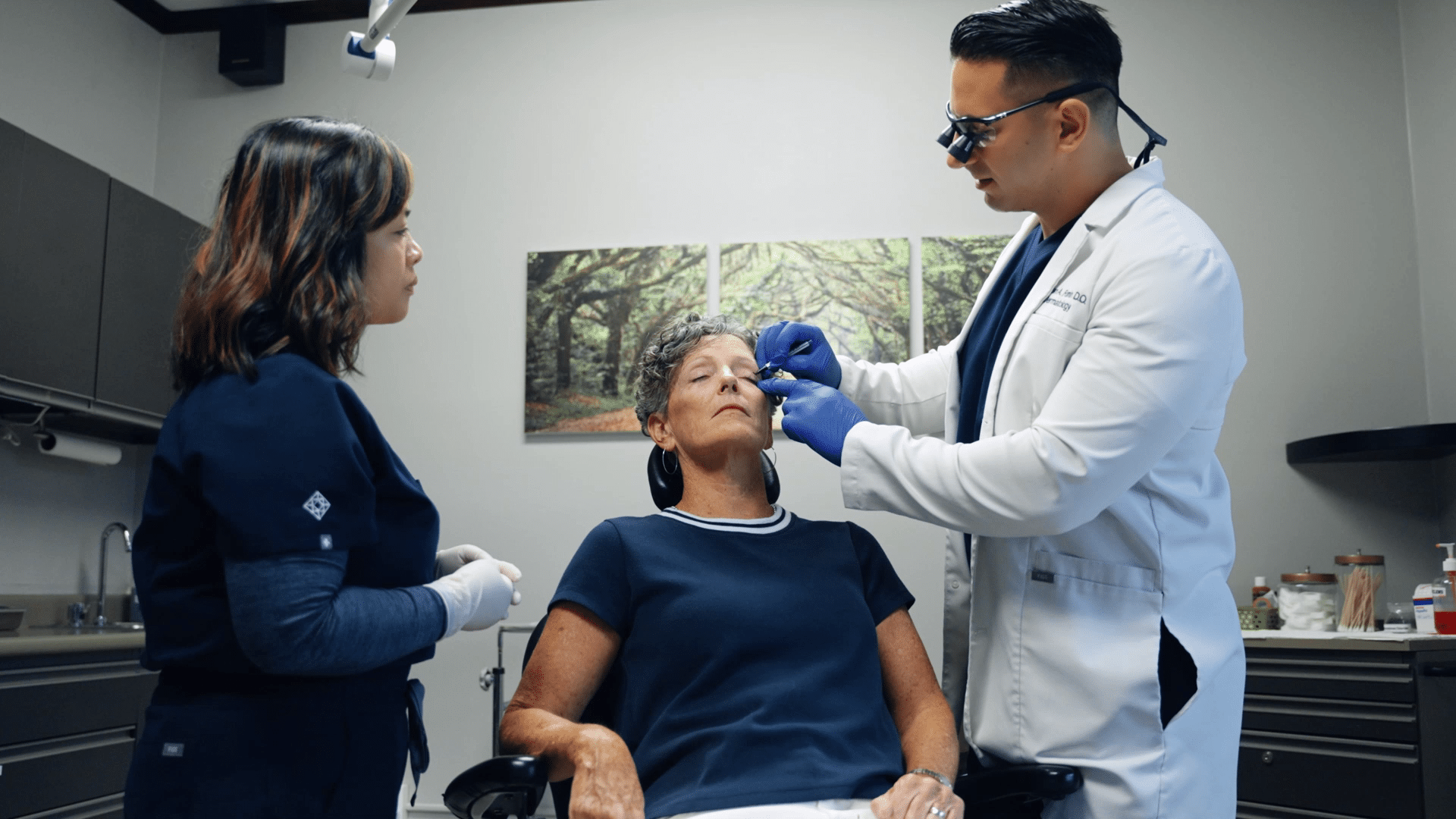
A dermatologist performs Mohs surgery on a patient, focusing on precise skin cancer removal and patient care in a medical clinic setting.
Innovations in Dermal Fillers
The future of dermal fillers looks promising with continuous innovations introducing new products and techniques. The industry is seeing the development of fillers that not only provide volume but also offer skincare benefits like hydration and collagen stimulation. These advances contribute to more natural-looking and longer-lasting results.
Innovative fillers are being formulated to reduce potential side effects while enhancing safety and efficacy. As these progress, patients can expect more comprehensive outcomes from their filler treatments.
Personalization in Treatment
Personalization is a growing trend in cosmetic treatment. Practitioners now tailor filler choices and techniques to individual facial structures, desired outcomes, and lifestyle needs. This customized approach enhances patient satisfaction and treatment success.
Combining treatments like Mohs surgery with cosmetic enhancements can optimize both medical and aesthetic results.
Future Aesthetic Treatments
The future of aesthetics is leaning towards multifaceted approaches that integrate fillers with other treatments for enhanced outcomes:
- Combination therapies: Utilizing fillers alongside skincare therapies expands potential results.
- Sustainable fillers: Innovation in bio-compatible materials creates environmentally friendly and effective choices.
- Advanced delivery systems: Robotic-assisted application enhances precision and reduces discomfort.
- Regenerative medicine insights: Combining vascular laser therapy and fillers promotes healing and young skin revival.
- Increased awareness and education: Patient education empowers informed decisions for treatment plans.
- Patient-centered approaches: Engaging patients in decision-making ensures satisfaction with results.
Recap of Dermal Fillers
Throughout this guide, we’ve explored the multifaceted nature of dermal fillers, emphasizing their role in restoring youthful contours and enhancing facial aesthetics. By offering immediate, visible results, dermal fillers have become a staple in cosmetic treatments for individuals seeking to combat signs of aging.
As our understanding of fillers deepens, the options available continue to expand, catering to a diverse range of facial issues. With the right practitioner and approach, fillers can offer transformative outcomes.
The Importance of Professional Advice
The significance of seeking professional consultation for dermal fillers cannot be overstressed. Certified practitioners provide personalized insights and recommendations, ensuring treatments align with your unique aesthetic goals and medical history.
Engaging with a trained expert aids in demystifying the process, addressing any misconceptions, and setting realistic expectations for outcomes
Whether dealing with cosmetic concerns or related skin conditions, collaborating with professionals, like those treating diabetic foot ulcers, ensures comprehensive care and results.
Next Steps and Consultations
Ready to explore the potential of dermal fillers for yourself? Begin by arranging a consultation with a respected professional who can discuss your options and potential plans tailored to your needs. Continuous dialogue and follow-ups enhance care and satisfaction
Learn more about integrating dermal fillers into treatment plans for skin rejuvenation and to combat issues such as venous leg ulcers. Begin your journey towards youthful skin today.
Frequently Asked Questions
Dermal fillers are injectable substances used to restore lost volume, smooth wrinkles, and enhance facial contours. They are commonly made of hyaluronic acid, calcium hydroxylapatite, or other biocompatible materials that improve facial aesthetics without surgical intervention.
The longevity of dermal filler results varies depending on the type of filler used. Hyaluronic acid fillers typically last between 6 to 18 months, while other fillers like Poly-L-lactic acid can last up to two years. Maintenance sessions can extend the duration of results.
When administered by experienced professionals, dermal fillers are considered safe. They are approved by regulatory bodies like the FDA, and side effects are generally minimal and temporary. Choosing a qualified practitioner reduces the risk of complications significantly.
While patient preferences are important, the amount of filler used in a session is best determined through consultation with your practitioner. They assess facial structure and desired outcomes to recommend the appropriate volume for natural-looking results.
If results are unsatisfactory, contact your practitioner. Reversible fillers like hyaluronic acid can be adjusted using hyaluronidase, an enzyme that dissolves HA, while other fillers may require time to metabolize naturally. Follow-up sessions can be used to refine results.
Dermal fillers provide a non-surgical alternative for enhancing facial aesthetics. While surgery offers more permanent changes, fillers offer less downtime and cost. They also allow for gradual enhancements, which can be beneficial for those seeking less dramatic changes.
Common side effects include redness, swelling, and minor bruising at the injection site, which generally resolve within a few days. Serious side effects are rare but can include allergic reactions and infection. Always choose a skilled professional to minimize risks.
Repetition depends on the filler type and personal goals. On average, patients may undergo treatments every 6 to 24 months to maintain desired results, with follow-up sessions ensuring continued satisfaction and effectiveness.