What Are Venous Leg Ulcers?
Venous leg ulcers are chronic wounds that typically occur on the lower legs due to poor blood circulation in the veins. These ulcers are the most common type of leg ulcers and can cause significant discomfort and mobility issues if left untreated.
Given their prevalence, it’s essential to understand chronic wound care, which involves preventing and treating conditions like venous ulcers with effective strategies.
Importance of Understanding Venous Leg Ulcers
Understanding venous leg ulcers is crucial as they highlight an underlying problem with the venous system. This knowledge not only aids in recognizing the symptoms early but also guides in selecting the appropriate treatment paths. Many skin disorders, managed under clinical dermatology, highlight the significance of awareness and early intervention.
Overview of Treatment Strategies
Treating venous leg ulcers involves multiple strategies focusing on improving circulation, preventing infection, and ensuring proper wound care. Our team at the skin health clinic provides expert care, utilizing advanced treatments that align with individual patient needs, just like those offered in acne treatment options.
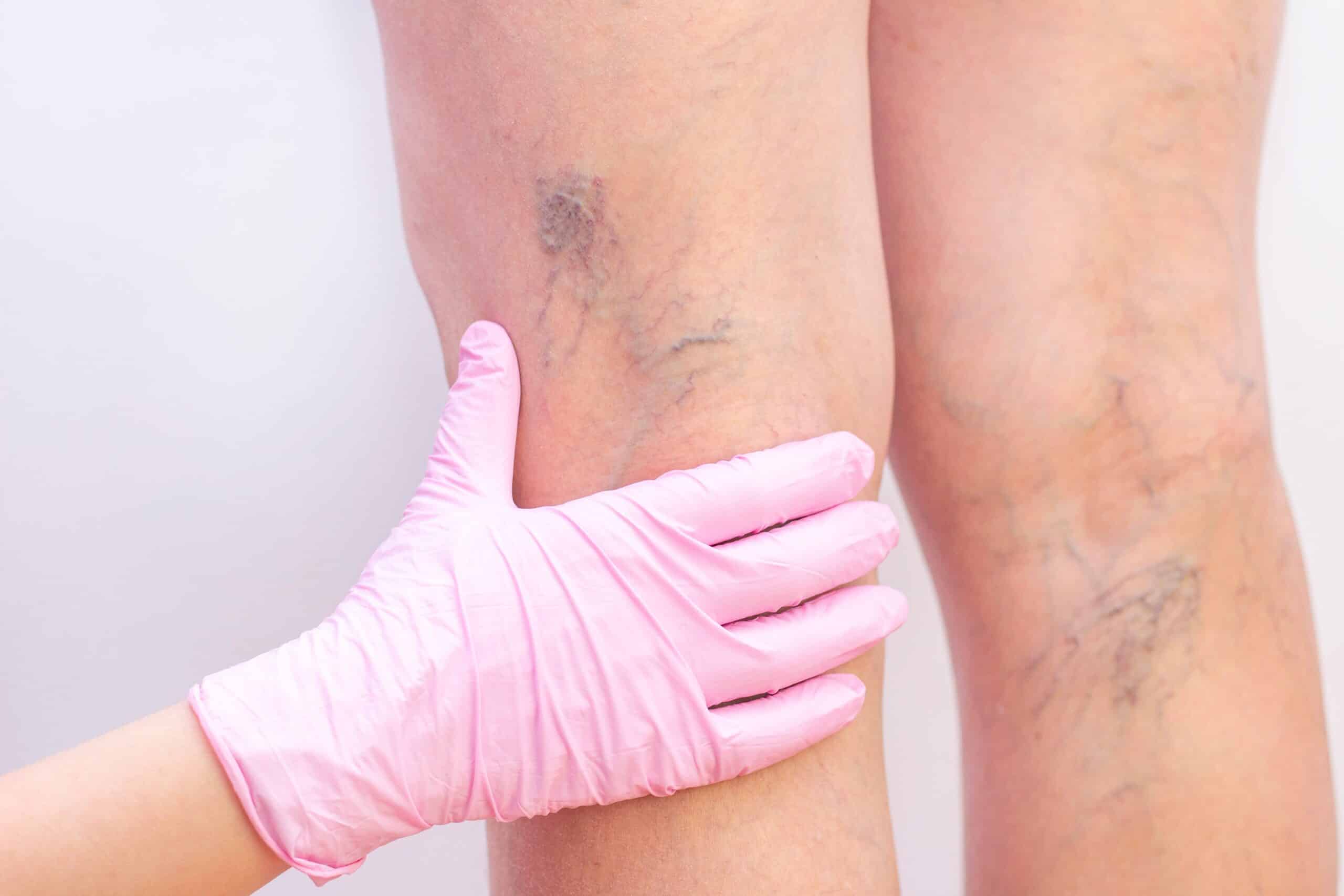
Close-up of female legs with varicose veins being gently examined by a gloved hand, highlighting vein treatment care.
Chronic Venous Insufficiency
One of the primary causes of venous leg ulcers is chronic venous insufficiency (CVI), a condition where the veins are unable to circulate blood back to the heart efficiently. This leads to pooling of blood in the lower extremities, causing pressure and forming ulcers.
Other Medical Conditions
Besides CVI, various medical conditions can contribute to the development of venous leg ulcers. Conditions such as heart disease, kidney failure, and diabetes often exacerbate circulation issues, increasing the likelihood of ulcer formation.
Similarly, dermatological conditions managed in eczema management can increase the risk by weakening the skin’s integrity.
Lifestyle Factors
Lifestyle choices also play a critical role in the development of venous leg ulcers. A sedentary lifestyle, poor diet, and lack of physical activity can exacerbate venous disorder symptoms, contributing to ulcer formation.
Key Risk Factors
Understanding the risk factors is vital for prevention and management. Here are the primary risk contributors:
- Age: Older adults are at a higher risk as venous function typically declines with age.
- Obesity: Excess weight can increase pressure on the veins, leading to complications.
- Sedentary Lifestyle: Lack of physical activity impairs circulation, increasing ulcer risks.
- Previous Injuries: History of leg injuries can weaken the venous walls.
- Varicose Veins: These are often early indicators of venous insufficiencies.
- Inactivity: Standing or sitting for long periods can worsen venous pressure.
- Smoking: Negatively affects circulation and skin health.
Common Symptoms
Identifying venous leg ulcers early can significantly enhance treatment effectiveness. Common symptoms include persistent swelling, skin discoloration, and chronic pain around the affected area. Open sores that take a long time to heal are clear indicators of possible ulcers.
These symptoms might overlap with other skin conditions; hence pressure wounds share some characteristics.
When to Seek Medical Attention
It is imperative to seek medical attention if you notice any symptoms of leg ulcers to prevent further complications. Frequent consultations with a mohs surgeon or dermatologist can ensure the proper management and care of these ulcers.
If the ulcer shows signs of infection, such as increased redness, warmth, or oozing, immediate medical intervention is necessary.
Self-Assessment Techniques
Self-assessment techniques can aid in early detection. Regularly inspect your legs for any changes in skin texture or color. Monitoring the ulcer’s size and depth can also provide critical insights.
Recording these observations can facilitate a more detailed discussion during medical consultations.
Wound Care Management
The cornerstone of healing venous leg ulcers is effective wound care management. This begins with regular cleansing and dressing changes to keep the wound infection-free and promote healing. The use of moist wound healing techniques ensures optimal recovery.
Medications
Medications play a crucial role in the comprehensive treatment of venous leg ulcers. Antibiotics treat any infections, while anticoagulants may be prescribed to enhance blood flow. Consultations for medication must be sought from professionals as prescribed in when mohs surgery is needed.
Surgical Options
In severe cases, surgical interventions may be necessary to treat venous leg ulcers. Procedures to improve venous circulation, such as vein stripping or ligation, are commonly considered. These options are typically evaluated on a case-by-case basis in conjunction with vascular laser therapy.
Lifestyle and Home Remedies
Lifestyle modifications and home remedies significantly assist in managing venous leg ulcers. Elevation of the affected leg, regular exercise, and a balanced diet can improve circulation and aid in recovery.
Integrating these habits into daily routines accelerates healing and prevents recurrence.
Preventive Techniques
Preventing venous leg ulcers involves adopting effective lifestyle changes. Here are some preventive techniques:
- Regular Exercise: Helps maintain healthy circulation and prevents blood pooling.
- Weight Management: Reduces excess pressure on the veins, preventing venous insufficiencies.
- Compression Stockings: Enhance blood flow and lower venous pressure.
- Elevating the Legs: Assists venous return and alleviates discomfort.
Monitoring Your Health
Consistent health monitoring is vital in preventing the recurrence of these ulcers. Regular check-ups with healthcare professionals ensure any changes in your condition are promptly addressed. Similar guidance is essential in managing treating oily skin issues.
Consultation with Healthcare Providers
Periodic consultations with healthcare providers facilitate the early diagnosis and treatment of potential complications. Consistent dialogue with your healthcare team is vital to successfully managing your skin health and adopting effective prevention strategies related to srt treatment process.
Caring for Your Ulcer
Effective healing strategies for venous leg ulcers begin with proper care. Consider these methods to support recovery:
- Follow-up Appointments: Ensure ongoing monitoring and adaptation of treatment strategies.
- Monitoring for Infections: Regular checks to catch and address infections early.
- Proper Nutrition: Supplies essential nutrients for skin repair and recovery.
- Managing Pain: Utilize prescribed pain management plans to keep discomfort minimal.
Role of Family Support
Family support is fundamental in managing and overcoming venous leg ulcers. Emotional and physical support from family members can significantly contribute to quicker recovery and reduce the stress associated with chronic conditions.
Utilizing Community Resources
Community resources can be invaluable in managing venous leg ulcers. Local support groups, online forums, and healthcare workshops provide insights and share experiences, enhancing personal care strategies. Leveraging these resources often parallels the recovery assistance in mohs surgery recovery.
Holistic Management
A comprehensive approach to managing venous leg ulcers involves integrating medical, lifestyle, and supportive care strategies. This balance is vital for achieving substantial and lasting recovery, echoing the principles applied in specialized procedures such as mohs surgery.
Encouragement for Patients
Patience and resilience are crucial throughout the healing journey. Patients should remain committed to their treatment plans and consider any obstacles as learning opportunities. With determination, recovery is within reach.
Next Steps for Diagnosis and Treatment
For those at risk or suffering from venous leg ulcers, promptly consulting with a skin health expert can lead to effective diagnosis and treatment initiation. This proactive approach supports early intervention strategies akin to those emphasized in skin cancer prevention.
Frequently Asked Questions
Venous leg ulcers are chronic wounds that predominantly occur on the legs due to issues with blood circulation in the veins. They are a common concern, especially for those with venous insufficiencies, and require comprehensive treatment strategies.
The healing time for venous leg ulcers can vary greatly depending on the severity of the ulcer and the individual’s overall health. With appropriate care, some ulcers may heal within a few weeks, while others could take several months.
Common treatments include wound care management, lifestyle changes, medications, and possibly surgery. Each treatment plan should be tailored to fit the patient’s specific needs and may involve frequent checkups to adapt the plan as needed.
Preventing recurrence involves lifestyle modifications such as maintaining a healthy weight, engaging in regular exercise, and wearing compression stockings. Monitoring health and consulting healthcare providers for early management of symptoms is also crucial.