Understanding Dry Skin
Dry skin is a prevalent issue, especially during fall and winter in Upstate South Carolina, where the humidity significantly drops. This environmental change often leads to moisture evaporation from the skin, causing it to become dry and flaky. Learning about the causes of dry skin is the first step in effective sensitive skin care.
The absence of sufficient hydration not only affects the skin’s appearance but also its functionality, potentially leading to conditions like eczema. It’s crucial to combat this with targeted treatments.
Impact of Humidity
When humidity levels decline, the skin loses its natural moisture barrier. This decreased barrier function can exacerbate conditions like chapping and redness. The winter air, combined with heated indoor environments, often draws moisture away from the skin, amplifying dryness.
Many individuals might experience sensitive skin during these months, necessitating adjustments in their skin care regimen. Thankfully, implementing small changes can significantly mitigate the impact of low humidity.
Diligent application of moisturizers can compensate for the lack of external moisture. Switching to richer, more hydrating skincare products can make a notable difference.
Seasonal Skincare Adjustments
Adapting skincare routines to account for seasonal changes is vital. As the seasons shift, so should your skincare strategies. Incorporating heavy-duty moisturizers and reducing the frequency of exfoliation can help manage dry skin effectively.
It’s advisable to consider products specifically designed to protect and nourish the skin during these harsher conditions. Consultations with a skin care specialist can provide personalized recommendations.

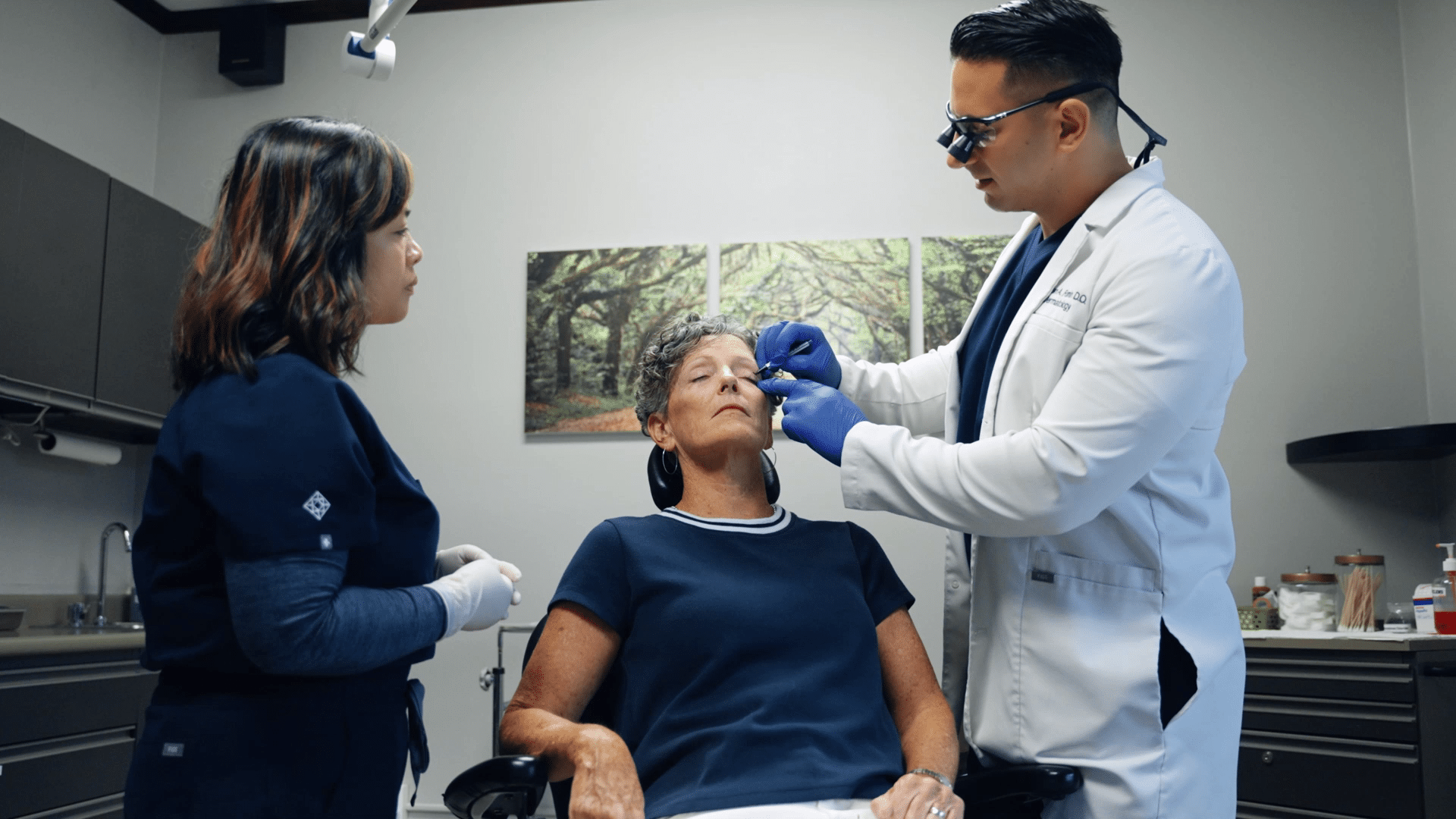
A medical team discusses a surgical procedure with a patient in a clinic setting, featuring calming decor.
Moisturizing Techniques
Effective moisturizing is at the heart of any dry skin treatment. Employ techniques that ensure maximum hydration, such as applying moisturizer immediately after showering when the skin is still damp to lock in moisture. Incorporating lightweight, non-comedogenic oils can also bolster skin hydration.
Focus on applying products in gentle, upward strokes to avoid irritating already sensitive skin. Consistent application throughout the day can prevent the onslaught of dryness typically experienced in colder months.
Hydration Tips
Hydration starts from within, and drinking adequate water daily plays a pivotal role in maintaining skin health. Integrate water-rich foods into your diet to supplement fluid intake, which supports the skin’s appearance and elasticity.
Apart from moisture-rich foods, minimizing caffeine and alcohol consumption, which can dehydrate the skin, is beneficial. Small but consistent lifestyle changes can help maintain skin hydration.
Working with a skin care specialist can also be invaluable in tailoring a hydration schedule conducive to your skin’s needs during winter.
Recommended Products
Choosing the right products is crucial for managing dry skin effectively. Look for options designed to trap moisture and bolster your skin’s natural barrier against the cold.
- Heavy-duty moisturizers: Designed for intense moisture retention.
- Humidifiers for home use: Essential for adding moisture to indoor air.
- Gentle exfoliants: Remove dead skin without stripping moisture.
- Ceramide creams: Help restore the skin’s protective barrier.
- Streaming water hydration: Efficient for hydrating throughout the day.
- Ointments for severe cases: Provide intensive care for extremely dry skin.
- SPF products for dry skin: Protect against UV radiation and dryness.
- Natural oil blends: Combat dryness with nourishing nutrients.
Daily Skincare Routine
Consistency is key when it comes to maintaining skin health during fall and winter. Begin with a gentle cleanser to avoid stripping your skin of essential oils. Follow with a hydrating toner and a moisturizer rich in ceramides or hyaluronic acid.
At night, complement your routine with a richer, more emollient cream to fortify the skin’s barrier as you sleep. Adjusting your daily regimen can greatly enhance your skin’s resilience to winter’s drying effects.
Avoiding Common Triggers
Understanding and avoiding factors that exacerbate dry skin is crucial. Hot showers can strip the skin, so opt for lukewarm water instead. Detergents and prolonged indoor heating can also contribute to dryness.
Through a meticulous evaluation of skincare products, one can identify potential irritants and make necessary adjustments. Awareness and small modifications can significantly preserve skin moisture.
For specific guidance, consider exploring resources about choosing skin specialists who can provide targeted advice.
Lifestyle Changes for Healthier Skin
Integrating healthy lifestyle choices can support your skincare routine. Regular exercise not only improves circulation but also helps nourish skin cells. Reduce stress through mindfulness practices to prevent triggering skin sensitivities.
Ensuring ample sleep allows the skin the time it needs to regenerate. With these changes, overall skin health can improve significantly, leading to a visibly rejuvenated appearance.
When to Consult a Dermatologist
While many dry skin issues can be addressed through at-home care, certain conditions might require professional intervention. Persistent dryness, unexplained rashes, or discomfort suggest a need for professional attention.
A board-certified dermatologist can diagnose underlying conditions and provide comprehensive management strategies. Recognizing when to seek help can be invaluable for long-term skin health.
Understanding Different Skin Conditions
Differentiating between common dry skin and more complicated skin conditions like eczema or dermatitis is essential. Symptoms like intense itching, inflammation, and flakiness might point to specific dermatological concerns.
Your dermatologist can conduct evaluations to determine the best treatment strategy. Education on your specific condition can empower you to take targeted actions for relief and prevention.
Addressing these conditions promptly can prevent exacerbation and ensure healthy skin recovery.
Benefits of Tailored Skincare Plans
Customized skincare plans devised by specialists offer targeted solutions that standard routines might not achieve. These plans consider factors like skin type, lifestyle, and environmental conditions.
Tailored advice could include recommendations for specialized products, treatment plans, and lifestyle changes, yielding results visible both in the short and long term. Partnering with a skin care specialist enriches your skincare journey.
Nutrients for Healthy Skin
Balanced nutrition plays a pivotal role in maintaining skin health. Vitamins and antioxidants found in fruits and vegetables reduce inflammation and promote skin repair.
Essential fatty acids, like omega-3s found in fish, contribute to a plumper, more hydrated skin appearance. Consider a diet diverse in nutrients to support skin functions from the inside out.
Hydrating Foods to Incorporate
Incorporating foods like cucumbers, tomatoes, and watermelon, which have high water content, can significantly improve skin hydration. Such foods not only supply water but also essential nutrients.
Moreover, nuts and seeds provide fatty acids and vitamin E, boosting the skin’s natural defenses against environmental stresses. A nutrient-rich diet complements external skincare efforts effectively.
Foods to Avoid
Some dietary choices can exacerbate dry skin conditions. High sodium foods draw water out of cells, contributing to dry skin. Caffeine and alcohol can also have dehydrating effects.
By maintaining balanced consumption of these, alongside a nutrient-focused diet, individuals can enhance their skin’s resilience to environmental challenges.

A gloved hand holds a vial of platelet-rich plasma, used in skin treatments and known for accelerating healing and enhancing skin glow.
Stress Management Techniques
Managing stress is a critical aspect of overall skin health. Techniques such as meditation, deep breathing exercises, and yoga can alleviate stress, reducing its impact on the skin.
Activities that promote relaxation can diminish hormonal imbalances often triggered by stress, thereby enhancing the skins’ natural glow. Consistent stress management strategies show profound benefits on skin texture over time.
Importance of Sleep
Sleep plays a vital role in skin rejuvenation. During rest, the body naturally resolves oxidative stress and repairs damaged cells, which supports the skin’s vitality and appearance.
Ensuring sufficient and quality sleep establishes the groundwork for healthier skin. Prioritizing rest fosters a more robust skin barrier, crucial in challenging weather conditions.
Exercise and Skin Health
Exercise supports circulation and skin health. Consistent activity can boost blood flow, delivering essential nutrients to skin cells and promoting detoxification through sweat.
- How exercise improves circulation: Enhances nutrient and oxygen flow to skin cells.
- Detoxifying through sweat: Helps eliminate toxins and supports clear skin.
- The role of yoga in stress reduction: Combines physical activity with mindfulness for reduced stress.
- Outdoor activity for vitamin D: Aids in natural vitamin D production, critical for body processes.
- Choosing safe skincare products post-workout: Prevents potential irritation from sweat during physical activity.
- Combining cardio with strength training for better skin: Mix of exercises maximizes overall health benefits.
- Hydration before and after exercise: Critical for maintaining skin moisture balance.
- Establishing a consistent routine: Facilitates a sustained improvement in skin condition.
Common Seasonal Skin Problems
The onset of colder months can trigger numerous skin problems, such as flakiness, redness, and a feeling of tightness. Understanding yearly skin fluctuations is vital as it allows anticipation and prevention.
Such patterns give rise to conditions like eczema and rosacea, which necessitate prompt and precise management. Monitoring these changes can prevent long-term damage.
Tailoring Treatments for Different Conditions
Customizing treatment approaches to address specific seasonal afflictions ensures effective outcomes. Products and techniques that work in warmer months may not suffice for colder periods.
Consulting professionals to tailor treatment can offer significant benefits, aiding the skin to adapt and maintain its health seasonally. Mohs surgery and vascular laser therapy are examples of targeted treatments that can be explored for severe cases.
Professional Skincare Treatments
Investing in professional treatments can dramatically enhance skin health and appearance. These treatments target specific concerns with precision and expertise.
- Chemical peels for surface layer renewal: They remove dead skin cells and promote regeneration.
- Microdermabrasion for exfoliation: Effective in removing superficial layers of dead skin.
- Laser treatments for scar reduction: Significantly improve the visibility of skin scars.
- Botox for wrinkle management: Alleviates the appearance of fine lines and wrinkles.
- Dermal fillers for volume loss: Restore fullness and correct skin contour deficits.
- Regular dermatological check-ups: Necessary to monitor skin changes and avert potential issues.
Quick Recap of Essential Tips
As we have learned, effective management of dry skin involves a combination of good moisturization, dietary considerations, and professional guidance. Recognizing triggers and adapting accordingly can prevent seasonal damage.
These actionable steps foster a holistic approach to skin care, ensuring that the skin remains healthy and vibrant even in colder climates.
Encouragement to Seek Help
Don’t hesitate to consult with dermatology professionals to create custom skin care plans that work for you. Thorough, expert oversight offers the assurance that your skin is receiving the best possible care year-round.
Professional input ensures more than just relief—it provides tailored solutions for long-term skin maintenance, paving the way for optimal health and confidence.
Final Thoughts on Healthy Skin
In the journey toward healthier skin, vigilance and attention to detail prove invaluable. Embrace the entirety of the discussed strategies for comprehensive care encompassing nutrition, professional advice, and consistent lifestyle adjustments.
Commit to these practices and witness the tangible improvements in both the look and feel of your skin, emphasizing the benefits of informed, proactive care.
Frequently Asked Questions
The most effective treatments for dry skin include regularly using emollient-rich moisturizers, investing in a humidifier during dry climates, and incorporating gentle cleansing routines. Consulting with dermatologists for tailored treatment plans is recommended for severe cases.
During winter, humidity levels drop, exacerbating skin dryness. The lack of moisture in the air results in quicker evaporation of skin’s natural oils, necessitating an augmented skincare routine to replenish and protect the skin’s moisture barrier.
Foods rich in omega-3 fatty acids like salmon, avocados, and walnuts, as well as those high in vitamins A, C, and E, can improve skin’s hydration and elasticity. Additionally, increasing your intake of water-rich fruits and vegetables helps maintain skin moisture from the inside.
It’s advisable to visit a dermatologist if you experience persistent dryness despite regular interventions, or if the skin exhibits signs of eczema or psoriasis, such as redness, itching, or scaling, that don’t respond to over-the-counter treatments.
For colder months, a skincare routine should focus on hydrating and protective measures. Start with a gentle cleanser, followed by a hydrating serum and a rich moisturizer. Incorporating night creams and products with ceramides or hyaluronic acid can further fortify skin against the cold.