Understanding Skin Cancer
Skin cancer is one of the most common types of cancer, yet it is also one of the most preventable forms. By understanding the causes and risk factors associated with skin cancer, individuals can take proactive steps to reduce their risk. The primary cause of skin cancer is ultraviolet (UV) radiation from the sun, which can damage the skin cells and lead to cancer over time. However, with the right precautions and awareness, individuals can significantly reduce their exposure to harmful UV rays.
It is crucial to recognize the different types of skin cancer, which include basal cell carcinoma, squamous cell carcinoma, and melanoma, each affecting the skin in different ways. By staying informed about these types, people can better understand the importance of regular skin checks and early detection. Engaging with a skin specialist will provide more detailed guidance specific to individual skin types and histories.
Importance of Prevention
Preventing skin cancer involves a combination of staying informed, regular skin checks, and practicing good sun safety. Applying sunscreen daily and avoiding peak sun exposure hours are simple yet effective measures. By maintaining awareness of skin changes and seeking advice from a board certified dermatologist, individuals can significantly reduce their risk of developing skin cancer. Understanding the significance of these preventive measures can help individuals protect their skin from damage and potential health risks.
Proactive measures are essential because early detection of skin changes can lead to more effective treatments. Skin cancer prevention should become part of a daily routine, incorporating habits like wearing protective clothing and using high-SPF sunscreens. Regular professional skin checks from a skin health clinic also play a crucial role in prevention strategies.
Who is at Risk?
Everyone is at potential risk for skin cancer, but some groups are more vulnerable than others. Fair-skinned individuals, those with a family history of skin cancer, and people with a high number of moles should be more vigilant. Regular visits to a dermatologist can help in assessing individual risk and planning preventive measures accordingly.
Additionally, those who frequently participate in outdoor activities without adequate sun protection are also at higher risk. It is essential for individuals who work outdoors or engage in outdoor hobbies to be particularly cautious. Maintaining regular contact with your board certified dermatologist to discuss any unusual skin changes is a key part of protecting your health.

Sunscreen Usage
Sunscreen plays a pivotal role in skin cancer prevention. It acts as a barrier against harmful UV rays, reducing the risk of sunburn and potential skin damage. When selecting a sunscreen, look for broad-spectrum protection and a minimum SPF of 30. Apply it generously on all exposed skin, and reapply every two hours or after swimming or sweating.
Using sunscreen daily is a simple yet powerful practice for maintaining healthy skin. It should become a routine, like brushing your teeth, to ensure consistent protection from UV radiation. Discussing sunscreen options with your dermatologist can help choose products best suited to your skin type, providing both protection and care.
Additional Protection Tips
While sunscreen is essential, combining it with other protective measures enhances its effectiveness. First, wear protective clothing: Long sleeves, pants, and tightly woven fabrics can safeguard against UV exposure. Second, seek shade during peak sun hours, typically between 10 a.m. and 4 p.m., when the sun’s rays are strongest.
- Wear protective clothing. Choose long sleeves and long pants made from tightly woven fabric to create a physical barrier against UV rays.
- Seek shade during peak sun hours. Opt to stay in shaded areas, especially between 10 a.m. and 4 p.m., when the sun’s intensity is usually highest.
- Use hats and sunglasses. Broad-brimmed hats and UV-blocking sunglasses provide additional protection for the face and eyes, reducing the risk of sun damage.
Integrating these habits into everyday life will further decrease the risk of sun damage and subsequent skin health issues. Combining these measures with daily sunscreen application helps maintain overall skin health.
Monitoring Skin Changes
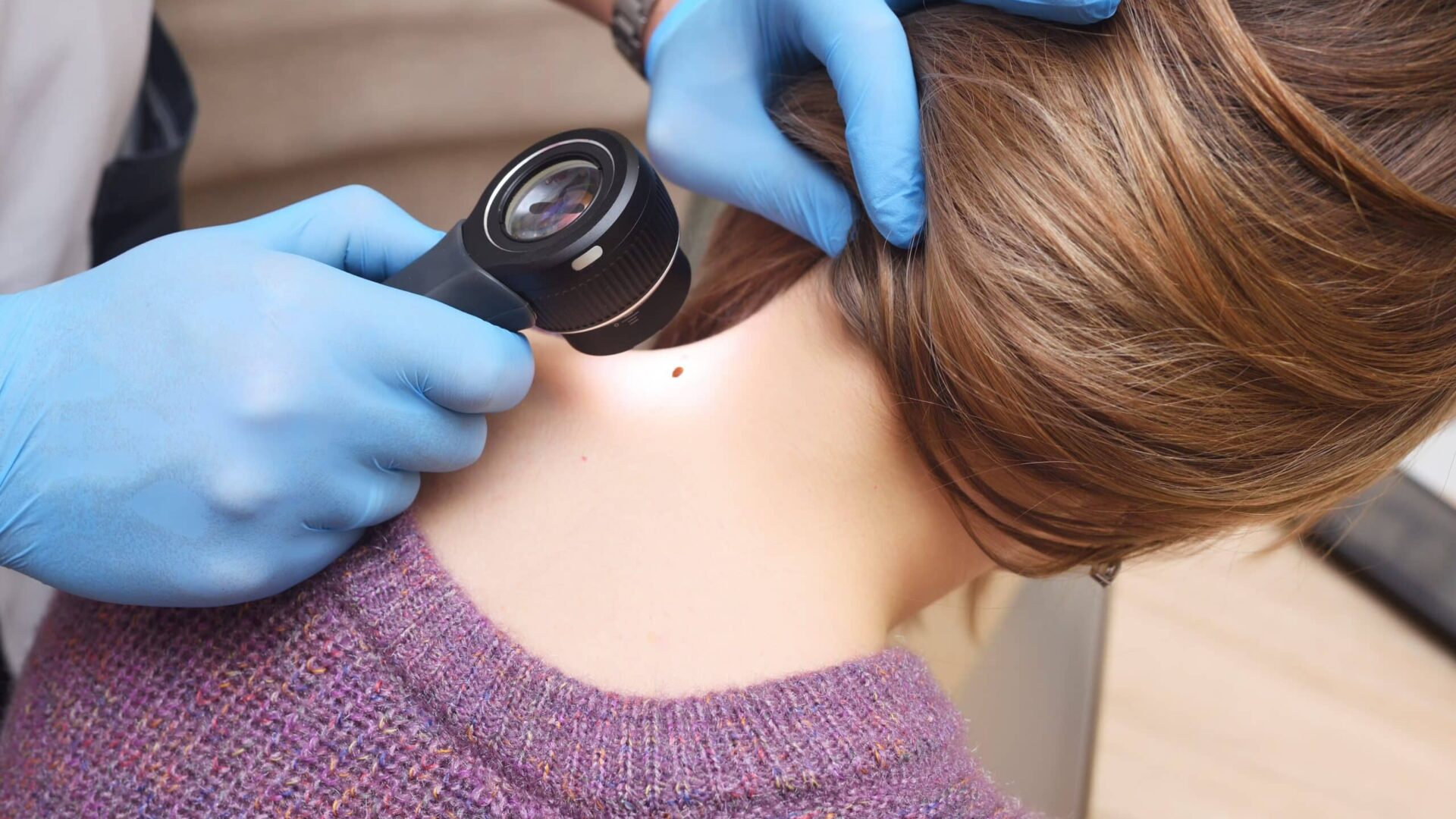
Keeping an eye on any changes to your skin is a vital step in early detection and prevention. Regular self-examinations help identify new moles or changes in existing moles that could signal potential issues. Any anomalies should be reported to a healthcare professional.
In addition to self-checks, scheduling regular check-ups with a dermatologist is crucial. These professionals can spot abnormalities you might overlook and provide guidance on further steps if necessary. Monitoring skin not only aids in early detection of skin cancer but also in identifying other skin disorders.
Regular Dermatological Exams
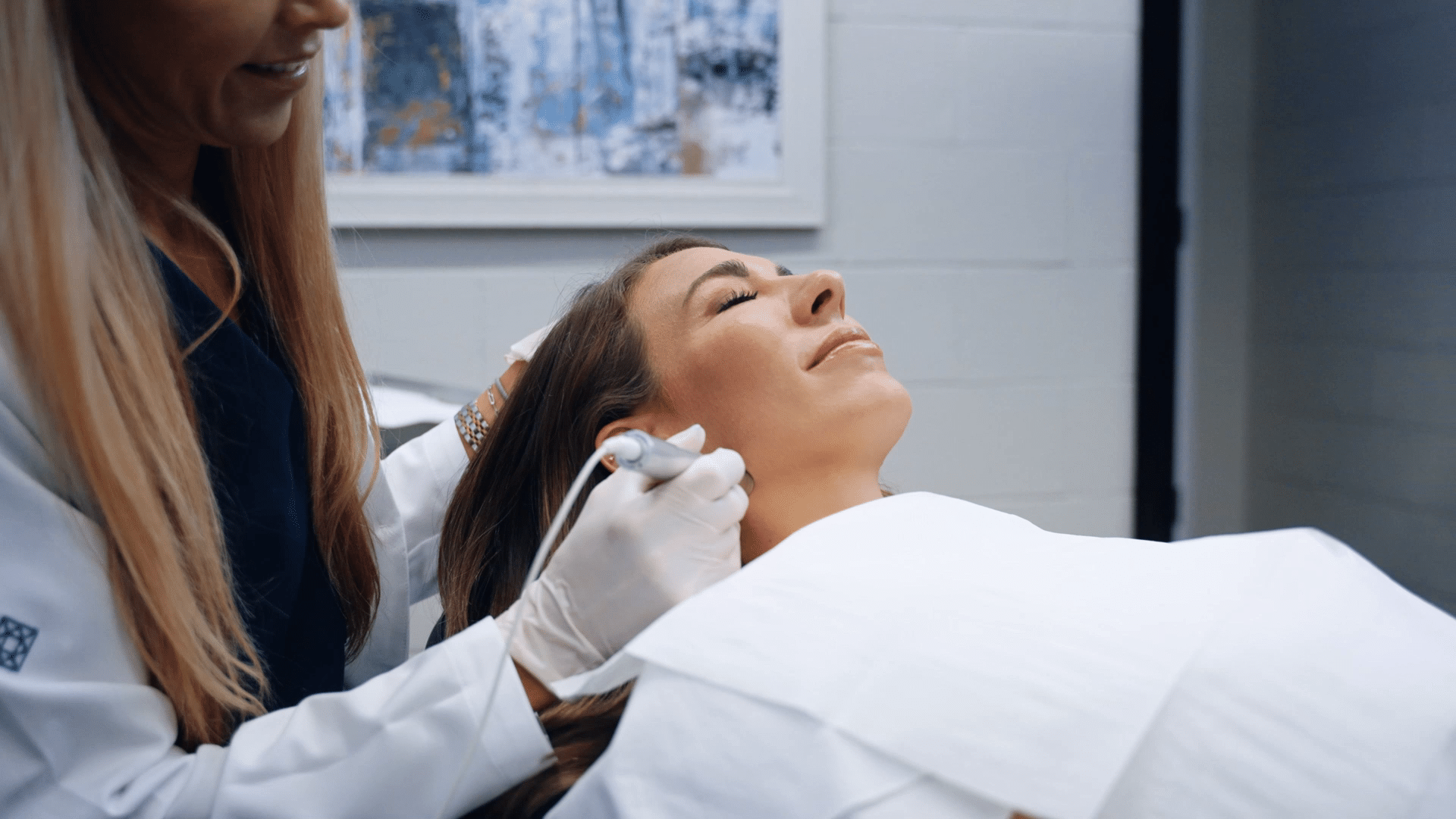
Consistent visits to a dermatologist are critical in the fight against skin cancer. These professionals offer expert evaluations and can detect suspicious changes that might not be visible to the untrained eye. Regular exams are vital, particularly for those with a higher risk of skin cancer, helping ensure any issues are caught early and treated effectively.
A dermatologist will not only check for signs of skin cancer but also other potential skin conditions that may require attention. Working with them ensures you receive comprehensive care to maintain optimal skin health. This proactive health measure can significantly impact how quickly and effectively issues are addressed.
Self-Examinations
While regular professional exams are essential, self-examinations allow for more frequent monitoring, helping you become better acquainted with your skin and notice changes promptly.
- How to conduct skin checks. Use a mirror to check all areas of your body, including those not normally exposed to sunlight, for any new or changing spots.
- What to look for. Be on the lookout for asymmetrical moles, irregular borders, uneven coloring, or changes in size, which can be signs of potential issues.
- When to consult a dermatologist. If you notice any suspicious changes or have concerns about a spot on your skin, schedule an appointment with a dermatologist immediately.
By regularly examining your skin, you’re more likely to notice and address potential health issues before they become more severe.
Professional Screenings
In addition to self-exams, professional skin cancer screenings offer a higher level of scrutiny and expertise. These screenings are often more detailed and can cover areas not easily accessed in self-examinations. Regular screenings should be part of your routine health checks to ensure any skin cancer signs are caught early.
Accessing these screenings through a trusted skin clinic provides peace of mind and professional reassurance. The combination of self-exams and professional screenings offers the best defense against skin cancer’s progression.
Diet and Nutrition
Maintaining a healthy diet is not only beneficial for overall health but also significantly impacts skin quality and its ability to resist damage, including from UV radiation. Consuming foods rich in antioxidants, such as fruits and vegetables, can assist in protecting the skin from within.
For those concerned about skin health, incorporating vitamins and minerals like vitamin C, vitamin E, zinc, and selenium into your diet can also enhance skin’s resilience. Ensuring that your diet supports skin health is a proactive approach to skin cancer prevention.
Avoiding Tanning Beds
Tanning beds expose users to concentrated levels of UV radiation, significantly increasing the risk of skin cancer. It’s important to avoid these entirely and seek safe alternatives for achieving a sun-kissed appearance, if desired.
Embracing your natural skin tone or using sunless tanning products is a healthier choice. Professionals can offer advice on safe sun damage treatments that suit individual needs and aesthetics without the risks associated with tanning beds.
Managing Health and Wellness
Overall health plays a crucial role in maintaining healthy skin. Staying hydrated and engaging in regular exercise can improve skin’s appearance and function.
- Stay hydrated. Drinking plenty of water ensures your skin remains supple and well-hydrated.
- Limit alcohol consumption. Excessive alcohol can dehydrate the skin and contribute to aging, so moderation is key.
- Regular exercise. Physical activity boosts circulation and promotes healthy skin function.
By integrating these habits into your lifestyle, you support better skin health and reduce cancer risks.
Smoking and Skin Health
Smoking negatively impacts skin health by reducing blood flow and nutrients essential for skin repair and maintenance. The toxins in cigarette smoke accelerate skin aging and increase skin cancer risk.
Quitting smoking not only improves your overall health but also enhances skin quality and reduces the likelihood of developing skin-related diseases, including skin cancer.
Myths vs. Facts
Myths surrounding skin cancer often lead to misunderstandings and risky behaviors. One common myth is that only fair-skinned individuals need to worry about skin cancer, which is false. Anyone can be at risk, regardless of skin tone, and should practice sun safety. Another myth is that tanning beds are safer than natural sunlight, which is a misconception that leads to increased cancer risk.
Education on the realities of skin cancer is essential to dispel these myths and promote better protective practices. Consulting with a skin health professional can help clarify these misconceptions and encourage informed decisions regarding skin care.
Common Misunderstandings
Many individuals believe that sunscreen is only necessary on sunny days, which can lead to neglect in their sun protection regimen. UV rays can penetrate clouds and cause damage on overcast days, making daily application of sunscreen crucial.
Another misunderstanding is that skin cancer only affects older individuals. However, skin cancer can develop at any age, making sun safety essential for people of all demographics. Ongoing education, such as through health clinics, helps challenge these beliefs and fosters better preventative habits.
The Importance of Awareness
Awareness is a powerful tool in skin cancer prevention. Understanding the impact of sun exposure and the importance of protective measures can significantly reduce the risk of skin cancer. Outreach and education are crucial components of increasing awareness at both individual and community levels.
Engagement with local health programs and staying informed through reliable sources empowers individuals with the knowledge to make informed decisions regarding their skin health. This awareness leads to proactive practices and comprehensive strategies to minimize skin cancer risks.

A woman with glowing skin smiles gently as she applies skincare cream to her cheek, showcasing healthy and effective skin care.
Taking Action
Taking an active role in skin cancer prevention involves incorporating sun safety into your daily routine. This includes wearing sunscreen, protective clothing, and regularly checking your skin for any changes. These actions are foundational in minimizing skin cancer risk.
Engagement with knowledgeable health professionals supports a well-rounded approach to skin health, ensuring that individuals are receiving comprehensive advice tailored to their specific needs.
Empowering Yourself through Knowledge
Acquiring knowledge about skin cancer and its prevention allows individuals to make informed decisions about their health. Keeping up with the latest research and recommended practices empowers individuals to take charge of their care.
This empowerment extends to advocating for family and friends, sharing information learned from trusted sources and professionals. Engaging with community resources and maintaining an active role in health areas contributes to a better understanding of skin cancer prevention.
Encouragement for Routine Checks
Regular skin checks, both professional and self-conducted, are key in maintaining skin health and preventing cancer. Scheduling appointments with a dermatologist should be a standard part of health routines. These checks increase early detection chances, ensuring timely intervention.
By prioritizing these preventative measures, individuals not only safeguard their health but also develop habits that are crucial in promoting a wider community awareness about skin health issues. Through informed and proactive practices, individuals contribute to reducing the overall skin cancer risk in the community.
Frequently Asked Questions
Skin cancer is primarily caused by exposure to ultraviolet (UV) radiation from the sun or artificial sources like tanning beds. UV radiation can damage the DNA in skin cells, leading to mutations that may result in skin cancer. Prolonged exposure without proper protection increases the risk significantly.
Sunscreen should be applied every day that you will be outside, even on cloudy days. It is important to apply a broad-spectrum sunscreen with at least SPF 30 about 15 minutes before sun exposure and reapply every two hours, or immediately after swimming or sweating to maintain protection.
During self-examinations, look for changes in moles or new growths on the skin. Asymmetry, irregular borders, color changes, diameter growth, or any evolution in appearance are signs of concern. Any unusual sore that does not heal should also be evaluated by a professional.
You should schedule a visit to a dermatologist if you notice any suspicious or changing skin lesions, if you have numerous or atypical moles, or if there’s a family history of skin cancer. Regular annual check-ups are recommended for ongoing skin health maintenance.